
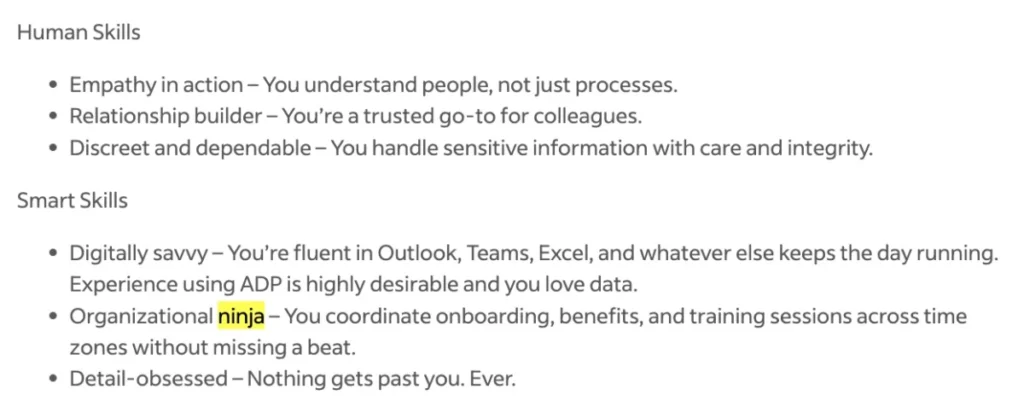
In the competitive landscape of modern talent acquisition, the job posting serves as the crucial first impression, a digital handshake between a company and its prospective employees. Yet, a pervasive issue continues to plague the recruitment industry: the prevalence of "cringeworthy" job descriptions that not only fail to attract quality candidates but actively repel them. These postings, ranging from the overtly unprofessional to the subtly outdated, often elicit a collective eye-roll from job seekers, becoming fodder for group chats and cautionary tales rather than compelling invitations. The impact extends beyond mere annoyance; it directly undermines an organization’s employer brand, narrows talent pools, and can significantly increase time-to-hire.
The Anatomy of a Cringeworthy Job Posting
A closer examination reveals several recurring culprits in the realm of ineffective job advertisements. These elements, often born from outdated practices or a lack of strategic thought, collectively contribute to a perception of disorganization, insincerity, or an unhealthy work culture.
1. The "Rockstar/Ninja/Unicorn" Trope:
Despite widespread criticism, terms like "coding ninja," "marketing rockstar," or "HR unicorn" persist in job descriptions. This lexicon, intended to convey dynamism and high performance, instead often signals a lack of clarity regarding the actual role requirements. Candidates frequently interpret such language as either juvenile or indicative of a company unsure of its needs, hoping for a magical fix-all rather than a specialist with defined skills. Beyond appearing unserious, this type of phrasing can alienate a significant portion of the professional workforce who prefer clear, professional communication over forced attempts at "coolness." Industry surveys consistently show that candidates prioritize clarity and specificity in job descriptions, viewing such buzzwords as an immediate red flag that suggests a superficial corporate culture.
2. The "Must Thrive in a Fast-Paced Environment" Cliché:
This ubiquitous phrase has become a notorious red flag for discerning candidates. While ostensibly signaling an energetic workplace, "fast-paced" often translates to undefined expectations, tight deadlines, unrealistic workloads, and a potential for burnout. Modern job seekers, increasingly prioritizing work-life balance and mental well-being, are wary of vague descriptors that might mask a chaotic or poorly managed environment. Instead of attracting resilient individuals, it often deters those who seek sustainable productivity and clear operational structures. Recruiters are advised to specify what "fast-paced" truly means in context, perhaps by detailing project cycles, team collaboration methods, or growth opportunities, rather than resorting to an overused and often misinterpreted cliché.
3. "Work Hard, Play Hard": A Relic of the Past:
Once a popular mantra, "work hard, play hard" is now largely seen as a relic, often associated with cultures that promote excessive overtime under the guise of camaraderie. While a vibrant company culture with social activities can be a draw, this phrase frequently implies a lack of boundaries between professional and personal life, or an expectation of perpetual availability. Candidates today are more interested in genuine support for work-life integration, flexible schedules, and benefits that contribute to overall well-being. The presence of a ping-pong table or office beer taps, while potentially appealing, cannot compensate for a culture that implicitly rewards overwork and disregards personal time.
4. Gendered and Biased Language:
The unconscious biases embedded in language pose a significant barrier to diversity and inclusion. Words like "aggressive," "dominant," or "competitive" are often subconsciously associated with masculine traits, potentially deterring female applicants. Conversely, terms such as "supportive" or "nurturing" can be coded as feminine, inadvertently discouraging male candidates from considering roles where these qualities are essential. Research, including studies from Harvard Business School, indicates that vague job ads lead to a 25% reduction in applications from qualified women compared to men. However, when requirements are made specific and gender-neutral language is employed, women apply at higher rates. Tools designed to flag and correct such biases are becoming indispensable for creating truly inclusive job descriptions that attract a broader, more diverse talent pool.
5. Unrealistic or Outdated Experience Requirements:
Few things erode credibility faster than a job posting demanding "10+ years of experience in a tool that’s only been around for 5." This common oversight, often a result of recycled templates or a lack of due diligence in requirement validation, signals a disconnect between the hiring team and the realities of the industry. Such errors not only make the company appear unprofessional but also exclude highly capable candidates who possess relevant skills but might not meet an impossible timeline. It highlights the critical need for a thorough review process and a focus on essential, up-to-date qualifications rather than arbitrary metrics.
6. The Ambiguity of "Flexible Workplace":
In the post-pandemic era, "flexibility" has become a highly sought-after perk, yet its meaning is often left frustratingly vague in job postings. Terms like "hybrid" or "flexible workplace" without further elaboration can lead to significant candidate frustration, particularly as many companies adjust their remote work policies. Candidates are increasingly demanding clarity: how many days are expected in the office? Are hours synchronous or asynchronous? What does "flexibility" truly entail in practice? Explicitly detailing these arrangements builds trust and sets realistic expectations, preventing miscommunication and ensuring a better fit between employee expectations and company policy. Companies that transparently outline their remote, hybrid, or in-office expectations are more likely to attract candidates whose preferences align with the actual work environment.
7. Counterproductive Keyword Stuffing:
While keywords are essential for search engine optimization (SEO) and improving job posting visibility on platforms, their excessive and unnatural use can backfire spectacularly. An obviously keyword-stuffed job description reads as robotic, artificial, and desperate, signaling to astute job seekers that the company is prioritizing algorithms over actual human connection. Such postings are often perceived as quick-fix attempts to fill vacancies rather than genuine invitations to build a career. Effective job descriptions adopt a candidate-first approach, focusing on career advancement, learning opportunities, and the value proposition for the applicant, integrating relevant keywords naturally rather than forcibly. The goal is to speak to people, not just search engines, fostering engagement and conversion.
8. The "Culture Fit" Conundrum:
The pursuit of "culture fit" in job descriptions, while seemingly benign, can inadvertently promote homogeneity and exclusivity. This phrase often suggests a desire for candidates who will seamlessly blend into existing norms, potentially deterring individuals from diverse backgrounds, especially neurodivergent talent, who may interpret it as a barrier to entry for their unique perspectives. Forward-thinking organizations are shifting towards "culture add," seeking individuals who can inject fresh ideas, challenge existing systems constructively, and enrich the workplace with their distinct experiences and viewpoints. Framing recruitment around "culture add" signals an organization’s receptiveness to diversity and innovation, fostering an environment where individuals feel empowered to express themselves and contribute meaningfully.
9. The Peril of Tricky Salary Ranges:
Pay transparency has rapidly evolved from a niche concept to a gold standard in quality job descriptions, often mandated by legislation in various regions. Providing a clear salary range demonstrates respect for a candidate’s time and effort. However, extremely broad salary ranges (e.g., $60,000 – $100,000) can be as detrimental as omitting pay details entirely. Such wide spreads can appear unprofessional, deceptive, and filled with loopholes, leading top talent to suspect potential underpayment. For optimal trust and to attract the best candidates, salary spreads should ideally be kept within a 15-20% margin, with explicit explanations for any wider disparities (e.g., higher tiers for candidates with proven leadership records or specific, in-demand expertise).
10. The "Bottomless Interview" Process:
Candidate experience (CX) is paramount in today’s talent market. Reports, including those cited by Forbes, indicate that up to half of companies lose star talent due to overly complex, lengthy, or opaque hiring processes. This includes numerous interview rounds, biased questioning, punishing assessments (e.g., demanding extensive, unpaid project work), and a lack of communication regarding timelines. A quality job description should include a clear outline of the hiring roadmap: the number of interview stages, expected response times, and an overview of any assessments. This transparency manages candidate expectations, empowers applicants to prepare effectively, and demonstrates respect for their time, ultimately enhancing the employer brand and improving conversion rates.
The Evolving Landscape of Recruitment and its Implications
The criticisms leveled against cringeworthy job postings are not merely aesthetic; they reflect fundamental shifts in the global job market and candidate expectations. The digital age, amplified by social media, has given job seekers unprecedented power to research, share experiences, and scrutinize potential employers. A poorly crafted job description can go viral for all the wrong reasons, inflicting lasting damage on an employer’s reputation.
Furthermore, the emphasis on Diversity, Equity, and Inclusion (DEI) means that recruitment language is under greater scrutiny than ever. Biased or exclusionary language actively narrows the talent pool, making it harder to build diverse teams that are proven to be more innovative and resilient. Research from Canva, for instance, found that jargon-heavy language disproportionately alienates younger and underrepresented talent. Similarly, the University of Florida’s research highlights that excessive jargon harms clarity and trust, particularly among early-career professionals.
The implications extend to the bottom line. A protracted hiring process due to a weak job description can lead to significant costs, including lost productivity from unfilled roles, expenses associated with repeated recruitment efforts, and the opportunity cost of missing out on top talent who opt for competitors with clearer, more professional communications.
Strategies for Crafting Effective Job Postings
To "de-cringe" job postings and transform them into powerful talent magnets, organizations must adopt a strategic, candidate-centric approach:
-
Embrace Real, Human Language: Move away from corporate jargon and buzzwords. Write clearly, specifically, and authentically. If a role demands tight deadlines, articulate why and how those are managed. If collaboration is key, describe concrete examples of team dynamics. Structured job description templates can guide this process.
-
Systematic Bias Review: Implement rigorous review processes to identify and eliminate gender-coded words, ableist language, or other unconscious biases. Leveraging specialized software (like Ongig) or establishing a peer review system involving diverse perspectives can significantly improve inclusivity.
-
Regular Content Audits: Job markets, technologies, and company cultures evolve rapidly. Copy-pasting old job descriptions is a recipe for disaster. Conduct quarterly reviews of all active postings, particularly for high-volume roles, to ensure relevance, accuracy, and alignment with current best practices.
-
Candidate-Centric Testing: Before publishing, share job descriptions with individuals outside the immediate hiring team or even with a sample of target candidates. Ask for honest feedback: "Does this resonate? Is anything unclear or off-putting? Would you apply?" Fresh eyes often spot "cringe" that internal teams might overlook.
-
Focus on Outcome-Based Descriptions: Shift the narrative from a laundry list of duties to what success looks like in the role. Define key outcomes and achievements expected within the first 30, 60, or 90 days. This provides candidates with a clear sense of purpose and a compelling reason to commit, fostering a sense of shared ambition.
-
Leverage Technology Responsibly: While AI can assist in generating initial drafts and flagging common errors, it should never be the sole author of a job description. Human oversight from talent acquisition professionals is critical for ensuring authenticity, cultural alignment, and a nuanced understanding of the role’s specific requirements. AI is a tool for enhancement, not replacement.
-
Prioritize Skill-Based Hiring: In a dynamic talent market, rigid academic qualifications or arbitrary experience requirements can unnecessarily limit the talent pool. Collaborate with HR and hiring managers to differentiate between "must-have" skills and "nice-to-have" credentials. Rewording job descriptions to emphasize competencies and transferable skills can open doors to a wider, more diverse array of qualified candidates who may lack traditional pathways but possess immense potential.
The Ultimate Goal: Professionalism and Authenticity
Ultimately, a great job description is clear, inclusive, specific, and authentic. It sets realistic expectations without resorting to puffery and respects the candidate’s invaluable time. It reflects the true essence of the employer brand, not a generic template or a desperate plea. In a world where every touchpoint matters, the job posting stands as a critical ambassador for an organization. Reading it aloud and listening for that subtle "ick" factor can be the simplest, yet most effective, quality control measure. The investment in thoughtful, well-crafted job descriptions is not just about filling a vacancy; it’s about building a reputation, attracting exceptional talent, and fostering a workplace culture where every individual feels valued and understood from their very first interaction.






