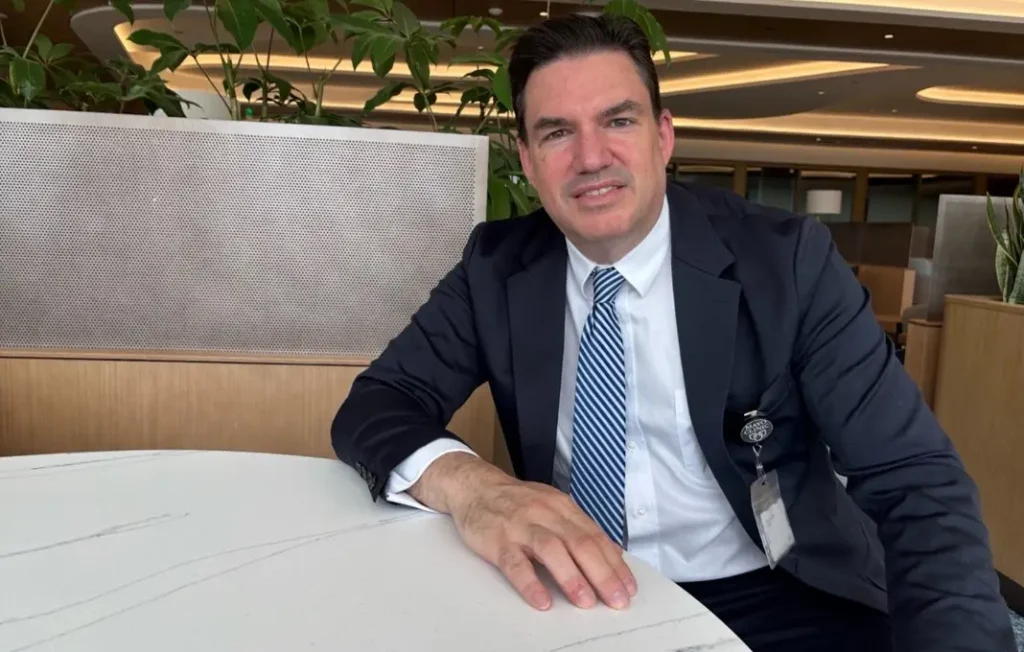
The health of a Chief Executive Officer is no longer a private matter; it is a critical business concern, and its significance is underscored by the expansion of Mayo Clinic’s Executive Health program. With the unveiling of a new, state-of-the-art 75,000-square-foot center in Rochester, Minnesota, in July, Mayo Clinic is signaling its deep commitment to this vital intersection of leadership and well-being. This initiative recognizes a fundamental truth: executives who prioritize their personal health often demonstrate enhanced leadership effectiveness and a greater capacity to care for those around them, impacting not only their immediate organizations but also the broader societal landscape.
For over a decade, Dr. Ryan T. Hurt, a distinguished Professor of Medicine and Division Chair of General Internal Medicine at Mayo Clinic, has been a vocal advocate for this perspective. His career has been dedicated to the intricate interplay of clinical nutrition, physiology, and preventive medicine. Since 2012, he has applied this expertise to a particularly high-stakes patient demographic: sitting CEOs and senior executives. Dr. Hurt’s insights are further solidified by his co-authorship of an upcoming research paper stemming from a joint Mayo Clinic-Chief Executive study that meticulously examines the current state of C-suite health across America.
In an exclusive interview conducted at the new Mayo Clinic Executive Health facility, Dr. Hurt shared profound observations drawn from thousands of patient appointments and the wealth of data he has accumulated. He offered a candid assessment of CEO health trends in the United States and provided actionable advice for leaders seeking to optimize their well-being. The following discussion has been edited for conciseness and clarity, aiming to distill Dr. Hurt’s essential guidance for a discerning audience.
Evolving Perceptions of Executive Health
A significant shift is evident in how executives, particularly CEOs, are approaching their health. Dr. Hurt observes a growing awareness and a proactive pursuit of longevity, a concept he terms "healthspan." This desire to live longer, healthier lives is prompting many to explore various avenues, sometimes venturing into less regulated territories.
"Many CEOs are becoming more aware of health and longevity," Dr. Hurt explained. "They want to learn about how they can live longer, healthier lives. We call that healthspan. The challenge is there’s a lot of things out there that aren’t necessarily good practices that sometimes CEOs and other execs will partake in, like peptides that are non-FDA approved." He elaborated on this point with a common scenario: "So often what the exec will do—a CEO comes, ‘Hey, my friend injects himself with testosterone every week. Should I be doing that?’ What we do is we individualize the care and we answer questions based on their individualized approach for each one of these patients."
This tendency to seek out unproven or non-FDA-approved interventions highlights a critical area of concern. While the intention may be to enhance health, the lack of rigorous scientific backing and potential for unforeseen side effects necessitate a cautious and evidence-based approach. Mayo Clinic’s Executive Health program emphasizes personalized medical advice, steering patients away from potentially harmful trends and toward scientifically validated strategies.
Navigating the Labyrinth of Health Misinformation
The digital age, while providing unprecedented access to information, has also created fertile ground for health-related misinformation. Dr. Hurt notes that many executives are becoming increasingly susceptible to what he terms "focusing on the wrong things."
"Absolutely. They’re focusing on the wrong things," Dr. Hurt stated emphatically. "What you should ask them is, ‘Well, tell me about why you wanted to get that test, or why did you want to get that injection? Tell me more.’ And that’s what I usually dig into in that 90-minute appointment where they’ve never really discussed that with anybody before."
He provided a compelling example illustrating this phenomenon: "Why do you want to get that full body scan? Well, you know what, my friend died of pancreatic cancer, and my primary care doctor told me there’s no good test for pancreatic cancer. And so when you really dig to the root, instead of getting that full body scan, let’s do the Grail test [an expansive blood test for cancer markers]. So let’s do that because it’s less problematic than getting a whole body scan at this point."
This anecdote underscores the importance of nuanced medical guidance. While a full body scan might seem like a comprehensive solution, it can lead to false positives, unnecessary anxiety, and costly follow-up procedures without necessarily improving early detection rates for all cancers. Advanced genomic and proteomic blood tests, such as the Grail test, represent a more targeted and often more effective approach to cancer screening, particularly for specific risk profiles. The key, Dr. Hurt emphasizes, is to understand the patient’s underlying concerns and guide them toward the most appropriate and evidence-based diagnostic tools.
The Pillars of Executive Longevity: Muscle, Nutrition, and Sleep
Dr. Hurt articulates a clear set of fundamental principles that are crucial for enhancing executive healthspan. These pillars, often overlooked in the relentless pursuit of professional success, are essential for long-term vitality and cognitive function.
The Primacy of Muscle Mass
"Key to longevity is muscle," Dr. Hurt declared. "I’ll ask them, what are they doing for resistance training? And most of my CEOs are running, they’ll do a ton of aerobic exercise, but virtually none of them are doing dedicated resistance training. Lifting weights, 90 to 120 minutes of resistance training per week will decrease your mortality."
The scientific literature consistently supports the link between muscle mass and longevity. Studies have shown that sarcopenia, the age-related loss of muscle mass and strength, is associated with increased mortality, functional decline, and a higher risk of chronic diseases. Resistance training is not merely about aesthetics; it is a powerful intervention for metabolic health, bone density, and overall physical resilience.
Dr. Hurt’s personal commitment to this principle is evident: "I have dumbbells in my office. When I’m on a zoom call, one day I do biceps and back, the next day I do shoulders and legs. I do it right here at work. I’ve cut my percent body fat from like high 20s to 19 percent body fat, which is really good." This practical demonstration highlights the feasibility of integrating resistance training into a demanding executive schedule.
Optimizing Nutrition for Muscle and Metabolism
Adequate protein intake is critical for muscle synthesis and repair, especially in conjunction with resistance training. Dr. Hurt addresses a common misconception: "To fuel those muscles, we need adequate protein. Most people are doing protein wrong. We want one to 1.2 grams per kilogram of your body weight per day. I like to spread it out a little bit as well." This recommendation, translated into practical terms, means that a 70kg individual would aim for approximately 70-84 grams of protein daily, distributed throughout their meals.
Beyond protein, Dr. Hurt emphasizes the importance of fiber, a nutrient often deficient in modern diets. "And then fiber—we should be 25 to 30 grams per day. Most of us are falling short." Fiber plays a crucial role in digestive health, blood sugar regulation, and satiety, contributing to overall metabolic well-being.
The Unsung Hero: Sleep
Sleep is frequently the most sacrificed aspect of an executive’s life, yet its impact on health is profound. Dr. Hurt challenges the pervasive myth of needing minimal sleep: "And then the third pillar is sleep. That’s the hardest one. The myth of ‘I only need five hours’—it’s about 1 to 2 percent that probably need only about five hours of sleep genetically. The rest of us need seven to eight. That’s the sweet spot."
The prevalence of sleep disorders among executives is particularly concerning. "The problem with CEOs is they’ll go to bed late and they’ll wake up multiple times at night, and sometimes they can’t get back to sleep because they’re thinking about that meeting. Insomnia is very prevalent in CEOs and execs." Chronic sleep deprivation has been linked to a cascade of negative health outcomes, including impaired cognitive function, weakened immunity, increased risk of cardiovascular disease, and mood disorders.
Leveraging Technology for Health Insights
The integration of technology into personal health management is rapidly advancing, and Dr. Hurt is an enthusiastic proponent of this trend. Wearable devices, in particular, offer valuable data streams that can inform personalized health strategies.
"I love wearables. I’m a wearable guy," Dr. Hurt affirmed. "I’ve researched a ton of the wearables. Probably a dozen of my peer-reviewed papers have been in wearables." He highlighted specific technologies: "I’ve got a nifty device called a Sonu headband, which is FDA approved for sinuses. We’re actually studying it for insomnia too, because it does some low-grade vibration, like putting the kids in the car and driving them around puts them to sleep. So we have a clinical trial looking at that for executives."
The Oura ring and similar devices are also valuable tools for Dr. Hurt’s practice. "I like the Oura ring. What I’ll do is I’ll say, ‘Here’s what I want you to do—I want you to have good seven hours of quality sleep. Let’s review your data. Oh look, your oxygen actually is dropping. We need to screen you for obstructive sleep apnea.’ So I have them give me their wearable data. I’ll say, ‘Okay, let’s look at your Apple Watch data and your heart rate, see what’s going on when you’re exercising.’"
Looking ahead, Dr. Hurt anticipates even more sophisticated applications of technology: "We’re building AI agents to eventually be able to have people feed in their wearable data and have an agent say, here’s some recommendations for you based on that data." This vision of AI-powered health coaching promises to democratize access to personalized health insights.
The Generational Shift Towards Proactive Well-being
A noticeable generational shift is occurring in the acceptance and adoption of holistic health practices, including meditation and mindfulness. Dr. Hurt observes a greater openness, particularly among younger generations and those approaching retirement, compared to older cohorts.
"In general there are generational differences," Dr. Hurt noted. "The Greatest Generation, boy, they will self-neglect themselves right up to death. ‘I’m not going to go to the doctor—that’s where you go to die,’ because that’s what they experienced in the Great Depression. ‘Hospitals are places you go to die.’" This historical context explains a deep-seated skepticism towards medical interventions.
However, he sees a different trend emerging: "I think as you get into the boomers kind of getting in that retirement age and retiring, they really want to pivot to some of these longevity techniques, and they’ll do anything, they’ll try anything to extend that lifespan. Meditation’s a core part of that. They know that the mind brain is an important piece. If their mind is healthy, then they’re going to be healthier longer."
This embrace of mind-body practices reflects a growing understanding that mental well-being is inextricably linked to physical health. Furthermore, the desire for alternatives to traditional pharmaceutical interventions is driving interest in integrative medicine. "But I also think in general we’re more probably accepting of some of these novel technologies. Everybody wants the alternative to pills and medicine, which I think is okay. A lot of the integrative medicine that we practice here is outside of medications. It is that mind body, that meditation kind of connecting the whole body, if you will."
The Limitations of Conventional Primary Care
Dr. Hurt candidly addresses the challenges inherent in the current healthcare system, particularly the constraints placed upon primary care physicians. "Good family practice, good primary care can do preventative medicine. The problem is if you only have 15 minutes in a primary care appointment, the way this healthcare system is set up is we cut out all the preventative stuff."
The brevity of typical appointments often forces clinicians to prioritize acute and chronic medical issues, leaving little time for comprehensive preventive strategies. "Because we have to address the pain with walking, all the acute medical issues and sometimes the chronic issues like the diabetes, the high blood pressure. And then we usually at the end write you some medication that gets you out the door."
In contrast, Mayo Clinic’s Executive Health program offers a significantly different model. "Here, the focus is that 90-minute visit with each patient. And a big chunk of that is the preventative medicine." This extended appointment allows for a thorough review of an individual’s health history, lifestyle, and risk factors, enabling proactive interventions.
Dr. Hurt highlighted specific preventive measures that are often overlooked: "I review all your vaccines—shingles vaccine, very important not only for prevention of shingles, but there’s emerging data that suggests that it probably helps with prevention of dementia. I pick up every week patients that I see in executive health when I’m going through the checklist. ‘You have a first-degree relative that has a history of colon cancer—we recommend colonoscopy now at age 45.’ A lot of execs don’t even know that that timeframe has moved down because we’re seeing earlier GI cancer." This underscores the dynamic nature of medical recommendations and the need for ongoing, individualized health assessments.
The Three Pearls of Executive Well-being
When pressed for the most impactful advice he imparts to CEOs, Dr. Hurt consistently returns to his foundational principles, distilling them into three essential "pearls."
"Back to those three. Resistance training—when they say, ‘I can’t get to the gym,’ I say, what do you do in your office? Let’s get some dumbbells. ‘Well, I travel a lot.’ Well, put a pack of resistance bands in your bag and every day, 15 to 20 minutes, work on different muscle groups. Ninety to 120 minutes per week. You’ll pop out of that chair quicker, you’ll feel better."
His nutritional advice remains consistent: "Most people are doing protein wrong. We want one to 1.2 grams per kilogram of your body weight per day. And then fiber, enough fiber per day. Those are my just two nutrition tips."
And finally, the critical element of rest: "And then sleep. So those are my three pearls. It is amazing to me, almost every single patient, unless they’ve seen me before or seen one of my colleagues that preaches these things, how very few are doing those things right."
The consistent message from Dr. Hurt and the expanding reach of Mayo Clinic’s Executive Health program underscore a paradigm shift: the health of leaders is a strategic imperative. By focusing on evidence-based practices in resistance training, nutrition, and sleep, executives can not only enhance their personal well-being and longevity but also cultivate greater resilience, cognitive acuity, and leadership effectiveness, ultimately benefiting their organizations and society at large. The commitment to providing extended, individualized care in a dedicated facility signals a clear understanding that investing in CEO health is an investment in the future.