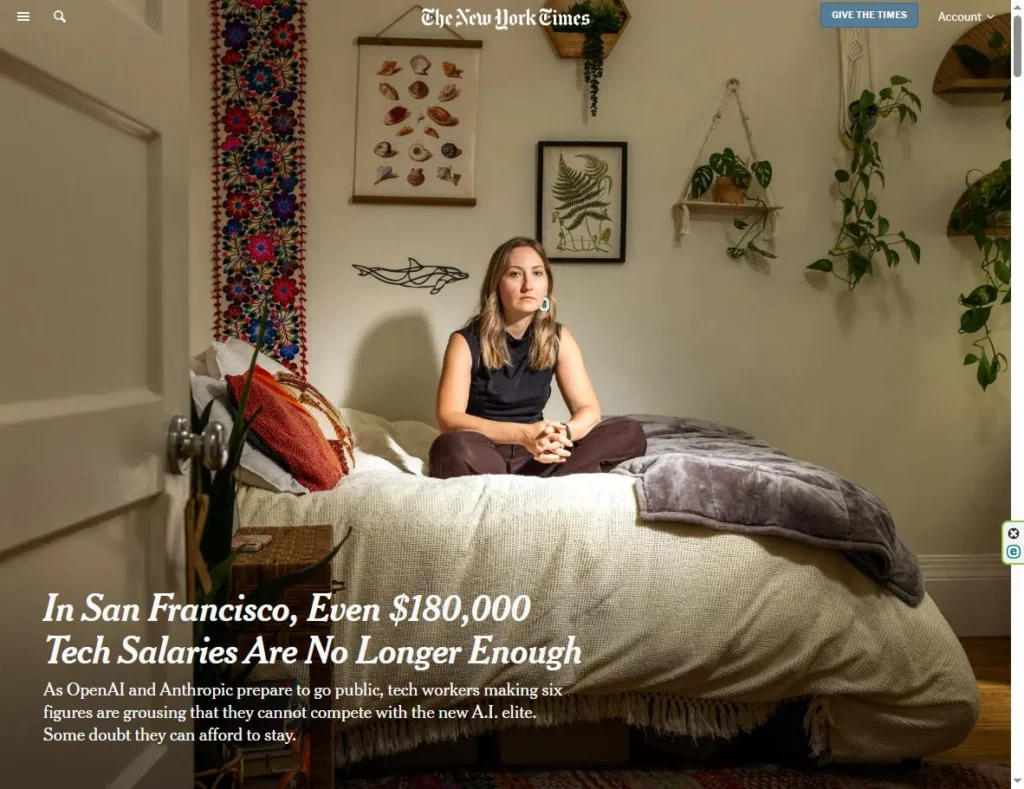
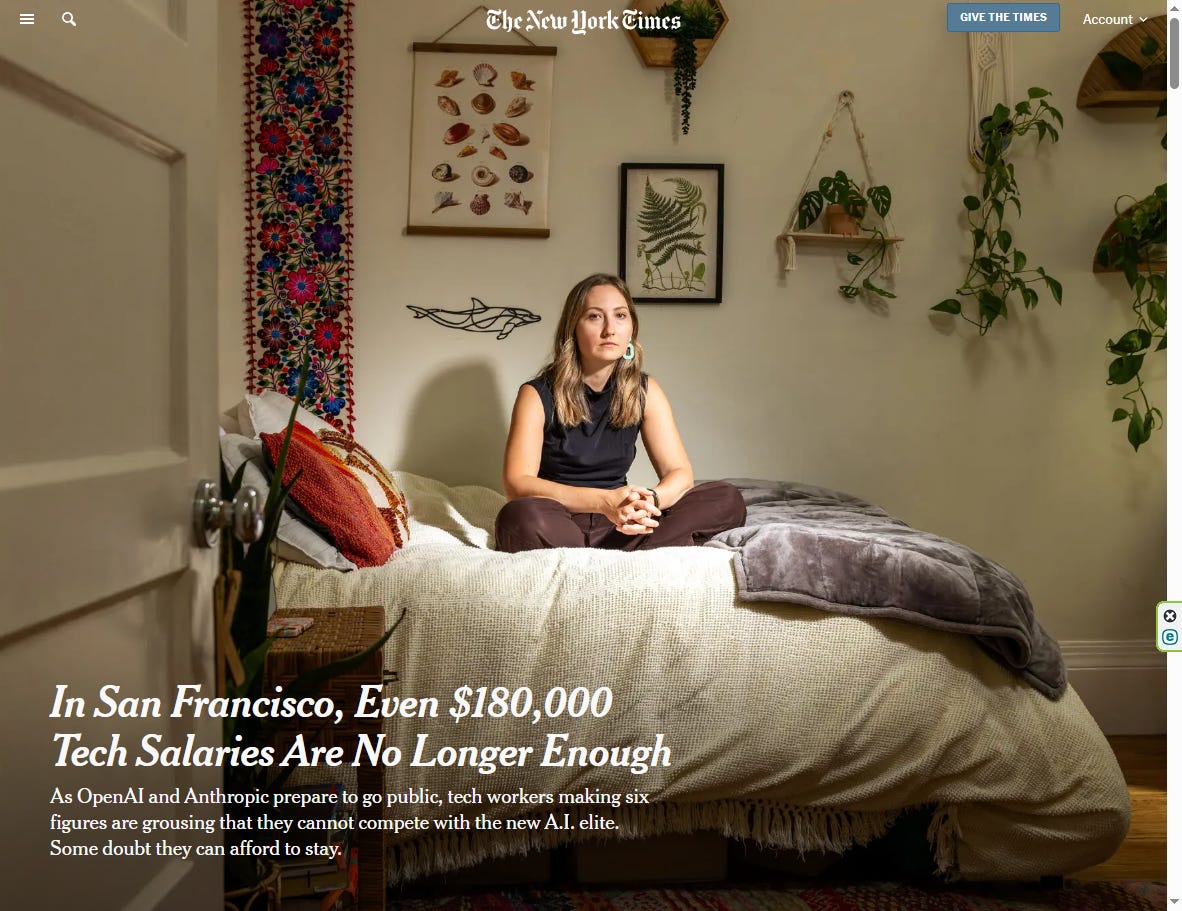
The increasing costs of fuel, transportation, housing, and food are placing an unprecedented strain on households across the nation, yet wage growth is lagging significantly behind, raising questions about whether this is a temporary anomaly or a deeper, systemic issue. A recent New York Times article highlighted the stark reality for many, noting that in San Francisco, a combined household income of $370,000 is no longer sufficient to secure a desirable apartment, a problem that resonates nationwide. Data for 2026 year-to-date illustrates this disparity starkly: gas prices have surged by 24%, energy costs by 27%, airline fares by 26%, and even essential items like fruits and vegetables have seen a 5% increase. In stark contrast, average private sector wages have only risen by a modest 3.5%. This widening gap is impacting workers, families, and retirees alike.

The phenomenon of "unretirement" has emerged as a direct consequence of these economic pressures. AARP reports that 7% of retirees have opted to return to the workforce, and a further 12% of seniors have re-entered employment in 2026, driven by the inability to cover escalating costs for healthcare, food, and energy on their retirement savings. This trend signals a significant shift in the economic landscape, forcing individuals to re-evaluate their financial security and life choices.
The Erosion of Purchasing Power: A Decades-Long Trend
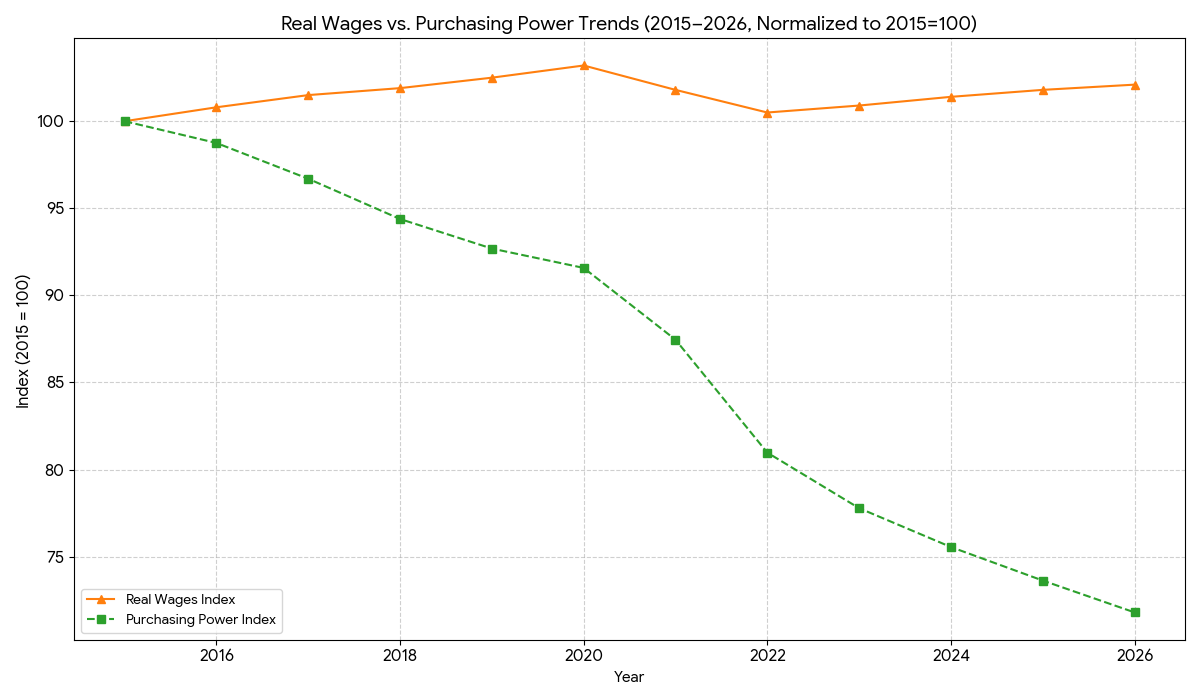
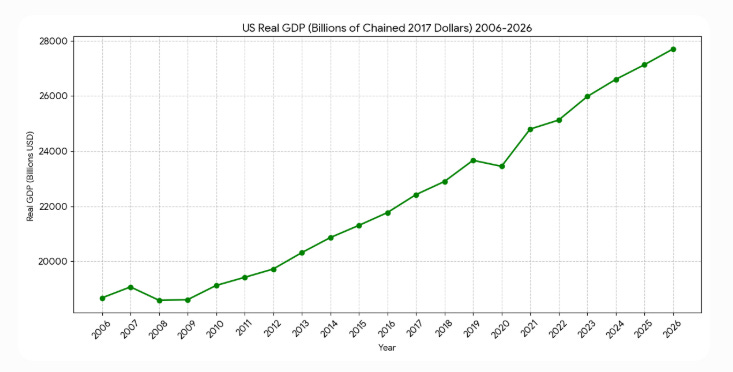
From a micro-economic perspective, the current affordability crisis is not a sudden event but rather the culmination of nearly five decades of stagnant real wage growth. Analyzing wage trends against inflation over the past 20 to 30 years reveals a precipitous decline in the purchasing power of American workers. While inflation has surged, wages, when adjusted for this rise in prices, have seen only marginal gains over the last decade.
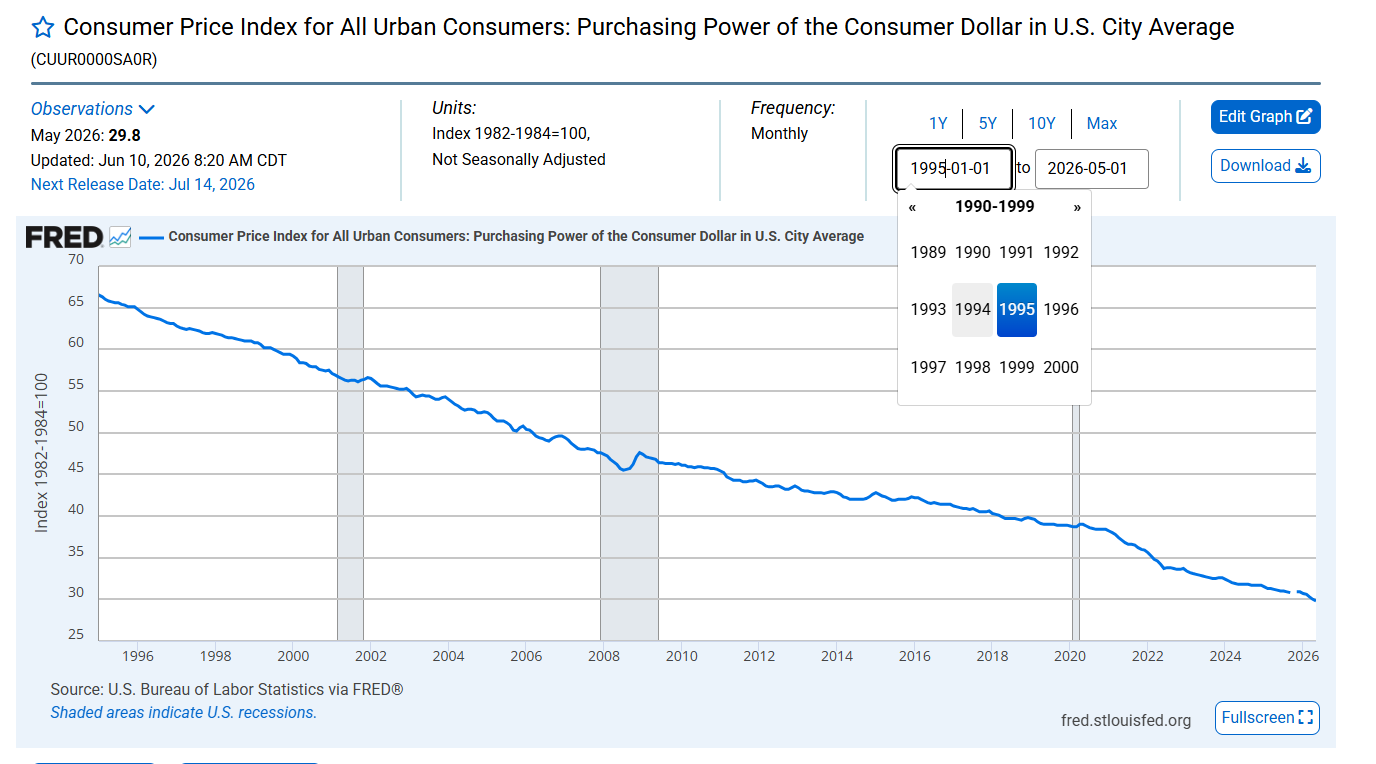
This erosion of purchasing power is visually represented by charts depicting stagnant or declining real wages. For instance, data from the St. Louis Federal Reserve illustrates a significant drop in "Purchasing Power," showing a decline of nearly 40% over a comparable period. This trend underscores a fundamental disconnect between economic output and the compensation received by the average worker.
The Productivity Paradox: Growth Without Shared Benefits
The persistent rise in the cost of living, juxtaposed with the sluggish growth in wages, invites an examination of productivity gains. Over the past three decades, technological advancements, particularly in the tech sector, have been substantial. One might expect these innovations to translate into increased efficiency and, consequently, higher wages. However, data suggests a different outcome.
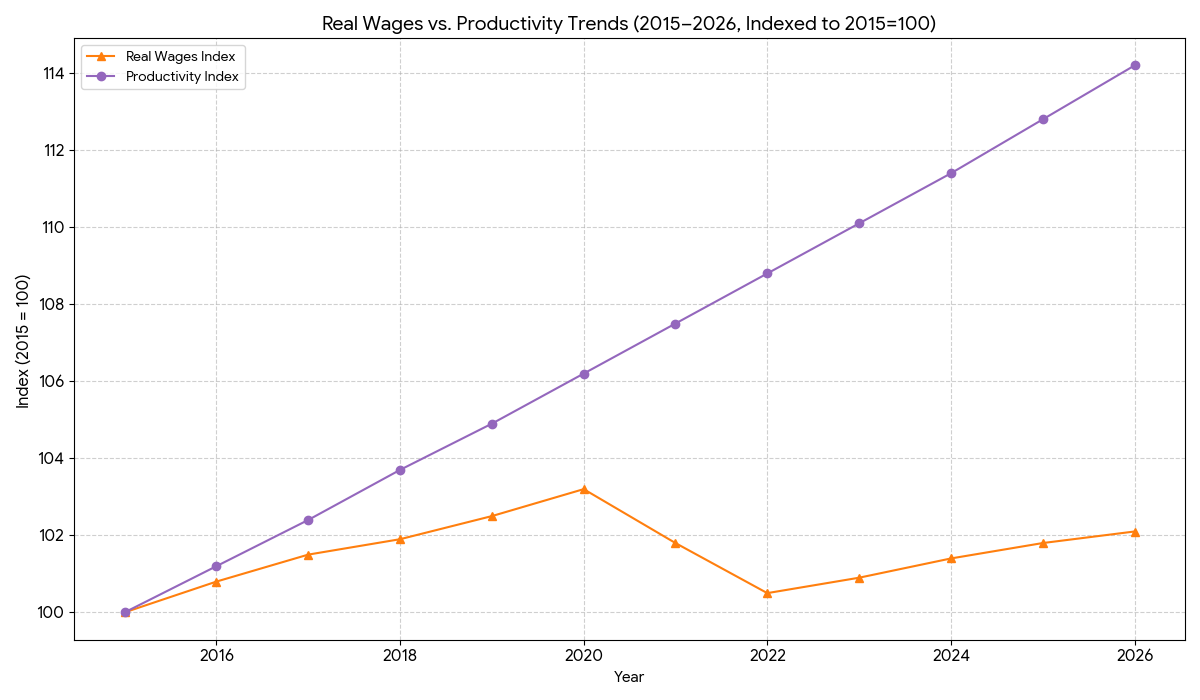
Analysis of productivity versus wage growth over the last 30 years reveals a significant divergence. While productivity has seen a notable increase—estimated at around 14% in some analyses—wage growth has remained comparatively flat, with a mere 2% increase over the same period. This suggests that approximately 12% of the economic productivity gains have not been distributed to employees, instead flowing to other stakeholders. This "productivity paradox" raises critical questions about how the benefits of economic growth are being allocated within corporations.
The Shifting Sands of Corporate Finance: From Labor to Capital
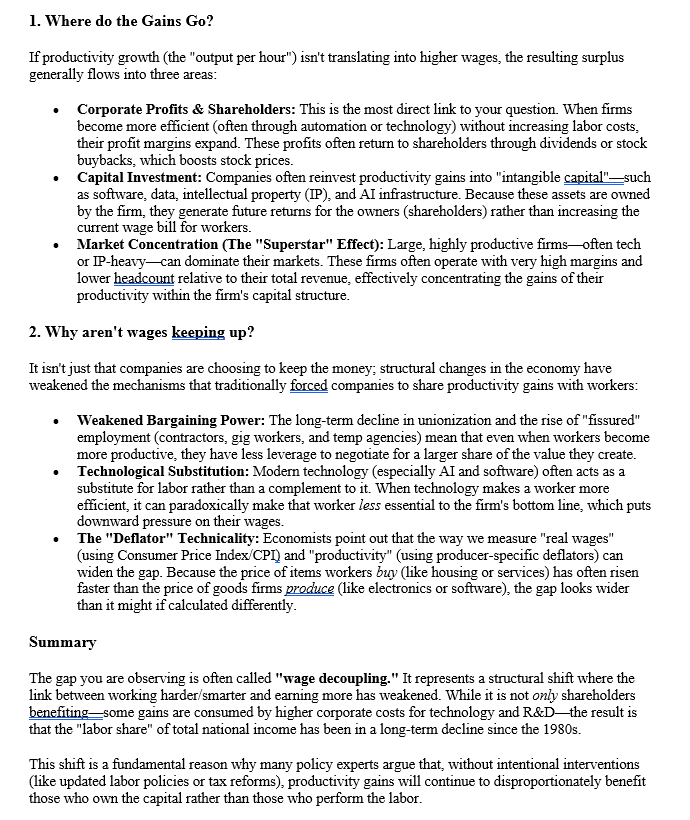
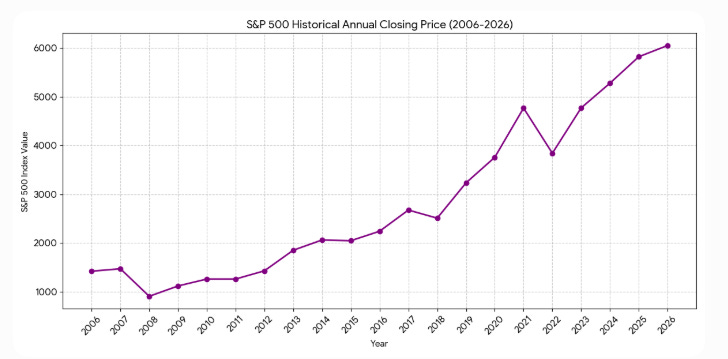
The significant portion of economic productivity gains that have not been channeled into wages appears to have been redirected towards capital investments and shareholder returns. This shift can be attributed to a strategic prioritization by corporate leadership, influenced by investor demands and a focus on maximizing shareholder value. The rise of sophisticated financial instruments, coupled with a business philosophy that increasingly views labor as a cost to be minimized rather than an investment to be nurtured, has contributed to this trend.
This narrative is supported by analyses of corporate finance and executive compensation. The increasing emphasis on capital expenditure, automation, and technological adoption, while boosting efficiency, has often come at the expense of labor investment. The consequence is a growing disparity between corporate profits and employee compensation, with a substantial portion of the value generated by businesses flowing to shareholders in the form of dividends and stock appreciation.
The Disconnect in Compensation: From CEOs to Minimum Wage
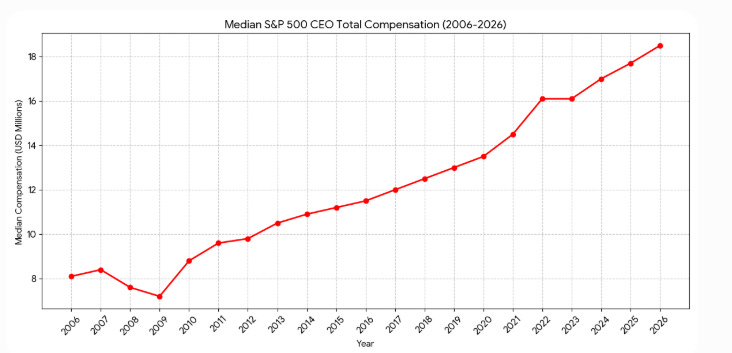
The widening gap between productivity and wages is further exacerbated by trends in executive compensation and the stagnant federal minimum wage. While average employee wages have seen minimal real growth, CEO and executive compensation has more than doubled over the same period. This stark contrast is often linked to the performance of the stock market, which has benefited from the redirection of productivity gains. A study by Equilar, for example, shows the average compensation for Chief Human Resource Officers (CHROs) reaching $3.7 million, with CEO pay typically being significantly higher. This suggests a system where top leadership and shareholders are disproportionately rewarded, while the majority of the workforce struggles to maintain their standard of living.
Adding to this economic pressure is the static federal minimum wage, which has remained largely unchanged for years. At approximately $7.50 per hour, it fails to provide a living wage in most parts of the country, further marginalizing low-income workers and exacerbating the affordability crisis. Historically, the minimum wage saw consistent increases prior to the 1980s. The policy shifts initiated in the 1980s, aimed at curbing inflation and promoting economic growth through deregulation, inadvertently led to a decoupling of the minimum wage from the cost of living and wage growth trends.
The Decline of Labor Unions and the Rise of Individualized Wealth Building
The erosion of worker bargaining power has also played a significant role. The decline in labor union participation, which has plummeted over the past few decades, has diminished the collective voice of workers in advocating for better wages and benefits. This decline can be traced back to policy decisions and a broader societal shift that often viewed unions as impediments to economic efficiency. While the focus shifted towards individualized wealth-building strategies like 401(k)s and other self-managed retirement plans, the collective power of organized labor diminished, leaving many workers with less leverage in wage negotiations.
Inflationary Expectations and the Normalization of High Costs
The current inflationary environment, while influenced by recent global events such as supply chain disruptions, geopolitical conflicts, and increased government spending, has also been shaped by decades of policies that prioritized disinflation. The sustained period of inflation exceeding 2% since 2021 has begun to embed itself into consumer expectations. The normalization of high grocery bills, rising energy costs, and escalating housing prices reflects a fundamental shift in what is considered an acceptable cost of living. This psychological shift, coupled with ongoing economic pressures such as AI-driven capital spending and supply shortages in critical sectors like semiconductors, continues to fuel price increases. The Federal Reserve Bank of New York’s data indicates that employee satisfaction with pay has reached its lowest point since 2014, underscoring the widespread impact of this affordability challenge.
The Broader Economic and Societal Implications
The cumulative effect of these trends is a society grappling with significant income inequality and a growing affordability crisis. The desperation to find avenues for financial improvement is evident in the surge of interest in speculative investments like cryptocurrencies, prediction markets, and even increased engagement with gambling. These behaviors can be interpreted as a signal of widespread economic anxiety and a search for any potential means to keep pace with rising costs. The uncertain geopolitical landscape, including trade policies and international conflicts, further contributes to economic instability, making businesses hesitant to commit to substantial wage increases.
Addressing the Affordability Gap: A Call to Action for Businesses
While external factors and policy decisions undeniably contribute to the current economic climate, businesses themselves have a critical role to play in addressing the affordability crisis. As leaders in human resources and organizational strategy, there are tangible steps that can be taken to foster a more equitable and sustainable economic environment for employees.
Rethinking Labor as an Investment, Not an Expense
A fundamental shift in perspective is required: labor should be viewed not as a mere expense to be minimized, but as a crucial investment. Investing in employees through competitive compensation and benefits yields significant returns. When organizations prioritize fair and above-average wages, they enhance their ability to attract top talent, foster greater loyalty, and reduce costly employee turnover. The cost of replacing an employee can often be two to three times their annual salary when factoring in lost knowledge, disrupted client relationships, and the expenses associated with recruitment and onboarding. By retaining skilled employees and empowering them to adapt to new roles, companies can cultivate a more dynamic and productive workforce.
Fostering Talent Density and Internal Mobility
Instead of focusing solely on headcount reduction, businesses should prioritize improving the capabilities of their existing workforce. The advent of AI, for instance, should be viewed as a tool to augment human potential, enabling "superworkers" who can achieve greater speed and scale, rather than a means to eliminate jobs. This increase in productivity can then be reinvested into higher wages and enhanced benefits. The concept of "Talent Density"—cultivating a workforce composed of highly skilled and continuously learning individuals—is paramount. This involves adopting a strategic approach that emphasizes recruiting, retaining, reskilling, and redesigning roles to foster continuous growth and engagement. This model, often referred to as the "4R model," moves away from a hire-and-fire mentality towards one of sustained enablement and growth, where increased productivity directly translates into improved compensation for all.
Investing in Internal Mobility for Company Dynamism
Creating a culture of internal mobility is another key strategy for enhancing company dynamism and freeing up capital for investment in people. High employee turnover is costly, not only in terms of recruitment and onboarding expenses but also through the loss of institutional knowledge and productivity. Companies that excel at redeploying talent internally, often through robust training and development programs, not only improve employee engagement but also build a more agile and resilient workforce. Studies, such as PwC’s 2026 CEO study, indicate that companies with higher rates of internal talent redeployment tend to be more profitable over the long term. This approach fosters a sense of career progression and encourages employees to adapt and grow within the organization.
The Employer’s Responsibility in Affordability
Ultimately, employers bear a significant responsibility in addressing the affordability crisis. While external factors such as minimum wage policies and union influence are important considerations, the decisions made by corporate leadership regarding compensation and benefits have a direct impact on the economic well-being of their employees. Companies that adopt a philosophy of paying fair, above-average wages often demonstrate superior financial performance. Costco, for example, has consistently shown that investing in its employees leads to higher customer satisfaction and profitability, with its cashiers earning a living wage that enables them to become millionaires.
The economic landscape is at a critical juncture. The historical precedent set by pioneers like Henry Ford, who understood that paying fair wages could create a robust market for his products, offers a compelling model. By re-evaluating compensation strategies and prioritizing the financial health of their workforce, businesses can not only contribute to a more equitable society but also foster sustainable growth and long-term profitability. The current economic disparities are not merely a matter of policy but a reflection of corporate choices, and a shift towards employee-centric strategies could be the catalyst for much-needed change.