Talent remains the paramount driver of business results, a fundamental truth that persists even as organizational tools and strategies undergo continuous evolution. In today’s competitive landscape, it is not merely the abundance of resources but the exceptional performance and steadfast commitment of a company’s workforce that dictate its success. This reality elevates "team health" from a peripheral HR concern to a core business imperative, demanding strategic integration and dedicated attention from leadership. The fragmented nature of current people investments, where engagement, performance, development, and other critical functions operate in silos without intercommunication, presents a significant challenge. The true opportunity lies in harmonizing these investments around a singular, unifying objective: fostering an environment where every team can genuinely thrive.
Defining the Pillars of Thriving Teams
Quantum Workplace, a leader in empowering organizations to cultivate high-performing workforces, defines a thriving team as one that consistently meets four essential conditions: being Aligned, Empowered, Growing, and Valued. These conditions are understood through the interplay of two critical dimensions: performance and connection. Performance quantifies what a team achieves, while connection measures the depth of an individual’s tie to their work, colleagues, and the overarching organizational mission.
When both performance and connection are high, teams enter a state of thriving. Conversely, a deficit in either dimension can lead to detrimental outcomes. A team that excels in performance but lacks a strong sense of connection may experience burnout due to a disconnect from purpose or colleagues. Conversely, a team with high morale and a strong sense of mission but weak accountability might see results stagnate despite positive relationships. Quantum Workplace’s research underscores that a synergistic relationship between engagement and performance is the bedrock for retaining top talent and driving sustained business success.
The organization illustrates these dynamics through a clear framework:
- Straining Teams: Characterized by high performance but low connection, these teams push employees to their limits, often leading to burnout.
- Struggling Teams: Exhibit low performance and low connection, resulting in stagnation in both results and interpersonal dynamics.
- Drifting Teams: Possess high connection but low performance, creating an environment where employees feel comfortable but lack clear direction or tangible achievements.
- Thriving Teams: Achieve a harmonious balance of high performance and high connection, enabling sustained success and robust engagement.
The Four Foundational Conditions for Team Flourishing
Decades of research into workplace dynamics and culture have revealed that four interconnected conditions are indispensable for teams to achieve a thriving state. These are not isolated elements but rather interdependent pillars that collectively foster a potent and resilient work environment.
1. Aligned: Clarity of Purpose and Direction
Aligned teams possess a profound understanding of the organization’s overarching strategy and priorities. Crucially, they can clearly articulate how their individual goals and daily tasks directly contribute to this broader strategic vision. This clarity of purpose translates into focused effort and a unified sense of direction. When teams are aligned, the ambiguity that often hinders progress is dispelled, allowing individuals to channel their energy effectively towards shared objectives. This alignment is the bedrock upon which coordinated action is built.
Signals of misalignment can manifest in various ways, including teams working on initiatives that do not clearly support organizational goals, a lack of understanding regarding how individual contributions impact larger objectives, and a general sense of confusion about priorities. This often leads to wasted effort, duplicated work, and a feeling of working in silos.
2. Empowered: Autonomy, Voice, and Trust
Empowered teams are equipped with the necessary resources, including information, training, and supportive leadership, to excel in their roles. A critical component of empowerment is the presence of managers who actively listen to and value employee feedback and innovative ideas. This sense of agency extends beyond the immediate manager-employee relationship, encompassing an environment where employees feel they have genuine avenues to voice their experiences and that their input is actively considered and acted upon by leadership. Empowerment fosters a culture of trust, where individuals are given the autonomy to make decisions while simultaneously being held accountable for their outcomes.
Indicators that a team lacks empowerment often include employees feeling unheard or that their suggestions are dismissed, a lack of necessary resources or training to perform effectively, and a perception that decisions are made without employee input. This can lead to disengagement, a reluctance to take initiative, and a feeling of powerlessness.
3. Growing: Continuous Skill Development and Future Readiness
Growing teams are committed to developing the skills necessary for current responsibilities while simultaneously preparing for future organizational needs. This growth is not a static event but an ongoing process, nurtured by managers who actively invest in their team members’ professional development. This commitment to growth ensures that the workforce remains agile, adaptable, and equipped to meet evolving industry demands.
Signs that a team is not prioritizing growth may include a lack of opportunities for skill enhancement, a perception that career progression is limited, and a failure to invest in training or development programs. This can lead to skill gaps, employee stagnation, and an inability to adapt to new technologies or market shifts.
4. Valued: Recognition, Appreciation, and Fair Compensation
Teams that feel valued experience this through tangible means such as fair compensation and meaningful recognition for their contributions. High performance is consistently celebrated, and rewards are directly linked to demonstrable results. Individuals who feel genuinely valued are demonstrably more likely to outperform and remain with the organization, whereas those who feel overlooked or undervalued are prone to seeking opportunities elsewhere. This sense of appreciation is a powerful motivator and a critical factor in employee retention.
Indicators that a team does not feel valued can include a perception of unfair compensation, a lack of recognition for significant achievements, and a disconnect between effort and reward. This can lead to decreased motivation, reduced productivity, and increased turnover as employees seek environments where their contributions are acknowledged and appreciated.
These four conditions are intrinsically linked and mutually reinforcing. Alignment provides the essential direction, empowerment cultivates a sense of ownership, growth builds crucial capabilities, and feeling valued strengthens commitment and loyalty.
The Strategic Role of HR Leaders in Cultivating Thriving Teams
The creation of thriving teams is not a serendipitous occurrence; it is the direct result of effective leadership. Human Resources leaders play a pivotal role in enabling and empowering these leaders to foster environments where their teams can flourish. Every organization fundamentally requires thriving teams to achieve optimal performance, adapt to change, and drive sustainable growth. This necessitates leaders who can instill clarity, build trust, and translate strategic insights into actionable plans.
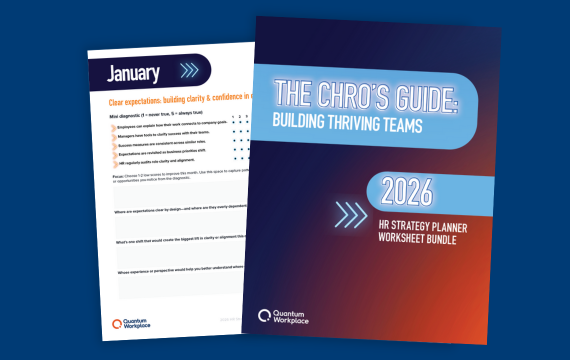
The role of HR is to facilitate this process by equipping managers with the necessary data, tools, and confidence to lead effectively. Furthermore, this responsibility often extends beyond the HR department, requiring senior leadership to actively solicit and integrate feedback from people managers, ensuring they feel invested in and understand the strategic direction before being tasked with cascading it to their teams. A manager who comprehends and believes in a strategy is far more effective in communicating its nuances and importance to their team than one who receives it secondhand.
In practical terms, the HR leader’s strategic contribution encompasses three key areas:
- Providing Data-Driven Insights: Delivering actionable data on team health and performance to managers, enabling them to identify areas for improvement and make informed decisions.
- Equipping Managers with Tools and Training: Offering resources, training programs, and technological solutions that empower managers to effectively implement strategies for alignment, empowerment, growth, and recognition.
- Fostering a Culture of Continuous Improvement: Championing initiatives that embed the principles of thriving teams into the organization’s daily operations, moving beyond one-off programs to create a sustained culture of engagement and high performance.
Building these conditions must be an ongoing endeavor, not a singular, isolated initiative. When leaders consistently connect purpose with priorities, insights with action, and feedback with meaningful conversations, thriving transitions from a temporary objective to an ingrained aspect of the team’s operational DNA.
Quantum Workplace’s Integrated Approach to Fostering Thriving Teams
Cultivating thriving teams requires not only the right conditions but also the right technological infrastructure to sustain those conditions on a daily basis. Quantum Workplace offers an integrated suite of solutions designed to embed the four essential conditions into practical workflows, transforming them from abstract concepts into tangible organizational practices.
Aligned: Enhancing Performance Management and Goal Clarity
Quantum Workplace’s suite of tools for Performance Reviews, Feedback, Goals, and 1-on-1s directly addresses the need for alignment. Their Goals module empowers teams to translate high-level strategy into concrete daily actions, moving beyond static documents to dynamic, trackable objectives. This system allows for the seamless cascading of individual, team, and company goals, ensuring employees can readily see how their work contributes to the broader organizational vision. An AI-powered Goal Assistant aids in crafting clear and measurable goals, while a live progress feed maintains visibility, keeping goals an active part of ongoing dialogue rather than a forgotten task.
1-on-1 meetings serve as crucial touchpoints for maintaining alignment. HR-approved templates guide managers through essential discussions, including goal progress reviews and development conversations. An agenda builder allows both managers and employees to collaboratively shape these discussions in advance. By enabling the direct integration of goals and feedback into 1-on-1s, managers enter each meeting with rich context, moving beyond guesswork.
Performance Reviews and Feedback processes are similarly enhanced, ensuring that less frequent, larger conversations accurately reflect ongoing performance. Built-in "boosters" seamlessly pull in goal progress and feedback throughout the year, providing a comprehensive and accurate year-end assessment. The feedback mechanism supports upward, downward, peer, and 360-degree reviews, directly tied to real goals and context. This ensures that feedback received is relevant to the priorities individuals are actively working towards.
Empowered: Amplifying Employee Voice and Action
Empowerment hinges on providing employees with authentic channels to be heard. Quantum Workplace’s approach moves beyond the limitations of a single annual survey by integrating a broader employee listening strategy. This encompasses engagement surveys, pulse surveys, and lifecycle surveys at critical junctures such as onboarding and offboarding, offering multiple opportunities for employees to share their input throughout the year.
Critically, listening is only effective when it leads to tangible action. Quantum Workplace’s Team Report & Walkthrough feature guides managers directly to key metrics and focus areas, eliminating ambiguity about how to interpret data. AI-powered discussion starters facilitate open conversations with teams, and AI-generated action ideas help overcome the common hurdle of initiating improvement plans. Action planning dashboards provide both managers and HR with clear visibility into progress, preventing plans from languishing after surveys conclude. Automated bulk nudges maintain accountability without adding an undue burden to HR’s workload.
Growing: Structuring Development and Future Planning
The concept of "growth" is transformed from an abstract notion into a structured, actionable process through Quantum Workplace’s offerings. The platform utilizes AI-powered competency mapping and a guided, four-step methodology to assist employees in building personalized development plans from the outset. The Career Vision and Career Coach tools help employees define their aspirations and suggest practical actions that can be integrated into their daily work. The Job Explorer feature provides visibility into potential future roles, making career paths feel attainable rather than obscure.
Development conversations are facilitated to understand individual career aspirations, while performance data highlights organizational development priorities—identifying individuals who require investment, those in optimal roles, and those who may need coaching. Talent Reviews consolidate this data into a comprehensive 9-box view, allowing leaders to assess performance and potential across the entire organization, mitigating the reliance on anecdotal evidence. These reviews support ongoing commentary and insights, and successor nominations can be seamlessly captured and integrated into succession plans.
Succession Planning tools enable organizations to build a pipeline of ready successors for critical roles. Multiple plans can be created and assigned to appropriate leaders, with scoped access ensuring functional owners manage their respective areas. By linking succession plans to performance data, talent reviews, development goals, and 1-on-1 conversations, organizations can proactively identify and address successor skill gaps, preventing reactive scrambling when key positions become vacant.
Valued: Fostering Recognition and Meaningful Connection
The feeling of being valued is cultivated through frequent, specific recognition, extending beyond infrequent annual awards. Quantum Workplace’s Recognition & Rewards system allows any employee to celebrate a colleague’s contributions directly within platforms like Slack or Microsoft Teams. An AI writing assistant helps craft thoughtful and specific acknowledgments swiftly. Automated milestone celebrations, such as birthdays and work anniversaries, are triggered by HRIS data, ensuring no occasion is missed. A global rewards catalog offers employees desirable options for redeeming points.
Feedback and 1-on-1s provide the substance that complements recognition, ensuring it is grounded in genuine appreciation and constructive dialogue. Feedback tools support a comprehensive range of input, with an AI writing assistant aiding in the delivery of constructive and specific comments. The integration of feedback directly into 1-on-1 conversations ensures that recognition and coaching are addressed within a cohesive framework, rather than as separate, disconnected processes.
Collectively, these integrated tools empower leaders to transition the pursuit of thriving teams from a strategic framework to an ingrained daily habit, fostering an environment where sustained success and employee well-being are intrinsically linked.