While global headlines are dominated by the geopolitical tremors emanating from conflicts in regions such as Ukraine, Gaza, and Iran, and the broader specter of international instability, a crucial narrative often remains underexposed: the pervasive, daily impact these events exert on America’s vast and diverse workforce. Dr. Amy Dufrane, CEO of HRCI and international secretariat for Global HR standards through ISO, the International Organization for Standardization, highlights this critical oversight, underscoring how an environment of overwhelmingly connected crises—economic uncertainty, cyber threats, public health emergencies, and climate events—is fundamentally reshaping the modern workplace. The implications are far-reaching, affecting employees, managers, and corporations with a complexity that demands a strategic, rather than reactive, approach.
The Multifaceted Crisis Landscape: A New Normal
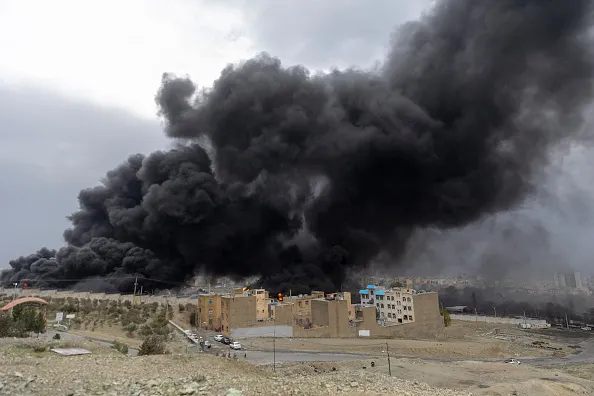
The current global environment is characterized by a confluence of disruptive forces, creating an unprecedented level of uncertainty. Geopolitical conflicts, while geographically distant for many American workers, trigger ripple effects that permeate domestic life and business operations. The war in Ukraine, for instance, has not only caused immense human suffering but has also disrupted global supply chains, particularly in energy and agriculture, contributing to inflationary pressures worldwide. The conflict in Gaza, similarly, adds to regional instability and humanitarian crises, fostering anxiety among communities with ties to the Middle East. Tensions involving Iran exacerbate concerns about global oil markets and maritime security. These conflicts are not isolated incidents but interconnected elements of a broader landscape of global instability that fuels anxiety and directly impacts economic stability.
Beyond geopolitical flashpoints, the world grapples with systemic economic uncertainty. Inflationary pressures, rising interest rates, and the specter of recession have squeezed household budgets, eroding purchasing power and increasing financial stress for millions of Americans. Cyber threats represent another persistent and evolving danger, with ransomware attacks and data breaches increasingly targeting businesses of all sizes, compromising sensitive information, disrupting operations, and demanding significant resources for mitigation and recovery. The lingering shadows of public health emergencies, exemplified by the COVID-19 pandemic, have fundamentally altered perceptions of workplace safety and flexibility, prompting ongoing debates about remote work, vaccination policies, and employee well-being. Finally, the escalating frequency and intensity of climate events—from devastating wildfires and floods to extreme heatwaves—pose direct threats to infrastructure, supply chains, and employee safety, often forcing displacement and business interruptions. Together, these crises form a complex web, demanding a holistic and integrated response from organizations.
Direct and Indirect Impacts on the American Workforce
The impacts of this turbulent environment on individual employees are profound and varied, extending far beyond the immediate headlines. For those with direct connections to conflict zones—through military obligations, family members abroad, caregiving responsibilities for displaced relatives, or immigration concerns—the effects can be devastating. These individuals often experience heightened levels of stress, grief, and fear for their loved ones’ safety. Researchers studying these impacts, as noted in an NIH report earlier this year, emphasize that "Armed conflict leaves psychological scars far beyond borders," manifesting as depression, anxiety, trauma-related symptoms, and even post-traumatic stress disorder (PTSD). The mental health burden is immense, requiring sustained and sensitive support.
However, the impact is not limited to those with direct personal ties. The pervasive sense of global instability and economic precarity affects virtually every worker, albeit in less direct ways. Increased stress from constant news cycles, the burden of higher gas prices and general cost of living increases due to supply chain disruptions and inflation, or the generalized anxiety stemming from an uncertain future, all contribute to a decline in overall well-being. A 2025 Workforce Mental Health Report by Modern Health starkly illustrates this, revealing that 75% of employees experience a low mood in some way, with politics, current affairs, and global political turmoil identified as primary drivers. Alarmingly, current events now surpass crime and personal finances on the list of negative influences impacting employee mental health, signifying a significant shift in the sources of workplace stress. This data underscores a critical challenge for employers: the external world is now a dominant factor in internal employee well-being and productivity.
The psychological toll extends to a sense of exhaustion and detachment. Constant exposure to distressing news, coupled with the pressure to remain productive in a volatile economic climate, can lead to burnout and cynicism. Employees may feel a diminished sense of control over their lives and futures, contributing to feelings of helplessness and despair. Moreover, the pervasive nature of these crises means that mental health challenges are no longer confined to specific demographics or roles but are becoming a widespread concern across the entire workforce, from entry-level positions to senior leadership.
The Organizational Imperative: Moving Beyond Reactive Measures
The current landscape of interconnected crises has exposed significant gaps in corporate policy and operational strategy. Far too many companies continue to treat these complex challenges as isolated, "one-off" events, adopting a reactive posture that traps them in a perpetual cycle of emergency response. This approach is no longer sustainable. As Dr. Dufrane rightly posits, in 2026, the question is not whether another incident will occur, but rather, "Do we have the right systems and processes to respond?" This signals a crucial shift from crisis management to crisis preparedness as a permanent, "always-on" component of workforce strategy.
Ignoring these disruptions or addressing them with short-term, superficial solutions carries substantial risks for organizations of all sizes, including small and mid-sized companies (SMBs). Employees experience the same disruptions regardless of their employer’s size or sector. A lack of comprehensive preparedness can lead to reduced morale, declining productivity, and increased employee turnover—all costly outcomes for any business. The consequences extend beyond individual employee well-being to core operational functions. Workforce availability can be compromised by travel restrictions, illness, or caregiving demands. Project timelines can be derailed by supply chain interruptions or geopolitical shifts. Succession planning becomes more complex in an unstable environment, and even product delivery and customer service can be severely impacted by external events.
For instance, a sudden cyberattack can halt production, damage customer trust, and incur massive financial penalties. A severe climate event can disrupt physical infrastructure, preventing employees from reaching work or requiring costly relocations. Economic downturns can necessitate difficult decisions regarding staffing, impacting morale and retention. Organizations that lack a proactive, integrated strategy for these contingencies risk not only financial losses but also significant damage to their brand reputation and long-term viability. The lesson from recent years is clear: resilience is not a static state but an ongoing process of adaptation and foresight.
Strategic Human Resources: Leading the Response and Fostering Resilience
In this environment, the Human Resources function emerges as a critical leader in building organizational resilience. HR is uniquely positioned to bridge the gap between global events and their impact on the human capital of an organization. The journey begins with a fundamental re-evaluation of workforce vulnerabilities through cross-functional collaboration. This means bringing together leaders from HR, operations, legal, IT, finance, and communications to collectively assess potential risks and outline a comprehensive response strategy. This proactive planning should define how the company will make critical decisions, protect business operations, implement workforce adjustments (e.g., remote work, flexible hours, emergency leave), communicate necessary information clearly and consistently, and, crucially, care for its employees. By involving HR leaders in this foundational planning, organizations ensure that employee well-being and legal compliance are central to every crisis response framework, significantly improving the ability to respond effectively in real-time.
A cornerstone of effective crisis preparedness is transparent and empathetic communication. During times of uncertainty, a communication vacuum can quickly be filled by misinformation, rumors, and anxiety. Clear, consistent, and timely communication from leadership, including insights into decision-making processes, is paramount to reinforcing trust and confidence among employees. This involves establishing clear channels for employees to raise concerns, ask questions, and discuss how global events may be affecting them. Creating opportunities for respectful conversations allows business leaders to foster constructive dialogue, reinforce inclusion, and often prevent tensions from escalating. This approach recognizes that employees are not merely cogs in a machine but individuals grappling with real-world anxieties, and their concerns must be acknowledged and addressed.
Empowering front-line managers is another critical element. Managers are often the first point of contact for employees and are best positioned to recognize signs of distress among their direct reports. Comprehensive training for managers on mental health first aid, active listening, and conflict de-escalation can equip them with the skills to identify employees struggling with stress, anxiety, or trauma. This training should also emphasize the importance of psychological safety—an environment where employees feel comfortable speaking honestly about their concerns without fear of negative repercussions. According to a 2024 American Psychological Association report, employees who feel psychological safety are less likely to experience tension, stress, or emotional exhaustion, and are less likely to believe that work negatively impacts their mental health. Managers trained in these areas become vital conduits for support, connecting employees to available resources and fostering a more empathetic workplace culture.
Providing and facilitating access to robust employee assistance programs (EAPs) is also essential. EAPs offer confidential counseling, referral services, and resources for a wide range of personal and work-related issues, including mental health challenges, financial stress, and legal concerns. A 2025 study that examined over 166,000 employees utilizing EAP services yielded compelling results: 79% recovered from anxiety or depression, and 61% saw improvements in workplace productivity problems. These statistics underscore the tangible benefits of well-utilized EAPs, not only for individual employee well-being but also for organizational productivity and retention. However, merely offering an EAP is insufficient; organizations must actively promote these services, destigmatize their use, and ensure easy, confidential access.
Finally, cultivating a culture of resilience requires a commitment to proactive well-being initiatives, fostering flexibility, and building robust support systems. This might include offering mental health days, promoting work-life balance, providing financial literacy resources, or developing peer support networks. Flexibility, particularly in terms of work arrangements, has proven to be a crucial factor in employee satisfaction and retention, especially during unpredictable times.
Data-Driven Insights and Expert Perspectives
Further data reinforces the urgent need for these strategic HR interventions. A 2023 Gallup study revealed that employee engagement levels remain stagnant, with a significant portion of the workforce feeling detached and struggling with burnout. The study pointed to leadership communication and well-being support as key drivers for improving engagement. Similarly, research from Deloitte consistently highlights the link between employee well-being and organizational performance, demonstrating that companies with strong well-being programs experience lower absenteeism, higher productivity, and improved talent retention.
Leading organizational psychologists and HR thought leaders emphasize that in a perpetually turbulent world, an employer’s response during difficult moments is a critical determinant of long-term trust, engagement, and retention. "Employees are no longer just looking for a paycheck; they are evaluating whether their employers can provide stability, flexibility, and credible leadership during uncertain times," notes one prominent HR consultant (inferred statement based on industry trends). This implies that a company’s ethical stance and its commitment to its people during crises become powerful factors in its employer brand and its ability to attract and retain top talent. Organizations that demonstrate genuine care and effective support during global upheavals are more likely to foster loyalty and commitment, creating a resilient workforce prepared to navigate future challenges.
The Path Forward: Building Enduring Organizational Resilience
While we cannot alter the pace or nature of world events, we possess full control over our organizational response. The days when crisis plans were static documents, filed away in binders, are long gone. Preparedness must evolve into an "always-on" capability, characterized by continuous evaluation, adaptation, and integration across all organizational functions. This requires multi-disciplinary teams working in concert to assess emerging risks, update policies, and refine operational plans.
The best-prepared businesses will be those that prioritize continuous learning and adaptation. This involves regularly reviewing and updating policies related to remote work, emergency leave, travel, and communication protocols. It also means strengthening employee trust through transparent leadership and consistent support for health and well-being. Investing in mental health resources, promoting psychological safety, and fostering an inclusive environment where diverse perspectives are valued are not merely "nice-to-haves" but fundamental pillars of organizational resilience.
Ultimately, the future success of businesses in a turbulent world hinges on their ability to create an adaptable, supportive, and human-centric workplace. By making crisis preparedness a permanent component of their workforce strategy, organizations can protect their most important asset—their employees—and minimize disruption, ensuring not only survival but also sustained growth and relevance in an ever-changing global landscape. This strategic foresight transforms challenges into opportunities for strengthening organizational culture, enhancing trust, and building a truly resilient enterprise capable of weathering any storm.