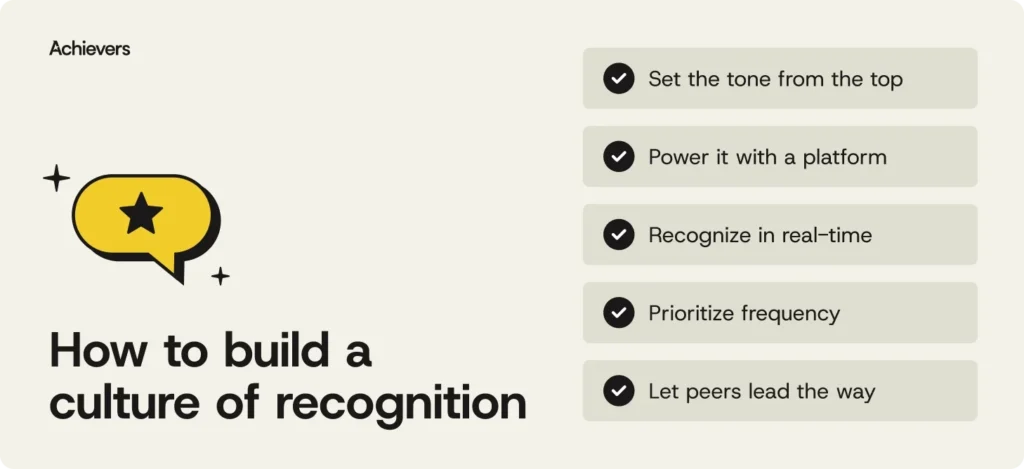
The fundamental human need for appreciation within the workplace is experiencing a significant and alarming decline, as evidenced by recent data. A year-over-year analysis from the State of Recognition Report indicates a 10% drop in weekly recognition instances and a concerning slide in manager-led appreciation, falling from 20% to a mere 15%. While these figures might appear numerically modest on paper, their impact within the professional sphere is profound, creating a chasm between employees who feel valued and those who question the very relevance of their contributions. This growing "recognition gap" poses a substantial risk to organizational culture, demanding a deeper examination of its origins, successful mitigation strategies, and actionable steps for HR leaders aiming to foster a robust culture of appreciation.
Understanding the Recognition Gap and Its Cultural Impact
The disparity between the frequency of employee appreciation and the actual perception of feeling valued is wider than many organizational leaders may realize. Data from the Engagement and Retention Report further underscores this disconnect, revealing that a staggering three-quarters of employees do not feel genuinely appreciated during designated periods like Employee Appreciation Day or Week – moments that should, by their very nature, represent guaranteed successes in reinforcing positive sentiment.
The critical importance of recognition lies in its power as a clear behavioral signal. When employees receive acknowledgment for their efforts, an overwhelming 85% are motivated to repeat the recognized action. Conversely, the absence of timely and meaningful recognition leads to a rapid erosion of this alignment, initiating a detrimental shift in organizational culture. This decline can manifest in various forms, including decreased morale, reduced productivity, and an increased propensity for employees to seek opportunities elsewhere. The ripple effects of a neglected recognition culture can impact everything from team cohesion to overall business performance.
A Global Organization’s Success in Bridging the Recognition Gap
Leading organizations are actively re-evaluating and transforming their approach to recognition, with The Campbell’s Company emerging as a compelling case study in successful cultural revitalization. Following a period of significant internal change, including the appointment of a new CEO with a clear mandate for cultural enhancement, it became evident that their existing recognition programs were falling short of their intended impact. While the foundational elements for a strong culture were present, a critical "pinch of something extra" was required to elevate employee experience.
Campbell’s faced several key challenges in their previous recognition efforts:
- Inconsistent Application: Recognition was often sporadic and dependent on individual manager discretion, leading to inequities across teams and departments.
- Lack of Visibility: Appreciation efforts were frequently internal and lacked a broader platform, meaning employees often didn’t see or celebrate the successes of their colleagues.
- Limited Integration: The existing recognition processes were not seamlessly woven into the daily workflow, making participation feel like an additional, burdensome task rather than a natural part of the work environment.
- Perceived Lack of Impact: Employees did not consistently feel that their contributions were being meaningfully acknowledged, leading to a disconnect between effort and reward.
To address these issues and close the recognition gap, Campbell’s strategically partnered with Achievers, a leading employee recognition platform. The objective was to make recognition efforts easy to implement, highly visible across the organization, and deeply integrated into the daily fabric of work. This transformation involved establishing a network of dedicated onsite champions to promote the program, rolling out engaging and memorable communication campaigns, and leveraging the platform to foster a continuous stream of appreciation, extending beyond designated appreciation weeks.
The immediate impact of this initiative was remarkable. Within the first month of implementation, over 6,000 recognitions were sent, demonstrating immediate adoption and enthusiasm. More importantly, recognition evolved from a supplementary activity to a fundamental component of how Campbell’s demonstrated its commitment to its workforce. This consistent and pervasive approach to appreciation proved to be "souper" effective, as the company itself might playfully note, showcasing the transformative power of strategic investment in employee culture.
The success of The Campbell’s Company exemplifies what can be achieved when organizations move beyond superficial gestures and invest holistically in their people and their cultural development. Their journey highlights that while the desire for recognition is universal, the mechanisms for delivering it must be thoughtfully designed and effectively executed.

Eleven Practical Strategies for Cultivating a Culture of Recognition
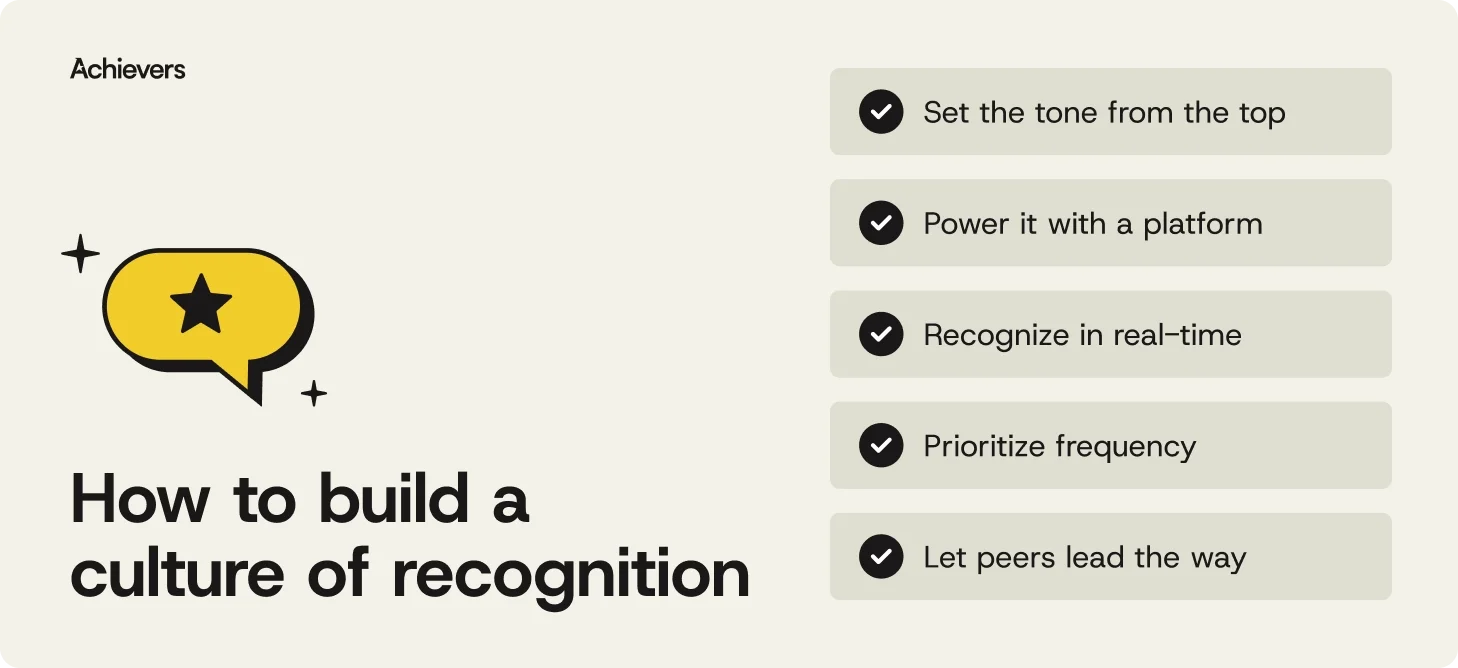
Building a truly impactful culture of recognition requires more than just good intentions; it necessitates deliberate strategy and robust systems to support sustained engagement. When appreciation becomes an intrinsic element of daily operations, rather than an occasional talking point, profound shifts occur. Employees feel genuinely seen, desired behaviors are consistently reinforced, and team collaboration flourishes. The following strategies offer a roadmap for establishing a recognition culture that endures, is accessible, aligns with core organizational values, and is designed for long-term success.
1. Setting the Tone from the Top
The efficacy and scalability of any recognition program are directly contingent on leadership buy-in and active participation. Employees consistently look to their leaders to model desired behaviors and cultural norms. If appreciation is not a regular part of executive and managerial discourse, its adoption at lower organizational levels will invariably be limited. When senior leaders and managers consistently integrate appreciation into their daily routines, it sends an unequivocal message: recognition is a priority here, and active participation is expected from everyone. This top-down endorsement creates a powerful ripple effect, normalizing appreciation as a core organizational value.
2. Empowering with a Dedicated Platform
Recognition cannot be left to spontaneous occurrences or ad-hoc efforts. Without a structured system, it risks becoming inconsistent, invisible, and easily forgotten. A dedicated recognition platform provides employees with the essential tools to express appreciation in real-time, transcending geographical boundaries, departmental silos, and existing communication channels. Organizations should seek platforms that seamlessly integrate into established workflows and support global, flexible, and points-based reward systems that offer genuine choice to employees. High platform adoption rates that remain consistent post-launch are a strong indicator of a successful implementation.
3. Prioritizing Real-Time Recognition
The impact and power of recognition diminish significantly with delay. Similarly, vague acknowledgments lose their effectiveness. A simple "Nice work" offers little specific feedback to employees. Instead, it is crucial to articulate the precise behavior that warrants recognition and clearly explain its positive impact. Recognition that is both specific and timely not only boosts morale but also provides employees with a clear understanding of what actions are valued and reinforces the underlying principles and values that guide the organization. This precision ensures that appreciation is not just a feel-good gesture but a valuable feedback mechanism.
4. Emphasizing Frequency Over Infrequency
A pervasive issue in many workplaces is the insufficient frequency of employee recognition. This deficit is keenly felt by employees, contributing to disengagement. Data from the Achievers Workforce Institute consistently highlights this trend, revealing that a remarkable 91% of employees who receive meaningful recognition at least monthly report being highly engaged. This statistic underscores the direct correlation between the regularity of appreciation and employee engagement levels. The more frequently recognition is dispensed, the more effectively it reinforces desired behaviors and fosters a consistently positive work environment.
5. Empowering Peer-to-Peer Recognition
Managers, by necessity, cannot observe every contribution or interaction within an organization. However, peers, who are often immersed in the daily operations and collaborative efforts of their teams, possess a unique vantage point. Peer-to-peer recognition fosters a strong sense of trust and connection across teams, particularly in hybrid or remote work environments where organic interactions may be less frequent. Providing employees with accessible and visible channels to appreciate each other’s efforts is paramount. The most effective platforms seamlessly integrate into common collaboration tools such as Slack, Microsoft Teams, and Outlook, making peer appreciation readily available with a simple click.
6. Personalizing the Recognition Experience
Recognition is not a monolithic concept, and neither are the preferences for rewards. Some individuals thrive on public acknowledgment and the spotlight, while others may prefer a more private and personal expression of appreciation. Similarly, reward preferences vary widely; one employee might opt for a small daily treat like a coffee, while another might prefer to accumulate points for a more significant purchase, such as noise-canceling headphones. A flexible, points-based system empowers employees to select rewards that hold personal meaning for them, thereby increasing the impact and memorability of the recognition received. This personalization ensures that appreciation feels authentic and relevant to each individual.
7. Connecting Recognition to Core Values and Objectives
Recognition should not exist in a vacuum, detached from the broader organizational context. By strategically linking appreciation to specific company values, team objectives, or key performance indicators, it transcends a simple pat on the back and becomes a powerful tool for aligning the entire workforce. This connection enables employees to clearly understand how their individual efforts contribute to larger organizational goals, while providing leaders with a tangible method for reinforcing what truly matters. The more effectively recognition is tied to strategic imperatives, the greater its capacity to fuel the desired organizational culture.
8. Embedding Inclusion in Program Design
A truly effective recognition program must ensure that appreciation reaches every corner of the organization, avoiding any tendency to favor the most vocal or visible employees. To cultivate a pervasive sense of belonging, it is imperative that appreciation is extended across all functions, geographical locations, and diverse lived experiences. Celebrating the myriad ways employees contribute to organizational success, rather than solely focusing on the most prominent achievements, is crucial. Inclusive recognition builds trust and ensures that all employees feel seen, valued, and an integral part of the team.
9. Maintaining Visibility and Reinforcement
The adage "out of sight, out of mind" holds significant relevance for recognition programs. Appreciation must be consistently reinforced through various communication channels and touchpoints. This includes regular mentions in team meetings, one-on-one discussions, onboarding processes for new hires, and performance review conversations. Simply stating that recognition is important is insufficient; it must be actively demonstrated and integrated into the organizational dialogue. This consistent repetition transforms recognition from a singular leadership initiative into a shared, ingrained habit that permeates the entire organizational culture.
10. Integrating Recognition into Daily Workflows
The likelihood of employees engaging in recognition activities diminishes if they are required to navigate away from their primary work environments to do so. The most successful recognition programs are those that are seamlessly integrated into the collaborative tools that employees use daily, such as Slack, Microsoft Teams, Outlook, and HR platforms like Workday. When recognition becomes an effortless and natural extension of everyday work processes, it becomes frictionless, intuitive, and far more consistently applied across all roles and regions, ensuring widespread adoption and impact.
11. Fostering a Cycle of Continuous Improvement
Effective recognition cultures are not static; they are dynamic and require ongoing evaluation and adaptation. The principle of "you can’t improve what you don’t measure" is central to this process. Utilizing feedback mechanisms, such as employee surveys and pulse checks, is essential for identifying what aspects of the recognition program are working well and where improvements are needed. Supplementing this qualitative data with quantitative platform analytics—including recognition frequency, activation rates, and reward redemption patterns—provides a comprehensive understanding of program effectiveness. A commitment to ongoing listening, learning, and adapting ensures that the recognition strategy remains relevant and impactful over time.
The Profound Importance of a Culture of Recognition
A robust culture of recognition stands as one of the most practical and impactful strategies an organization can implement to maintain high levels of employee engagement, foster team alignment, and crucially, retain top talent. When employees experience genuine appreciation, the positive effects extend far beyond individual morale; they translate into tangible improvements in performance and productivity. Recognition creates momentum, serving as a powerful affirmation that employees’ contributions are meaningful and providing a compelling incentive to sustain their efforts. Over time, this consistent reinforcement fundamentally reshapes the operational dynamics and overall success of an organization.
A culture built on recognition cultivates an environment where:
- Employee Engagement Soars: Individuals feel valued, respected, and motivated to contribute their best work.
- Team Cohesion Strengthens: Appreciation fosters a sense of camaraderie and mutual support among colleagues.
- Productivity Increases: Recognized employees are more likely to be high performers, driving overall organizational output.
- Retention Improves: Acknowledged employees are less likely to seek opportunities elsewhere, reducing turnover costs.
- Innovation Flourishes: When employees feel safe and supported, they are more inclined to take risks and propose new ideas.
- Organizational Values are Reinforced: Recognition tied to company values helps embed these principles into daily behavior.
Leading cultures of recognition generate more than just positive employee experiences; they provide invaluable insights into employee behaviors, the alignment of individual actions with organizational values, and overall workforce performance. Understanding the future trajectory of employee recognition and how leading organizations are leveraging it as a strategic driver of workforce performance is essential for sustained success.
Making Recognition a Cornerstone of Organizational Culture
Establishing a thriving culture of recognition, and effectively closing the recognition gap, transcends superficial gestures like occasional company-wide events. It is an ongoing commitment to consistently communicating to employees how much their work and their contributions as individuals are valued. Achievers offers a comprehensive solution to facilitate this, enabling real-time appreciation from any device, at any moment. Whether it’s a spontaneous peer-to-peer shoutout or deliberate manager-led praise, recognition becomes effortless, visible, and scalable throughout the entire year. The platform’s extensive global rewards marketplace, featuring over 2,500 brands and millions of items with no markup, ensures that every moment of appreciation carries genuine and lasting meaning, extending far beyond major celebratory occasions.
Furthermore, by integrating the Achievers Voice of Employee solution, organizations gain the essential tools to actively listen to feedback, respond swiftly to employee input, and ensure that their culture continuously evolves in tandem with their workforce, rather than in opposition to it. For organizations ready to emulate the successful model of The Campbell’s Company and cultivate a deeply embedded culture of recognition, Achievers provides the comprehensive support and technology to make this transformation a reality.