The foundation of a thriving workplace culture is increasingly dependent on a robust system of employee recognition, yet new data indicates a significant and rapid decline in appreciation. A recent analysis from the State of Recognition Report reveals a disturbing trend: weekly recognition has plummeted by 10% in the past year, while recognition from managers has fallen from 20% to a mere 15%. This slide, though seemingly small on paper, represents a critical disconnect, potentially leaving employees questioning the value and impact of their contributions. The widening "recognition gap" poses a substantial risk to organizational health, demanding immediate attention and strategic intervention.
Understanding the Recognition Gap and Its Cultural Impact
The recognition gap refers to the disparity between the level of appreciation employees feel they receive and the level of recognition they actually need to feel valued. This deficit is more pervasive than many organizational leaders may realize. The latest Engagement and Retention Report underscores this concern, highlighting that a staggering three-quarters of employees do not feel adequately appreciated, even during dedicated moments like Employee Appreciation Day or Week. These are intended as opportunities for guaranteed positive reinforcement, yet their impact is demonstrably diminished.
The implications of this shortfall are profound. Recognition serves as a powerful behavioral signal within an organization. When employees are acknowledged for their efforts, research consistently shows an 85% likelihood of repeating that positive behavior. Conversely, when recognition is absent or inconsistent, this alignment between action and acknowledgment disintegrates rapidly, pushing organizational culture in an undesirable direction. This erosion of appreciation can lead to decreased morale, reduced productivity, and a heightened risk of employee turnover.
The Root Causes of Declining Recognition
Several factors contribute to the widening recognition gap. In many organizations, the demands of daily operations often overshadow the deliberate practice of appreciation. Managers, under pressure to meet performance metrics, may overlook opportunities to acknowledge the smaller, yet crucial, contributions of their team members. Furthermore, traditional recognition programs, if they exist, can sometimes feel outdated, generic, or disconnected from individual achievements, leading to a perception of inauthenticity.
The shift towards remote and hybrid work models has also introduced new challenges. The organic, informal moments of recognition that naturally occur in a co-located environment can be harder to replicate virtually. This necessitates a more intentional and structured approach to ensuring that appreciation remains a visible and consistent element of the employee experience, regardless of physical proximity.
Campbell’s: A Case Study in Closing the Recognition Gap
Leading organizations are actively re-evaluating and transforming their recognition strategies to combat this trend. The Campbell’s Company stands out as a compelling example of how a global organization can successfully bridge the recognition gap. Following a period of significant cultural evolution and the introduction of a new CEO with a clear mandate for change, it became evident that their existing recognition programs were not meeting the needs of their workforce. While the foundational elements for a strong culture were present, a crucial missing ingredient was a more dynamic and pervasive system of appreciation.
Campbell’s faced several key challenges:
- Inconsistent Recognition Practices: There was a lack of uniformity in how and when employees were recognized across different departments and locations.
- Limited Visibility of Appreciation: Positive contributions often went unnoticed by broader leadership, diminishing their impact and inspirational value.
- Disconnect from Daily Work: Recognition felt like an add-on, rather than an integrated aspect of the employee experience.
- Underutilization of Existing Programs: The tools and processes in place were not being leveraged effectively to foster a culture of appreciation.
To address these issues, Campbell’s collaborated with Achievers, a recognized leader in employee recognition and engagement solutions. The partnership focused on making recognition more accessible, visible, and seamlessly integrated into the daily workflow. This involved establishing a network of onsite champions to promote recognition initiatives, launching engaging and memorable communication campaigns, and leveraging their platform to encourage appreciation not only during specific events but throughout the year.

The impact of this strategic overhaul was immediate. Within the first month of implementation, over 6,000 recognitions were sent. More significantly, recognition evolved from an occasional event to a fundamental aspect of how Campbell’s demonstrates its commitment to its employees. This consistent application of appreciation proved to be a remarkably powerful catalyst for cultural transformation. Campbell’s story exemplifies the transformative potential that arises when organizations move beyond superficial gestures and invest meaningfully in their people and their cultural ecosystem.
Eleven Practical Strategies for Cultivating a Culture of Appreciation
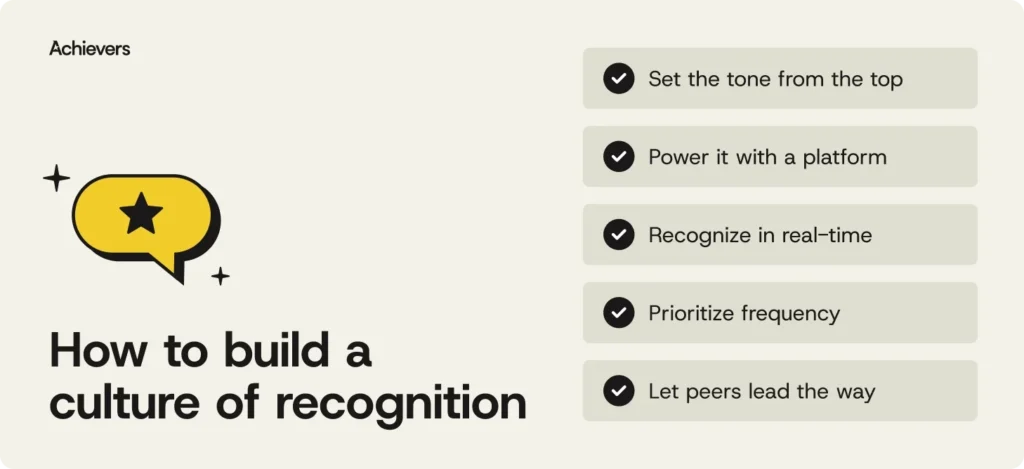
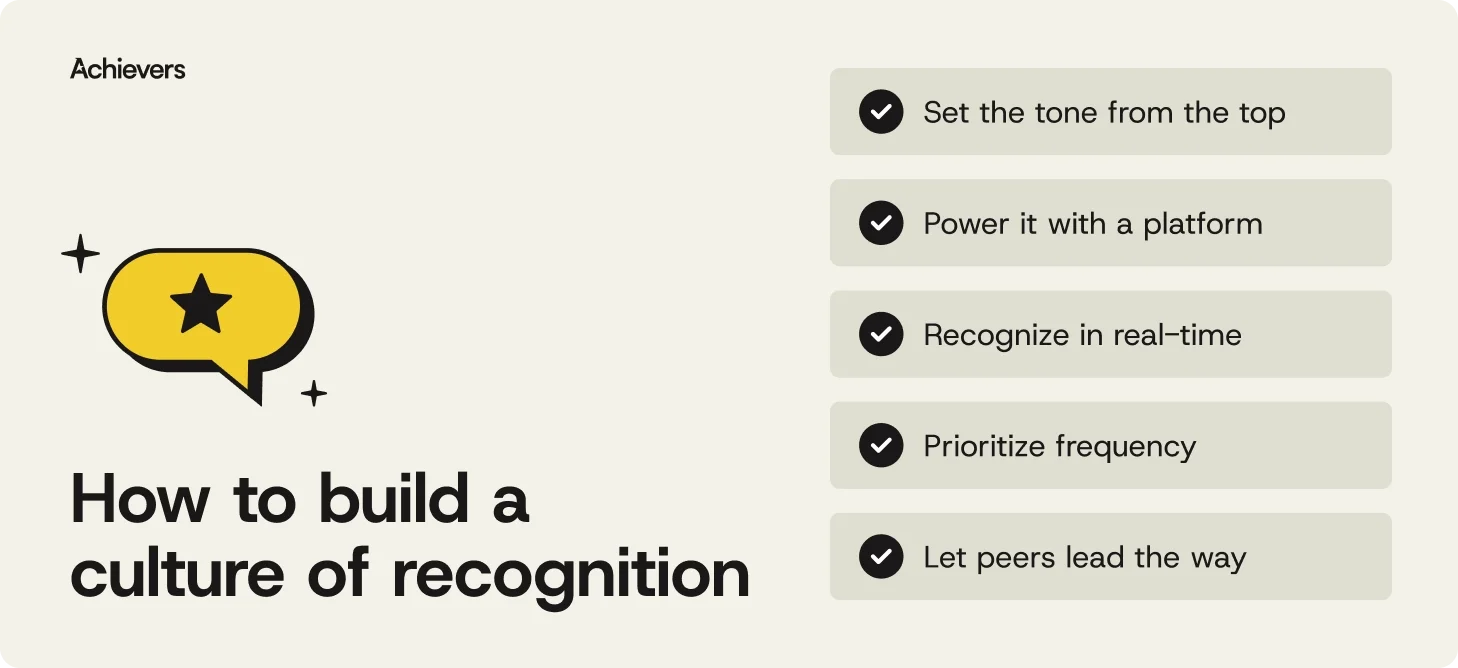
Inspired by the success of organizations like Campbell’s, HR leaders can implement a series of actionable strategies to build a robust culture of recognition:
1. Elevate Recognition to Every Leadership Level
Making recognition visible across all tiers of leadership is crucial for establishing appreciation as a normalized behavior. Employees keenly observe the actions of their leaders, and consistent recognition from executives and managers signals that appreciation is an integral component of the workplace culture. This visible commitment reinforces desired behaviors and demonstrates that contributions at all levels are valued.
2. Leverage Technology to Empower Recognition
The right technological infrastructure is essential for facilitating, tracking, and scaling recognition efforts. Without appropriate tools, appreciation can become sporadic and difficult to monitor. A dedicated recognition platform provides employees with an intuitive way to acknowledge colleagues across diverse teams, geographical locations, and work schedules. Key features to consider include seamless integration with existing HRIS and HCM systems, support for meaningful rewards, and real-time analytics on participation and engagement trends.
3. Ensure Timely and Specific Recognition
Delivering recognition as close to the moment of achievement as possible significantly amplifies its impact and reinforces the desired behavior. Vague acknowledgments like "good job" are less effective than specific feedback that details what the employee did and why it made a difference. Clear, contextualized recognition helps employees understand their direct contribution to team and business objectives, fostering a stronger sense of purpose.
4. Foster a Habit of Frequent Appreciation
Transforming recognition into a regular habit is paramount for sustained employee engagement and the consistent reinforcement of positive behaviors. Research from the Achievers Workforce Institute indicates that 91% of employees who receive meaningful recognition at least monthly report high levels of engagement. Consistency is key; recognition yields its greatest benefits when it is an ongoing practice, not an isolated event.
5. Enable Peer-to-Peer Recognition
Empowering employees to recognize each other highlights valuable contributions that might otherwise be overlooked by management. Colleagues often witness acts of collaboration, problem-solving, and extra effort that managers may not observe directly. Peer recognition software is particularly valuable in remote and hybrid environments, where informal in-person acknowledgments can be more challenging to deliver.
6. Offer Choice in Recognition and Rewards
Allowing employees a degree of choice in how they are recognized and rewarded makes the experience more meaningful and personally relevant. Some individuals may prefer public acknowledgment, while others value private appreciation. Similarly, flexible, points-based reward systems enable employees to select rewards that align with their individual preferences, thereby increasing the perceived value of the recognition received.
7. Align Recognition with Business Objectives
Connecting recognition to overarching business priorities helps employees understand the direct impact of their work. Linking acknowledgments to company values, team objectives, or strategic goals provides clarity on how individual efforts contribute to broader organizational success. This strategic alignment ensures that recognition actively reinforces what matters most to the business and fuels the desired organizational culture.
8. Integrate Inclusion into Recognition Strategies
An inclusive recognition strategy ensures that every employee feels seen and valued. Recognition programs should be accessible to all individuals, irrespective of their role, location, tenure, or work style. Programs that disproportionately recognize only the most visible employees risk unintentionally excluding others who also contribute significant value. Embedding inclusivity into the recognition strategy promotes equitable acknowledgment and fosters a more connected and psychologically safe workplace.
9. Reinforce Recognition Across the Employee Journey
Consistent reinforcement of recognition across all touchpoints of the employee experience increases the frequency and visibility of acknowledgments. HR and people leaders should integrate recognition into team meetings, one-on-one conversations, onboarding processes, and performance reviews. The more employees encounter recognition, the more it becomes ingrained in daily behavior and the overall company culture.
10. Embed Recognition within Existing Workflows
Integrating recognition into the natural flow of work simplifies the process for employees and encourages consistent participation. If recognition requires additional steps or separate logins, engagement often declines. Embedding recognition functionalities within tools employees already use daily, such as Slack, Microsoft Teams, Outlook, and Workday, removes friction and facilitates immediate, in-the-moment appreciation.
11. Implement a Cycle of Measurement, Refinement, and Improvement
A continuous process of measuring, refining, and improving the recognition strategy ensures its ongoing relevance and effectiveness in meeting both employee and business needs. Recognition programs should evolve based on employee feedback and program data. Tracking key metrics such as participation rates, frequency of recognition, and reward redemption trends provides valuable insights into what is working well and where opportunities for enhancement exist.
The Profound Importance of a Culture of Recognition
A strong culture of recognition is one of the most practical and impactful strategies for maintaining employee engagement, fostering team alignment, and retaining top talent. When employees feel genuinely appreciated, their performance and motivation are significantly enhanced. Recognition creates momentum, communicates that individual contributions are meaningful, and provides a compelling reason for sustained effort. Over time, this consistent reinforcement can fundamentally transform an organization’s operational dynamics and overall success.
A culture built on recognition fosters:
- Increased Employee Engagement: Recognized employees are more likely to be motivated, committed, and invested in their work.
- Enhanced Productivity and Performance: Acknowledged effort often leads to improved output and higher quality work.
- Stronger Team Cohesion: Peer-to-peer recognition can strengthen relationships and promote a collaborative environment.
- Improved Retention Rates: Employees who feel valued are less likely to seek opportunities elsewhere.
- Reinforcement of Core Values: Recognizing behaviors aligned with company values helps embed them into the organizational DNA.
- Positive Employer Branding: A reputation for appreciation attracts top talent and enhances the company’s standing in the market.
The most effective cultures of recognition do more than just create positive employee experiences; they generate invaluable insights into employee behavior, alignment with organizational values, and overall performance. Understanding the future trajectory of employee recognition and how leading organizations are strategically leveraging it as a driver of workforce performance is crucial for sustained organizational success.
Making Recognition a Cornerstone of Your Culture
Establishing a sustainable culture of recognition necessitates a well-defined strategy, unwavering leadership support, and a robust technological foundation. Organizations like The Campbell’s Company, recognized by industry analysts for their innovative approach, demonstrate the profound impact that strategic investment in recognition can have on employee engagement and retention outcomes. By prioritizing and integrating recognition into the fabric of daily operations, companies can cultivate a more engaged, productive, and resilient workforce.