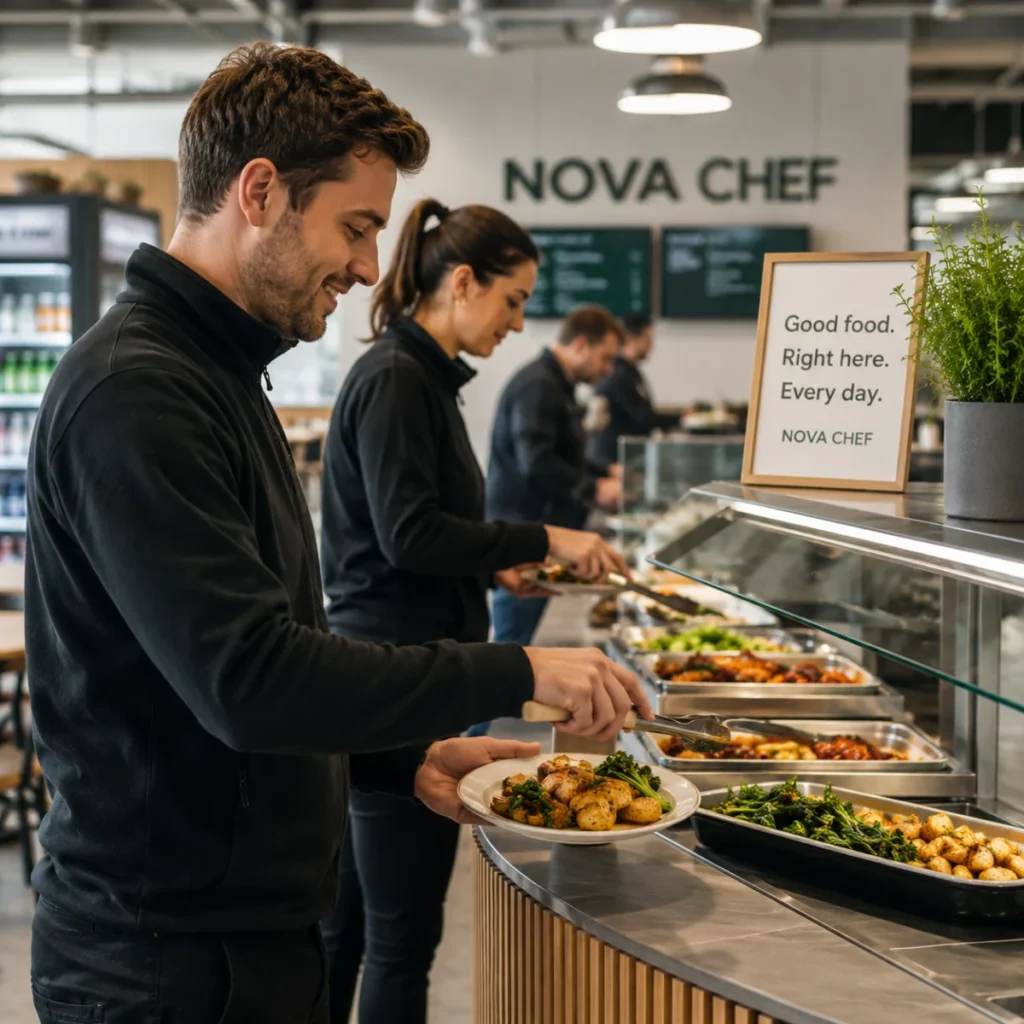
The traditional staffed workplace canteen, long considered a cornerstone of employee welfare and a tangible perk, is facing a significant paradigm shift. For many facilities managers, the conclusion has been stark: the operational costs associated with a fully staffed kitchen have become increasingly untenable, leading to a stark choice between a basic vending machine and complete removal of on-site food services. However, a closer examination reveals that the issue lies not with the concept of a canteen itself, but with the outdated operational models that have historically defined them. The economic landscape and technological advancements have irrevocably altered the viability and desirability of the conventional canteen, paving the way for more efficient and impactful solutions that redefine workplace dining.
The opaque nature of canteen expenditure has long been a point of contention for facilities departments. Invoices are often deliberately fragmented, encompassing a complex web of direct food costs, labour expenses, management fees from contract caterers, and ancillary site costs. Among these, labour has consistently emerged as the most significant and pressurized expenditure. This fragmentation obscures the true cost of providing a staffed canteen, making it difficult for businesses to accurately assess its return on investment.
Escalating Labour Costs and Staffing Challenges
The financial strain on traditional canteens is exacerbated by a confluence of rising employment costs and persistent staffing shortages. For a typical workplace catering to between 100 and 300 employees, maintaining a fully operational kitchen necessitates a dedicated team. This often includes a manager, a chef, a cook, and a porter, each carrying substantial salary burdens. Beyond base wages, these roles come with significant on-costs, including holiday cover, sick pay, and pension contributions.
The financial implications are amplified by recent legislative changes and economic trends. Since April 2025, employers have grappled with a 15% National Insurance contribution on employee earnings exceeding £5,000. Furthermore, the National Living Wage is projected to continue its upward trajectory, reaching £12.71 per hour in April 2026. This steady increase in mandatory labour costs directly impacts the profitability of a staffed canteen.
Compounding these financial pressures is the growing challenge of staff retention and recruitment within the hospitality sector. A persistent chef shortage means that even a single employee’s absence due to illness can trigger an expensive scramble for agency staff, disrupting service and inflating costs. For many facilities managers, the prospect of managing such complexities, coupled with the escalating financial outlay, has made the staffed workplace canteen appear less like an attractive employee benefit and more like a significant operational liability.
Challenging the Binary Choice: A Spectrum of Solutions Emerges
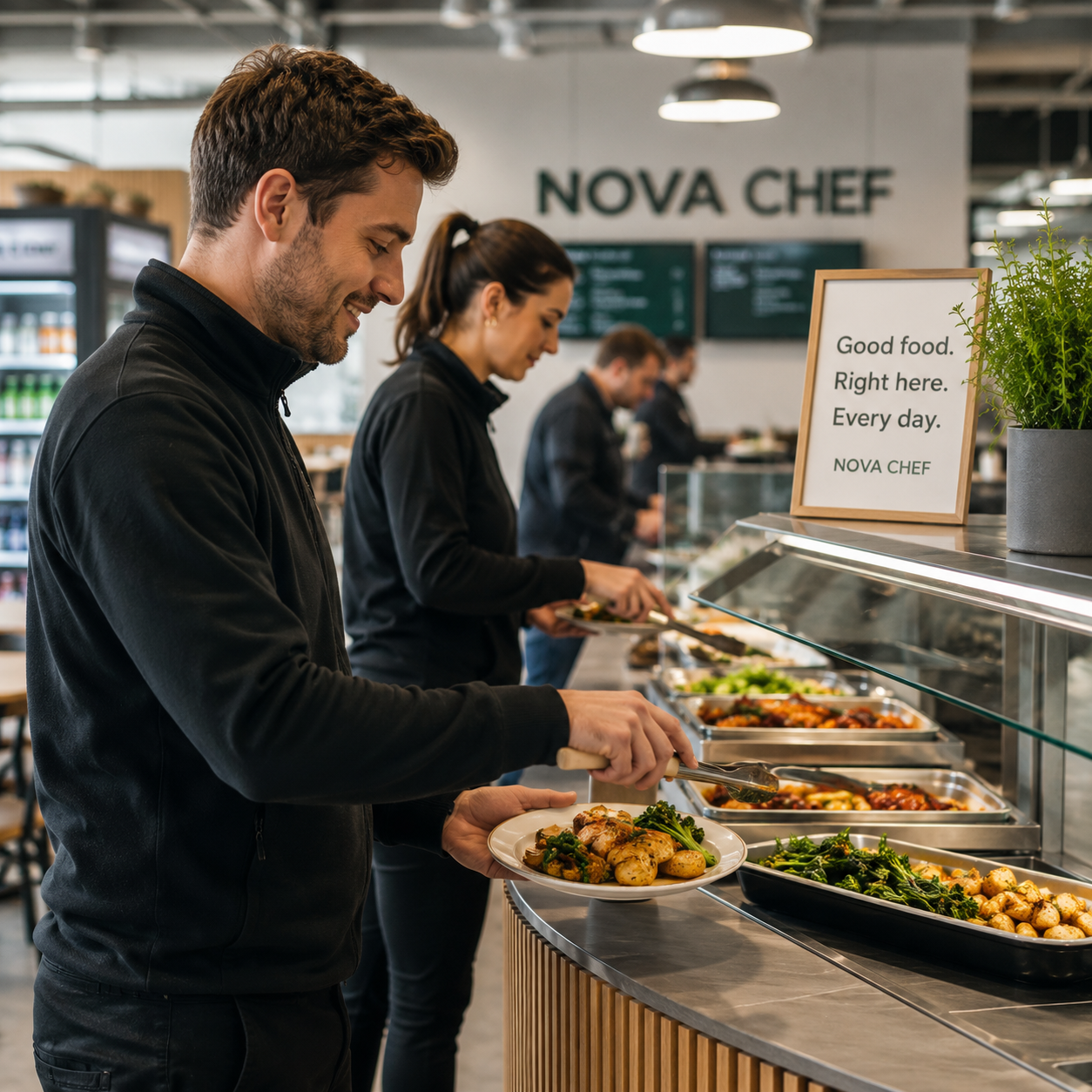
Historically, businesses faced a seemingly binary decision regarding workplace catering: either invest in an expensive, fully staffed kitchen or revert to a rudimentary snack vending machine. This "false choice" has been a significant barrier to providing meaningful on-site food options. However, the landscape has evolved dramatically. The same quality of chef-prepared meals can now be delivered through innovative models that bypass the need for extensive on-site kitchen infrastructure and large staffing contingents.
The emergence of advanced hot-food vending machines represents a significant disruption. These sophisticated units are capable of serving freshly prepared, high-quality meals in a matter of minutes. This technology allows businesses to offer substantial, hot meal options without the overheads associated with a traditional canteen. The core principle remains consistent: providing employees with convenient access to nourishing food on-site, thereby enhancing the overall workplace experience.
The Economic Revolution in Workplace Dining
The underlying innovation driving this transformation lies in a fundamental shift in the operational model. Instead of preparing meals daily on-site, the focus has moved to centralized cooking and advanced preservation techniques. Meals are prepared by professional chefs in dedicated, often SALSA-certified facilities, and then blast-frozen at their peak to preserve freshness and nutritional value. These meals are then transported to the workplace and reheated on-site in specialized, high-speed ovens, delivering a hot meal in minutes.
This "cook-chill-reheat" model drastically alters the economic equation for facilities management. A service that previously required a team of four kitchen staff (manager, chef, cook, porter) can now often be managed by just two individuals. Crucially, this model eliminates the need for an on-site chef, a dedicated kitchen build-out, and the associated costs of extraction systems and ventilation. Furthermore, the removal of a major contract caterer often leads to a significant reduction in management fees.
Operators who transition away from traditional contract catering models typically experience a substantial decrease in labour costs, often ranging from 25% to 50%. The cost per meal also becomes more competitive, typically falling between £3.10 and £4.50. One notable example involves a Midlands-based manufacturer that reported a 25% reduction in its canteen headcount and a staggering 75% cut in management fees after implementing this new model. This demonstrates a clear path towards cost savings without compromising the quality or availability of on-site meals.
Beyond Cost: A Strategic Imperative for Workplace Experience
While cost reduction is a significant driver, the strategic importance of on-site food provision extends far beyond mere financial savings. The ability to offer quality meals on-site directly influences key metrics such as employee attendance, retention, and overall job satisfaction. This is particularly pronounced in sectors characterized by long working hours, shift patterns, or a competitive labor market where retaining talent is paramount.
In an era where many companies are encouraging employees to return to the office, providing convenient and appealing on-site food options can significantly enhance the value proposition of commuting. The traditional barrier to offering such benefits was never a lack of employee appreciation for good food, but rather the prohibitive cost and logistical complexity of preparing it in-house. By removing the necessity of a fully equipped and staffed kitchen, businesses can now offer a high-quality hot lunch as a tangible perk, without the operational burdens of running a restaurant.
The quality of the food itself is also a critical consideration. The development of these modern canteen solutions often involves culinary expertise from highly regarded professionals. For instance, some offerings are conceptualized by chefs recognized in the Michelin Guide, and have received endorsements from acclaimed figures like three-Michelin-star chef Pierre Koffmann. Meals are produced in SALSA (Safe and Local Supplier Approval) certified facilities, ensuring adherence to stringent food safety and quality standards. This commitment to quality means that the food delivered to employees consistently meets high standards, regardless of when or where it is served.
Key Considerations for Facilities Managers: A Framework for Decision-Making
As facilities managers evaluate their current on-site catering arrangements and consider potential changes, a structured approach can help navigate the complexities and cut through marketing rhetoric. Four key questions can provide clarity and guide strategic decisions:
- What is the true, fully-loaded cost of our current on-site food provision? This requires a comprehensive audit that includes not only direct food and labour expenses but also indirect costs such as utilities, maintenance, management fees, and the opportunity cost of space dedicated to a kitchen.
- What are the measurable impacts of our current food offering on employee morale, retention, and productivity? Collecting data through employee surveys, attendance records, and retention statistics can provide a clear picture of the current benefit (or lack thereof) derived from the existing canteen.
- What are the realistic alternatives to our current model that can deliver comparable or superior employee satisfaction at a reduced cost? Exploring innovative catering solutions, including advanced vending technologies and centralized preparation models, is essential.
- How does the proposed solution align with our broader workplace strategy and employee value proposition? On-site food should be viewed as an integral part of the employee experience, contributing to a positive and productive work environment, rather than an isolated operational cost.
The Future of Workplace Dining: Efficiency and Employee Focus
The era of the prohibitively expensive, traditional staffed workplace canteen is drawing to a close. The demand for cost-efficiency in facilities management, coupled with the evolving expectations of employees, has necessitated a fundamental rethinking of how on-site food services are delivered. The solution lies not in eliminating food provision, but in adopting smarter, more adaptable models.
For facilities teams tasked with optimizing budgets without sacrificing essential employee benefits, providing high-quality on-site meals has once again become a feasible objective. The key lies in decoupling the provision of good food from the burden of managing a full-scale kitchen. Companies like Nova Chef are at the forefront of this movement, partnering with workplaces, hotels, and healthcare sites across the UK to facilitate this transition. By embracing these new models, businesses can ensure their employees are well-fed, their operational costs are managed effectively, and their workplace experience is enhanced for the modern era.
The implications of this shift are far-reaching. It signals a move towards a more agile and data-driven approach to workplace amenities, where employee well-being is balanced with fiscal responsibility. As the workplace continues to evolve, the ability to adapt and innovate in areas like catering will become increasingly critical for attracting and retaining talent, fostering a positive company culture, and ultimately, driving business success. The reinvented workplace canteen is not just about food; it’s about a strategic investment in the people who power an organization.