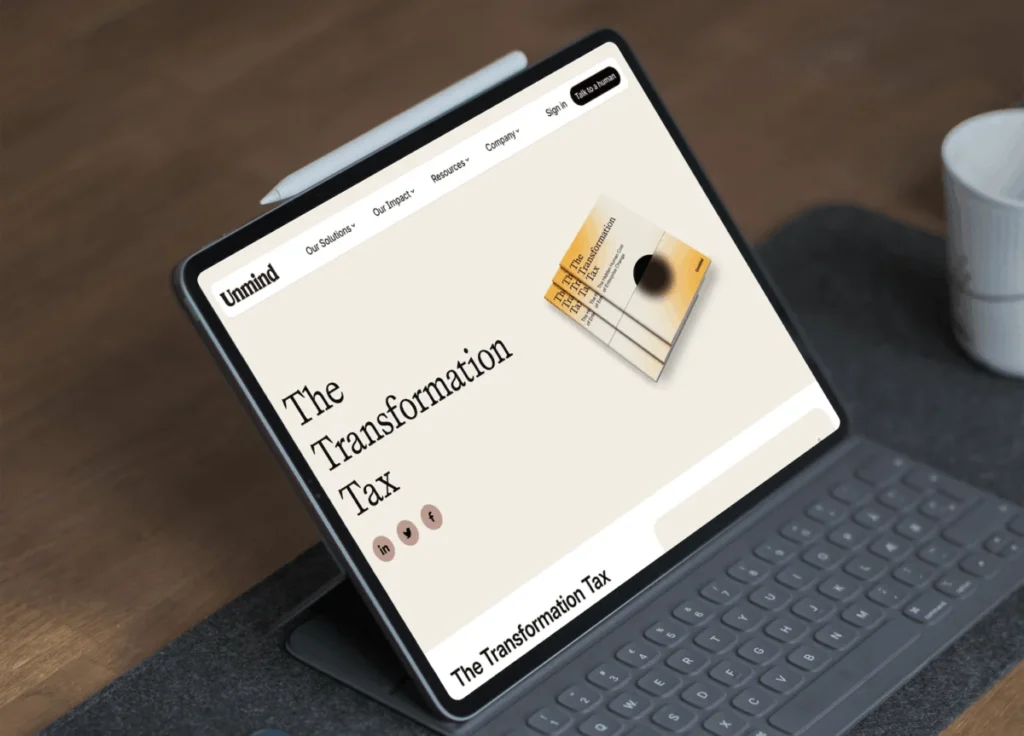
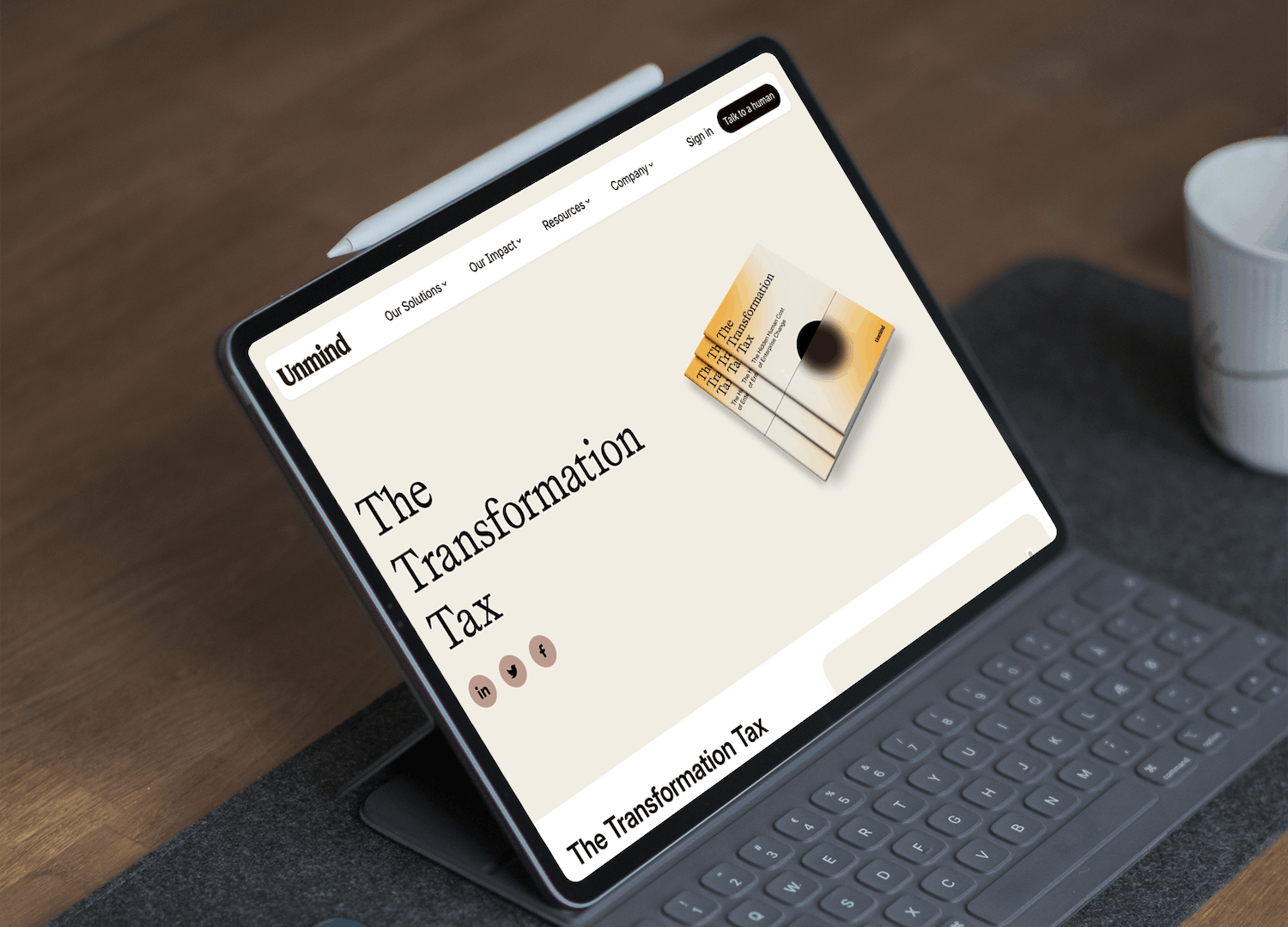
A new report, "Transformation Tax: The Hidden Human Cost of Enterprise Change," co-authored by Unmind and a leading HR consultancy, paints a stark picture of the evolving nature of organizational change and its profound impact on employee well-being. The research, which draws on perspectives from Chief Human Resources Officers (CHROs) and extensive client work, asserts that change is no longer a discrete project but a continuous state, demanding a more human-centric approach to avoid significant human and organizational costs. The report highlights that if not managed with empathy and strategic foresight, this constant flux can lead to burnout, disengagement, and a decline in overall productivity and loyalty.
The findings underscore a critical shift in the workplace, predicting that by 2026, organizations will need to prioritize mental health and well-being as fundamental components of their operational strategy, even above traditional compensation incentives for a significant portion of the workforce. This evolving employee expectation suggests a recalibration of what constitutes a valuable employee experience, moving beyond financial rewards to encompass a supportive and understanding work environment.
The Evolving Landscape of Corporate Transformation
The modern business environment is characterized by unprecedented volatility. Technological advancements, shifting market demands, global economic fluctuations, and evolving societal expectations have rendered static business models obsolete. This necessitates a perpetual state of adaptation for organizations seeking to remain competitive. The report argues that this continuous transformation, while essential for survival and growth, imposes a significant burden on employees if not managed effectively. The "transformation tax" is not merely a metaphor; it represents the tangible consequences of prolonged periods of uncertainty, increased workloads, and the emotional strain associated with constant upheaval.
Unmind, a global mental wellness platform, has been at the forefront of advocating for proactive mental health support in the workplace. Their research consistently points to the interconnectedness of employee well-being and organizational performance. This latest report, by synthesizing CHRO insights with practical HR experience, aims to provide actionable strategies for mitigating the negative repercussions of ongoing change. The collaboration between a mental health expert and a consultancy with deep operational understanding provides a unique dual perspective on this pressing issue.
Key Findings: The Human Cost of Perpetual Change
The report identifies several critical themes that are shaping workplace mental health and are exacerbated by continuous organizational transformation:
-
The Tangible Human Cost of Rapid Change: A central tenet of the report is the underestimation of the cumulative stress, disengagement, and burnout that accumulate during periods of significant organizational change. This is particularly acute when communication is suboptimal and support mechanisms are lacking. The "transformation tax" manifests later as diminished morale, reduced productivity, and erosion of employee loyalty. Data from various studies corroborates this, with reports indicating that organizations experiencing frequent restructures or significant operational shifts often see a dip in employee engagement scores for up to 18 months post-change, impacting the bottom line through increased turnover and recruitment costs. For instance, a 2023 survey by the Society for Human Resource Management (SHRM) found that employee turnover costs can range from six to nine months of an employee’s salary, a figure that can escalate dramatically in high-change environments.
-
Widespread Change Fatigue: The report highlights that over half of employees are experiencing fatigue due to constant change. This persistent state of flux, without adequate respite or clear direction, can lead to a decline in motivation and engagement, hindering productivity. This phenomenon is not new, but its prevalence and intensity are increasing. Research from Gallup has shown that employees who feel constantly pressured by change are more likely to report feeling stressed and less likely to feel their work is meaningful, contributing to a cycle of decreased performance.
-
Communication as a Performance Lever: Transparency in communication is identified as a critical driver of trust during periods of change. The report states that employees are 80% more likely to trust their organization when communication is transparent. This trust is foundational for achieving alignment and effective execution of strategic initiatives. When employees understand the rationale behind changes, the expected outcomes, and the potential challenges, they are more likely to embrace the transition. Conversely, a lack of clear, consistent, and honest communication breeds uncertainty and suspicion, leading to resistance and decreased performance. A study by the Employee Engagement Group found that companies with highly transparent communication practices reported significantly higher levels of employee trust and a 40% lower voluntary turnover rate.
-
Recognition’s Impact on Output: The significance of recognition in driving employee output and fostering positive manager-employee relationships is emphasized. A substantial 85% of employees believe that feeling appreciated impacts their productivity, and 79% attribute this to their relationship with their manager. During times of transformation, the manager’s role in providing support, acknowledging effort, and celebrating small wins becomes even more crucial. The report implicitly suggests that consistent, authentic recognition can act as a buffer against the negative effects of change, reinforcing employee value and commitment. Companies that implement regular, informal recognition programs often report higher employee engagement scores and a more positive organizational culture.
-
Wellbeing Outranking Salary Increases for Many: A striking finding is that half of employees now prefer an employer that prioritizes their well-being over a 10% pay increase, a preference that is reportedly growing year over year. This indicates a fundamental shift in employee values and priorities. As the lines between work and personal life blur, and the demands of modern life intensify, employees are increasingly seeking workplaces that offer a supportive and healthy environment. This trend suggests that companies that invest in comprehensive well-being programs, including mental health support, flexible work arrangements, and a culture of care, will gain a significant competitive advantage in attracting and retaining talent. This is a stark departure from previous decades where compensation was almost universally the primary driver of job satisfaction and loyalty.
Five Practical Strategies for HR to Mitigate the "Transformation Tax"
The report offers five actionable recommendations for HR departments to proactively address the human cost of enterprise change:
1. Over-Communicate During Change – Transparently and Often
Effective communication is paramount during periods of transformation. This involves not only sharing what is known but also acknowledging uncertainties and repeating key messages across multiple channels. The report advocates for a strategy that fosters trust and actively counteracts rumor cycles. Equipping managers with clear talking points is essential to ensure employees receive consistent messages, both in formal announcements and in direct one-on-one interactions. This approach builds a shared understanding and reduces anxiety. The principle here is that consistent, honest communication reduces the "information vacuum" that often leads to speculation and mistrust.
2. Make Managers Your Force Multipliers
Managers are positioned as critical agents in navigating change. The report stresses the importance of providing them with the necessary time, tools, and training to regularly check in with their teams, set clear priorities, and acknowledge progress. The manager-employee relationship is identified as a leading indicator of both productivity and well-being. Integrating quick recognition habits into weekly team rhythms can help normalize praise and progress updates, reinforcing positive behaviors and mitigating feelings of being overlooked during stressful transitions. This leverages the direct line of sight managers have into their team’s daily work and challenges.
3. Treat Mental Health as Infrastructure, Not a Side Program
The report calls for a fundamental shift in how mental health is approached within organizations. It should be viewed as integral infrastructure, akin to IT systems or operational processes, rather than an optional add-on. Centralizing well-being resources ensures employees can access help easily and confidentially. Encouraging leaders to share their personal well-being journeys can significantly reduce stigma and open pathways to support. Crucially, the report emphasizes that burnout is often an organizational issue requiring systemic solutions, such as addressing workload, clarifying roles, and ensuring adequate resourcing, rather than solely relying on individual resilience. This reframing moves from a reactive "fix the individual" approach to a proactive "fix the system" strategy.
4. Pair AI Acceleration with People Readiness
The rapid integration of Artificial Intelligence (AI) into the workplace presents both opportunities and challenges. The report advises upskilling the workforce on AI while establishing clear governance and guardrails. While the majority of employees report productivity gains from using AI, risks such as algorithmic bias, errors, and the potential for oversharing sensitive data necessitate robust oversight. The focus should be on leveraging AI to automate routine tasks and free up employees for higher-value, human-centered work, thereby enhancing rather than replacing human capabilities. This strategic integration requires careful planning and ongoing evaluation to ensure ethical and effective deployment.
5. Reinforce Belonging Through Recognition and Purpose
The report advocates for using strategic, values-based recognition to connect daily achievements to the organization’s overarching mission. Small, frequent moments of appreciation are vital for boosting well-being and keeping teams focused on what constitutes success, especially amidst the disruption of change. Making recognition accessible across different locations and roles is key to ensuring that all employees feel seen and valued. This reinforces a sense of belonging and shared purpose, which are critical for maintaining morale and cohesion during periods of flux. When employees understand how their individual contributions align with the larger organizational goals, their commitment and engagement tend to increase.
Broader Implications for Organizational Resilience and Future-Proofing
The "Transformation Tax" report serves as a critical wake-up call for organizations. Its core message is that sustainable transformation hinges on placing people at the center of the change process. When leaders prioritize open communication, empower managers, consistently recognize contributions, and make well-being a non-negotiable aspect of the work environment, performance and humanity can advance in tandem, rather than in opposition. This integrated approach not only shrinks the immediate "transformation tax" but also cultivates a more resilient, high-performing culture capable of navigating future challenges.
The implications of these findings are far-reaching. Organizations that fail to address the human cost of perpetual change risk significant talent attrition, decreased innovation, and ultimately, a decline in their competitive edge. Conversely, those that proactively invest in their people, fostering a culture of trust, support, and well-being, will be better positioned to thrive in the dynamic landscape of the future. The report suggests a paradigm shift from viewing change as a hurdle to overcome to embracing it as an ongoing opportunity for growth, provided that the well-being of the workforce remains a paramount consideration.
As businesses continue to navigate an era of constant evolution, the insights from this report offer a roadmap for building organizations that are not only adaptable and efficient but also deeply human and sustainable. The call to action is clear: prioritize people, foster genuine connection, and embed well-being into the very fabric of organizational operations to build a truly resilient and thriving future. The future of work demands a holistic approach, where business objectives and human well-being are not seen as competing priorities, but as mutually reinforcing pillars of success.
For organizations seeking to delve deeper into these insights and operationalize them within their own structures, Unmind’s "Transformation Tax" report provides a comprehensive resource. The collaborative efforts highlighted in this report underscore the growing recognition that human capital, particularly mental and emotional well-being, is the most critical asset in navigating the complexities of modern enterprise change. The report’s emphasis on practical, actionable steps offers a tangible pathway for HR leaders to build more empathetic, productive, and resilient workplaces for the years ahead.