The Department of Labor (DOL) under the Trump administration has officially rescinded the 2024 final rule regarding overtime exemptions, reinstating the salary thresholds established in 2019. This move, widely anticipated given the administration’s prior signals, marks another significant shift in the landscape of federal overtime regulations, leaving employers and HR professionals to navigate a familiar yet complex set of compliance challenges. The decision effectively undoes the more expansive overtime eligibility criteria that were set to take effect, returning to a more conservative interpretation of the Fair Labor Standards Act (FLSA) white-collar exemptions.
A Decades-Long Regulatory Tug-of-War: Background on FLSA Overtime Exemptions
To fully grasp the implications of this latest change, it is crucial to understand the foundational principles of the FLSA and the contentious history of its overtime exemptions. Enacted in 1938, the FLSA mandates a federal minimum wage and overtime pay of one-and-a-half times an employee’s regular rate of pay for hours worked over 40 in a workweek. However, the Act also includes exemptions for certain "white-collar" employees, specifically those employed in executive, administrative, or professional (EAP) capacities. To qualify for these exemptions, employees must meet three criteria:
- Salary Level Test: They must be paid a predetermined minimum salary amount.
- Salary Basis Test: They must be paid on a salary basis, meaning they receive a fixed amount each pay period regardless of the quality or quantity of work.
- Duties Test: Their primary duties must involve executive, administrative, or professional tasks as defined by DOL regulations.
The salary threshold, specifically, has been a frequent point of contention and adjustment across different administrations. The DOL’s authority to set this threshold allows it to define which salaried employees are genuinely performing high-level EAP duties versus those who, despite being paid a salary, are performing tasks more akin to hourly workers and thus deserve overtime protections.
A Chronology of Flux: The Overtime Rule Rollercoaster
The past decade has seen remarkable volatility in federal overtime regulations, with successive administrations attempting to redefine the scope of the EAP exemptions.
- 2016 (Obama Administration): The Obama administration finalized a rule that would have significantly increased the salary threshold for exemption from $23,660 to $47,476 per year, indexed for future increases. This rule aimed to extend overtime eligibility to millions of additional workers. However, it was challenged in court and ultimately blocked by a federal judge in Texas, who ruled that the DOL had exceeded its authority by focusing predominantly on the salary level rather than the duties performed.
- 2019 (Trump Administration): Following the legal defeat of the 2016 rule, the Trump administration’s DOL issued its own updated rule. This rule raised the salary threshold to $35,568 per year ($684 per week) for the standard EAP exemptions and $107,432 for highly compensated employees (HCE). Crucially, this rule did not include automatic triennial adjustments, a departure from the Obama-era proposal. This 2019 rule became the prevailing standard for several years.
- 2024 (Biden Administration): The Biden administration, seeking to expand overtime protections, unveiled a new final rule that dramatically increased the salary threshold. This rule proposed a phased increase, first to $43,888 per year ($844 per week) on July 1, 2024, and then to $58,656 per year ($1,128 per week) on January 1, 2025. It also reintroduced automatic triennial adjustments to keep pace with wage growth. This rule was met with mixed reactions, with labor advocates praising its potential to boost worker pay, and business groups expressing concerns about increased labor costs and administrative burdens.
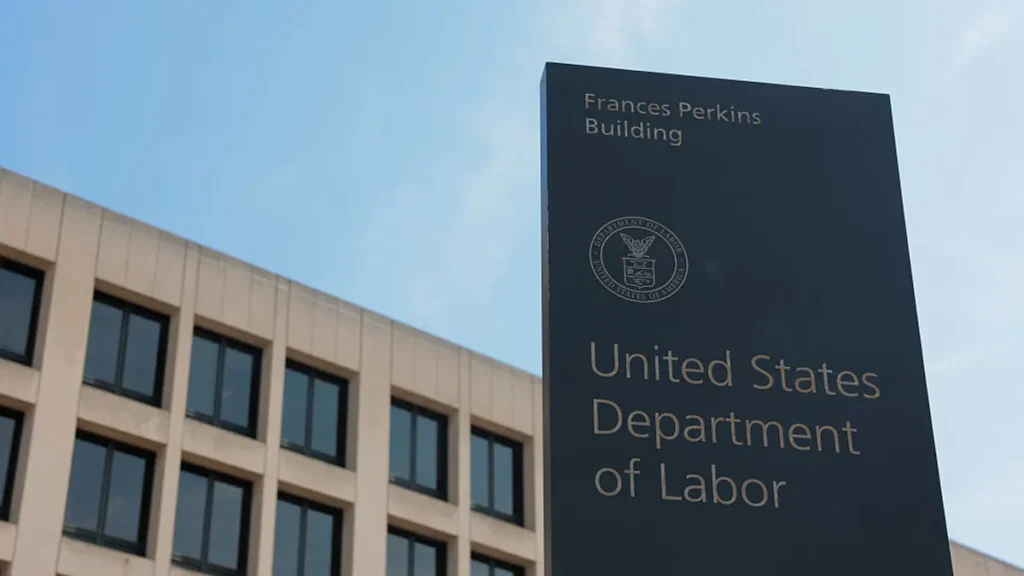
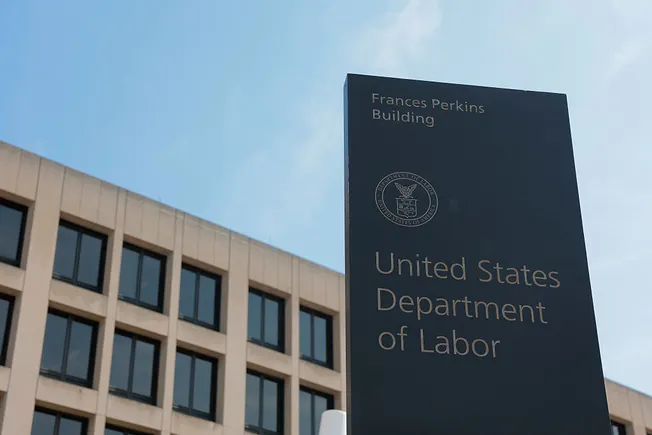
- May 14, 2026 (Trump Administration Rescission): The current Trump administration, consistent with its stated intent to revisit and roll back certain Biden-era regulations, officially rescinded the 2024 final rule. This action effectively restores the 2019 salary thresholds ($35,568 for EAP, $107,432 for HCE), eliminating the planned increases and the automatic adjustment mechanism. The Frances Perkins Department of Labor Building in Washington, D.C., served as the backdrop for this announcement, as captured by Anna Moneymaker via Getty Images on August 4, 2025.
The Rescission and Its Immediate Aftermath
The rescission, published on May 14, 2026, was not unexpected. As Keith Kopplin, co-chair of Ogletree Deakins’ wage and hour practice group, and Zachary Zagger, senior marketing counsel at Ogletree, noted in a blog post, President Donald Trump’s administration had previously signaled its intention to revisit the rule. This was explicitly stated in September when the DOL announced its agenda, including a commitment to "determine whether certain salaried employees are exempt from FLSA minimum wage and overtime requirements."
Kopplin further elaborated that this move by the Trump DOL effectively restores the threshold to the levels established by the 2019 rule, notably removing the 2024 rule’s automatic triennial threshold adjustments. This removal of automatic updates is a key distinction, meaning future adjustments would require new rulemaking processes, subject to the political will of future administrations.
Beyond the Numbers: The Enduring Importance of the "Duties Test" and "Salary Basis Test"
While the salary threshold often garners the most attention, legal experts are quick to remind HR leaders that it is only one component of a three-part conjunctive test for exemption. Jim Paretti, a co-chair of Littler’s Workplace Policy Institute, emphasized this point, stating, "The salary threshold is only one part of the three-part conjunctive test."

Paretti outlined the other two crucial elements:
- Salary Basis Test: The employee "must be paid a fixed, predetermined sum each week regardless of the quantity or quality of the work they perform." This means deductions for variations in work quantity or quality are generally not allowed for exempt employees.
- Duties Test: The employee’s "primary work must be the performance of exempt EAP duties." This is often the most complex and litigated aspect of the exemption, requiring a detailed analysis of the employee’s actual job functions, responsibilities, and authority, rather than just their job title.
"Simply earning above the threshold does not make an employee automatically exempt. Where that criterion is met, employers must still make certain that the employee is paid on a salaried basis (versus hourly or by the piece), and that their work is primarily performing tasks that fall within the ‘duties test’ exemption," Paretti clarified. This underscores that misclassifying employees can lead to significant legal and financial penalties, even if the salary threshold is met.
WHD Administrator Andrew Rogers echoed this sentiment in a statement, asserting, "The Wage and Hour Division is committed to ensuring that its regulations accurately reflect the proper standards and requirements that we enforce. It is critical that each element of the section 13(a)(1) exemptions – duties, salary basis, and salary level requirements – be clearly framed for the benefit of both employees and employers." This highlights the DOL’s intent to provide clarity, even as the regulatory framework shifts.
Implications for Employers and HR Professionals
The rescission of the 2024 rule presents a mixed bag of implications for employers and HR departments:
- Reduced Immediate Compliance Burden: For businesses that had begun preparing for the higher 2024 thresholds, this rescission offers a reprieve. They will not need to immediately reclassify as many salaried employees as non-exempt or increase salaries to maintain exemption status. This can translate to cost savings and reduced administrative overhead in the short term.
- Continued Vigilance on Duties and Salary Basis: The reversion to the 2019 threshold does not absolve employers of their responsibilities regarding the other two tests. HR must remain diligent in reviewing job descriptions and actual duties to ensure employees truly qualify for EAP exemptions. Misclassification risks remain high, irrespective of the salary threshold level.
- Confusion and Employee Relations: The frequent changes in overtime rules can create confusion among employees. HR professionals will need to effectively communicate these changes and explain why certain roles remain exempt while others might not. This requires clear internal communication strategies to manage expectations and maintain trust.
- Strategic Workforce Planning: The instability of overtime regulations necessitates a flexible and adaptive approach to workforce planning. Employers might consider the long-term implications of classifying roles, weighing the benefits of salary versus hourly pay, and structuring compensation packages that minimize future disruption from potential regulatory shifts.
- State and Local Laws: It is crucial for employers to remember that federal FLSA standards are minimum requirements. Many states and even some localities have their own, often stricter, overtime laws and salary thresholds. These state and local regulations remain in effect and must be complied with, regardless of federal changes. For example, some states have consistently maintained higher thresholds or different duties tests, which employers must continue to observe.
Economic and Workforce Impact

The rescission will likely have varying impacts across different segments of the economy and workforce:
- For Businesses: Many business advocacy groups, particularly those representing small businesses and industries with tight margins, will likely welcome the decision. They have consistently argued that higher salary thresholds impose undue financial burdens, forcing them to either increase wages, reclassify employees to hourly (potentially reducing flexibility), or reduce staff. The return to 2019 levels offers stability and predictability, albeit at a lower protective threshold for workers.
- For Employees: The impact on employees is more complex. Workers who would have gained overtime eligibility under the 2024 rule will now remain exempt, meaning they will not receive time-and-a-half pay for hours worked over 40. This could potentially lead to longer working hours without additional compensation for certain salaried roles, particularly those just above the 2019 threshold. While some employees may prefer the flexibility often associated with salaried exempt status, others may feel a loss of potential earnings.
- Wage Stagnation Concerns: Critics of lower thresholds often argue that they contribute to wage stagnation for middle-income earners. By keeping more employees exempt, there’s less pressure on employers to raise base salaries to meet higher exemption thresholds, potentially limiting overall wage growth for those positions.
- Administrative Burden: While the immediate burden of reclassification is averted for the 2024 rule, the constant shifting of regulations itself creates an administrative burden. HR and legal departments must continually monitor, interpret, and implement new rules, requiring significant time and resources.
Looking Ahead: Further Regulatory Actions and Political Landscape
The DOL’s work on overtime regulations is not entirely finished. The agency has indicated its intent to "iron out standard salary levels" for workers in U.S. territories such as American Samoa, Guam, the Northern Mariana Islands, Puerto Rico, and the U.S. Virgin Islands. These regions often have unique economic conditions and wage structures that require tailored approaches. Additionally, the DOL plans to address specific regulations for talent in the motion picture industry, an industry with unique employment models and compensation practices.
The political environment suggests that overtime regulations will remain a battleground. Future administrations, depending on their political leanings, may once again attempt to modify these rules. A Democratic administration would likely seek to reinstate or even further expand overtime protections, potentially reintroducing automatic adjustments. Conversely, a Republican administration would likely maintain the current, more conservative approach, or even seek further deregulation.
This continuous cycle of regulatory change underscores the dynamic nature of labor law and the critical role of HR professionals in staying informed and ensuring ongoing compliance. The immediate task for HR is to confirm that current classifications align with the restored 2019 federal thresholds and, more importantly, with the often more stringent state and local requirements. The broader challenge is to build resilient compensation and classification strategies that can adapt to the unpredictable currents of federal labor policy.