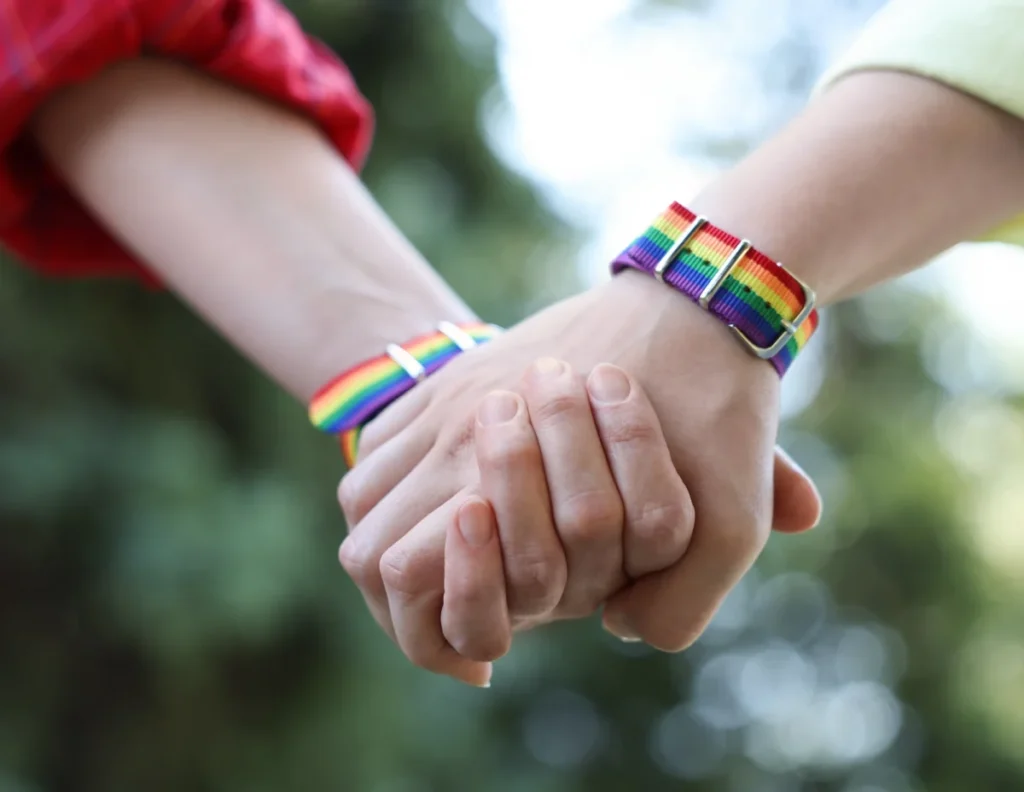
June marks Pride Month, a period of significant cultural importance dedicated to celebrating the LGBTQIA+ (Lesbian, Gay, Bisexual, Transgender, Queer, Intersex, Asexual, and others) community. While for many, this month is an occasion for joyous celebration and visible support, for others, it may present an opportunity for increased understanding and reflection. This exploration aims to provide a comprehensive overview for those less familiar with the origins and enduring relevance of Pride Month, delving into its critical importance, historical context, and the reasons behind varying societal perceptions.
The Vital Importance of Pride Month: Saving Lives Through Acceptance
The significance of Pride Month extends far beyond parades and festivities; it is fundamentally about acceptance, and as stark data reveals, acceptance literally saves lives. Recent surveys from The Trevor Project, a leading national organization providing crisis intervention and suicide prevention services to LGBTQIA+ youth, paint a sobering picture of the challenges faced by young individuals within this community. For instance, the 2023 National Survey on LGBTQ Youth Mental Health reported that a staggering 41% of LGBTQIA+ youth seriously considered attempting suicide in the past year. Furthermore, the survey indicated that a significant percentage of these young people experienced high levels of depression and anxiety.
These findings underscore a critical reality: mental health challenges experienced by LGBTQIA+ youth are often not inherent to their identity but are, in large part, a consequence of living in unaccepting or hostile environments. The pervasive stress of societal stigma, discrimination, and lack of affirmation can have profound and damaging impacts on the psychological well-being of young individuals. In this context, Pride Month serves as a powerful and visible demonstration of acceptance, creating safe spaces and fostering a sense of belonging that is crucial for the mental and emotional health of LGBTQIA+ individuals of all ages. For parents, educators, and community members, understanding this connection between acceptance and well-being is paramount. Celebrations of Pride are tangible expressions of support that can significantly contribute to creating a safer and more affirming world for everyone.
Historical Roots of Pride: From Stonewall to Global Recognition
The origins of Pride Month are deeply rooted in a history of struggle and activism. The catalyst for the modern LGBTQIA+ rights movement is widely recognized as the Stonewall Uprising, which occurred in the early morning hours of June 28, 1969. At the time, New York City police frequently raided gay bars, and the Stonewall Inn, a popular establishment in Greenwich Village, was no exception. However, on that fateful night, patrons, weary of the constant harassment and discrimination, fought back. The ensuing riots and demonstrations lasted for several days, drawing significant attention to the injustices faced by the LGBTQIA+ community.
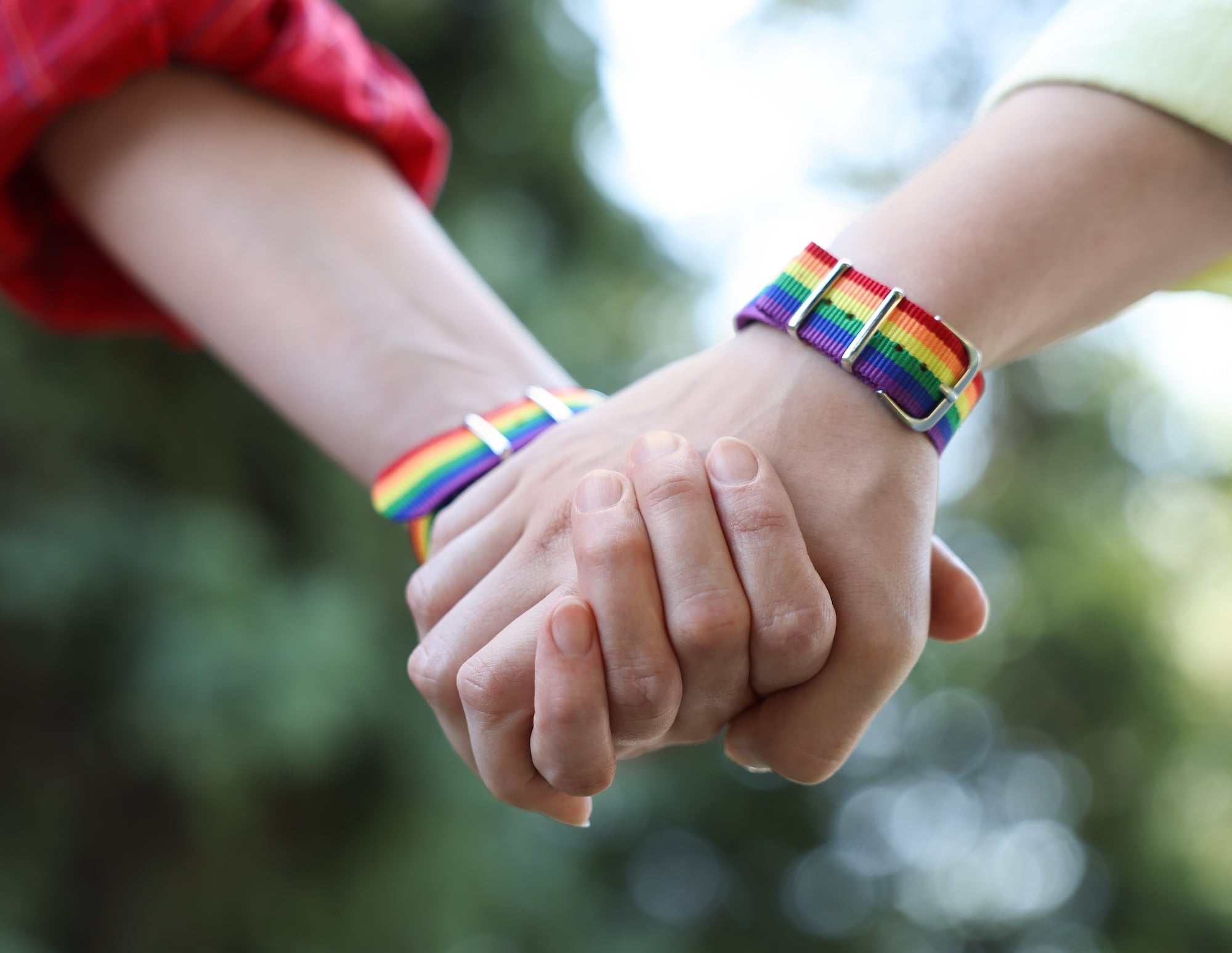
In the aftermath of Stonewall, activists began organizing more effectively. The first Pride marches, often referred to as Christopher Street Liberation Day, took place in cities across the United States on June 28, 1970, marking the one-year anniversary of the uprising. These early marches were not just celebrations but powerful political demonstrations demanding equal rights and an end to discrimination. Over the subsequent decades, the movement gained momentum, with LGBTQIA+ individuals and allies advocating for legal protections, social acceptance, and an end to the systemic discrimination they faced.
The evolution of Pride has been marked by key milestones:
- 1970s: The emergence of gay rights organizations and the first Pride marches in major cities. The focus was on visibility and the fight for basic rights.
- 1980s: Increased awareness of the HIV/AIDS epidemic and the devastating impact it had on the gay community. This period saw a surge in activism and advocacy for research, treatment, and an end to the stigma surrounding the disease. Pride events often incorporated messages of remembrance and urgent calls for action.
- 1990s: Growing recognition of the diversity within the LGBTQIA+ community, with increased visibility for bisexual, transgender, and other identities. The establishment of broader LGBTQIA+ rights organizations and a continued push for legal protections, including the repeal of discriminatory laws.
- 2000s onwards: Significant legal advancements in many countries, including the legalization of same-sex marriage in numerous jurisdictions. Pride Month has become a global phenomenon, with large-scale parades and events taking place in cities worldwide. While progress has been made, the fight for full equality and acceptance continues.
The rainbow flag, designed by Gilbert Baker in 1978, has become an enduring symbol of LGBTQIA+ pride and diversity. Each color traditionally represents a different aspect of the community: red for life, orange for healing, yellow for sunlight, green for nature, blue for harmony, and violet for spirit. Over time, other colors have been incorporated to represent different groups within the broader LGBTQIA+ spectrum, such as black and brown to acknowledge marginalized communities of color and light blue, pink, and white from the transgender pride flag.
Navigating Discomfort: Understanding Societal Shifts and Education
For some individuals, particularly those from older generations or those who did not grow up with a widespread understanding of gender and sexuality diversity, Pride Month and the increased visibility of the LGBTQIA+ community may evoke feelings of discomfort or unfamiliarity. This is often not a reflection of animosity towards the LGBTQIA+ community itself, but rather a natural reaction to societal shifts and a lack of prior exposure or education.
During the formative years of many Generation X individuals, for example, discussions around gender identity and diverse sexual orientations were largely absent from mainstream discourse. The prevailing societal norms often presented a more limited worldview, where alternative family structures and a spectrum of gender identities were not widely acknowledged or understood. This can lead to a sense of awkwardness or disorientation when these identities become more visible and accepted.
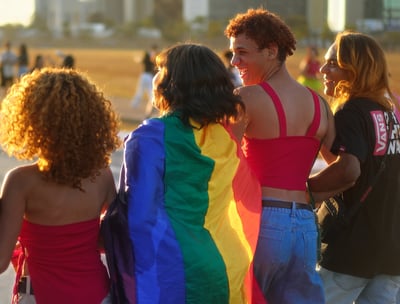
It is crucial to recognize that the increased understanding and acceptance of gender and sexuality diversity do not represent something entirely new. Historical and anthropological evidence suggests the presence of same-sex relationships and diverse gender expressions across numerous cultures and throughout history. The American Psychological Association, for instance, references evidence of same-sex love and relationships in ancient civilizations such as Ancient Israel, Ancient Greece, and among various Native American peoples. Therefore, any feelings of strangeness or discomfort associated with Pride are more likely a result of gaps in historical and social education rather than a fundamental novelty of LGBTQIA+ identities themselves.
Pathways to Education and Allyship
Bridging these gaps in understanding is essential for fostering a more inclusive and supportive society. For those seeking to deepen their knowledge and become better allies to their LGBTQIA+ friends, family members, and colleagues, a wealth of resources is available:
- Reputable LGBTQIA+ Organizations: Organizations such as GLAAD (Gay & Lesbian Alliance Against Defamation), The Trevor Project, Human Rights Campaign (HRC), PFLAG (Parents, Families, and Friends of Lesbians and Gays), and local LGBTQIA+ community centers offer extensive educational materials, fact sheets, and guides on various aspects of LGBTQIA+ identity, history, and issues.
- Academic and Historical Resources: Exploring scholarly articles, books, and documentaries that delve into LGBTQIA+ history, sociology, and psychology can provide a more in-depth understanding of the community’s experiences and contributions. Universities and public libraries often have extensive collections on these topics.
- Personal Stories and Testimonials: Engaging with authentic personal narratives through books, blogs, podcasts, and social media can offer valuable insights into the lived experiences of LGBTQIA+ individuals. Listening to and learning from their journeys fosters empathy and understanding.
- Workplace Inclusion Programs: Many companies are implementing diversity, equity, and inclusion (DEI) initiatives that include training on LGBTQIA+ awareness and allyship. Participating in these programs can provide practical knowledge and strategies for creating an inclusive work environment.
- Attending Local Events (with an open mind): While parades are a visible aspect of Pride, smaller community events, workshops, or talks can offer more intimate settings for learning and interaction. Approaching these events with a genuine desire to understand and connect is key.
Broader Impact and Implications: Towards a More Equitable Future
The ongoing evolution and celebration of Pride Month have profound implications for society at large. As visibility increases and understanding deepens, several key impacts can be observed:
- Legal and Policy Advancements: The growing societal acceptance fueled by Pride has been instrumental in driving legislative changes. The legalization of same-sex marriage in numerous countries, the implementation of non-discrimination laws, and increased protections for transgender individuals are direct outcomes of decades of activism and heightened public awareness.
- Shifting Social Norms: Pride Month contributes to a broader cultural shift towards greater acceptance of diversity in all its forms. It challenges traditional binary notions of gender and sexuality, opening up space for more fluid and inclusive understandings of identity. This, in turn, can lead to more equitable environments in families, schools, workplaces, and communities.
- Economic Impact: Pride events have become significant economic drivers in many cities, attracting tourism and supporting local businesses. This economic aspect, while secondary to the core message of equality, highlights the growing integration of LGBTQIA+ communities into mainstream society.
- Mental Health and Well-being: The continued emphasis on acceptance and affirmation during Pride Month directly contributes to improved mental health outcomes for LGBTQIA+ individuals. By fostering a sense of belonging and reducing the impact of stigma, Pride events and ongoing allyship can lead to reduced rates of depression, anxiety, and suicidality.
- Global Solidarity: Pride Month serves as a reminder that the fight for LGBTQIA+ rights is a global one. While significant progress has been made in some regions, many LGBTQIA+ individuals around the world continue to face severe discrimination, persecution, and violence. Pride events can serve as platforms for international solidarity and advocacy for those in less tolerant environments.
In conclusion, Pride Month is a multifaceted observance that honors the history of LGBTQIA+ struggle and celebrates the progress made towards equality. It is a vital reminder that acceptance is not merely a matter of tolerance but a fundamental human right that has tangible, life-saving consequences. By engaging with its history, understanding its significance, and committing to ongoing education and allyship, individuals can contribute to building a more inclusive, equitable, and affirming future for all.
From the team at Reward Gateway | Edenred, we extend our wishes for a meaningful and happy Pride Month to you and yours.