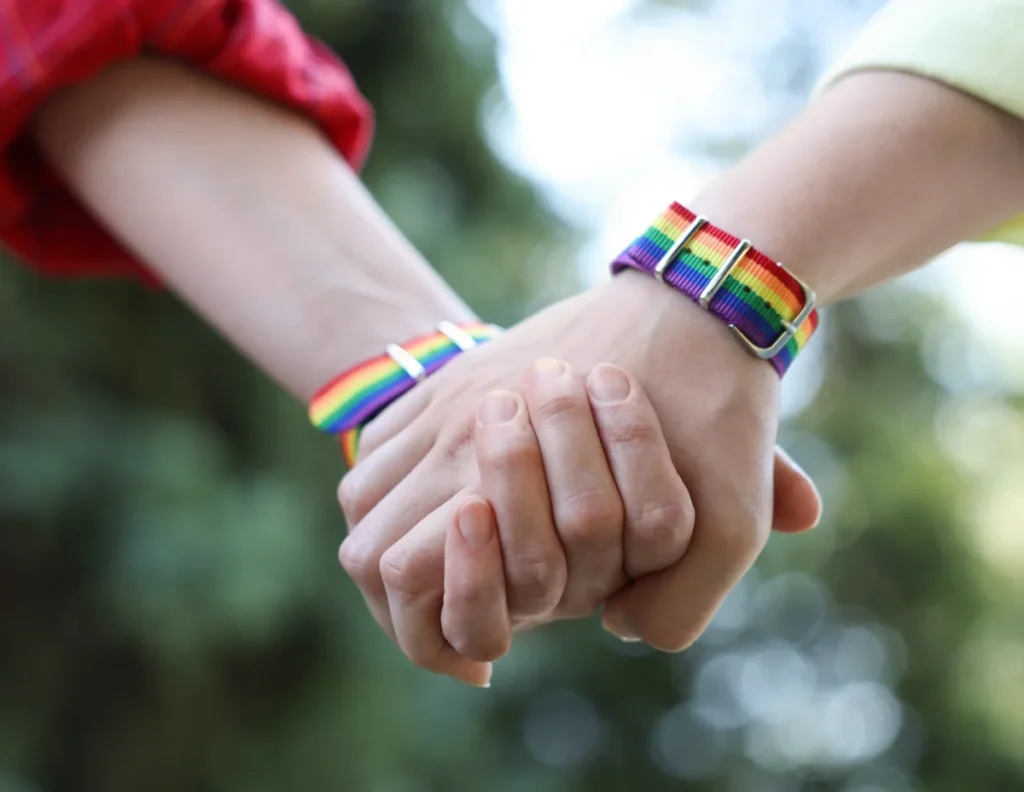
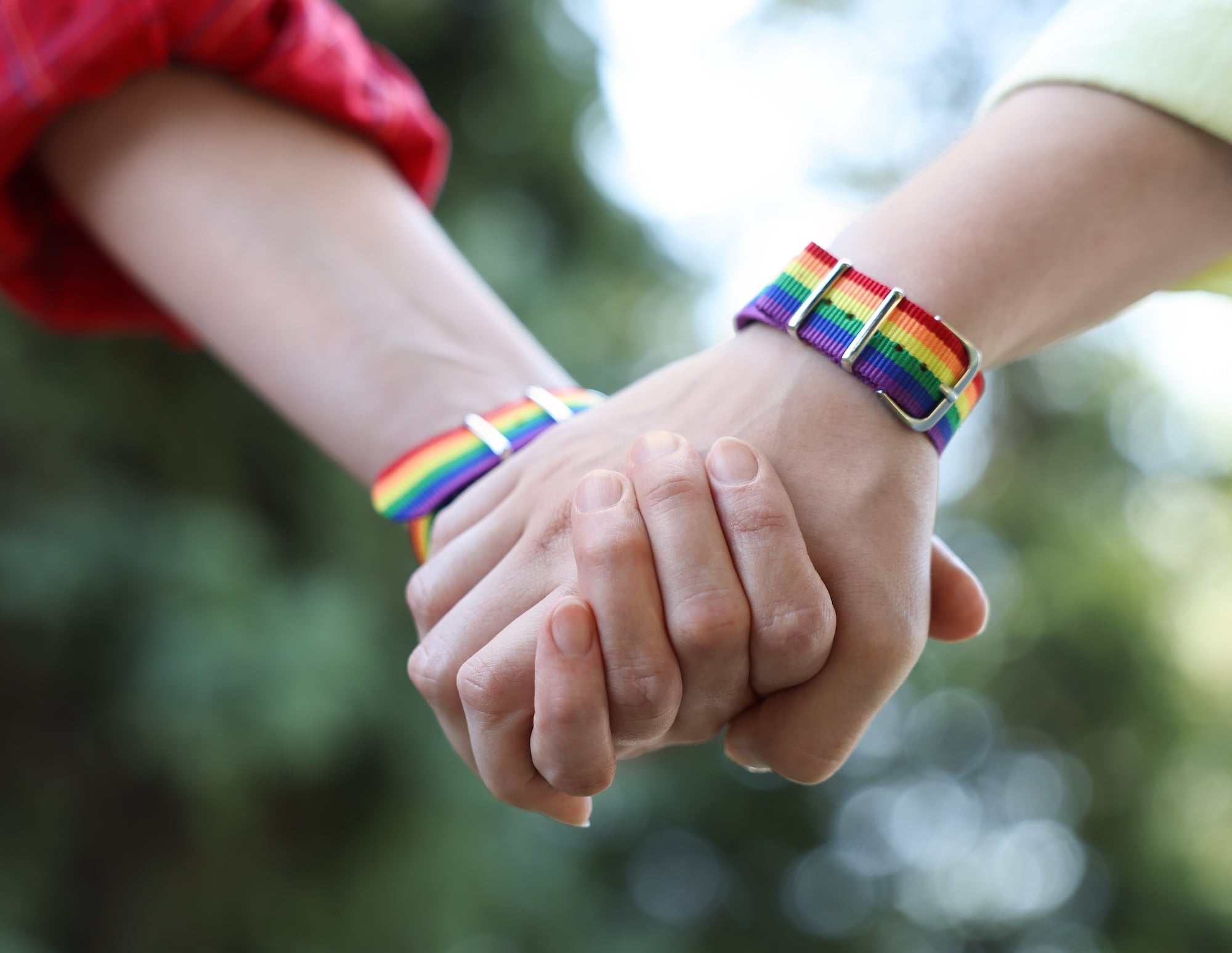
June is Pride Month, a period dedicated to celebrating and advocating for the rights and visibility of lesbian, gay, bisexual, transgender, queer, and other individuals within the LGBTQIA+ community. While for many, Pride Month is a joyous occasion filled with parades and community gatherings, for others, it may present an opportunity for greater understanding and reflection. This article aims to provide a comprehensive overview for those seeking to deepen their knowledge of why Pride is celebrated and its profound importance.
The Crucial Importance of Pride Month: Saving Lives and Fostering Acceptance
The significance of Pride Month extends far beyond mere celebration; it is a vital movement grounded in the reality that acceptance literally saves lives. Stark statistics from The Trevor Project, a leading national organization providing crisis intervention and suicide prevention services to LGBTQIA+ youth, underscore this critical point. Their 2023 National Survey on LGBTQ Youth Mental Health revealed that a staggering 41% of LGBTQIA+ young people seriously considered attempting suicide in the past year, with the rate being even higher among transgender and non-binary youth. Furthermore, the survey indicated that nearly 80% of LGBTQIA+ youth reported that their mental health was negatively impacted by the inability to be open about their sexual orientation or gender identity.
These findings are not indicative of inherent mental health challenges within the LGBTQIA+ community. Instead, they highlight the profound impact that unaccepting environments have on the well-being of young individuals. For parents and caregivers, the imperative to create safer spaces for all children is undeniable. Pride celebrations serve as tangible demonstrations of acceptance, providing a crucial lifeline not only for youth but for individuals of all ages who may feel marginalized or misunderstood. The visibility and affirmation offered during Pride Month can foster a sense of belonging, reduce feelings of isolation, and encourage individuals to live authentically without fear of prejudice or discrimination.
Historical Context: The Roots of the Modern Pride Movement
The modern Pride movement traces its origins back to the Stonewall Uprising, a series of spontaneous demonstrations by members of the LGBTQIA+ community against a police raid that occurred in the early morning hours of June 28, 1969, at the Stonewall Inn in the Greenwich Village neighborhood of Manhattan, New York City. This watershed event is widely considered the catalyst for the gay liberation movement in the United States and around the world. Prior to Stonewall, LGBTQIA+ individuals faced pervasive discrimination, harassment, and violence, with laws criminalizing same-sex relationships and psychiatric institutions often classifying homosexuality as a mental illness.
In the years following the Stonewall Uprising, activists organized the first "Christopher Street Liberation Day" on June 28, 1970, marking the one-year anniversary of the rebellion. This event, along with similar marches held in other major cities, laid the groundwork for what would become annual Pride parades and festivals. Over the decades, Pride has evolved from a protest against oppression to a multifaceted celebration of LGBTQIA+ identity, culture, and resilience, while simultaneously continuing its vital work of advocating for equal rights and social justice.
The Evolution of Pride and the Experience of Generational Shifts
For individuals from older generations, such as Generation X, who may have grown up in eras with less societal awareness and acceptance of diverse gender identities and sexual orientations, the evolving landscape of LGBTQIA+ visibility can sometimes feel unfamiliar or even uncomfortable. Growing up without explicit representation of gender spectrums or alternative family structures in mainstream narratives means that shifts in societal understanding can be jarring. Many in these generations may not have consciously known openly LGBTQIA+ individuals during their formative years, leading to a less informed worldview.
However, it is crucial to recognize that increased understanding and acceptance of gender and sexuality do not signify their novelty. Historical and anthropological evidence, as referenced by organizations like the American Psychological Association, points to the existence of same-sex love and diverse gender expressions in virtually every documented culture throughout history, including ancient Israel, ancient Greece, and various Native American societies. Therefore, any discomfort experienced by some individuals with contemporary Pride celebrations is less a reflection of the LGBTQIA+ community and more a testament to past educational limitations and societal norms. The current visibility of Pride represents a correction and an expansion of understanding, not an invention.
Reasons for Discomfort and the Importance of Education
The discomfort some individuals may experience with Pride Month often stems from a lack of familiarity or a deeply ingrained societal conditioning that may not have previously acknowledged or validated LGBTQIA+ identities. This can manifest in various ways, including:
- Unfamiliarity with Terminology and Concepts: The evolving language and understanding of gender identity and sexual orientation can be challenging for those not exposed to it regularly. Terms like "non-binary," "genderfluid," or "pansexual" may be new and require deliberate effort to comprehend.
- Religious or Cultural Beliefs: For some, deeply held religious or cultural beliefs may conflict with the acceptance of LGBTQIA+ identities. Navigating these differing perspectives requires empathy and open dialogue.
- Perceived Social Change: Rapid societal shifts can be unsettling. The increased visibility and acceptance of LGBTQIA+ individuals represent a significant departure from historical norms, which can lead to feelings of unease or disorientation for those accustomed to a more traditional societal structure.
- Lack of Personal Connection: Without personal relationships with LGBTQIA+ individuals, it can be harder to grasp the lived experiences and challenges they face, making the advocacy aspect of Pride seem less relevant.
Addressing these discomforts effectively requires a commitment to education and open-mindedness. Rather than viewing these feelings as insurmountable barriers, they should be seen as invitations to learn and grow. The journey toward greater understanding is a continuous process, and educational resources play a pivotal role in bridging knowledge gaps and fostering empathy.
Resources for Education and Understanding
For those seeking to deepen their understanding and become better allies to the LGBTQIA+ community, a wealth of resources is available:
- The Trevor Project: Beyond its critical crisis intervention services, The Trevor Project offers extensive educational materials on LGBTQIA+ youth mental health, terminology, and advocacy. Their website provides resources for allies, educators, and parents.
- PFLAG (Parents, Families, and Friends of Lesbians and Gays): PFLAG is a national organization that provides support and education for LGBTQIA+ people and their families and allies. They offer local chapters, online resources, and advocacy efforts.
- GLAAD (Gay & Lesbian Alliance Against Defamation): GLAAD works to accelerate acceptance for LGBTQIA+ people by transforming the media narrative. Their website offers information on media representation, policy advocacy, and cultural change.
- Human Rights Campaign (HRC): HRC is the largest LGBTQIA+ civil rights organization in the United States. They provide comprehensive resources on LGBTQIA+ rights, advocacy, and societal issues, including guides for understanding different identities and how to be an effective ally.
- Local LGBTQIA+ Community Centers: Many cities and towns have local LGBTQIA+ community centers that offer a variety of programs, workshops, support groups, and educational events. These centers provide invaluable opportunities for direct engagement and learning.
Engaging with these resources can equip individuals with the knowledge and empathy necessary to navigate conversations about LGBTQIA+ issues, support friends and family members, and contribute to a more inclusive society.
The Broader Impact and Implications of Pride Month
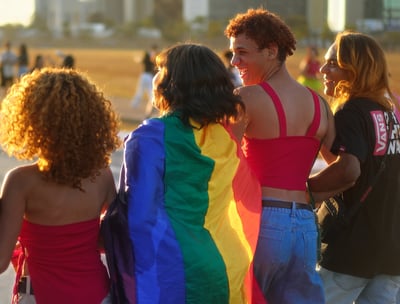
Pride Month serves as a powerful reminder of the ongoing struggle for equality and the progress that has been made, as well as the work that remains. It fosters a sense of solidarity within the LGBTQIA+ community and signals to the wider world that these identities are valid, celebrated, and deserving of respect and protection.
- Advocacy and Policy Change: Pride events often serve as platforms for advocacy, raising awareness about discriminatory laws and policies and campaigning for legislative protections. The visibility of Pride can influence public opinion and put pressure on lawmakers to enact inclusive legislation.
- Economic and Social Inclusion: As societal acceptance grows, so too does the potential for greater economic and social inclusion for LGBTQIA+ individuals. This includes fair employment practices, access to healthcare, and the ability to live openly and authentically without fear of discrimination.
- Cultural Enrichment: The LGBTQIA+ community has made significant contributions to art, culture, science, and every facet of society. Pride Month celebrates this rich heritage and encourages continued artistic and cultural expression.
- Global Solidarity: While Pride Month originated in the United States, it has become a global phenomenon. In many countries, LGBTQIA+ individuals face severe persecution, and Pride celebrations, even when suppressed, serve as acts of courage and defiance, fostering a sense of international solidarity.
In conclusion, Pride Month is a multifaceted observance with deep historical roots and profound contemporary relevance. It is a time for celebration, remembrance, education, and advocacy. By understanding its origins, acknowledging its importance in saving lives, and committing to ongoing learning, individuals can become more effective allies and contribute to a world where everyone feels safe, respected, and affirmed for who they are.
From all of us at Reward Gateway | Edenred, we wish you and yours a Happy Pride.