A new report from HRDive, published on May 22, 2026, reveals a significant decline in worker confidence regarding artificial intelligence (AI), underscoring the critical need for clearer guidelines and robust ethical frameworks governing its use in professional environments. While AI adoption continues to surge across industries, a growing apprehension among employees, particularly younger generations, suggests that the perceived benefits are increasingly being overshadowed by concerns over skill degradation, accountability, and long-term career implications. This shift in sentiment poses a substantial challenge for organizations aiming to leverage AI for productivity and innovation, highlighting the imperative for a human-centric approach to technological integration.
The findings are drawn from a comprehensive global survey encompassing 2,500 workers and IT leaders, which meticulously explored the evolving realities of AI deployment in workplaces and the myriad issues it has introduced. The study paints a dual picture: one of widespread enthusiasm for AI investment and rapid adoption, and another of mounting unease among the very workforce expected to utilize these tools.
The Pervasive March of AI Adoption
The integration of artificial intelligence into daily business operations has reached near-ubiquitous levels, a trend that has accelerated dramatically over the past few years. According to the HRDive-cited survey, an overwhelming 98% of IT leaders confirmed that their companies are actively utilizing AI technologies. This widespread embrace extends to the employee level, with 82% of workers reporting that they regularly incorporate AI tools into their job functions. Such statistics reflect a broad organizational commitment to AI, further supported by the fact that more than 9 out of 10 individuals surveyed expressed approval of their respective organizations’ investments in AI initiatives. This high level of approval suggests an initial understanding and acceptance of AI’s potential to streamline processes, enhance efficiency, and drive innovation.
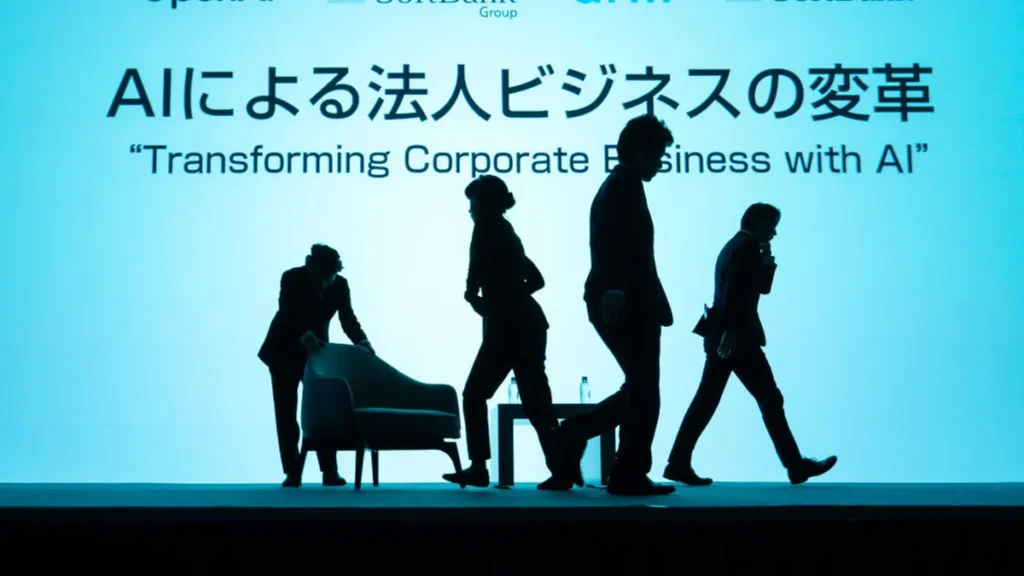
The momentum behind AI adoption is not merely anecdotal; it is a strategic imperative for many businesses seeking to maintain a competitive edge in a rapidly evolving global marketplace. Events like the "Transforming Corporate Business with AI" session held in Tokyo on February 3, 2025, a little over a year prior to the survey’s publication, illustrate the global focus on integrating AI into core business strategies. These forums serve as platforms for industry leaders to discuss best practices, showcase new applications, and foster a culture of technological advancement. However, beneath this veneer of technological progress, the latest research indicates a burgeoning undercurrent of concern among the very people whose daily tasks are being reshaped by these powerful tools.
Erosion of Confidence and Skill Sets
Despite the widespread adoption and initial approval, the survey uncovers a troubling erosion of worker confidence in the face of pervasive AI. A significant proportion of the workforce is beginning to question their own capabilities relative to AI, with approximately 3 out of 10 workers believing that AI is superior to them at performing their jobs. Even more striking, 28% of employees admitted to trusting AI more than they trust themselves, a sentiment that speaks volumes about the psychological impact of AI on professional self-efficacy and autonomy.
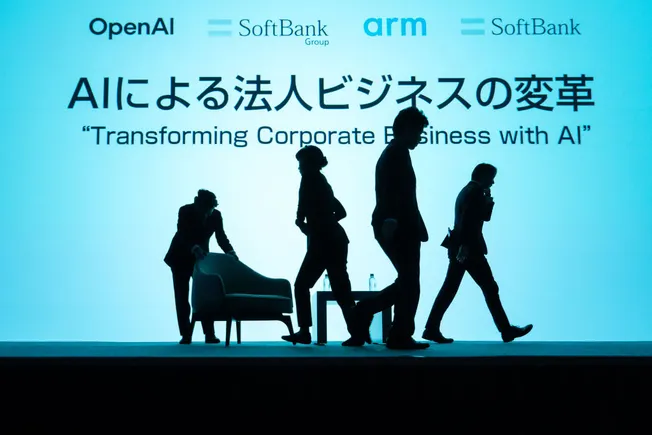
This dependency on AI is not without perceived long-term consequences. A substantial 41% of workers expressed concern that their excessive reliance on AI could negatively impact their career trajectories in the long run. This fear is not unfounded; the very act of delegating complex tasks to AI systems can, over time, lead to a decline in critical thinking, problem-solving abilities, and the development of specialized human skills. The image caption accompanying the HRDive article provides a stark data point supporting this concern: 39% of all workers and an even higher 46% of Generation Z specifically reported that their reliance on AI has demonstrably weakened their skillsets. This statistic is particularly alarming for Gen Z, as they represent the future workforce, and a foundational weakening of skills early in their careers could have profound implications for future innovation and human capital development.
The potential for deskilling represents a critical challenge that organizations must address. While AI can augment human capabilities, an over-reliance without proper training or clear guidelines risks creating a workforce that is less capable of independent thought and action. This phenomenon could lead to a paradox where the pursuit of efficiency through AI inadvertently diminishes the very human ingenuity that drives true innovation.
The Accountability Conundrum and the Blame Game
One of the most pressing ethical and practical concerns highlighted by the survey revolves around accountability for AI-generated errors. A staggering 83% of those surveyed voiced apprehension about being held personally responsible for mistakes made by AI systems. This concern is not theoretical; the survey reveals that 17% of all employees, and a significantly higher 30% of Gen Z workers, have already attributed their own professional errors to AI.
This "blame game" scenario introduces a complex ethical dilemma into the workplace. When AI systems make errors—whether due to faulty algorithms, biased data, or misinterpretation of prompts—the question of who bears the ultimate responsibility becomes murky. Is it the developer of the AI, the company that deployed it, the manager who assigned the task, or the individual worker who used the tool? The current lack of clear guidelines often leaves individual employees in a vulnerable position, facing potential repercussions for issues beyond their control. This creates a disincentive for workers to fully embrace AI, fostering a culture of caution and distrust rather than confident collaboration.
The higher percentage among Gen Z workers who have blamed AI for mistakes could stem from several factors. As digital natives, they may be quicker to adopt new technologies, but perhaps also less critical of their outputs or less equipped to identify subtle errors. Alternatively, they may feel less empowered to challenge AI outputs, or perceive a greater risk in taking personal responsibility in an increasingly automated environment. Regardless of the underlying reasons, this trend necessitates immediate attention from corporate leadership and policymakers to establish clear lines of accountability, protecting workers while also ensuring the integrity of professional outputs.
Challenges in Quality Control and Return on Investment
The pervasive use of AI is also exposing significant weaknesses in organizational quality control mechanisms and the ability to accurately gauge the financial returns of AI investments. The survey reveals that just under half of employees (43%) admit to having used content generated by AI, even when they recognized its low quality. This statistic is particularly concerning as it suggests a compromise in quality standards, potentially driven by pressures for efficiency or a lack of robust oversight processes. The implications for customer satisfaction, brand reputation, and regulatory compliance are considerable if low-quality AI outputs are routinely integrated into final products or services.

Furthermore, the study highlights a critical gap in strategic AI deployment: 43% of IT leaders confessed that their companies are not very adept at accurately measuring the return on investment (ROI) of the AI tools they implement. This inability to quantify ROI suggests that many organizations might be investing heavily in AI based on perceived benefits rather than demonstrable financial or operational improvements. Without a clear understanding of AI’s actual value proposition, companies risk misallocating resources, failing to optimize their AI strategies, and potentially overlooking more effective human-led or hybrid solutions. This challenge underscores the need for more sophisticated metrics and evaluation frameworks that go beyond simple adoption rates to assess true impact on productivity, quality, and business outcomes.
The Imperative for Clearer Guidelines and Training
In light of these mounting concerns, the call for clearer guidelines surrounding AI usage becomes even more critical. Rich Veldran, CEO of GoTo, a company specializing in remote work and IT management solutions, emphasized this point, stating that offering effective AI training resources for workers directly benefits productivity and overall corporate well-being. Veldran articulated a vision where "The goal isn’t just smarter technology; it’s a smarter, more empowered workforce." This perspective advocates for a strategic approach that prioritizes human development alongside technological advancement.
Effective guidelines should encompass a range of issues, including:
- Ethical Use Policies: Defining what constitutes acceptable and unacceptable use of AI, particularly concerning data privacy, bias, and fairness.
- Human Oversight Mandates: Specifying instances where human review and intervention are mandatory for AI-generated outputs, especially in critical decision-making processes.
- Accountability Frameworks: Establishing clear lines of responsibility for AI errors, ensuring that individuals are not unfairly penalized for systemic or technological failures.
- Skill Development Programs: Implementing training initiatives that focus on augmenting human skills with AI, rather than replacing them, fostering a symbiotic relationship between workers and technology.
- Quality Assurance Protocols: Developing robust mechanisms to evaluate the quality and accuracy of AI outputs before their integration into workflows.
The absence of such frameworks creates ambiguity, fosters anxiety, and hinders the full, positive potential of AI. Organizations must move beyond mere deployment to focus on responsible integration, ensuring that technology serves humanity, not the other way around.
Broader Societal Implications and Negative Perceptions
The concerns raised by the HRDive report are not isolated incidents but reflect a broader societal unease regarding the burgeoning influence of AI. Recent research from the national nonprofit Jobs for the Future (JFF) corroborates this sentiment, revealing that out of more than 3,000 people surveyed, 44% believe AI is a net negative when it comes to fundamental aspects of life such as job hunting, wealth creation, and improving overall quality of life.
This widespread skepticism points to a critical juncture in the public’s perception of AI. While proponents often highlight AI’s potential for economic growth and societal advancement, a significant portion of the population is experiencing, or anticipating, adverse effects. This includes fears of job displacement, the exacerbation of existing inequalities, and a general feeling of being left behind by rapid technological change. The image depicting an event focused on "Transforming Corporate Business with AI" juxtaposed with the caption noting workers’ concerns about skill weakening vividly captures this dichotomy: the corporate push for transformation often overlooks the immediate human impact.

The implications for policymakers are profound. Governments worldwide, from the European Union with its AI Act to various national initiatives in the United States and Asia, are grappling with how to regulate AI responsibly. The insights from surveys like the one cited by HRDive provide crucial data for shaping regulations that not only foster innovation but also protect workers, ensure ethical deployment, and address societal anxieties. Without proactive measures, the growing divide between technological advancement and human well-being could lead to significant social and economic disruption.
Navigating the Future of Work: A Balancing Act
The findings from the HRDive article serve as a powerful reminder that the successful integration of artificial intelligence into the workplace is fundamentally a balancing act. On one side lies the immense potential for enhanced productivity, innovation, and economic growth that AI promises. On the other, the very real concerns of workers—skill erosion, accountability gaps, and a broader sense of mistrust—demand immediate and thoughtful attention.
The journey towards a truly "smarter, more empowered workforce," as envisioned by GoTo’s CEO Rich Veldran, requires more than just deploying advanced technology. It necessitates a profound commitment to human-centric design, ethical governance, and continuous investment in employee training and development. Companies must foster environments where AI is seen as an augmentative partner rather than a replacement or an inscrutable black box. This means designing AI tools with human oversight built-in, establishing transparent decision-making processes, and empowering employees with the knowledge and skills to effectively collaborate with AI.
The timeline from the "Transforming Business through AI" event in early 2025 to the publication of these concerning findings in mid-2026 highlights that the initial phase of enthusiastic AI adoption is giving way to a more nuanced understanding of its practical challenges. As AI technologies continue to evolve at an unprecedented pace, the urgency to develop clear, comprehensive, and adaptable guidelines for their responsible use in the workplace will only intensify. Failure to address these growing worker concerns risks not only undermining the potential benefits of AI but also fostering widespread disillusionment and resistance, ultimately impeding the very progress that AI is designed to deliver. The future of work, shaped by AI, hinges on a delicate negotiation between technological capability and human well-being.