The global landscape of early talent recruitment has undergone a significant transformation, prompting leading recruitment technology provider Yello to announce its acquisition of Symba, an innovative platform designed to manage internship and early career programs. This strategic move aims to create the industry’s first truly end-to-end solution for early talent engagement, directly addressing the mounting challenges faced by employers in attracting, nurturing, and retaining entry-level hires in an increasingly competitive and uncertain market. The acquisition is poised to redefine how organizations approach the entire early career journey, from initial contact to the first day of employment and beyond.
The world of work, particularly for early career professionals, has undeniably shifted. Employers in early talent recruiting consistently report a palpable difference in the hiring environment. A "rollercoaster job market," coupled with an "uncertain economy," has made candidates more cautious and discerning in their job search. Concurrently, expectations for employers have escalated, with young professionals seeking more than just a job; they demand meaningful engagement, clear career paths, and a supportive organizational culture. This confluence of factors has led to intensified competition among employers for top talent and a noticeable decline in candidate engagement throughout the hiring process. Recruiters are grappling with new hurdles, including diminished response rates, increased ghosting, and, most critically, a dramatic rise in accepted offers being reneged before the start date. In essence, connecting with and retaining entry-level talent has become an unprecedented challenge, necessitating a fundamental re-evaluation of traditional recruitment strategies.
Recognizing this critical juncture, Yello recently convened a panel of industry experts to dissect the prevalent gaps in current recruiting approaches. The discussion culminated in the official announcement of Yello’s acquisition of Symba, a move heralded as a game-changer for fostering stronger, more sustained connections with early talent. The combined entity promises to streamline the journey from a candidate’s very first conversation with a recruiter to their inaugural day at work, ensuring a cohesive and engaging experience that minimizes attrition and maximizes conversion rates.
Mapping the Early Career Journey: Uncovering the Engagement Gaps
A persistent misconception in early recruiting is that "it only happens in the fall." While the autumn recruitment season is undoubtedly a peak period for entry-level hiring, the reality is that cultivating robust talent pools, maintaining meaningful candidate relationships, and securing high offer acceptance rates demand a year-round commitment. To truly understand where potential hires are "falling through the cracks," it’s imperative to examine the entire early career hiring journey, particularly within the context of internship programs. This journey can typically be broken down into four distinct phases, each presenting unique opportunities and challenges for engagement.
Phase 1: Fall Recruiting – The Initial Momentum
Fall recruiting traditionally serves as the bedrock of early talent acquisition. This period is characterized by high energy and proactive outreach, as companies actively engage with potential new hires at career fairs, campus events, and online forums. Employers showcase their brand, highlight open roles, and strive to make a strong first impression. Successful fall campaigns often culminate in extending numerous offers and securing a promising cohort of talent for the upcoming year. This phase, while demanding, is generally viewed as successful when a robust class of interns or new graduates has committed to joining the organization.

Phase 2: The Candidate Engagement Gap – The Silent Period’s Peril
This is where the journey often becomes precarious. Picture an early talent hire: they’ve navigated a rigorous recruiting process, weighed multiple internship opportunities, and finally accepted an exciting offer from your organization. What follows, for far too many, is an extended period of "crickets." For the several long months that typically separate the fall recruiting season from the summer internship start date (often November to May), these promising candidates hear virtually nothing from their prospective employer. This prolonged silence represents the "candidate engagement gap," a critical vulnerability where organizations face the greatest risk of losing new hires before they even begin.
Industry data starkly underscores the dangers of this passive approach. Research indicates that 52% of candidates are still actively applying for jobs even after accepting a role. This statistic, drawn from various talent acquisition reports including Yello’s own "2024 State of Campus Recruiting Report," highlights a significant shift in candidate behavior. Young professionals, often driven by anxiety about the future and a desire for optimal career security, remain open to alternatives. Compounding this challenge, there has been a staggering 100% increase in renege rates since 2021, with a specific 10% increase in intern reneges. These figures represent not just lost talent but significant financial repercussions, as organizations lose an average of $4,700 or more per reneged offer. This cost encompasses not only the initial recruitment expenses but also the opportunity cost of an unfilled position and the resources required to restart the hiring process.
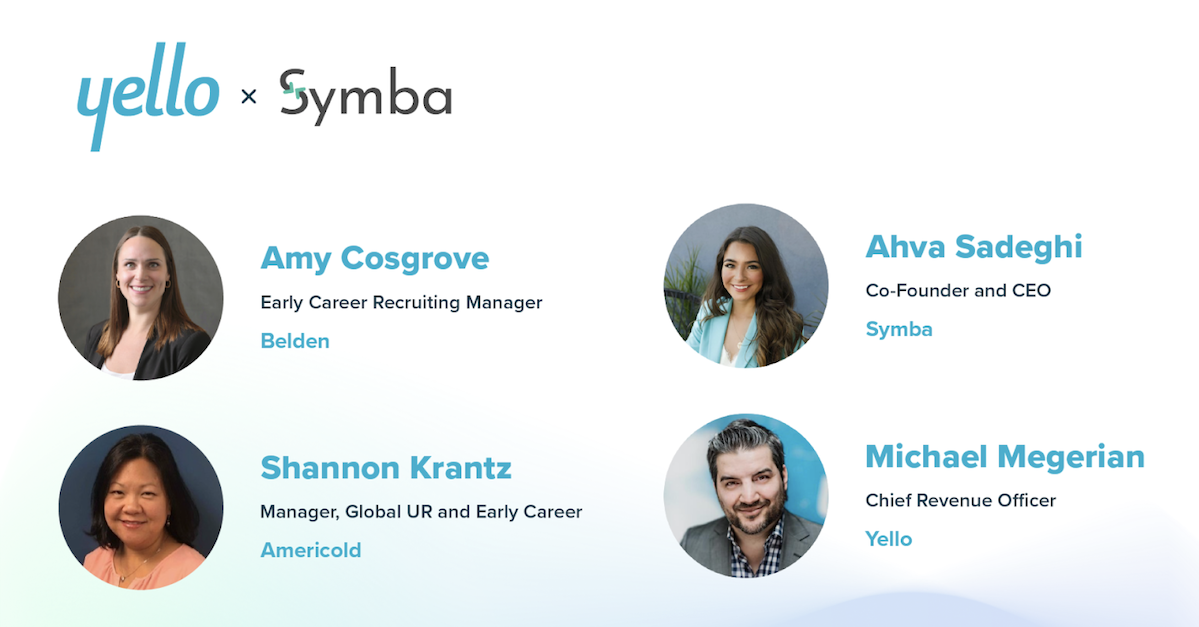
Ahva Sadeghi, Co-Founder and CEO of Symba, eloquently captured this issue: "At the beginning of my career, I had six different internships. For most, I didn’t get any emails from my employer until the week before my internship started. That’s a lot of silence." This anecdotal evidence, supported by broader trends, paints a clear picture: top talent, even after accepting an offer, is continuously evaluating better opportunities. Without a deliberate and structured communication plan during this crucial post-offer period, organizations risk seeing their hard-won hires opt for a different path. This is precisely the window where employers need to re-engage, express enthusiasm, and consistently reinforce why their company offers the best growth opportunities.

Phase 3: Summer Internship Season – The Fruits of Labor
Assuming candidates successfully navigate the engagement gap, the summer internship season marks a period of intense activity. New hires are onboarded, managers and leadership actively participate in the internship program, and the organization begins to see the tangible benefits of its recruiting efforts. This phase focuses on delivering a valuable experience, providing mentorship, and immersing interns in the company culture. It’s a time when initial recruiting investments are expected to yield positive returns in terms of productivity and potential future hires.
Phase 4: Post-Internship Keep-Warm – Nurturing Future Leaders
The overarching goal of most internship programs extends beyond a temporary placement; it’s about identifying and cultivating a pipeline of qualified early talent for future full-time roles. Consequently, most early recruiting teams have some form of post-internship communication strategy. This typically involves following up with top performers, keeping them informed about relevant open roles, and extending invitations for full-time employment. However, even in this phase, opportunities for improvement often exist. Questions arise regarding the structure of this outreach, the frequency of check-ins, and the consistency with which the organization reminds past interns of its value proposition as an employer. A more proactive and personalized re-engagement strategy can further solidify these relationships and enhance conversion to full-time hires.

Yello Acquires Symba: Forging an End-to-End Solution
The increasing complexity and disjointed nature of early talent recruiting processes have made it clear that piecemeal solutions are no longer sufficient. It is within this context that Yello’s acquisition of Symba emerges as a timely and strategic response. The unified platform aims to holistically address the engagement gap and automate the most intricate aspects of early career hiring and onboarding.
"Early talent recruiting has only become more complex—and disjointed, piecemeal hiring processes are driving away potential new hires," states the official announcement. By integrating Symba’s robust capabilities, Yello intends to "strengthen the early career hiring journey from start to finish," empowering employers to automate the often-manual tasks associated with running internship and new grad programs, while simultaneously maximizing candidate engagement and conversion rates. Ahva Sadeghi, Symba’s Co-Founder and CEO, expressed profound optimism about the synergy: "Yello’s leadership is incredibly visionary. They’re thinking many steps ahead about what the market needs. This partnership introduces the first end-to-end early career solution in the market, and I’m excited for what’s to come."
This sentiment is echoed by users who have experienced Symba’s impact. Amy Cosgrove, Early Career Recruiting Manager at Belden, notes, "Using Symba to automate our communication strategy post-offer has made our strategy so much more structured. We’ve been on a constant journey of improvement since we started." The integration of Yello’s established talent acquisition platform with Symba’s specialized program management tools promises a seamless experience for both recruiters and candidates, reducing administrative burden for talent teams and providing a consistently engaging journey for prospective hires.

Assessing and Overcoming Engagement Deficits
Recognizing that communication pitfalls vary across organizations, a structured approach is essential for identifying and rectifying engagement gaps. While hiring cycles and outreach tactics may differ, a few universal best practices can help companies diagnose and improve their early talent communication strategies:
- Map Out Every Touchpoint: Begin by meticulously documenting every interaction point with new hires, from the moment an offer is accepted to their official start date. This comprehensive overview provides a foundational understanding of the candidate journey.
- Flag Silent Periods: Once the communication map is complete, identify any extended delays or "silent periods" where new hires are left without contact. These gaps are prime opportunities to inject additional, intentional touchpoints.
- Gather Feedback: Leverage the invaluable insights of both candidates and hiring managers. Conduct surveys or solicit anecdotal feedback to pinpoint existing gaps in the outreach strategy and understand what information or engagement methods would be most beneficial.
- Diagnose the Impact: Analyze recruitment metrics to understand the tangible consequences of engagement gaps. Is there an increase in renege rates? A drop-off in offer acceptance? A clear understanding of these impacts allows for targeted interventions.
Building a Consistent New Hire Communication Strategy
Once engagement gaps are identified, the next step is to implement expert-tested strategies to maintain continuous dialogue and foster stronger connections:

- Prioritize Gaps and Focus Areas: Define what constitutes a "5-star" new hire experience. What key messages about the employer brand, culture, or opportunities should be reinforced? Identify areas where the greatest impact can be made to surprise and delight new team members.
- Add Intentional Touchpoints: Effective engagement doesn’t necessarily mean daily or weekly communication, but rather consistent, value-driven interactions. Focus on 3-5 core messages about the employer brand – be it company culture, professional development, or networking opportunities – and ensure these are reiterated frequently through various outreach methods. Shannon Krantz, Manager, Global UR and Early Career at Americold, highlighted the necessity of automation for this, stating, "We’re sending out 40 emails every week for months on end. It’s impossible to manage without a tool like Symba, which can personalize our messaging and automate those activities so that we have more time to focus on strategic planning and reform our overall hiring structure."
- Build Human Connections: Facilitate meaningful relationships even before the start date. This could involve pairing incoming interns with current team members based on shared universities or interests, fostering peer-to-peer connections through dedicated social media groups, or scheduling virtual meet-and-greets between interns and their future managers. As Krantz suggests, "We keep the conversation going by asking interns fun questions via email that make them excited to respond, and so that they can get to know other interns. It can be something silly like ‘Who’s your favorite superhero,’ which is light but drives engagement and helps us gauge response rates."
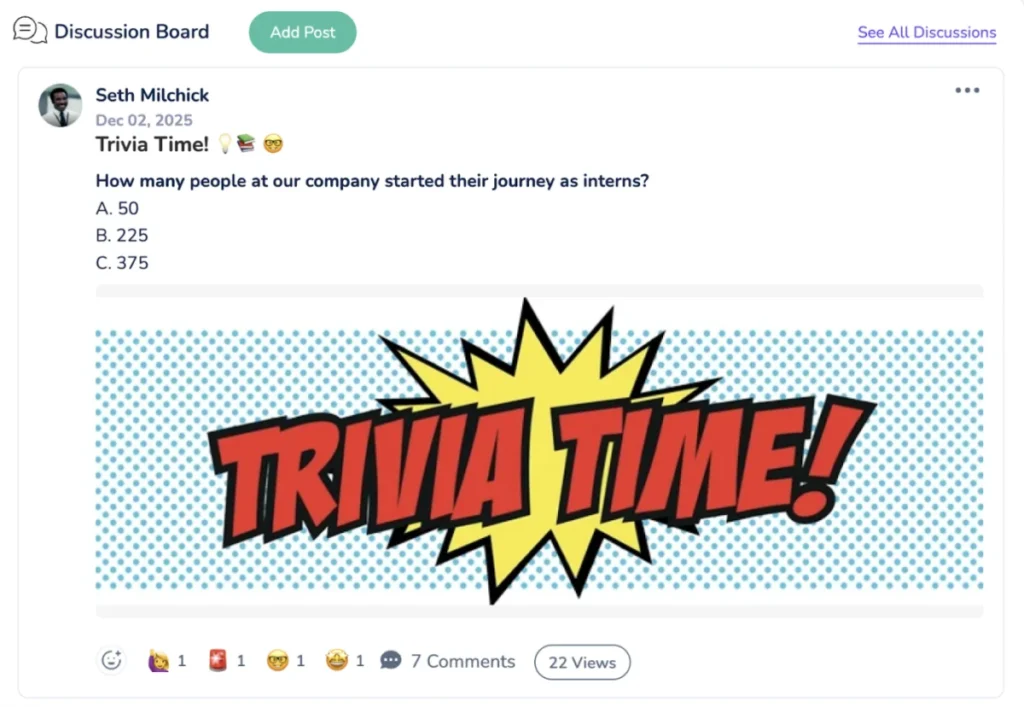
- Add Value Before Day One: Go beyond basic communication by offering tangible value. Sending company swag as a thank-you for accepting an offer can create excitement. Planning virtual panel discussions or networking events allows early talent to gain insights into their career path or meet future colleagues, demonstrating a commitment to their development even before they officially join. Amy Cosgrove notes, "We post ongoing discussion starters in Symba, like trivia questions where folks can enter for a raffle prize. It’s low-stakes and fun, so that it’s easy to participate and drive engagement."
- Lean on Technology: A comprehensive and personalized communication strategy at scale is virtually impossible without the right technological infrastructure. Platforms like the combined Yello and Symba solution are designed to automate personalized outreach, track engagement, and manage complex program logistics, freeing up recruiters to focus on strategic initiatives and high-touch interactions.
Broader Implications for the Future of Talent Acquisition
The Yello-Symba acquisition marks a significant milestone in the evolution of early talent acquisition. It signals a recognition within the industry that a proactive, integrated, and technology-driven approach is no longer a luxury but a necessity. For Yello, this move significantly expands its product suite, allowing it to offer a truly comprehensive solution that spans the entire early career lifecycle, thereby strengthening its market position as a leader in recruitment technology. For Symba, integration into a larger platform provides broader reach and resources to further develop its innovative tools.
For employers, the implications are profound. An integrated system promises improved efficiency, a notable reduction in costly renege rates, and the cultivation of stronger, more loyal talent pipelines. By enhancing the candidate experience, companies can bolster their employer brand, making them more attractive destinations for top early career talent. The focus on consistent engagement and human connection, powered by automation, transforms the recruitment process from a transactional exchange into a relationship-building journey. This strategic shift has the potential to yield higher conversion rates from intern to full-time employee and foster long-term retention.
Ultimately, this acquisition sets a new industry standard for holistic early career management. It underscores the critical importance of nurturing talent from the very first interaction. Organizations that embrace this integrated philosophy will gain a significant competitive edge, not just in recruiting but in building a sustainable and engaged workforce.

A Final Thought: Stronger Connections Start Long Before Day One
Early talent recruiting has evolved far beyond merely attracting promising candidates in the fall. It is now fundamentally about maintaining their connection, sustaining their excitement, and reinforcing their confidence in their decision at every stage of their journey. The data unequivocally demonstrates that periods of silence carry substantial costs in terms of lost talent, wasted time, and financial expenditure. However, with a meticulously planned engagement strategy, intentional and personalized communication, and the strategic deployment of advanced technological tools, organizations can transform today’s engagement challenges into tomorrow’s definitive competitive advantage.
Yello and Symba are jointly committed to enabling organizations to achieve precisely this. By simplifying candidate management and enhancing the critical touchpoints, the combined platform empowers companies to forge meaningful connections from the moment an offer is extended through to successful onboarding, ultimately converting more early talent into invaluable, long-term hires. The organizations that will thrive in this new era are those that do not merely recruit early talent, but actively nurture them, unequivocally support their development, and consistently demonstrate why they are an integral part of the organizational fabric.
For those eager to delve deeper into this transformative approach, the full conversation from the expert panel discussion is available for viewing.