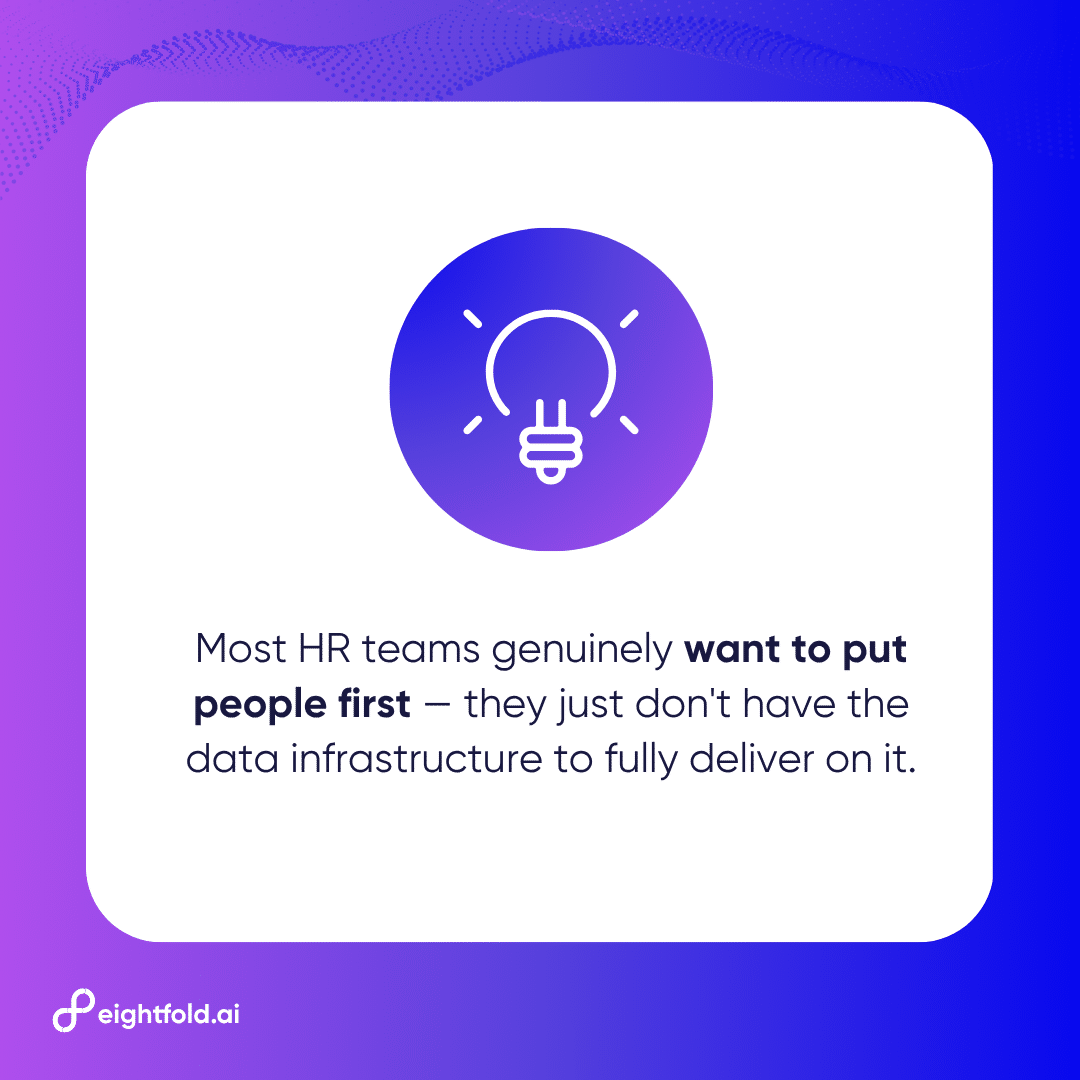
A truly people-first workplace is a dynamic environment where an organization’s workforce is not just an asset but its most valuable capital. It’s a place where individual skills, latent aspirations, and untapped potential are not only recognized but actively integrated into the very fabric of how work is designed and strategic decisions are made. This philosophy hinges on a proactive investment in employees, driven by a deep understanding of their capabilities and future potential. While many organizations express a strong commitment to this ethos, the practical execution often falls short, creating a discernible gap between stated values and employee experience.
For decades, the aspiration to foster a people-first culture has been a prominent objective for many human resources departments and organizational leaders. The intention is undeniably noble, often underpinned by strong corporate values and the dedication of well-meaning managers. However, historical limitations, primarily a pervasive lack of workforce visibility, have significantly hindered the consistent and widespread adoption of these principles. The foundational data infrastructure prevalent in most organizations was not architected to provide the granular, dynamic insights necessary to translate these people-centric values into tangible daily realities. This is where the transformative power of AI-powered talent intelligence is beginning to reshape the landscape.
The Elusive Nature of a People-First Culture
When queried about their organization’s commitment to a people-first approach, a majority of HR leaders are likely to affirm their dedication. Yet, a candid conversation with their employees often reveals a more nuanced and sometimes contradictory reality. This discrepancy between organizational intent and employee perception is a persistent challenge, frequently stemming from the blind spots inherent in traditional HR data systems.
Consider the typical toolkit available to HR teams: job descriptions that may be years out of date, annual performance reviews that offer a static snapshot rather than a view of an employee’s developmental trajectory, and skills data that is often siloed across disparate systems, if captured at all. This fragmented approach fails to capture the fluid nature of the modern workforce. Roles are constantly evolving, new and critical capabilities are emerging, and employees are continuously developing in ways that current organizational systems are ill-equipped to systematically track. This disconnect means that valuable growth and development opportunities can be missed, both for the employee and the organization.
The Cost of Unseen Potential: Employee Disengagement and Exit
The consequences of this data deficit are profound and can directly impact employee retention. When an individual’s evolving skill set goes unrecognized, it can foster a sense of invisibility, leading them to question whether their contributions are truly seen and valued by leadership. Growth conversations that feel generic and lacking in personalization can contribute to emotional disengagement, where employees begin to mentally check out from their roles. Perhaps most critically, when internal opportunities are filled by external candidates who, while perhaps less qualified, possess greater visibility or perceived alignment with a narrow set of predefined criteria, existing employees may begin to actively seek opportunities elsewhere to advance their careers.
The iHire 2025 Talent Retention Report highlights this critical issue, revealing that nearly 19% of employees who voluntarily left their positions cited a lack of growth or advancement opportunities as their primary reason. This statistic underscores a significant business imperative: investing in internal development and mobility is not merely a perk, but a crucial strategy for retaining valuable talent.
A common scenario illustrates this challenge: a company enthusiastically launches a "people-first growth initiative," encouraging managers to champion internal mobility and with broad communication from HR about available opportunities. However, if the underlying technological infrastructure remains unchanged, an employee who has recently acquired crucial, AI-adjacent skills might have no effective mechanism to surface these new capabilities to leadership. Consequently, an open role that represents a natural and logical next step in their career path might go unnoticed by the hiring manager, who remains unaware of the employee’s relevant expertise. Six months down the line, that same employee may have accepted an offer from a competitor that recognized and valued precisely what they had to offer. The intention was sound, but the infrastructure was insufficient to support its realization.
AI-Powered Talent Intelligence: Illuminating the Path Forward
AI-powered talent intelligence is emerging as a pivotal solution, fundamentally altering this dynamic by preserving the human element of HR while equipping leaders with the unprecedented visibility required at the scale and speed demanded by today’s agile workforces. This technology moves beyond static databases and historical records, offering a dynamic, real-time portrait of the workforce. It reveals the existing skill sets within an organization, tracks the evolution of roles, identifies emerging skill gaps, and pinpoints employees possessing adjacent capabilities that position them for new opportunities.
In essence, talent intelligence transforms workforce data from a historical rearview mirror into a forward-looking lens, providing insights into the present and anticipating the near future. This shift is critical for proactive talent management and strategic workforce planning.
Real-Time Position Mapping: Adapting to Evolving Roles
The nature of many job roles has undergone a dramatic transformation in recent years. A marketing analyst position, for instance, bears little resemblance to its configuration even three years ago. Skills such as prompt engineering, AI-assisted content analysis, and automation oversight have become central to the role’s efficacy. However, legacy job descriptions may still reflect a function primarily centered on spreadsheets and segmentation reports.
AI-powered position mapping offers a solution by continuously monitoring and updating how roles are evolving in real time. This ensures that both employees and leaders are aligned on the current and future demands of their work. For employees, this provides much-needed clarity regarding their responsibilities and skill development needs. For organizations, it fosters more effective hiring processes, facilitates more impactful development conversations, and ultimately contributes to improved retention rates. This dynamic understanding of roles is crucial in an era of rapid technological advancement and shifting market demands.
Skill Adjacency and the Democratization of Internal Mobility
One of the most potent capabilities of AI-powered talent intelligence lies in its ability to uncover career pathways that would otherwise remain hidden. Consider a customer support specialist who possesses strong interpersonal and communication skills and has been actively developing proficiency in using AI tools. Intuitively, there is a clear and logical progression towards a product operations role, requiring a blend of technical understanding and customer-facing acumen. Without the data-driven insights provided by talent intelligence, this connection might never be made, leaving both the employee and the organization to miss a valuable opportunity.
When internal mobility is grounded in concrete, skills-based data, it ceases to be a matter of serendipity or luck for employees. Instead, it transforms into a strategic organizational capability, enabling proactive career development and talent deployment. This approach ensures that the right people are considered for the right roles, based on their demonstrable skills and potential, rather than on informal networks or visibility alone. This systematic approach to internal mobility can significantly boost employee engagement and reduce attrition.
Enhancing Equity in Internal Hiring Processes
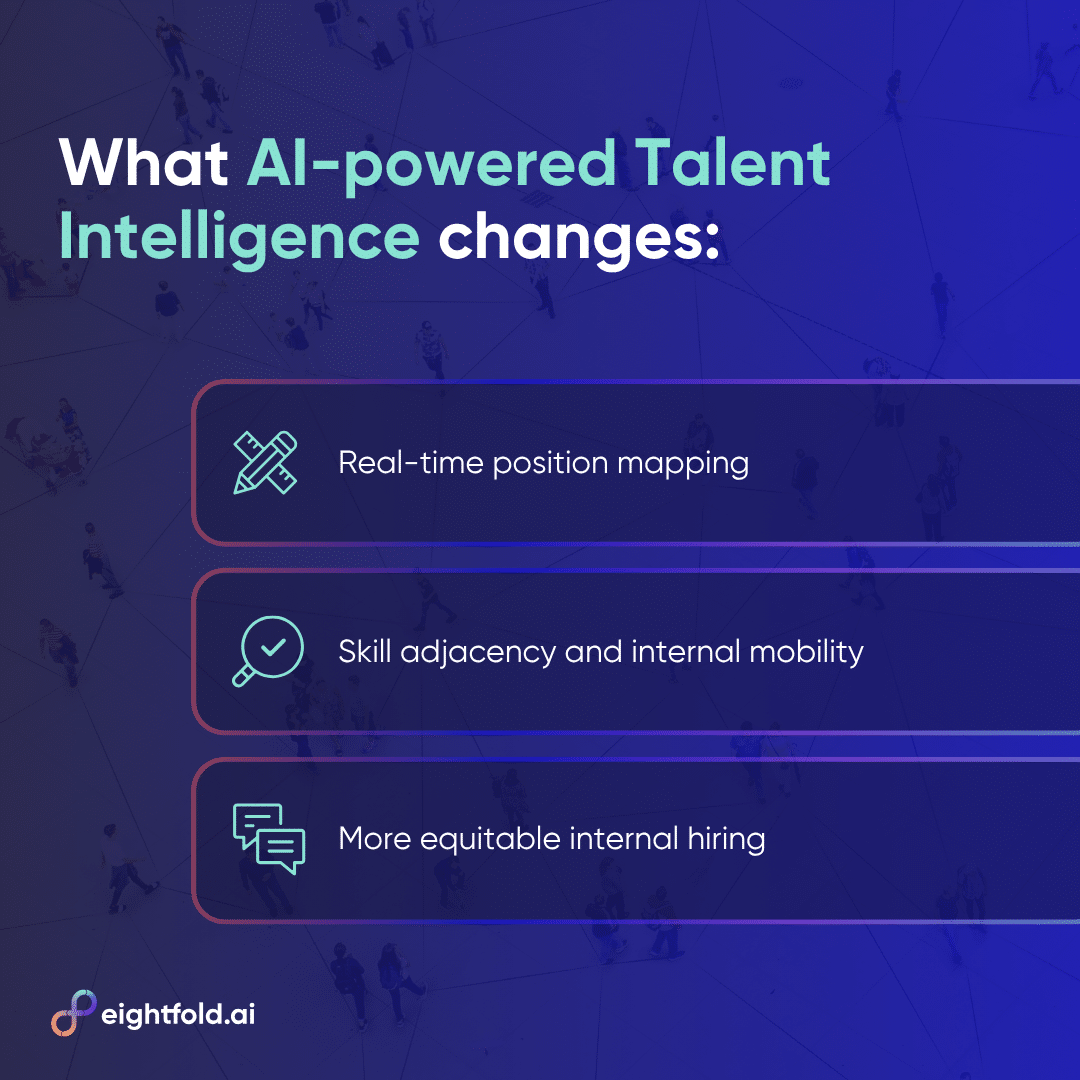
In traditional internal hiring paradigms, roles often gravitate towards the most visible employees within an organization, irrespective of whether they are the most qualified. This can inadvertently disadvantage less vocal or less connected individuals, even if they possess superior skills and experience. Skills-driven hiring, powered by AI talent intelligence, fundamentally alters this dynamic. A hiring manager might discover, through the system’s insights, that an employee they have minimal direct interaction with already possesses 80% of the requisite capabilities for an open position. This match would likely never have surfaced through a traditional résumé review, informal networking, or a standard performance evaluation. The outcome is a hiring process that is not only faster and more accurate but also demonstrably fairer, promoting a more diverse and meritocratic internal talent pool.
The Inseparable Link: Business Case and People Case
The discourse surrounding AI-powered talent intelligence can be framed purely in terms of organizational values and employee well-being. However, the business case for this technology is equally compelling, and the two dimensions are inextricably linked.
Organizations that foster clear internal career pathways experience improved employee retention. When employees see tangible opportunities for growth and advancement within their current company, their commitment deepens, and the risk of institutional knowledge walking out the door is significantly reduced. Furthermore, when internal hiring decisions are informed by comprehensive skills intelligence, the time-to-fill for open positions shortens considerably. This is because candidates who already possess a deep understanding of the company’s culture, processes, and objectives can be identified more rapidly.
Moreover, leaders who can accurately assess the real-time shape of their workforce’s capabilities are empowered to redeploy talent swiftly as organizational priorities shift. This agility builds inherent organizational resilience, allowing companies to adapt to changing market conditions and unexpected challenges without resorting to reactive and often costly scrambling.
Collectively, these outcomes cultivate a workforce that is not only more engaged and capable but also demonstrably more aligned with the strategic direction and evolving needs of the business. This synergy between employee development and business objectives is a hallmark of high-performing organizations.
People-First as a Practice, Not Just a Promise
In the coming decade, organizations that will truly excel in cultivating a positive and enduring culture will not be those with the most sophisticated policies or the most inspiring mission statements alone. Their success will hinge on their ability to truly "see" their people—their skills, their latent potential, and their individual growth trajectories—and to act upon these insights in meaningful and timely ways.
When thoughtfully implemented, AI-powered talent intelligence makes this level of proactive, people-centric management achievable. When skills data is clean, connected, and readily accessible, and AI-driven tools are seamlessly integrated into existing workflows, leaders and managers can transition from reliance on intuition to data-informed insight, generating real and measurable impact. This seamless integration closes the critical gap between an organization’s stated values and the lived experiences of its employees. This alignment transforms a "people-first" aspiration from a mere promise into a tangible reality, fostering sustained employee retention and a more engaged, productive workforce.
The forthcoming Cultivate event, scheduled for May 11-13 in Napa Valley, California, will feature discussions from industry leaders, including The Groove, on operationalizing skills-based hiring practices. Bonnie Dowler, Chief People Officer at The Groove, is expected to share insights into practical strategies for embedding these principles within organizational frameworks. Such events serve as vital platforms for knowledge sharing and the advancement of best practices in talent management, particularly as AI continues to redefine the future of work. The ongoing evolution of talent intelligence underscores a critical shift: the future of successful organizations lies in their capacity to understand, nurture, and strategically leverage the full potential of their human capital.