
Digital performance management systems have fundamentally reshaped how organizations perceive, quantify, and manage employee contributions. The integration of sophisticated software has streamlined the entire performance management lifecycle, offering efficiencies for administrators, managers, and employees alike. However, with a crowded and dynamic technology market, identifying the optimal performance management solution requires a strategic and informed approach. This guide delves into critical evaluation criteria and best practices for selecting the most effective performance management tools.
Understanding the Core of Performance Management Systems
At its heart, a performance management system encompasses the processes and technological tools designed to foster employee growth, provide constructive feedback, and ultimately enhance overall business outcomes. A robust system serves a dual purpose: boosting employee engagement and amplifying individual and team impact. It empowers managers with the insights and frameworks necessary to engage in continuous dialogue, offer timely coaching, and guide employee development effectively. The primary objectives of such systems are to create a clear understanding of expectations, facilitate ongoing feedback loops, support professional development, and align individual contributions with overarching organizational goals.

The Imperative for Modern Performance Management Software
In today’s competitive landscape, achieving and sustaining employee success is paramount for organizational resilience and growth. This extends beyond mere task completion to cultivating environments that nurture high-performing teams. Organizations still relying on outdated, annual performance review cycles are likely missing critical opportunities to engage their workforce and adapt to evolving business needs. A paradigm shift towards a more continuous, streamlined, and actionable performance management process is essential. This modern approach fosters several key benefits:
- Enhanced Employee Engagement: Regular feedback and clear goal alignment contribute significantly to employee motivation and commitment.
- Proactive Performance Improvement: Continuous monitoring allows for early identification and resolution of performance issues, preventing them from escalating.
- Agile Goal Setting and Adjustment: The ability to set, track, and adapt goals in real-time allows organizations to remain agile in response to market shifts and strategic priorities.
- Data-Driven Development: Performance data provides valuable insights for personalized employee development plans, addressing skill gaps and fostering career progression.
- Stronger Manager-Employee Relationships: Consistent, constructive communication builds trust and transparency, strengthening the foundation for effective collaboration.
A cutting-edge performance management system transcends being a mere evaluation tool; it acts as the foundational infrastructure for human resources departments and leadership to adapt, improve, and drive performance across all organizational levels.
Key Drivers for Adopting Performance Management Systems
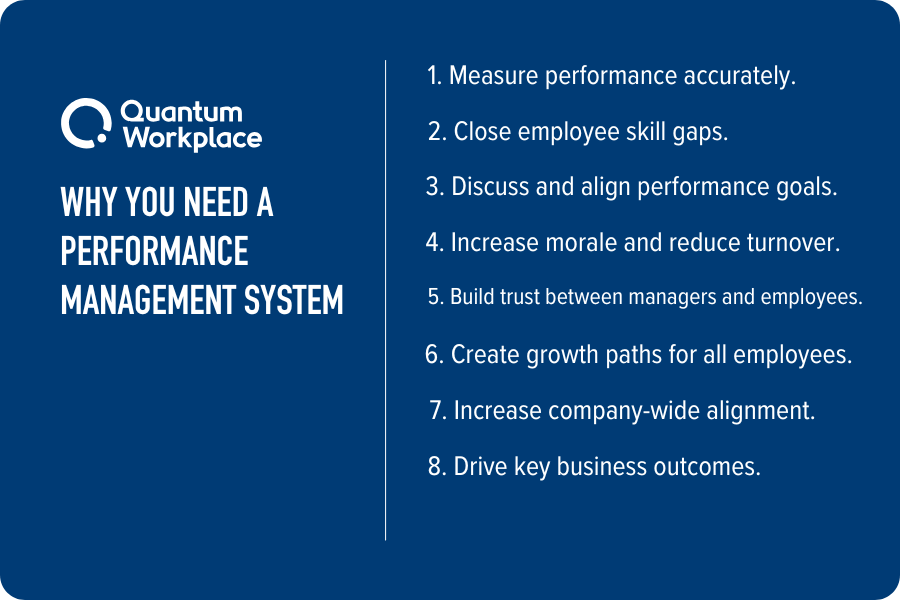
Leaders today recognize the critical role of effective performance management in achieving sustainable business success. The reasons for implementing a dedicated system are multifaceted and impactful:
-
Accurate Performance Measurement: While seemingly fundamental, achieving clarity on job responsibilities and performance expectations remains a challenge. Lighthouse Research & Advisory reports that only 36% of employees fully understand their roles and performance metrics. A well-implemented system provides the necessary clarity, aligning employee efforts with strategic organizational objectives and ensuring that performance is measured against clearly defined criteria.
-
Bridging Employee Skill Gaps: A significant portion of the workforce actively seeks more feedback and coaching. Data indicates that approximately 50% of employees desire additional feedback to enhance their skills. Performance management systems empower leaders to identify these skill gaps and collaboratively build targeted employee development plans, equipping individuals with the resources and guidance needed to excel.
-
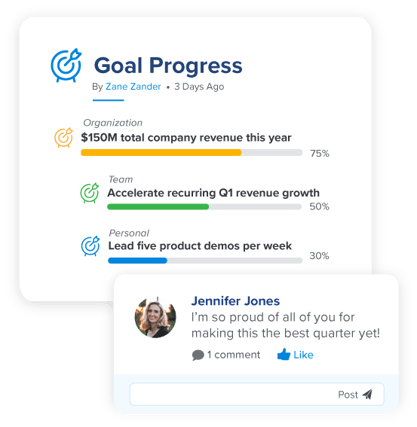
Aligning Employee Performance Goals: Clearly defined and communicated performance goals are potent drivers of engagement. Research consistently shows that employees with well-defined individual goals are twice as likely to be engaged. Performance management software facilitates the crucial process of aligning personal aspirations with broader organizational objectives, ensuring that individual efforts contribute to the collective success.
-
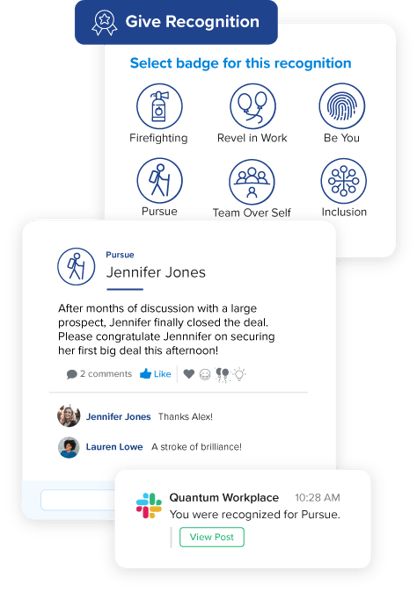
Boosting Morale and Reducing Turnover: Recognition and appreciation are deeply valued by employees. Astonishingly, only about 20% of employees feel genuinely recognized for their contributions, with half of all employees desiring more appreciation. A performance management system empowers leaders to implement consistent and meaningful recognition programs, significantly boosting employee morale and mitigating costly employee turnover.
-
Cultivating Trust Between Managers and Employees: Trust is the bedrock of any successful workplace. Effective performance management fosters transparency and fairness in evaluation processes. This builds a robust foundation of trust, which is indispensable for cultivating strong, collaborative working relationships. Organizations must prioritize providing regular, constructive feedback, fostering manager-employee connection, and ensuring clear visibility into performance metrics.
-
Establishing Clear Growth Pathways: Every employee deserves a transparent and actionable roadmap for career advancement within their organization. Performance management systems integrate the detailed elements required to bring talent development strategies to life, transforming talent development from an aspirational concept into a structured, executable process.
-
Enhancing Company-Wide Alignment: Performance management is intrinsically linked to organizational culture. Quantum Workplace’s research highlights its significant impact on culture, demonstrating how effective systems align team members with the company’s mission, purpose, and strategic goals.
-
Driving Critical Business Outcomes: Ultimately, a performance management system serves as a strategic business tool. Brandon Hall Group research indicates that a concerning 62% of organizations believe their current performance management processes do not effectively enhance performance. Modern systems are designed to drive the tangible outcomes and key results that are vital for business success.
Essential Components of Top-Tier Performance Management Software
An effective performance management system should seamlessly support the entire performance lifecycle, from initial planning to ongoing recognition. The core capabilities typically include:
-
Planning: This foundational phase involves defining and aligning employee goals with organizational objectives. Transparent and clearly articulated goals are crucial for setting the stage for success, enabling effective prioritization, and ensuring that individual contributions are directed towards strategic priorities.
-
Monitoring: Real-time data and actionable insights are essential for effective performance tracking. The right system should allow for the monitoring of key performance indicators (KPIs) and progress toward goals. A continuous monitoring approach helps teams proactively address challenges and sustain productivity.
-
Reviewing: This is the critical phase for employee development and evaluation. An effective system facilitates efficient and meaningful performance reviews, moving beyond simple appraisals to foster constructive dialogue. This includes providing a platform for objective feedback, identifying development areas, and acknowledging achievements. Furthermore, the system should support 360-degree feedback, offering a comprehensive view of an individual’s performance from multiple perspectives.
-
Recognizing: Employee recognition is a vital motivator. The system should equip leaders with the tools to acknowledge and reward employees for their efforts. Effective recognition amplifies employee motivation, fosters a positive work environment, and cultivates a culture of appreciation and excellence.
Key Features to Look for in Performance Management Tools
When evaluating performance management software, several key features are crucial for maximizing its utility:
1. Goal Setting, Tracking, and Collaboration
Clear, aligned, and shared goals are fundamental to organizational success, driving accountability and strategic alignment. Look for goal management features that enable:
.png?width=900&height=600&name=Essential-elements-of-employee-engagement-software_blog-image%20(2).png)
- Cascading Goals: Ability to link individual goals to departmental and organizational objectives.
- SMART Goal Frameworks: Support for setting Specific, Measurable, Achievable, Relevant, and Time-bound goals.
- Progress Tracking: Tools for employees and managers to update and visualize goal progress.
- Collaborative Goal Setting: Features that allow for input and alignment between employees and managers.
- Goal Library/Templates: Pre-defined goal templates to streamline the process.
2. Ongoing One-on-One Meetings and Performance Reviews
Regular, documented performance conversations are essential for a comprehensive understanding of employee performance and for boosting engagement.
-
One-on-One Meeting Software: Tools that empower future-focused, transparent, two-way conversations, including:
- Pre-meeting agendas and topic suggestions.
- Real-time note-taking and action item tracking.
- Historical review of past conversations.
- Manager and employee preparation checklists.
-
Performance Review Software: Features that facilitate accurate, easy, and actionable reviews, such as:

- Customizable review templates and workflows.
- Automated reminders and due date tracking.
- Integration of feedback from various sources.
- Self-assessment capabilities for employees.
- Manager review calibration tools.
3. Peer-to-Peer, Real-Time Employee Recognition
Effective recognition can significantly impact employee motivation. Look for features that enable:
- Public and Private Recognition: Options for both visible and discreet acknowledgments.
- Integration with Company Values: Ability to tie recognition to specific company values or behaviors.
- Peer-to-Peer Recognition: Empowering all employees to recognize colleagues.
- Social Feed/Wall: A central place to view and celebrate achievements.
- Gamification Elements: Points, badges, or leaderboards to enhance engagement.
4. Feedback Collection and Sharing
A strong feedback culture is intrinsically linked to a highly engaged workplace. The right software should facilitate:
- Continuous Feedback Channels: Easy ways for employees and managers to give and request feedback.
- 360-Degree Feedback: Anonymous or attributed feedback from peers, managers, and subordinates.
- Structured Feedback Templates: Guidance for providing constructive and actionable feedback.
- Feedback Aggregation: Centralized storage and easy retrieval of feedback for performance discussions.
- Anonymity Options: Ensuring a safe space for honest feedback.
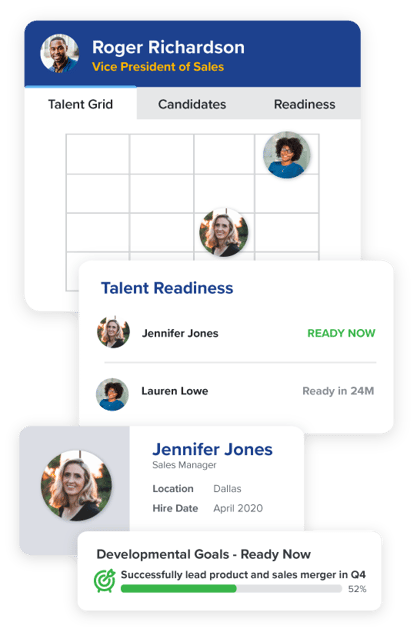
5. Vital Talent Metrics Tracking
Talent reviews are crucial for data-driven talent decisions. The system should support:

- Performance and Potential Matrices: Visualizing employee performance against potential.
- Talent Scorecards: Summarizing key talent data for individuals and teams.
- Skills and Competency Tracking: Identifying strengths and development areas.
- Historical Performance Data: Tracking performance trends over time.
- Identification of High Potentials: Tools to flag employees ready for advancement.
6. Identification of Top Talent and Successor Development
Proactively identifying talent gaps is key to minimizing business disruption and fostering a culture of growth. Look for features that support:
- Succession Planning Tools: Identifying critical roles and potential successors.
- Talent Pipeline Visualization: Understanding readiness for key positions.
- Development Plan Integration: Linking talent development to succession needs.
- Risk Assessment: Identifying employees at risk of leaving critical roles.
- Scenario Planning: Modeling the impact of talent movements.
Essential Questions for Evaluating Performance Management Solutions
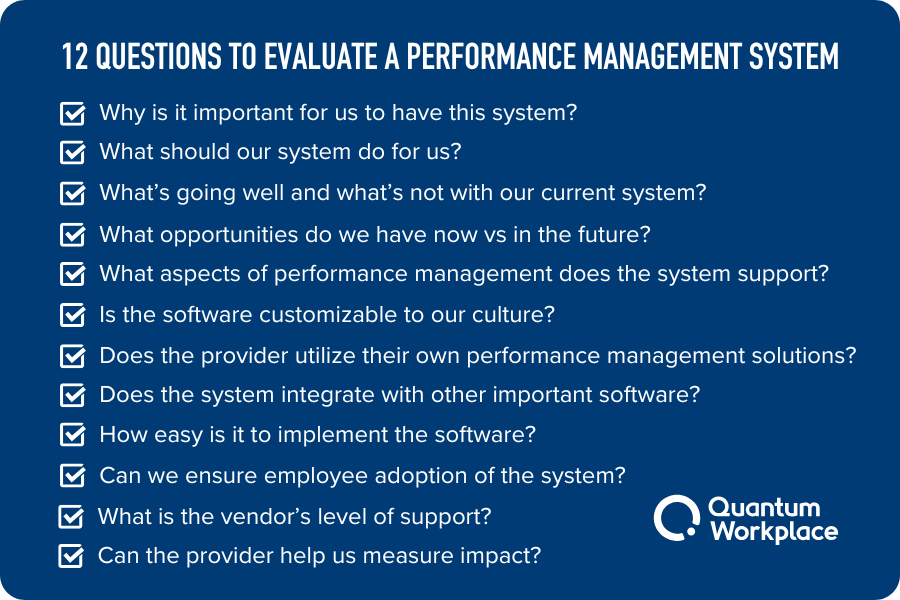
Selecting the right performance management system requires a thorough evaluation process. Here are key questions to consider:
Big-Picture Evaluation Questions
- Why is staff performance management software important for our organization? Understanding the core business drivers behind the investment will guide decision-making and build stakeholder buy-in.
- What specific outcomes should our performance management system deliver? Aligning software capabilities with desired improvements in productivity, engagement, and development is crucial.
- What aspects of our current system are working well, and what needs improvement? An honest assessment will highlight areas where new technology can add the most value. Employee engagement surveys can be invaluable for uncovering these insights.
- What are our current and future opportunities with performance management? Consider both immediate needs (e.g., transitioning from annual reviews) and long-term strategic goals (e.g., building a robust succession pipeline).
Software Evaluation Questions
- What core aspects of performance management does the system support? Ensure the software addresses the critical functions your managers need to effectively lead their teams.
- Is the performance management software customizable to our culture? The system should offer flexibility to adapt to your unique organizational culture and evolving needs, allowing for personalization of templates, workflows, and branding.
- Does the developer utilize their own performance management software? A provider that uses its own tools demonstrates a commitment to and belief in its product.
- Does the performance management software integrate with other systems? Seamless integration, particularly with HRIS, minimizes administrative burden and ensures data consistency.
Service Evaluation Questions
- How easy is the implementation process for the performance management system? A straightforward implementation process facilitates quicker adoption and greater buy-in from managers and employees.
- Can we ensure manager and employee adoption of the system? The vendor should demonstrate how they support adoption through training, resources, and a user-friendly interface that provides inherent value.
- What is the vendor’s level of support? Look for a partner that offers comprehensive support throughout the lifecycle of the system, from initial implementation to ongoing coaching and issue resolution.
- Can the software provider help us measure the impact of the system? A robust system should offer analytics and reporting capabilities to demonstrate its value and inform future strategy.
Comparing Performance Management Solutions
When comparing different performance management solutions, organizations typically encounter several categories:

- HRIS Solutions: While offering a broad range of HR functionalities, HRIS systems often have limited depth in specialized areas like performance management, making them less ideal for comprehensive strategies.
- Point Solutions: These are purpose-built for performance management and offer advanced features and specialized capabilities that can significantly enhance performance initiatives.
- Basic Office/Google Tools: These are accessible and cost-effective for simple tasks but lack the automation, integration, and analytical depth required for sophisticated performance management.
- Manual Spreadsheets: While low-cost, spreadsheets are time-consuming, prone to errors, and offer minimal insights, making them unsuitable for robust performance tracking and analysis.
Leading Performance Management Systems for 2026
As organizations navigate the evolving landscape of employee management, several platforms stand out for their comprehensive features and impact:
-
Quantum Workplace: This talent management platform focuses on providing leaders with clarity and confidence to build thriving teams. Its performance management tools are designed to empower managers in coaching and driving business impact. Quantum Workplace also offers employee engagement and development suites, underpinned by over two decades of experience in talent management and a strong reputation for customer satisfaction. Reviewers often highlight its ease of use and supportive customer service, though some note challenges with navigation and administrative control.
-
Lattice: An AI-powered people platform, Lattice aims to enhance manager effectiveness, streamline operations, and leverage workforce insights. Users commend its user-friendly interface, goal-tracking capabilities, and integration with other systems, along with responsive customer support. Criticisms sometimes arise regarding limited customization and the complexity of certain features.

-
Culture Amp: Culture Amp is recognized for its ability to collect and analyze employee feedback, foster high-performing teams, and drive employee development. Its strengths lie in its intuitive interface and comprehensive feedback gathering. However, users have occasionally pointed to navigation challenges, limited customization, and a steep learning curve due to its extensive feature set.
-
15Five: This platform combines generative AI, custom analytics, and human-centered principles to help businesses and employees thrive. It offers tools for engagement, performance, and retention, including 360 reviews, goal tracking, and manager development. While praised for its holistic approach, some users have reported issues with customer support responsiveness and initial setup complexity.
-
PerformYard: Geared towards small businesses, PerformYard offers an intuitive interface for managing reviews, setting goals, and providing feedback. Its strengths include customizable options and ease of use for basic performance management needs. Some users have noted that the platform might be too generic for highly complex organizational structures.
-
Leapsome: Leapsome is a people enablement platform connecting performance management, employee engagement, and learning. It provides tools for goals, reviews, development, and feedback. Users appreciate its user-friendly interface and robust feedback mechanisms. However, a steep learning curve and occasional performance issues like slow load times have been noted.
Transitioning to Continuous Performance Management
The distinction between traditional and continuous performance management is significant. Traditional models typically involve annual or semi-annual reviews focused on past performance, while continuous performance management emphasizes ongoing feedback, coaching, and agile goal adjustment. Many organizations find a hybrid approach beneficial, blending the structure of traditional methods with the dynamic nature of continuous feedback. Embracing a more continuous strategy involves:
- Establishing Regular Check-ins: Implementing frequent one-on-one meetings between managers and employees.
- Encouraging Real-time Feedback: Fostering a culture where feedback is given and received throughout the year.
- Focusing on Development: Shifting the emphasis from purely evaluative to developmental conversations.
- Leveraging Technology: Utilizing performance management software to facilitate these ongoing processes.
This evolution is an ongoing journey, and organizations should continuously iterate and refine their practices based on what proves most effective.

Quantum Workplace’s Performance Pathways
Recognizing that a one-size-fits-all approach to performance management is ineffective, Quantum Workplace offers "Performance Pathways." These customizable frameworks are designed to help organizations quickly implement robust performance management programs without starting from scratch. By considering an organization’s unique characteristics and maturity level, these pathways provide a structured yet adaptable solution for developing a performance management process that truly suits its needs.
In conclusion, the adoption of digital performance management systems is no longer a luxury but a strategic imperative for organizations seeking to optimize employee performance, foster engagement, and drive sustainable business success in the modern era. By carefully evaluating needs, understanding key features, and asking the right questions, companies can select and implement solutions that empower their workforce and contribute significantly to organizational growth.