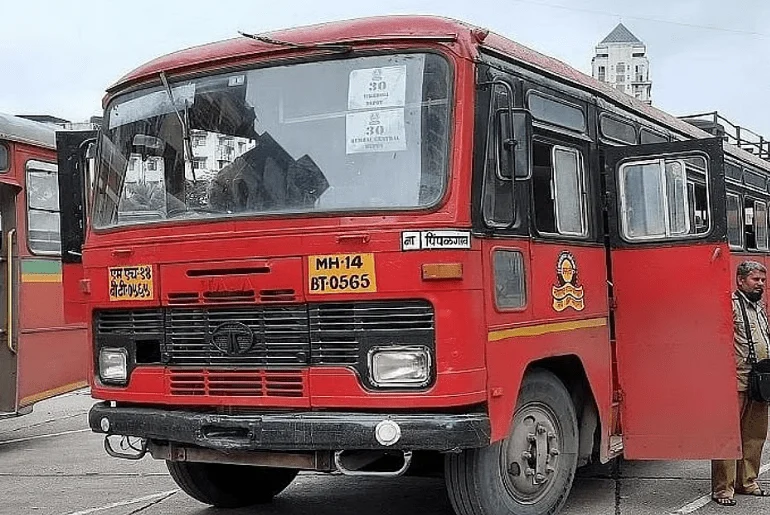
The Maharashtra state government has officially sanctioned a significant 5 per cent increase in the Dearness Allowance (DA) for employees of the Maharashtra State Road Transport Corporation (MSRTC), elevating the allowance from 53 per cent to 58 per cent of their basic pay. This pivotal decision, announced by Maharashtra’s Transport Minister and MSRTC Chairman Pratap Sarnaik, aims to align the DA of transport corporation employees with that of other state government staff, a long-standing demand. The move is poised to directly benefit an estimated 86,000 employees who form the backbone of the corporation’s expansive transport network, spanning across urban and rural Maharashtra. While providing a much-needed financial respite amidst persistent inflationary pressures, this decision simultaneously places an additional financial burden of approximately Rs 13.75 crore on the state-run undertaking, which is already grappling with substantial fiscal challenges. Furthermore, the government has committed to releasing pending House Rent Allowance (HRA) arrears, an initiative projected to cost the corporation nearly Rs 100 crore, underscoring the state’s intricate balancing act between employee welfare and financial prudence.
The Decision and Its Immediate Impact
The recent announcement regarding the Dearness Allowance increment marks a crucial development for the dedicated workforce of MSRTC. The 5 per cent hike, taking the DA from an existing 53 per cent to a new rate of 58 per cent, is designed to help employees mitigate the escalating cost of living. Dearness Allowance is a compensatory payment made by the government to its employees and pensioners to offset the impact of inflation. It is typically revised twice a year, in January and July, based on the Consumer Price Index for Industrial Workers (CPI-IW). For MSRTC employees, who have historically sought parity with their counterparts in other state government departments, this adjustment represents a partial victory in their ongoing pursuit of equitable compensation.
Transport Minister Pratap Sarnaik, in his official announcement, emphasized the state government’s commitment to the welfare of MSRTC employees, acknowledging their tireless service in connecting remote parts of Maharashtra. "This increase is a testament to our government’s dedication to ensuring our transport workers receive fair compensation, bringing their Dearness Allowance in line with other state government employees," Minister Sarnaik stated, further directing MSRTC officials to ensure that any future revisions in DA and salary scales are extended to the corporation’s employees without undue delay. This directive aims to prevent the accumulation of arrears and address the historical delays that have often characterized such revisions within MSRTC.
The decision is expected to boost the morale of thousands of drivers, conductors, mechanics, and administrative staff who form the vast workforce of MSRTC. These employees often work in challenging conditions, ensuring connectivity and accessibility for millions of citizens daily. The increased allowance will translate into a tangible improvement in their monthly take-home pay, offering some relief against the backdrop of rising essential commodity prices and general inflation.
Understanding Dearness Allowance: A Crucial Component of Employee Welfare
Dearness Allowance is more than just an additional payment; it is a vital mechanism designed to safeguard the real income of government employees and pensioners against the erosion caused by inflation. In essence, it acts as a cost-of-living adjustment, ensuring that the purchasing power of their salaries remains relatively stable over time. In India, DA is typically linked to the Consumer Price Index for Industrial Workers (CPI-IW), compiled by the Labour Bureau. As the CPI-IW rises, indicating an increase in the cost of living, the DA is adjusted upwards to compensate.
For public sector undertakings like MSRTC, the issue of DA parity with state government employees has been a recurring point of contention. While central government employees receive DA based on central pay commission recommendations, state government employees’ DA is determined by respective state governments, often following similar patterns. However, employees of state PSUs sometimes face delays or discrepancies in receiving these benefits, leading to demands for harmonization. The MSRTC employees have long argued that their responsibilities and working conditions are comparable to, if not more arduous than, many state government roles, thus warranting similar compensation structures. This recent decision, therefore, addresses a fundamental aspect of fair remuneration and equity, attempting to bridge a historical gap in employee benefits.
The calculation of DA is a technical process. For state government employees, the DA is usually expressed as a percentage of the basic pay. When the CPI-IW increases, the government calculates the percentage increase needed to compensate for the rise in living costs, and this percentage is then applied to the basic pay. The increase from 53% to 58% signifies that for every Rs 100 of basic pay, an MSRTC employee will now receive Rs 58 as DA, up from Rs 53. This seemingly small percentage can translate into a significant amount, especially for employees in higher pay scales, providing crucial financial stability for households.
The Broader Financial Landscape of MSRTC
The Maharashtra State Road Transport Corporation is not merely a transport provider; it is a lifeline for millions across Maharashtra. Established in 1950, MSRTC has grown to become one of the largest public transport undertakings in the country. It boasts an extensive fleet of over 15,000 buses, operating approximately 62,000 daily trips across more than 18,000 routes. Annually, MSRTC buses traverse an astounding 500 million kilometers, serving over 55 lakh passengers daily and connecting remote villages to urban centers. With a workforce exceeding 86,000 employees, MSRTC is a significant employer and a crucial driver of economic activity, particularly in rural areas where it often provides the only affordable mode of transport.
Despite its immense scale and vital public service, MSRTC has been plagued by chronic financial challenges for decades. The corporation operates on thin margins, often balancing its social obligation to provide affordable transport, especially in loss-making rural routes, with the need for financial viability. Factors contributing to its precarious financial health include:
- Rising Fuel Costs: Diesel prices, a major component of operational expenditure, have seen volatile and generally upward trends, severely impacting MSRTC’s budget.
- Aging Fleet and Maintenance Costs: A significant portion of MSRTC’s fleet requires regular maintenance and eventual replacement, incurring substantial capital expenditure.
- Employee Remuneration: As a labor-intensive organization, salaries and allowances constitute a large chunk of its operating costs.
- Competition: Increasing competition from private bus operators and other modes of transport in profitable routes affects its revenue streams.
- Impact of COVID-19: The pandemic dealt a severe blow to MSRTC, leading to prolonged lockdowns, drastically reduced ridership, and immense revenue losses, from which it is still recovering. During the peak of the pandemic, MSRTC’s daily revenue plummeted, forcing it to rely heavily on government bailouts.
These challenges have frequently led to MSRTC operating in deficit, necessitating government support and subsidies to sustain its operations. The corporation has often struggled to implement timely salary revisions or provide allowances at par with other state government employees, leading to discontent among its workforce and sporadic agitations.
Financial Implications of the Revision
The approval of the 5 per cent DA hike and the release of HRA arrears, while beneficial for employees, will undoubtedly add to MSRTC’s already strained financial position. The enhanced DA is estimated to result in an additional financial burden of approximately Rs 13.75 crore on the corporation. Assuming this figure is a monthly expenditure, it translates to an annual increase of nearly Rs 165 crore in employee costs. This substantial amount will be a recurring expense, directly impacting MSRTC’s operational budget.
Even more significant is the decision to release pending House Rent Allowance (HRA) arrears, which is expected to cost the corporation nearly Rs 100 crore. Unlike the DA hike, this HRA expenditure is likely a one-time outlay to clear accumulated dues. However, a Rs 100 crore payout represents a considerable sum for an entity often operating on the brink of financial insolvency. These arrears likely accumulated due to past delays in aligning MSRTC’s HRA structure with that of state government employees or due to deferred payments during periods of severe financial crunch.
To put these figures into perspective, MSRTC’s annual revenue, prior to the pandemic, hovered around Rs 7,000-8,000 crore, with significant operational deficits often covered by government grants. The additional Rs 165 crore annually for DA and Rs 100 crore for HRA arrears will necessitate careful financial planning and potentially further government assistance. The corporation relies heavily on daily ticket sales for revenue, and any increase in expenditure without a corresponding rise in income puts immense pressure on its financial sustainability. This situation highlights the complex dilemma faced by the state government: balancing the legitimate welfare demands of its employees with the fiscal realities of running a massive public utility.
Union Reactions and Persistent Demands
The announcement of the DA hike has been met with a mixture of welcome and cautious optimism from various employee unions representing MSRTC workers. While acknowledging the positive step, union leaders have been quick to emphasize that this is only a partial fulfillment of their broader demands and have urged the government to address other outstanding issues with urgency.
"We welcome the government’s decision to increase the Dearness Allowance, which will provide much-needed relief to our hardworking employees struggling with inflation," stated a spokesperson for the MSRTC Kamgar Sanghatana, one of the prominent unions. "However, this goodwill gesture must be followed by concrete action on the pending DA arrears and, more importantly, the immediate release of HRA arrears, which have been delayed for far too long. We urge the government to clear all pending arrears by the end of June as promised."
Another union representative from the ST Workers’ Union highlighted the long-standing demand for full implementation of the 7th Pay Commission recommendations for MSRTC employees, which would bring their entire salary structure, not just DA, at par with state government staff. "Our employees have been patiently waiting for full parity in all aspects of remuneration. While DA is a good start, the government must also accelerate the phased release of pending salary revision arrears and ensure that MSRTC employees are not left behind," the representative added, alluding to past instances where MSRTC employees received revised salaries and allowances much later than their state government counterparts.
The unions have consistently pointed out the financial hardship faced by employees due to these delays. Many MSRTC workers belong to lower-income groups, and even small delays in their payments or arrears can significantly impact their household budgets, affecting their ability to meet daily expenses, educational costs for children, and medical emergencies. The unions’ stance reflects a deep-seated desire for security and equitable treatment, viewing timely payment of allowances and arrears not as a bonus, but as a fundamental right.
A Chronology of Welfare Measures and Financial Struggles
The history of MSRTC is intertwined with a recurring narrative of employee demands, financial struggles, and intermittent government interventions. Understanding this chronology provides crucial context for the current DA hike.
- Early Years (1950s-1970s): MSRTC expanded rapidly, becoming a pillar of public transport. Employee welfare measures were generally aligned with broader state policies.
- 1980s-1990s: The corporation began facing financial pressures due to rising operational costs and increased competition. Employee unions became more active, pushing for better pay and allowances.
- 2000s: MSRTC’s financial health deteriorated further, leading to frequent delays in salary payments and allowance revisions. Several employee strikes were organized, demanding implementation of pay commission recommendations and parity with state government employees. Government often provided bailout packages.
- 2016-2017: Implementation of the 7th Pay Commission recommendations for central government employees created a ripple effect. State governments began implementing similar revisions. MSRTC employees intensified their demands for similar treatment, leading to protests and negotiations.
- 2018-2019: Agreements were reached on certain aspects of pay revisions, but full implementation and clearance of all arrears remained a challenge due to MSRTC’s financial constraints.
- 2020-2021 (COVID-19 Pandemic): The pandemic exacerbated MSRTC’s financial crisis, leading to severe revenue losses and further delays in employee payments, which sparked widespread distress and more intense agitations. There were instances of employees resorting to extreme measures due to financial hardship.
- Early 2022: Following persistent demands and significant pressure from employee unions, the state government initiated renewed discussions on pending allowances and pay revisions for MSRTC.
- April 15, 2024: MSRTC introduces a seasonal 10% fare hike for ordinary bus services, initially scheduled to end in mid-June, to boost revenue during the summer travel season.
- May 2024: Maharashtra government formally approves the 5% DA hike for MSRTC employees, bringing it to 58%, and announces the release of HRA arrears. The seasonal fare hike is extended until July 15.
This timeline illustrates a consistent pattern: MSRTC employees often have to fight for benefits that are routinely extended to other state government staff, largely due to the corporation’s chronic financial instability.
Balancing Act: Employee Welfare vs. Fiscal Prudence
The state government’s decision reflects a delicate balancing act between its social responsibility to ensure the welfare of its employees and the imperative of fiscal prudence, especially concerning a perennially challenged public sector undertaking like MSRTC. On one hand, denying legitimate allowances to a dedicated workforce could lead to low morale, industrial unrest, and a decline in service quality. On the other hand, funding these increases without a sustainable revenue model could push MSRTC deeper into debt, requiring larger government subsidies in the future.
Transport Minister Sarnaik’s directive to ensure timely future revisions for MSRTC employees indicates a proactive approach to prevent the accumulation of arrears and reduce employee discontent. This policy shift, if effectively implemented, could foster greater trust between the management and the workforce. The government has also indicated that pending salary revision arrears will be released in phases, taking into account the corporation’s financial position. This phased approach, while potentially frustrating for employees eager for immediate payment, acknowledges the practical constraints of MSRTC’s balance sheet. It suggests a commitment to eventual payment while managing the immediate financial shock.
The government’s strategy seems to be one of gradual financial stabilization combined with responsive employee welfare measures. This approach aims to avoid a complete financial collapse of MSRTC while simultaneously addressing the legitimate demands of its employees, who are crucial for the continued functioning of the state’s public transport system.
The Seasonal Fare Hike: A Revenue Generation Strategy
In conjunction with the employee welfare measures, MSRTC has also extended its seasonal fare increase for ordinary bus services until July 15. The 10 per cent hike, which was initially introduced on April 15 and scheduled to conclude in mid-June, was a strategic move to bolster revenue during the bustling summer travel season. This period typically witnesses a surge in passenger traffic, particularly as schools close and families embark on vacations or visit relatives.
The extension of this fare hike for an additional month underscores MSRTC’s ongoing efforts to manage its precarious financial situation. The rationale behind this decision is multifaceted: to capitalize on continued demand, offset the persistent rise in fuel costs, manage increasing employee expenses (including the recently approved DA hike), and alleviate broader financial pressures. While this measure helps generate much-needed revenue, it also places an additional burden on passengers, especially daily commuters and those from lower-income groups who rely on MSRTC as their primary mode of transport. For many, particularly in rural and semi-urban areas, MSRTC services are not a luxury but an essential lifeline for work, education, and access to healthcare. The extended hike, while financially prudent for the corporation, might lead to some public resentment or reduced ridership if more affordable alternatives are available.
Looking Ahead: Sustainability and Modernization
The recent developments highlight the urgent need for MSRTC to move towards a more sustainable and modern operational model. While government support and welfare measures are essential, long-term viability requires fundamental reforms.
- Modernization of Fleet and Infrastructure: Investing in new, fuel-efficient buses, upgrading depots, and improving passenger amenities can enhance efficiency and attract more ridership.
- Technological Integration: Implementing smart ticketing systems, real-time bus tracking, and improved digital platforms can streamline operations and enhance the passenger experience.
- Route Optimization: Regularly reviewing and optimizing routes to ensure profitability and cater to evolving passenger demands can improve revenue generation.
- Diversification of Revenue Streams: Exploring avenues beyond ticket sales, such as cargo services, advertising, and commercial utilization of MSRTC properties, could provide additional income.
- Operational Efficiency: Reducing wastage, optimizing fuel consumption, and improving maintenance practices can lead to significant cost savings.
- Skill Development for Employees: Training programs for drivers, conductors, and technical staff can enhance service quality and operational safety.
The government’s commitment to ensuring timely revisions for MSRTC employees is a positive step, but it must be coupled with robust strategies to empower MSRTC to become self-reliant. The long-term implications for employee morale and public service delivery hinge on the successful implementation of these measures. MSRTC’s journey from financial instability to sustainable growth will require concerted efforts from the government, management, and employees, all while continuing to serve as the vital transport artery of Maharashtra.
In conclusion, the approval of the 5 per cent DA hike and the release of HRA arrears for MSRTC employees represent a significant effort by the Maharashtra government to address long-standing welfare demands and alleviate the financial strain on its transport workforce. However, these measures come with substantial financial implications for MSRTC, an entity already struggling with chronic deficits. The simultaneous extension of the seasonal fare hike underscores the ongoing challenge of balancing employee welfare with the critical need for revenue generation and fiscal responsibility. The path forward for MSRTC will be a complex interplay of continued government support, strategic financial management, and operational reforms aimed at ensuring both employee satisfaction and the sustained provision of essential public transport services across the state.