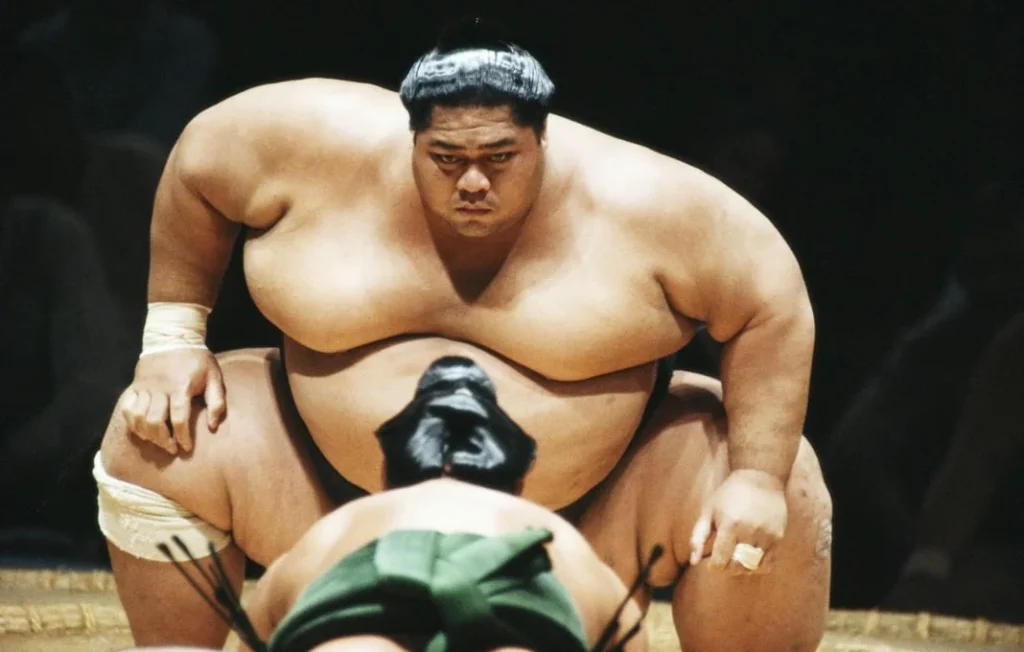
The immense figure of Konishiki Yasokichi, a name synonymous with groundbreaking achievement in the ancient sport of sumo, offers a profound lesson for anyone seeking to make their mark in any high-performance arena. From a small living room in the United Kingdom, the author recalls watching the colossal, yet remarkably calm, presence of Konishiki step onto the dohyo. Even as a child, there was an undeniable distinction about him; he didn’t conform to the typical mold of his peers, yet consistently overwhelmed his opponents match after match. Years later, a personal interview with Konishiki revealed the intricate tapestry of discipline, humility, and strategic differentiation that fueled his unparalleled career.
Konishiki’s legacy is not merely defined by being the first non-Japanese, Hawaiian-born wrestler to achieve the coveted rank of ozeki, nor by his three top-division championship victories. His true exceptionalism lay in his ability to redefine the very perception of size and athleticism within a deeply tradition-bound sport, all while weighing approximately 287 kilograms (over 630 pounds). He mastered the delicate equilibrium inherent in any high-performance system: understanding precisely when to integrate and when to distinguish oneself.
The Outsider’s Unvarnished Reality: Embracing Zero Authority
One of the most striking revelations from Konishiki’s interview was his candid assessment of his initial arrival in Japan. "When you come in to sumo, you have no authority. You have no stance. Especially when it’s something that you know nothing about," he stated. This wasn’t merely a comment on the rigorous nature of sumo but a testament to his profound clarity and strategic humility. Konishiki did not anticipate preferential treatment upon entering the insular world of Japanese professional wrestling. Instead, he understood that submission and deference were prerequisites. He described his entry into sumo as a "blind" endeavor, unable to speak Japanese and consciously choosing to "just shut up and listen."
This dynamic of assimilation versus differentiation is a recurring theme whenever an individual joins a robust organizational culture. Research from Stanford’s Human-Centered AI initiative echoes this tension, suggesting that initial alignment involves understanding the prevailing model of agency – whether it favors independence or interdependence. True differentiation then emerges from applying one’s unique background to offer insights that might elude those deeply entrenched within the system. In established organizations, whether it’s a sumo stable, a family enterprise, or a century-old institution, authority is rarely bestowed; it is meticulously accumulated through consistent, observable behavior.
Earning Credibility Through Unseen Labor
Sumo, at its core, is a sport that venerates endurance. Konishiki vividly recounted the arduous early mornings, beginning at 4 AM with tasks such as cleaning toilets and meticulously wiping floors by hand for months. He also prepared meals for senior wrestlers and unhesitatingly followed orders from everyone above him in rank. These were not symbolic gestures but tangible demonstrations of his commitment. "Everybody goes through that. It wasn’t something that was only for me," he emphasized, a crucial point often missed by those who feel their unique backgrounds should grant them immediate exemptions. Trust is not cultivated by highlighting one’s differences but by demonstrating respect for established protocols before attempting to challenge them.
This approach is vital for navigating what is often described as the "organizational immune system"—the ingrained habits and norms that instinctively resist perceived foreign elements or disruptive forces. Konishiki did not directly confront this inherent resistance; instead, he absorbed it. He then proceeded to excel within its established parameters. This strategy effectively neutralizes the natural tendency of established systems to reject newcomers.
The Power of Restraint: Silence, Results, and Invisible Strength
When confronted with external skepticism, including media criticism, public doubt, and cultural resistance, Konishiki’s response was remarkably straightforward: "I don’t waste my time fighting things I can’t control." He further elaborated on the athlete’s ultimate recourse: "If you’re an athlete, the only way you respond is through action. Shut up and work. Put out numbers."
This emphasis on restraint carries a distinctly Japanese ethos. Konishiki spoke of learning the concept of Mugen, or invisible strength – a power that is felt rather than seen. He understood that his instructors were imparting a deeper lesson, teaching him to internalize his drive and energy rather than projecting it outwardly. This internal fortitude, he explained, allowed him to "pull the fire inward rather than broadcast it outward." This unseen power, cultivated through rigorous self-discipline, was precisely what made him so unsettling to his opponents and observers alike. He was not performative; he was profoundly calm. In high-pressure environments, such composure can be perceived as a formidable threat.
Transforming Difference into Advantage, Not Liability
While Konishiki’s extraordinary physical attributes – bench-pressing over 500 pounds and squatting more than 600 pounds as a teenager – were undeniable factors, his ability to leverage his uniqueness was even more significant. Japan had never witnessed a man of his immense size move with such speed and power. However, what truly distinguished him was his deliberate effort to control his difference.
He recounted an instance where a comment he made, "sumo is a fight," drew criticism. This framing clashed with the prevailing cultural narrative of sumo as a ritualistic display of beauty and form. The issue was not the accuracy of his statement but his failure to yet master the nuanced language of the culture he was operating within. This experience taught him a critical lesson: being different does not grant a license for carelessness. Unmanaged difference can morph into risk; disciplined difference, however, transforms into a distinct advantage.
Split-Second Decisions: Calm Precedes Cleverness
The intense physicality of the tachiai, the initial charge in a sumo bout, demands split-second decision-making. There are no pauses, no opportunities for immediate resets. Konishiki clarified that the critical work is not performed in that fleeting moment but is meticulously prepared long before. "Once the plan is set, you don’t second-guess it," he stated. "If you think for even a moment, you’ve already lost." This wasn’t a declaration of aggression but a testament to profound preparation.
Perhaps most surprising was his description of his mental state just before impact: "I’m very relaxed," he said, almost casually. He explained that tension manifests physically—in the hips, stance, and breath—and that this tension invariably erodes clarity. By observing opponents long before the clash, analyzing their eyes, posture, and even subtle physiological changes, he was not reacting but recognizing pre-established patterns. This ability to remain calm and analytical under extreme duress is a hallmark of effective leadership. Those who falter in high-stakes situations often lack not intelligence but composure.
Lessons from the Dohyo for Business Leaders
Konishiki’s journey offers a pragmatic set of lessons directly applicable to leaders navigating established organizations or complex systems:
1. Embrace the "No Authority" Mindset:
Newcomers must acknowledge their initial lack of inherent authority. This means approaching new environments with a willingness to learn and understand existing structures before attempting to influence them.
2. The Discipline of Disappearing:
The initial phase of integration requires a conscious effort to blend in. This involves dedicated, often unglamorous, work that demonstrates commitment and respect for the established order. This period of "disappearing" is not about subservience but about building a foundation of trust and understanding.
3. Earn Your Stance Through Performance:
Credibility is not granted; it is earned through consistent, demonstrable results. This involves mastering the core skills and responsibilities of one’s role before advocating for significant change or innovation.
4. Master the Language of the System:
Understanding the cultural nuances, unspoken rules, and communication styles of an organization is crucial. Missteps in this area can inadvertently create friction, even when intentions are positive.
5. Convert Difference into Strategic Advantage:
Once a solid foundation of trust and understanding is established, an individual’s unique background and perspective can become a powerful asset. The key is to articulate these differences in a way that complements, rather than conflicts with, the existing organizational framework.
6. Cultivate Inner Calm Under Pressure:
The ability to remain composed and analytical in high-stakes situations is paramount. This is not an innate trait but a skill honed through preparation, self-awareness, and practice.
The Enduring Significance of Konishiki’s Legacy
What resonates most profoundly about Konishiki’s career is not his championships, his imposing physique, or the childhood aura he projected. It is the realization that humility and dominance are not mutually exclusive. Konishiki chose to integrate fully, relentlessly, and without complaint. It was only after earning this right that he allowed his distinctiveness to fully manifest, ultimately transforming the sport of sumo.
The Japanese proverb, Keiko wa uso wo tsukanai – "Training never lies" – holds true. Results are the undeniable testament to diligent effort. Konishiki’s career serves as irrefutable proof that the most impactful way to stand out is often through the unwavering discipline of immersing oneself in the fundamental processes, until one’s excellence becomes so profound that it cannot be ignored. His story is a powerful reminder that true impact is forged not by immediate assertion, but by sustained, disciplined contribution.