In today’s dynamic and competitive business landscape, the question of what separates ordinary teams from extraordinary ones is more critical than ever. While assembling individuals with the requisite skills is a foundational step, true high performance emerges from a deeper, more nuanced cultivation of specific characteristics, behaviors, and best practices. This article delves into the core attributes of these exceptional teams, exploring why they are essential for organizational success and offering practical strategies for their development.
Defining the Apex of Teamwork: What Constitutes a High-Performing Team?
At its core, a high-performing team is a cohesive unit of individuals who synergistically leverage their collective skills, diverse perspectives, specialized expertise, and complementary strengths to tackle and conquer complex challenges. These teams are not merely functional; they are hyper-focused on achieving clear, outstanding results. Their success is underpinned by a robust foundation of trust, open collaboration, and a profound, shared sense of purpose. They move beyond individual contributions to achieve outcomes that far exceed the sum of their parts.
The pursuit of high performance is not a matter of chance; it requires a deliberate and strategic approach to performance management. Empowering teams to collaborate effectively, foster innovation, and collectively contribute their best work is paramount. This involves establishing frameworks that support not just individual output, but also the intricate dynamics of group synergy.
The Indispensable Value: Why High-Performing Teams are Crucial

The trajectory of organizational success is intrinsically linked to the effectiveness and performance of its constituent teams. High-performing teams are the engines that drive innovation, propel productivity, and ultimately ensure the achievement of ambitious goals. When teams are aligned in their vision, receive consistent feedback and coaching, and are equipped with the necessary resources, they possess the capacity to dismantle obstacles and deliver exceptional outcomes. Their ability to adapt, innovate, and execute with precision directly impacts the organization’s competitive edge and long-term viability.
The Hallmarks of Excellence: Characteristics of High-Performing Teams
While each team possesses a unique identity, a constellation of common characteristics consistently defines those that operate at the highest echelon.
1. A Profound Understanding of Organizational Mission and Purpose
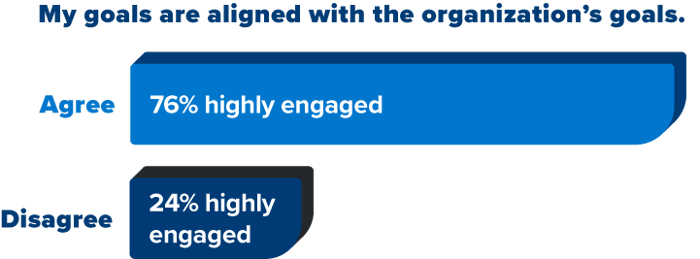
A fundamental characteristic of high-performing teams is their deep comprehension of how their specific contributions align with the broader mission and overarching goals of the organization. When employees grasp the significance of their roles within the larger strategic framework, their engagement and productivity naturally increase. These teams understand their "why"—the driving force behind their efforts—and work in unison to champion a shared vision. Research consistently indicates that highly engaged employees, often found within these top-tier teams, exhibit significantly higher levels of commitment and performance. This intrinsic connection to the organizational purpose fuels motivation and fosters a sense of collective responsibility.
2. Clearly Defined Goals Tied to Organizational Priorities
Alignment is the cornerstone of effective teamwork. High-performing teams exhibit a unified focus, purpose, and set of priorities. They meticulously establish team and individual goals that directly support this shared vision. Crucially, these goals are not only aligned but also unequivocally defined, ensuring that every member understands precisely what needs to be accomplished and the path to achieving it. Data from Quantum Workplace’s research highlights that employees are more than three times as likely to be engaged when their individual performance goals are seamlessly integrated with organizational objectives. This alignment creates a powerful synergy, channeling individual efforts towards collective success.
3. Explicit Roles and Responsibilities to Minimize Conflict
The potential for conflict, if left unchecked, can significantly impede the progress of even the most talented teams. High-performing teams proactively mitigate unnecessary friction by clearly delineating each member’s role and responsibilities. This clarity ensures that tasks are not duplicated, essential duties are not overlooked, and individuals understand their specific areas of ownership. This structured approach to task allocation not only enhances efficiency but also fosters a more predictable and harmonious working environment, allowing the team to concentrate its energy on achieving objectives rather than navigating internal disputes.
4. Unwavering Commitment to Clear and Respectful Communication
The breakdown of communication is a potent catalyst for performance degradation. High-performing teams establish clear expectations and cultivate effective channels for dialogue. This ensures that all members are aware of when, where, and with whom to communicate, fostering transparency and efficient information flow. While conflict is an inherent part of collaborative work, these teams possess the skills to navigate disagreements constructively, minimizing impediments and maintaining forward momentum. The ability to articulate ideas clearly, listen actively, and engage in respectful discourse is a hallmark of their collaborative strength.
5. Embracing a Culture of Two-Way Feedback
Continuous improvement is a driving force for high-performing teams, nurtured through an environment of open and constructive two-way feedback. Team members feel empowered to share their insights, concerns, and suggestions without fear of reprisal. Managers, in turn, actively solicit feedback from their teams, valuing their perspectives and leveraging these insights to foster team growth. This feedback-driven approach not only sharpens individual performance but also fortifies team dynamics, leading to enhanced collaboration and adaptability. The collected feedback serves as a valuable roadmap for identifying development opportunities and refining strategies.
A compelling example of this feedback-driven approach comes from Salute, a notable player in the Professional Services industry. Their Executive Vice President of HR shared, "I’m thrilled to share just how much Quantum Workplace has revolutionized the way we do things around here. It’s been a game-changer, really. We’ve gained greater insights into what our team members feel and think. This has been a goldmine of information, helping us fine-tune our performance management and create a culture where continuous improvement and accountability are at the forefront." This statement underscores the tangible impact of fostering an environment where feedback is not only welcomed but actively utilized for organizational betterment.
6. Strategic Management of Work and Deadlines Based on Priorities
High-performing teams possess a keen ability to discern and prioritize tasks based on their impact and urgency. They understand that not all work carries equal weight and allocate their time and resources accordingly. This strategic focus ensures that efforts are consistently aligned with organizational objectives, maximizing the impact of their work and driving sustainable growth. By concentrating on high-priority, high-impact activities, these teams maintain a clear trajectory towards their overarching goals.
7. Alignment and Connection Between Managers and Employees
The efficacy of one-on-one meetings is amplified within high-performing teams, serving as crucial touchpoints for fostering clarity and connection between managers and employees. These interactions transcend superficial status updates, providing a dedicated forum for individualized discussions concerning goals, progress, and challenges. Managers leverage these sessions to understand employee aspirations, offer targeted guidance, and provide essential support to overcome obstacles. By cultivating strong manager-employee relationships, these teams foster a profound sense of belonging and commitment that directly fuels collective success.
8. Mutual Trust and Respect as a Foundation
The collaborative synergy required for exceptional achievement is inextricably linked to a bedrock of trust and mutual respect. Team members within high-performing groups inherently value each other and place confidence in their colleagues’ ability to fulfill their responsibilities. They embrace diversity of thought and experience, recognizing that these differences are not impediments but rather sources of collective strength. This pervasive culture of trust empowers individuals to take risks, share ideas openly, and contribute their best work without reservation.
9. Collective Celebration of Success and Recognition of Contributions
High-performing teams acknowledge that their triumphs are the result of collective effort. They diligently celebrate shared victories and proactively seize opportunities to recognize and appreciate each employee’s unique contributions. This practice cultivates a robust culture of collaboration, ensuring that every team member feels valued and connected to the team’s successes. Quantum Workplace’s extensive research consistently reveals that while ratings, rankings, and pay-for-performance models may not be the primary drivers of employee engagement, genuine recognition plays a pivotal role. In fact, highly engaged employees are significantly more likely to express confidence that their contributions will be acknowledged.
10. A Commitment to Continuous Learning and Improvement
Even the most accomplished teams recognize that there is always room for growth. High-performing teams actively embrace feedback and learn from their experiences, both successes and failures. They actively seek opportunities for development by nurturing a feedback-rich culture and investing in the ongoing growth of their members. This dedication to continuous learning fuels innovation, enhances problem-solving capabilities, and ensures the team remains agile and adaptable in an ever-evolving environment.
11. Balancing Short-Term Wins with Long-Term Growth
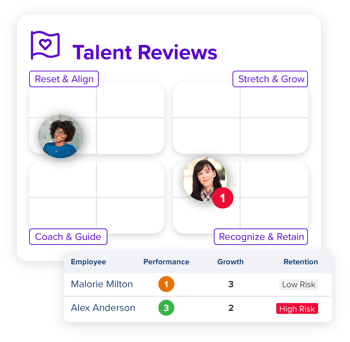
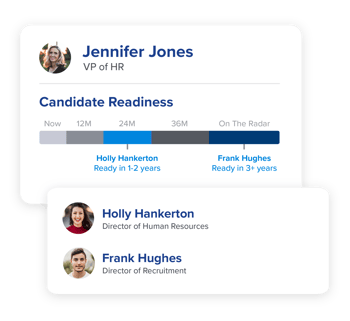
A hallmark of truly exceptional teams is their ability to strike a strategic balance between achieving immediate objectives and investing in long-term sustainability and growth. While focused on delivering tangible results in the present, they also prioritize learning, development, and career progression to maintain a competitive edge. This forward-thinking approach often involves structured talent reviews and succession planning initiatives, ensuring a pipeline of skilled individuals ready to meet future challenges. By integrating both short-term achievements and long-term vision, these teams position themselves for sustained success and resilience.
What Sets High-Performing Teams Apart?
The distinction between a good team and a high-performing one lies in their proactive approach and distinct methodologies. They don’t merely meet expectations; they consistently exceed them.
1. Embracing Innovation and Adaptability
Change is an immutable constant in the modern business world. High-performing teams, however, do not shy away from it; they embrace it. They are unafraid to challenge the status quo, actively seeking out novel ideas and fostering an environment where innovation thrives. Their ability to adapt swiftly to evolving circumstances allows them to remain agile, resilient, and adept at seizing emerging opportunities. This flexibility is often enabled by organizational structures that provide the necessary buy-in, tools, and technology for learning and experimentation, allowing teams to focus on impact rather than being solely defined by arbitrary key performance indicators.
2. Cross-Functional Collaboration Beyond Silos
Organizational silos can be a significant impediment to progress. High-performing teams actively dismantle these barriers, fostering robust collaboration across departments, disciplines, and diverse teams. They cultivate an environment where knowledge is freely shared, individual strengths are leveraged, and collective goals are pursued with unwavering dedication. This spirit of collaboration amplifies the team’s overall impact and strengthens interdepartmental relationships, creating a more integrated and effective organization.
3. A Focus on Recognition and Celebrating Achievements
High-performing teams understand that meaningful recognition is often personalized and can vary significantly from one individual to another. They strategically utilize data to celebrate milestones, both large and small, proactively and reactively acknowledging contributions to the broader team. This consistent practice cultivates a contagious culture of appreciation, motivating all members to strive for excellence. The impact of well-timed and appropriate recognition can foster a powerful sense of belonging and boost overall morale and productivity.
4. Leveraging Engaging and User-Friendly Performance Processes and Technology
The effectiveness of any team is intrinsically linked to the processes and tools that support its work. High-performing teams are not encumbered by fragmented systems or siloed data. Instead, they opt for integrated solutions that facilitate seamless collaboration, provide insightful data-driven reporting, and automate repetitive tasks. This strategic use of technology optimizes performance and allows the team to focus its energy on strategic initiatives rather than administrative burdens.
5. Cultivating Mutual Accountability
High-performing teams operate on a principle of collective responsibility. They do not resort to blaming individuals for setbacks; instead, they embrace mutual accountability, holding each other and themselves responsible for the team’s overall performance. This shared ownership fosters a sense of unity and encourages members to support one another in achieving common objectives. When challenges arise, the team rallies together to find solutions, reinforcing their collective strength and resilience.
Practical Pillars for Building High-Performing Teams
The construction of a high-performing team is an ongoing journey that demands sustained commitment and investment in continuous growth. The following practical strategies can serve as a roadmap for embarking on this endeavor:
Foster a Shared Sense of Purpose
For individuals to feel truly connected to their team, a unified purpose is essential. This is achieved through the establishment of clear goals and deliberate team alignment. Managers play a critical role in consistently evaluating priorities and team objectives to ensure their efficacy and alignment with organizational aspirations. By regularly communicating and connecting team goals to the broader organizational mission, a powerful sense of shared purpose is cultivated. One-on-one meetings provide an invaluable opportunity to check in with team members, identify key priorities, and ensure their work remains congruent with overarching team objectives, ensuring everyone is rowing in the same direction.
Streamline Communication Channels
Nimbleness and focus are paramount for high-performing teams, making clear and streamlined communication indispensable. Establishing explicit processes and expectations for communication ensures everyone remains informed and aligned. For instance, teams might leverage instant messaging platforms for informal exchanges and team updates, while utilizing project management tools for housing project data, defining responsibilities, and tracking progress. Well-defined communication protocols prevent misunderstandings, ensure critical information reaches the right individuals, and guarantee that no essential tasks fall through the cracks. Furthermore, creating opportunities for cross-functional knowledge sharing through workshops, team-building exercises, or informal discussions can enhance creativity, problem-solving, and camaraderie across different departments.
Empower Decision-Making at All Levels
High-performing teams empower their members to make decisions and assume ownership of their work. They foster an environment where individuals feel comfortable proposing new ideas, solutions, or options without trepidation. Managers in these teams recognize that fostering autonomy and encouraging initiative are the most effective pathways to maximizing performance. This empowerment fosters a sense of ownership and accountability, reinforcing a culture of trust and self-direction. Regular recognition for contributions that benefit the larger organization helps employees connect their efforts to the company’s overall success.
Recognize and Reward Achievements Diligently
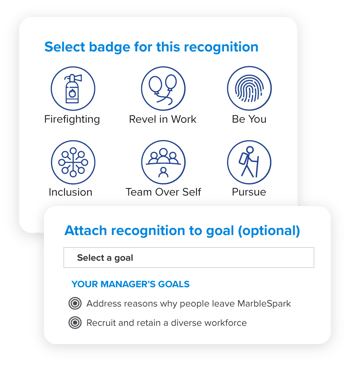
Acknowledging and celebrating both individual and collective achievements is crucial for building and sustaining a high-performing team. Recognition and rewards not only boost morale but also reinforce desired behaviors and motivate team members to excel. Managers should consistently express appreciation, utilizing regular one-on-one meetings as opportunities to stay connected with team goals, tasks, and accomplishments. Recognition should extend beyond major wins to acknowledge key milestones, consistent performance, and instances where teams have gone above and beyond their stated responsibilities. Understanding individual preferences for recognition is key; some may value public praise, while others prefer private acknowledgment. Encouraging peer-to-peer recognition, perhaps through a dedicated communication channel, can further foster a positive and engaging work environment at all levels.
Invest Strategically in Employee Development
To achieve consistent, outstanding results, organizations must cultivate a culture of continuous learning and improvement. High-performing teams are inherently curious, actively seeking knowledge, exploring possibilities, and adapting based on new insights. By consistently building upon their knowledge base and learning from past experiences, teams become more effective, efficient, and innovative. Investing in employee growth and development is a direct investment in team performance. Identifying relevant development opportunities that align with both team needs and individual goals empowers employees, enhances their skills, and better equips them to excel in their roles.
Shared Responsibility: Who Builds High-Performing Teams?
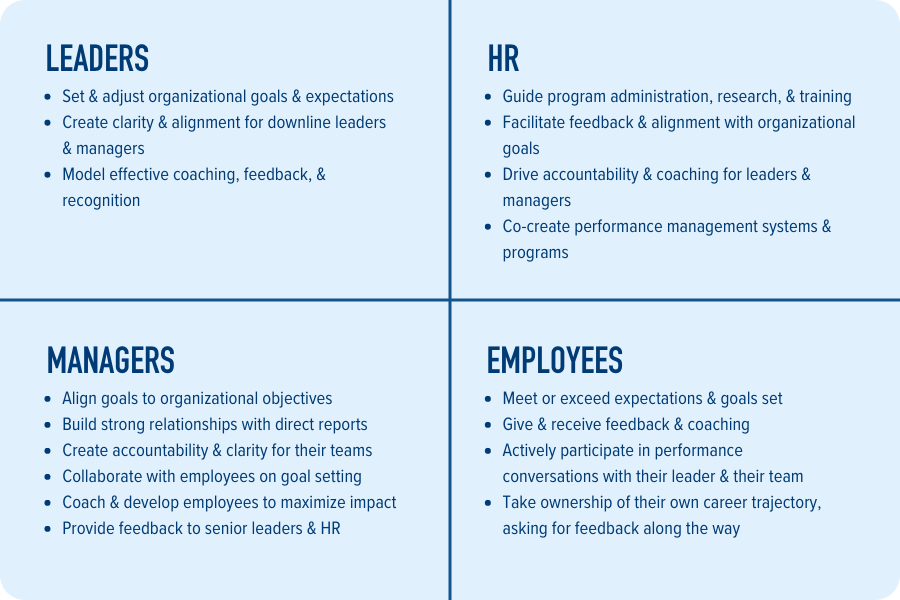
The creation of high-performing teams is not the sole purview of any single department or individual; it is a collective endeavor that requires the active participation of everyone within the organization. Inspiring employee impact necessitates a human-centered approach to performance that clearly articulates each individual’s role in the company’s success. Employees are eager to contribute and achieve, but they also expect effective and engaging performance management systems that move beyond bureaucratic hurdles.
- Senior Leaders: Responsible for setting the strategic direction, establishing clarity around the organization’s most critical goals, and adapting them as needs evolve. They must exemplify desired behaviors in performance, accountability, and coaching, prioritizing outcomes and impact.
- Human Resources: Plays a pivotal role in orchestrating performance management initiatives, ensuring their effectiveness. HR facilitates performance feedback, aligns metrics with organizational goals, and holds leaders accountable for their coaching responsibilities. By co-creating and continually evaluating performance programs with stakeholders, HR builds dynamic systems that enhance employee impact, development, and overall business success.
- Managers: Act as the crucial link between organizational goals and team objectives, fostering employee growth and development. They build strong relationships with their direct reports, provide timely feedback, and ensure clear expectations are set. Managers are instrumental in collaborating with employees on goal setting, providing coaching, and allocating necessary resources. Their feedback to senior leadership and HR is vital for refining performance management processes, while their own continuous development enhances their coaching capabilities.
- Employees: While leadership and HR can establish robust systems, employee participation is non-negotiable. Employees must actively engage in accomplishing goals, solicit and provide feedback, take ownership of their development, and seek support when needed. Their proactive involvement is essential for realizing the full potential of any performance management framework.
The Role of Performance Management Software in Cultivating Excellence
Building a high-performing team is a long-term commitment, but the rewards—enhanced productivity, innovation, and employee satisfaction—are substantial. Leveraging the right tools can significantly streamline this process. Quantum Workplace offers a suite of performance management solutions designed to help organizations grow, manage, and scale their high-performing teams.
Clear and Aligned Goals
Setting clear, achievable goals is fundamental to team success. Quantum Workplace’s platform empowers teams to establish, monitor, and accomplish critical objectives through features like goal cascading, progress tracking, and alignment with organizational priorities.
Enhanced Trust Through Employee Feedback
Fostering a culture of continuous feedback is paramount. Quantum Workplace’s 360-degree, peer, and upward feedback mechanisms help boost employee performance, growth, and development, strengthening trust and transparency within teams.
Effective Performance Reviews
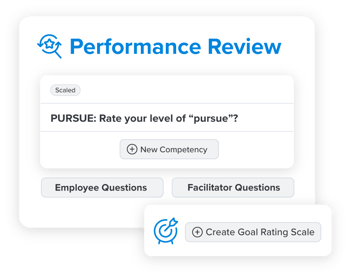
While the nature of performance reviews may evolve, their importance in maintaining alignment between managers and employees remains. Quantum Workplace’s tools facilitate more effective, efficient, and engaging performance conversations, simplifying the process and driving meaningful dialogue.
Real-Time Recognition and Appreciation
Motivating employees and celebrating success is crucial. Quantum Workplace’s recognition tools enable the easy sharing of success stories, making employees feel valued and appreciated for their contributions, thereby fostering a positive work environment.
Meaningful 1-on-1 Meetings and Performance Discussions
To increase clarity and connection, consistent dialogue is key. Quantum Workplace’s platform facilitates meaningful one-on-one meetings, enhancing communication, clarity, and engagement across all levels of the organization.
Strategic Talent Identification and Development
Objectively assessing performance is vital for identifying high-potential employees and managing talent risk. Quantum Workplace’s talent review tools provide the data and insights needed to make informed decisions about talent development and succession planning.
Sustained High Performance Through Succession Planning
Ensuring a robust leadership pipeline is critical for long-term success. Quantum Workplace’s succession planning tools help organizations proactively identify gaps, develop future leaders, and prepare for upcoming challenges.
Frequently Asked Questions About High-Performing Teams
What defines a high-performing team?
A high-performing team is a group of skilled individuals who collaborate effectively to achieve shared goals. They are characterized by clear objectives, defined roles, open communication, and mutual trust and accountability, leading to outcomes that surpass individual capabilities.
How can organizations build high-performing teams?
Building a high-performing team requires intentional strategies focused on aligning skills, fostering clear communication, establishing accountability, and cultivating a supportive culture. This involves setting clear goals, promoting open feedback, empowering decision-making, and investing in continuous development.
What are the key characteristics of high-performing teams?
High-performing teams consistently demonstrate a clear understanding of their organizational mission, possess well-defined goals aligned with company priorities, exhibit explicit roles and responsibilities, communicate effectively and respectfully, embrace two-way feedback, strategically manage their workload, maintain strong manager-employee connections, operate on mutual trust and respect, celebrate successes, practice continuous learning, and balance short-term achievements with long-term growth.