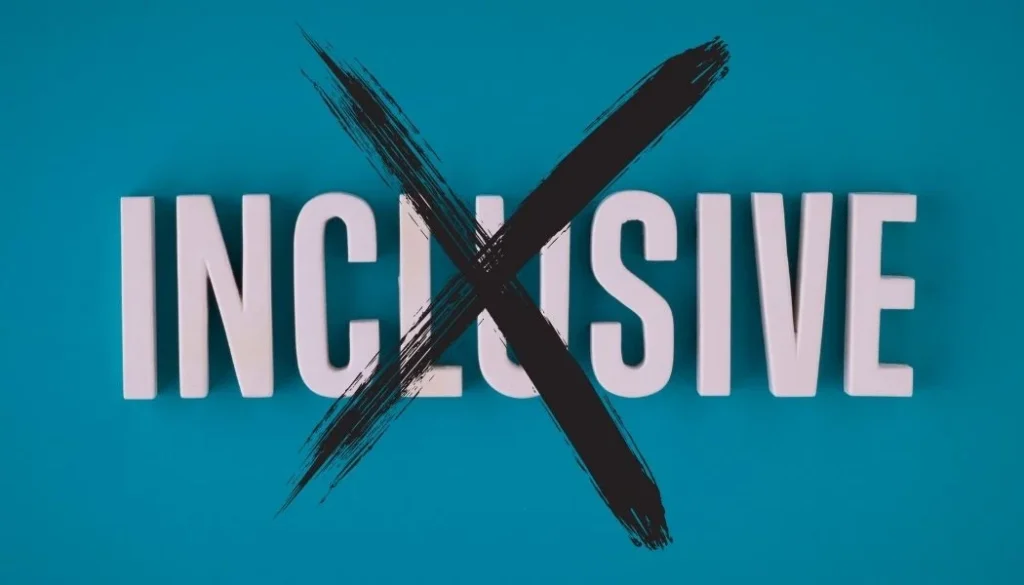
In an increasingly interconnected and diverse global society, the language we use holds profound power, shaping perceptions, fostering belonging, or, conversely, creating barriers and alienating individuals. Former President Barack Obama once underscored this imperative, stating, "We are at a time in our country’s history that inclusive language is better than exclusive language." This sentiment reflects a growing consensus that conscious communication is not merely a matter of political correctness but a fundamental aspect of fostering equitable and respectful environments, whether in public discourse, corporate settings, or everyday interactions. Yet, despite this awareness, the specific words and phrases that constitute "non-inclusive" language often remain nebulous for many. Understanding and actively avoiding these linguistic pitfalls is crucial for anyone aiming to communicate effectively and ethically in the 21st century.
The Evolution of Inclusive Communication: A Historical Context
The emphasis on inclusive language has not emerged in a vacuum; it is the culmination of decades of advocacy for civil rights, social justice, and diversity, equity, and inclusion (DEI). Historically, language has frequently mirrored and reinforced societal hierarchies and biases. Terms once considered commonplace often carried implicit biases against women, racial minorities, individuals with disabilities, or the LGBTQ+ community. The mid-20th century saw the rise of civil rights movements challenging overt discrimination, leading to legislative changes like the Civil Rights Act of 1964 in the United States, which prohibited discrimination based on race, color, religion, sex, or national origin. Later, the Americans with Disabilities Act (ADA) of 1990 further enshrined protections for individuals with disabilities, prompting a re-evaluation of how language could inadvertently exclude or stigmatize.
In recent years, the digital age and increased global interconnectedness have amplified conversations around identity and representation, accelerating the evolution of inclusive language practices. Social media platforms, while sometimes polarizing, have also provided powerful forums for marginalized communities to voice their experiences and advocate for linguistic shifts that affirm their identities. This ongoing dialogue has led to a more nuanced understanding of how subtle linguistic choices can perpetuate harmful stereotypes and create unwelcoming spaces. The corporate world, recognizing the tangible benefits of diverse workforces and inclusive cultures—including improved innovation, employee retention, and market reputation—has increasingly adopted DEI initiatives, with language playing a central role.
Defining Non-Inclusive Language and Microaggressions
At its core, non-inclusive language refers to words or phrases that unintentionally or intentionally exclude, demean, or stereotype individuals or groups. Merriam-Webster defines "non-inclusive" as a "lack of inclusion or failure to include someone or something," while YourDictionary.com states it as "not inclusive; excluding something." Synonyms like "exclusive," "discriminatory," "prejudicial," and "biased" underscore its negative connotations.
A critical concept linked to non-inclusive language is microaggressions. These are subtle, often unintentional, expressions of bias that communicate hostile, derogatory, or negative messages to individuals based on their marginalized group membership. While seemingly small, their cumulative effect can be profoundly damaging, leading to stress, diminished self-esteem, and a sense of alienation. For example, consistently using gendered terms when gender-neutral alternatives exist can be a microaggression, subtly reinforcing an environment where certain identities are not fully acknowledged or valued. The insidious nature of microaggressions lies in their often-unconscious delivery; the speaker may not intend harm, but the impact on the recipient can be significant.
Key Categories of Non-Inclusive Language and Their Impact
Understanding the diverse forms non-inclusive language takes is the first step toward avoiding it. Below are critical categories, along with examples and analysis of their impact.
1. Gender-Biased Language
Despite progress, language remains heavily gendered, often reflecting historical patriarchal structures. Terms like "manpower," "mankind," "man-made," "layman," and gender-specific job titles such as "chairman," "fireman," or "policeman" reinforce the notion that certain roles or human endeavors are predominantly male. The default use of "he" or "his" as a universal pronoun further marginalizes women and non-binary individuals. Research from organizations like the World Economic Forum consistently highlights persistent gender gaps in leadership and pay, with linguistic bias contributing to the subtle perpetuation of these disparities. For instance, studies have shown that job descriptions containing masculine-coded words can deter female applicants.
- Examples: "Anchorman," "Chairman," "Congressman," "Doorman," "Fireman," "Garbage Man," "Handyman," "mankind," "manpower," "man-made," "workmanship," "layman," "he" (as default pronoun), "guys."
- Impact: Reinforces outdated gender roles, alienates women and non-binary individuals, contributes to gender bias in hiring and promotion.
- Inclusive Alternatives: Anchor, Chair/Chairperson/Coordinator, Representative/Legislator, Door Attendant, Firefighter, Sanitation Worker, Handyperson/Maintenance Worker, humanity/people/humankind, workforce/staff/personnel, synthetic/manufactured/artificial, craftsmanship/quality, layperson/non-expert, they/them (singular), everyone/team/folks.
2. Racially Biased Language
Racial bias in language is deeply embedded, often through historical associations and euphemisms. The use of color metaphors, such as "blacklisted" (rejected) versus "whitelisted" (approved) or "black hat" (malicious) versus "white hat" (ethical) in technology, perpetuates harmful, often unconscious, associations of "black" with negativity and "white" with positivity. Phrases like "no can do," historically used to mock Chinese immigrants in the U.S., carry derogatory connotations. The term "brown bag session" inadvertently evokes the "brown paper bag test," a discriminatory practice in the African-American community based on skin tone. These terms, even when used without malicious intent, can cause offense by recalling painful histories of racial discrimination. A 2021 study by the Pew Research Center found that a significant percentage of Black adults in the U.S. regularly experience racial discrimination, with language often playing a subtle but pervasive role.
- Examples: "Blacklisted," "whitelisted," "blackballed," "black hat," "white hat," "no can do," "brown bag session."
- Impact: Reinforces negative racial stereotypes, trivializes historical discrimination, creates unwelcoming environments for racial minorities.
- Inclusive Alternatives: Denied/blocked, approved/permitted, rejected, unethical/malicious, ethical/permitted, "I’m unable to do that," "It’s not possible," lunch-and-learn session, informal meeting, workshop.
3. Language Marginalizing Immigrants
The language used to describe immigrants can be highly politicized and dehumanizing. Terms like "illegal alien" are deeply offensive, stripping individuals of their humanity and reducing them to their legal status. The term "alien" itself carries connotations of foreignness and otherness, fostering division. "Anchor baby," a derogatory term used to describe children born in a country to non-citizen parents, is designed to delegitimize families and fuel xenophobia. Furthermore, specifying "native English speaker" in job requirements, unless absolutely essential for the role, can discriminate against highly qualified individuals who speak English as a second or third language. The United Nations High Commissioner for Refugees (UNHCR) consistently advocates for person-first language to respect the dignity of displaced persons.
- Examples: "Illegal alien," "anchor baby," "native English speaker."
- Impact: Dehumanizes immigrant communities, fosters xenophobia, creates barriers to employment and social integration.
- Inclusive Alternatives: Undocumented immigrant/unauthorized immigrant, child of non-citizen parents, fluent in English/proficient in English.
4. Non-Inclusive LGBTQ+ Language
Language around sexual orientation and gender identity has seen significant evolution, with increased awareness of the importance of affirming individual identities. Using gendered pronouns ("he," "she") as defaults or assuming someone’s gender identity is non-inclusive, as it overlooks gender non-binary individuals who use "they/them" or other pronouns. Similarly, defaulting to "mom and dad" or "husband and wife" excludes diverse family structures, including same-sex parents or unmarried partners. The term "sexual preference" is considered outdated and inaccurate because sexual orientation is not a choice, but an inherent aspect of identity. Derogatory terms like "homo" or outdated clinical terms like "homosexual" (when used pejoratively) and "sex-change" are deeply offensive and trivializing. The Trevor Project’s 2023 survey found that a significant portion of LGBTQ+ youth reported discrimination based on their sexual orientation or gender identity, often through language.
- Examples: Default "he" or "she," "mom and dad," "husband and wife," "sexual preference," "homo," "homosexual" (pejorative), "sex-change."
- Impact: Invalidates LGBTQ+ identities, perpetuates stigma, creates unsafe and unwelcoming environments.
- Inclusive Alternatives: They/them, guardians/parents/family, partners/spouses, sexual orientation, gay/lesbian/bisexual, gender affirmation surgery/transition.
5. Ageist Language
Ageism, discrimination based on age, manifests subtly in language. Terms like "old geezer" for older adults or "digital native" for younger generations perpetuate stereotypes. "Old geezer" implies frailty and diminishes the experience and wisdom of older individuals. "Digital native" assumes technological superiority based solely on birth year, potentially devaluing the skills of older professionals who have adapted to new technologies. Phrases like "millennials only" or "recent graduates only" in job postings are clear examples of age discrimination, which is illegal in many jurisdictions and limits talent pools. AARP studies consistently show that age discrimination remains a significant barrier for older workers seeking employment.
- Examples: "Old geezer," "digital native," "millennials only," "recent graduates only."
- Impact: Perpetuates age-based stereotypes, contributes to age discrimination in employment, alienates different generations.
- Inclusive Alternatives: Older adult/senior, tech-savvy individual, experienced professional, entry-level candidates/candidates with relevant skills.
6. Language Regarding Physical Disability
Despite legislative protections like the ADA, ableist language persists. Phrases like "stand" or "please be seated" as universal commands at events can exclude individuals with mobility impairments. Requiring candidates to "type X words per minute" assumes keyboard use, ignoring alternative input methods like speech-to-text. The term "walk" as a default action excludes wheelchair users or those with other mobility aids. Derogatory terms like "lame" (for undesirable things) or phrases like "blind to the truth" (equating disability with ignorance) are ableist and diminish the experiences of people with disabilities. The Centers for Disease Control and Prevention (CDC) reports that 1 in 4 U.S. adults has a disability, underscoring the importance of inclusive language.
- Examples: "Stand," "please be seated," "type X words per minute," "walk," "lame," "blind to the truth."
- Impact: Excludes individuals with physical disabilities, perpetuates ableist stereotypes, creates inaccessible environments.
- Inclusive Alternatives: Rise/take your places, please settle in, demonstrate proficiency with input devices/data entry, move/travel/navigate, unhelpful/inadequate, unaware/uninformed.
7. Language Regarding Mental Health
Casual use of terms associated with mental health conditions can be deeply stigmatizing. Describing a situation as "crazy" or "nuts" trivializes serious mental illnesses. The term "retarded" has a painful history of demeaning individuals with intellectual and developmental disabilities. "Psycho" perpetuates negative stereotypes about mental illness, often linking it to violence or instability. Phrases like "sanity check" subtly imply that mental health is a prerequisite for logical thought, potentially offending those with neurodiversity or mental health challenges. Labeling someone an "addict" reduces their identity to their struggle, rather than acknowledging them as a person with an addiction. The World Health Organization (WHO) highlights that mental health conditions are increasingly prevalent globally, making respectful language essential.
- Examples: "Crazy," "nuts," "retarded," "psycho," "sanity check," "OCD" (casually), "addict."
- Impact: Stigmatizes mental illness and neurodiversity, perpetuates harmful stereotypes, creates barriers to seeking help.
- Inclusive Alternatives: Unbelievable/absurd/unusual, inappropriate/offensive, person with an intellectual/developmental disability, person experiencing psychosis, quick review/double-check, meticulous/organized, person with a substance use disorder.
8. Elitist Language
Elitism in language can manifest as subtle gatekeeping, creating exclusionary environments based on socioeconomic status or educational background. Emphasizing a "degree from a top 10 school" or "Ivy League University" or requiring an "SAT score of 1200+" can implicitly discriminate against individuals from less privileged backgrounds or those who may not test well, regardless of their skills or potential. Such language overlooks diverse educational paths, vocational training, or experiential learning that can be equally valuable. This can limit talent acquisition and perpetuate class divides.
- Examples: "Degree from a top 10 school," "Ivy League University," "SAT score of 1200+."
- Impact: Creates barriers for individuals from diverse educational backgrounds, perpetuates class-based discrimination, limits talent pools.
- Inclusive Alternatives: Relevant degree/qualifications, strong academic record/demonstrated aptitude, excellent problem-solving skills/strong analytical abilities.
9. Language Regarding Former Felons
Individuals with past criminal records face significant barriers to reintegration into society, including employment. Calling someone a "felon" reduces their identity to their past conviction, hindering their ability to move forward. Many states have "Ban the Box" laws to remove questions about criminal history from initial job applications, recognizing the discriminatory impact. Phrases like "have no felony background" or "no convicted felons" in job advertisements are often illegal and contribute to recidivism by denying opportunities. Using person-first language respects their journey toward rehabilitation. The Bureau of Justice Statistics indicates that millions of Americans have felony convictions, making inclusive language critical for societal reintegration.
- Examples: "Felon," "have no felony background," "no convicted felons."
- Impact: Perpetuates stigma, creates significant barriers to employment and social reintegration, increases recidivism rates.
- Inclusive Alternatives: Person with a felony conviction, individuals with a criminal record, applicants who meet job qualifications.
10. Religiously Biased Language
Religious diversity is a fundamental aspect of many societies, yet language can often be exclusionary. Derogatory terms like "Bible beater" or "heathen" are offensive to individuals of specific faiths or those who do not adhere to conventional religious beliefs. Assuming religious practices, such as automatically referring to "Christmas holiday" for time off, excludes individuals who observe other religious holidays (e.g., Hanukkah, Eid, Diwali) or no holidays at all. This lack of religious neutrality can make workplaces and public spaces feel unwelcoming to those of different faiths or no faith.
- Examples: "Bible beater," "heathen," "Christmas holiday."
- Impact: Offends individuals of different faiths or no faith, creates an environment lacking religious neutrality.
- Inclusive Alternatives: Devout Christian/person of strong faith, non-believer/non-adherent, winter holidays/year-end break/holiday season.
11. Socio-economic Status
Language can also subtly reinforce hierarchies related to socio-economic status. Referring to countries as "third world" implies inferiority and a linear, often colonial, view of global development. While "developing country" has been widely used, it is increasingly seen as non-inclusive, reinforcing a hierarchical comparison with "developed countries." The term "ghetto" often carries negative racial and socio-economic perceptions, particularly when used casually to describe something undesirable, diminishing marginalized communities. The World Bank continues to highlight persistent global inequalities, making mindful language essential.
- Examples: "Third world country," "developing country," "ghetto."
- Impact: Reinforces global and local socio-economic hierarchies, perpetuates stereotypes about marginalized communities.
- Inclusive Alternatives: Global South/low-income country, emerging economy/lower-middle-income country, marginalized neighborhood/urban community/distressed area.
12. "Tribe" as a Group Descriptor
The casual use of "tribe" to describe a group of friends or colleagues, as in "my work tribe," can be problematic due to cultural appropriation. The term "tribe" holds significant historical, cultural, and political meaning for Indigenous communities worldwide, often referring to distinct sovereign nations or kinship groups. Its casual adoption by dominant cultures can trivialize these meanings and perpetuate harmful stereotypes about Indigenous peoples as primitive or monolithic.
- Examples: "My tribe" (referring to a group of friends/colleagues).
- Impact: Cultural appropriation, trivializes the significance of "tribe" for Indigenous communities.
- Inclusive Alternatives: Group, team, community, network, circle.
13. Neurodiversity
Language around neurodiversity requires precision and respect to avoid mischaracterization and stigma. Mocking or trivializing neurodivergent experiences like ADHD, autism, or dyslexia with condescending words like "special" is offensive. Casually diagnosing others, such as saying someone "has dyslexia" because they struggle with reading or "has ADHD" due to excitement, trivializes genuine clinical conditions. This misapplication of clinical terms can diminish the experiences of individuals who truly live with these conditions and contribute to a lack of understanding. The Neurodiversity Movement emphasizes that neurological differences are natural human variations, not deficits.
- Examples: "Special" (condescendingly for neurodivergent traits), casually diagnosing "ADHD," "dyslexia."
- Impact: Trivializes serious neurodevelopmental conditions, perpetuates stigma, misrepresents neurodivergent experiences.
- Inclusive Alternatives: Unique strengths, diverse learning styles, energetic, focused, (avoid self-diagnosis or diagnosing others).
14. Family and Caregiver Status
The definition of "family" has expanded significantly, moving beyond traditional nuclear structures. Inclusive language acknowledges and respects this diversity. In a professional context, assuming traditional family units (e.g., always referring to "parents" as a mother and father) can make employees with non-traditional families (e.g., single parents, same-sex parents, blended families, individuals caring for elderly relatives) feel unseen or undervalued. Using terms that reflect this evolving reality fosters a more inclusive workplace culture.
- Examples: Assuming traditional nuclear family structures (e.g., "mom and dad" as the default).
- Impact: Excludes individuals with diverse family structures, creates an unwelcoming environment for caregivers.
- Inclusive Alternatives: Families, caregivers, partners, loved ones.
15. Appearance and Sizeism
Discussions around appearance and body size can be fraught with potential for offense. In an era where beauty standards are heavily influenced by social media, language around appearance requires careful consideration. Using terms like "thin" or "skinny" as compliments can inadvertently promote unhealthy body ideals or imply that other body types are undesirable. Focusing on traits like "fit" or "athletic" is generally better, but even more effective is to focus on specific, job-relevant traits like "strength" or "stamina." The term "normal-sized" for furniture or clothing is inherently exclusionary, implying that other sizes are abnormal. "Professional appearance" can be subjective and discriminatory, potentially reflecting class biases or cultural norms; specifying "role-appropriate" or "formal dress" is more objective. Similarly, "presentable" can be vague and allow for personal prejudice; clarifying "client-facing attire" or "on-brand clothing" is more effective. The term "clean-cut" can discriminate against individuals with facial hair or specific cultural grooming practices, such as Sikhs.
- Examples: "Thin/skinny" (as a compliment), "normal-sized" (for objects), "professional appearance," "presentable," "clean-cut."
- Impact: Promotes unhealthy body ideals, perpetuates sizeism, allows for subjective and discriminatory judgments based on appearance, excludes individuals with diverse grooming practices.
- Inclusive Alternatives: Healthy, fit, athletic (if relevant to physical traits), regular/standard, role-appropriate dress/uniform, client-facing attire/on-brand clothing, well-groomed (if necessary, with clear standards).
The Broader Implications: Workplace, Society, and Brand Reputation
The impact of non-inclusive language extends far beyond individual offense. In the workplace, it can erode psychological safety, decrease employee engagement, and lead to higher turnover rates, particularly among underrepresented groups. A survey by Deloitte found that 80% of employees who feel they work in an inclusive environment also feel psychologically safe, highlighting the direct link between inclusion and well-being. Non-inclusive language in job descriptions can significantly reduce the diversity of applicant pools, limiting an organization’s access to top talent. Furthermore, such language can expose companies to legal risks, particularly concerning age, gender, and disability discrimination.
Beyond the workplace, the pervasive use of non-inclusive language in media, public discourse, and social interactions contributes to the marginalization of vulnerable communities, perpetuating stereotypes and hindering social cohesion. For organizations, a reputation for non-inclusive communication can severely damage their brand, alienating customers, investors, and potential employees who increasingly value ethical and socially responsible practices.
Best Practices and Organizational Responses
To combat non-inclusive language and microaggressions, individuals and organizations must adopt proactive strategies:
- Conscious Communication Training: Implement regular training programs that educate employees on the various forms of non-inclusive language, the concept of microaggressions, and their impact.
- Inclusive Language Guides: Develop and disseminate internal style guides that offer clear alternatives to non-inclusive terms. Resources like the AP Stylebook’s inclusive storytelling chapter provide excellent external benchmarks.
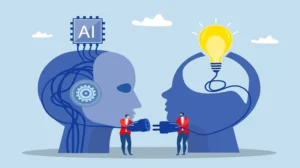
- Technology-Assisted Review: Utilize AI-powered tools and software, such as text analyzers, that can flag non-inclusive language in written communications, especially in critical documents like job descriptions, marketing materials, and internal policies.
- Promote Person-First Language: Emphasize language that prioritizes the individual over their condition or characteristic (e.g., "person with a disability" instead of "disabled person").
- Encourage Feedback and Dialogue: Create open channels for employees to provide feedback on language use without fear of reprisal. Foster a culture where constructive correction is seen as an opportunity for growth.
- Review Policies and Procedures: Audit organizational policies, from dress codes to leave policies, to ensure they are phrased inclusively and do not contain subtle biases related to family status, appearance, or other protected characteristics.
- Support Employee Resource Groups (ERGs): ERGs can be invaluable resources for identifying linguistic blind spots and advocating for more inclusive communication practices from the perspective of diverse identity groups.
Recognizing the impact of microaggressions and non-inclusive language is merely the initial step. Immediate and sustained action is necessary to ensure that the use of language within an organization, and indeed across society, actively promotes equal opportunities and fosters environments where every individual feels seen, valued, and respected. This shift in communication, paired with robust DEI initiatives, is fundamental to building a truly equitable and just society for all, regardless of their background, identity, or walk of life.