The United States boasts a formidable military force of over 2 million active-duty and reserve personnel, with approximately 250,000 service members transitioning to civilian life annually. This significant outflow presents a vast and highly skilled talent pool for employers, yet many companies struggle to effectively recruit and integrate these individuals due to a fundamental communication gap: the specialized language of military job codes. While leading job boards have begun to adapt, a critical void remains within corporate career sites, often powered by Applicant Tracking Systems (ATS) that fail to recognize these crucial identifiers. However, the advent of Artificial Intelligence (AI) job search technology, notably from Google Cloud Talent Solutions, is poised to revolutionize veteran recruitment by bridging this linguistic divide, enabling companies to unlock the immense potential of former service members.
The Untapped Talent Pool: Why Veterans Matter to the Civilian Workforce
Veterans bring a unique and invaluable set of skills, experiences, and a disciplined work ethic to the civilian workforce. Their military service instills qualities such as leadership, teamwork, problem-solving under pressure, adaptability, integrity, and a strong sense of mission—attributes highly sought after in any professional environment. From managing complex logistical operations to maintaining sophisticated technical equipment, or leading diverse teams in challenging environments, military roles often translate into critical competencies for various civilian sectors, including IT, logistics, healthcare, project management, and human resources.
Despite these clear advantages, transitioning service members frequently encounter difficulties translating their military occupational specialties (MOS), Air Force Specialty Codes (AFSC), Navy Enlisted Classifications (NEC), or Military Occupational Codes (MOC) into civilian job titles and descriptions. This "translation gap" can lead to frustration for veterans searching for suitable employment and missed opportunities for companies seeking dedicated and capable employees. Industry reports consistently highlight that companies with veteran hiring initiatives often experience lower turnover rates, higher employee engagement, and a more diverse workforce, reinforcing the strategic imperative of robust veteran recruitment programs.
Decoding the Military Lexicon: Understanding Job Codes
To effectively recruit veterans, employers must first understand their unique professional lexicon. The U.S. Military utilizes a comprehensive system of alphanumeric codes to categorize and describe specific job roles and specialties. These codes are integral to a service member’s identity and career progression within the armed forces. For instance, the Army primarily uses Military Occupational Specialties (MOS), the Air Force employs Air Force Specialty Codes (AFSC), the Navy uses Navy Enlisted Classifications (NEC), and the Marine Corps uses Military Occupational Codes (MOC). These codes typically range from two to six characters and denote a specific set of skills, training, and responsibilities.
Examples of these codes include:
- 42B: Human Resources Officer (Army)
- 92Y: Unit Supply Specialist (Army)
- 66B: Community Health Nurse (Army)
- 26B: Information Systems Engineer (Army)
- 25A: Signal Officer/Operations (Army)
A veteran who served as an Army Human Resources Officer would instinctively search for "42B jobs" rather than "HR jobs" when transitioning to civilian life. Similarly, a former Unit Supply Specialist might look for "92Y jobs." This habit, ingrained through years of military service, creates a significant barrier when company career sites fail to recognize or cross-reference these codes with civilian equivalents.
The Digital Divide: Where Traditional Recruitment Falls Short
While the importance of veteran recruitment is widely acknowledged, the digital infrastructure of many corporate hiring processes lags behind. Leading generalist job boards, recognizing the scale of the veteran talent pool, have proactively integrated support for military job codes into their search functionalities. Platforms like Indeed, LinkedIn, and specialized military-centric job boards often allow veterans to input their MOS, AFSC, NEC, or MOC and receive a list of relevant civilian job postings. This adaptation has significantly improved the discoverability of opportunities for veterans on these external platforms.
However, the reality for many company-specific career sites is starkly different. Most corporate career portals rely on Applicant Tracking Systems (ATS) for job search and application management. Critically, the majority of these ATS platforms lack native support for military job codes. This oversight means that when a veteran searches a company’s career site using their familiar military job code, they are likely to encounter zero results or a collection of entirely irrelevant postings. This digital disconnect not only frustrates potential candidates but also leads to a significant loss of qualified talent for companies genuinely committed to veteran hiring. This technological gap represents a missed opportunity to directly engage a highly desirable demographic and underscores the urgent need for innovation in internal recruitment platforms.
AI-Powered Solutions: A New Era for Veteran Job Search
The "bad news" of traditional ATS limitations is now being countered by the "good news" of advanced AI technology. Google Cloud Talent Solutions, a leader in AI-driven HR technology, has developed an AI Job Search capability that specifically includes robust support for military job codes. This innovative technology bridges the historical gap by intelligently interpreting military nomenclature and matching it with relevant civilian job descriptions, regardless of the explicit keywords used in the posting. This allows companies to integrate a sophisticated search functionality directly into their career sites, dramatically improving the veteran candidate experience.
The practical application of Google’s AI Job Search is already yielding impressive results for early adopters. Companies like FedEx, BAE Systems, Johnson & Johnson, Westrock, Synopsys, Anixter, and Peak6 are leveraging this technology to make their career sites more accessible to veterans. For instance, a search for "42B" (Human Resources Officer) on FedEx’s career site now yields multiple relevant HR positions, a stark contrast to the zero results that might have appeared previously. Similarly, BAE Systems, a defense contractor, effectively uses the system to match "92Y" (Unit Supply Specialist) searches with a substantial number of supply chain-related roles, demonstrating the technology’s scalability and accuracy.
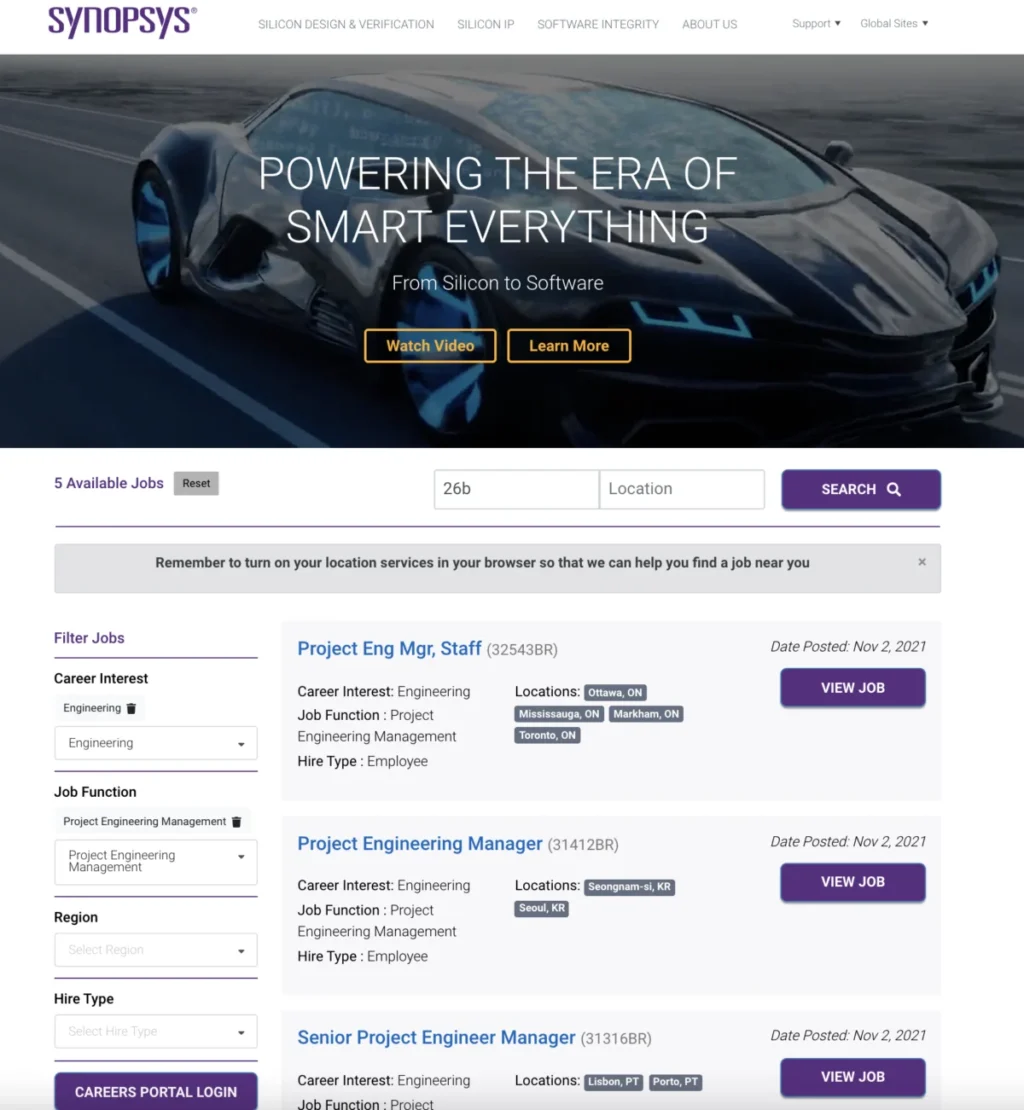
Johnson & Johnson’s career site, when queried with "66B" (Community Health Nurse), successfully presents relevant nursing positions, even amidst thousands of other job postings. Westrock’s platform accurately displays HR-related jobs for a "42B" search, while Synopsys connects "26B" (Information Systems Engineer) searches to pertinent IT roles. Caitlin Perez, Talent Programs Manager at Synopsys, commented on the positive impact, stating, "We were really excited when we learned that Ongig’s AI job search extends to and supports Veterans. Synopsys is focused and committed to recruiting Veterans and this functionality supports our commitment and is a step in the right direction for us and our job seekers." Anixter and Peak6 have also seen success, with searches for "25A" (Signal Officer/Operations) generating relevant operational roles, illustrating how AI can effectively translate complex military experience into corporate opportunities across diverse industries. These examples underscore the transformative potential of AI in creating a more inclusive and efficient recruitment pathway for veterans.
Comprehensive Strategies for Attracting and Integrating Veterans
Beyond technological solutions, a holistic approach is crucial for companies committed to attracting and retaining veteran talent. Integrating AI-powered search is a significant step, but it must be complemented by broader strategies that address the entire veteran candidate journey.
1. Integrating AI Job Search on Career Sites
Companies have several avenues to implement AI-driven veteran job search capabilities. The most direct approach involves collaborating with Google Cloud Talent Solutions or a certified partner.
- Custom Development: Businesses can hire custom developers to integrate Google’s AI Job Search APIs directly into their existing career sites. This approach offers maximum customization but requires ongoing maintenance and technical expertise.
- Career Site Builder Software: For companies seeking a more integrated solution, several career site builder software providers, such as iCIMS (which acquired Jibe) and Ongig, offer platforms that incorporate Google’s AI Job Search functionality. These solutions typically provide a comprehensive suite of tools for career site management, including veteran-specific search, ranging in cost from $10,000 to $150,000 annually.
- AI Job Search Embed: For those unwilling to revamp their entire career site, solutions like Ongig’s AI Job Search Embed offer a streamlined option. This involves adding just a few lines of code to an existing career site, embedding the Google AI Job Search box. It seamlessly searches jobs from any ATS and directs candidates to the company’s standard job posting pages, ensuring minimal disruption to existing workflows.
2. Crafting Veteran-Friendly Job Descriptions
Effective communication extends beyond search functionality to the job descriptions themselves. Tailoring job adverts to include veteran-friendly language, emphasizing transferable skills, and explicitly welcoming veteran applicants can significantly enhance the candidate experience. This not only makes it easier for ex-military personnel to identify relevant positions but also signals the company’s commitment to diversity and inclusion.
- Highlight Transferable Skills: Instead of civilian-centric jargon, describe skills in ways that resonate with military experience (e.g., "logistics coordination" instead of "supply chain management," "team leadership" instead of "project oversight").
- Avoid Civilian-Specific Jargon: Minimize industry-specific acronyms or terms that may be unfamiliar to veterans.
- Emphasize Soft Skills: Focus on qualities like leadership, discipline, problem-solving, and adaptability, which are inherent to military training.
- Include a Veteran-Friendly Statement: Explicitly state the company’s commitment to hiring veterans and highlight any veteran-specific programs.
- Provide an Example: An HR professional could rewrite a "Project Manager" job description to explicitly link military leadership and organizational skills to the role’s requirements, using terms like "proven ability to lead cross-functional teams under pressure" or "experience managing complex operations in dynamic environments."
3. Leveraging Specialized Veteran Job Boards
While internal career sites are vital, external veteran job boards remain powerful tools for outreach. Integrating job listings from these platforms into a broader recruitment strategy ensures maximum visibility among military job seekers.
- Post on Dedicated Platforms: Actively post jobs on sites like Military.com, VetJobs, and RecruitMilitary.
- Build Relationships: Engage with these platforms to understand their best practices for veteran outreach.
- Track Performance: Monitor which veteran job boards yield the highest quality applicants to optimize future efforts.
4. Developing Targeted Content and Resources
Creating a repository of content and resources specifically designed for military job seekers can position a company as a trusted partner in their transition. This includes articles, videos, and guides that address common challenges and provide actionable advice.
- Transition Guides: Offer resources on translating military skills, resume building, and interview preparation for civilian roles.
- Webinars and FAQs: Host online sessions addressing veteran concerns and frequently asked questions about company culture or application processes.
- Spotlight Veteran Employees: Feature current veteran employees discussing their transition experience and success within the company.
5. Hosting Virtual Career Fairs and Engagement Events
Virtual career fairs and job events offer dynamic platforms for veterans to connect directly with recruiters and hiring managers. These events facilitate real-time engagement, provide networking opportunities, and allow for immediate discussions about roles and company culture.
- Tailored Events: Design virtual fairs specifically for veterans, focusing on roles that align with common military skill sets.
- Interactive Sessions: Include Q&A sessions, virtual booths with recruiters, and presentations from veteran employees.
- Partnerships: Collaborate with military transition programs or veteran organizations to promote events and attract a diverse pool of candidates.
6. Establishing Dedicated Veteran Hiring Programs
Formalized veteran hiring programs demonstrate a profound commitment to supporting ex-military personnel. These can include apprenticeships, internships, and fellowships designed to provide hands-on training, skill development, and mentorship during the transition to civilian employment.
- Apprenticeships and Internships: Offer structured programs that provide practical experience and a clear pathway to full-time employment.
- Fellowships: Create opportunities for veterans to apply their leadership and specialized skills in a corporate setting, often with mentorship components.
- Employee Resource Groups (ERGs): Establish veteran ERGs to provide a supportive community, mentorship, and a platform for networking and advocacy within the company.
7. Implementing Military-to-Civilian Skill Mapping Tools
Beyond AI search, providing interactive tools on career sites that help veterans map their military experience to civilian job requirements can be incredibly empowering. These tools can allow applicants to input their MOS/AFSC/NEC/MOC and receive suggestions for relevant civilian job titles and skills.
- Interactive Converters: Develop or integrate online tools that translate military codes into civilian competencies and potential job matches.
- Skill-Based Matching: Focus on core competencies rather than just job titles, enabling veterans to see how their diverse skill sets apply to various roles.
- Personalized Recommendations: Provide tailored job recommendations based on a veteran’s military background and expressed career interests.
8. Showcasing Veteran Success Stories
Social proof is a powerful motivator. Featuring authentic testimonials and candid videos of current employees who have successfully transitioned from military to civilian careers can significantly boost site traffic and engagement.
- Video Testimonials: Create short, impactful videos of veterans sharing their experiences, challenges, and successes within the company.
- Written Profiles: Publish detailed profiles of veteran employees on the company blog or career site, highlighting their journey and contributions.
- Mentorship Spotlights: Showcase mentorship relationships between veteran employees and new hires, emphasizing the supportive environment.
9. Training for Hiring Managers and Recruiters
Even with advanced search tools and veteran-friendly job descriptions, the human element remains critical. Training hiring managers and recruiters on veteran cultural nuances, military terminology, and the value of transferable skills is essential to ensure a fair and effective hiring process.
- Cultural Competency Training: Educate staff on military culture, values, and potential communication styles to avoid misunderstandings.
- Resume Translation Workshops: Provide guidance on how to interpret military resumes and identify transferable skills.
- Interview Best Practices: Train interviewers on how to conduct veteran-friendly interviews, focusing on experience and potential rather than just civilian-specific qualifications.
Beyond Recruitment: Fostering a Supportive Environment
The commitment to veterans should extend well beyond the point of hire. Creating a genuinely inclusive and supportive environment is paramount for retention and long-term success. This includes robust onboarding programs, mentorship opportunities, and active employee resource groups specifically for veterans. By fostering a sense of belonging and providing ongoing support, companies can ensure that veterans not only join their workforce but thrive within it.
The Broader Impact: Economic and Societal Benefits
The proactive recruitment and integration of veterans offer profound benefits that extend beyond individual companies. Economically, it helps reduce veteran unemployment, contributing to a stronger national workforce. Societally, it aids in the successful reintegration of service members, leveraging their invaluable contributions to civilian life and honoring their service. By embracing advanced technologies like AI job search and implementing comprehensive, veteran-centric strategies, companies can tap into a highly motivated, skilled, and diverse talent pool, simultaneously enhancing their organizational capabilities and fulfilling a vital civic responsibility. The future of veteran recruitment lies in intelligent, empathetic, and technologically informed approaches that recognize and celebrate the unique journey of those who have served.