The recent deceleration and, in many instances, complete cessation of federal hiring across numerous government agencies signals a critical juncture for the nation’s public sector workforce. While these freezes are often perceived as temporary pauses, the strategic actions, or inactions, undertaken by agencies during such periods will have enduring consequences that shape their future capabilities and resilience. The inevitable lifting of these hiring restrictions will unleash an immediate and intensely competitive scramble, as agencies vie for a limited pool of highly sought-after candidates to fill mission-critical roles. Success in this post-freeze environment will not be determined by frantic, last-minute recruitment drives, but rather by the foresight and proactive preparation demonstrated during the current slowdown. This period, far from being a mere lull, represents a unique opportunity for federal entities to re-evaluate, recalibrate, and fundamentally modernize their approach to talent acquisition.
Historical Precedent: Understanding the Cyclical Nature of Federal Freezes
Federal hiring freezes are not an unprecedented phenomenon in American governance; they represent a recurring response to fiscal pressures, shifting political priorities, or broader economic conditions. Historically, administrations across the political spectrum have implemented such measures. President Richard Nixon famously instituted a federal hiring freeze in 1973, citing a need to control government growth and spending. Similar actions were taken by President Jimmy Carter in 1978 and President Ronald Reagan in 1981, often as part of broader efforts to streamline government operations or reduce the federal budget deficit. More recently, the Trump administration enacted a significant freeze in early 2017, underscoring the cyclical nature of these policy instruments. These historical precedents reveal that while the immediate triggers may vary, the underlying rationale often revolves around budget austerity, administrative efficiency, or a re-evaluation of government priorities. The duration of these freezes can range from a few months to several years, but their impact invariably extends beyond the official lifting date, influencing workforce demographics, institutional knowledge transfer, and the capacity for innovation.
The Underlying Causes: Fiscal Constraints and Policy Shifts
The current slowdown in federal hiring can be attributed to a confluence of factors, predominantly fiscal constraints and evolving policy directives. Budgetary pressures, often stemming from congressional impasses, statutory debt limits, or broader economic uncertainties, frequently necessitate cost-cutting measures, with hiring freezes being a readily implementable option. Furthermore, shifts in administrative policy can lead to a re-evaluation of agency staffing levels, sometimes driven by mandates for government downsizing, efficiency improvements, or a refocusing of federal priorities. For instance, a policy emphasis on reducing the overall size of the federal workforce, even if temporary, translates directly into hiring restrictions. The current economic climate, marked by inflation and efforts to stabilize national finances, contributes to a cautious approach to government spending, directly impacting hiring authorizations. These factors collectively create an environment where agencies are compelled to operate with existing personnel, even as critical vacancies emerge due to attrition.
The Hidden Opportunity: Strategic Talent Acquisition During a Pause
While a hiring freeze might seem to mandate a complete halt to all talent acquisition activities, experienced recruiting leaders recognize it as a strategic window for preparation. This period offers an invaluable chance to move beyond the traditional, reactive model of recruitment – posting a job, collecting applications, and repeating the cycle – towards a more proactive, pipeline-driven approach. The agencies that leverage this time effectively will be those best positioned to secure top talent when the freeze eventually thaws.
Cultivating the Internal Pipeline: A Goldmine of Engaged Candidates
One of the most significant yet frequently underutilized assets for federal agencies is their existing internal pipeline of interested candidates. This includes individuals who have previously engaged with the agency, perhaps by attending a recruitment event, starting an application that was never completed, or making inquiries about employment opportunities. These individuals represent a "warm" audience – they have already demonstrated some level of interest and familiarity with the agency’s mission and culture. According to data from the Office of Personnel Management (OPM), the federal government experiences significant annual attrition due to retirements and voluntary separations, often ranging from 5-7% of the total workforce. This constant churn means that even without active hiring, there is a perpetual need to replenish talent. Maintaining engagement with this internal pipeline during a freeze ensures that when hiring reopens, agencies are not starting from scratch. Modern talent acquisition technologies can play a transformative role here. Automated outreach platforms can segment these candidates based on their expressed interests, skills, or previous application data, allowing for personalized communication. This might involve sharing updates about agency initiatives, relevant industry news, or insights into potential future roles. By nurturing these relationships, agencies can ensure that when the freeze lifts, they have a readily accessible pool of qualified, interested candidates who are already familiar with the agency and primed for engagement, significantly reducing time-to-hire and recruitment costs.
Smarter External Outreach: Pinpointing Critical Talent Gaps
Beyond internal engagement, the freeze period also provides an opportunity for agencies to refine their external outreach strategies. The federal workforce has undergone substantial shifts over the past decade, driven by technological advancements, evolving national security needs, and new public health challenges. Consequently, the talent requirements of many agencies have evolved significantly. Traditional recruitment efforts, often focused on familiar institutions or broad career fairs, may no longer effectively address current and future workforce gaps. For instance, reports from government accountability offices consistently highlight critical skill shortages in areas such as cybersecurity, data science, artificial intelligence, and specialized engineering fields. The federal government faces stiff competition from the private sector for these high-demand skills.
During a freeze, agencies can conduct thorough workforce analyses to precisely identify their actual skill gaps and future talent needs. This data-driven approach allows for targeted outreach. Instead of broadly recruiting, agencies can focus on specific academic institutions, professional organizations, and demographic populations that are known incubators of the required talent. For example, if an agency anticipates a future need for cloud architects, they can identify universities with strong computer science programs specializing in cloud technologies or professional organizations for cloud computing professionals. Technology platforms like Yello can assist in this strategic alignment, helping agencies map their workforce gaps to specific talent sources. This "smarter" external outreach ensures that when hiring resumes, resources are directed towards the most promising channels, maximizing return on investment and significantly improving the quality of the candidate pool. This proactive mapping also supports broader diversity, equity, inclusion, and accessibility (DEIA) goals by intentionally seeking talent from diverse institutions and communities that may have been overlooked by traditional recruitment methods.
Empowering Federal HR: The Unsung Heroes of Workforce Management
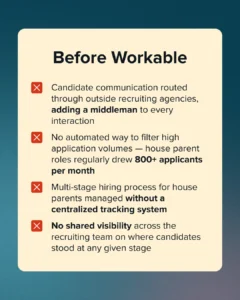
Federal Human Resources (HR) professionals are often described as chronically under-resourced, operating under immense pressure to meet stringent compliance requirements while managing complex hiring processes. This operational burden frequently leaves little room for strategic thinking, proactive talent engagement, or the kind of relationship-building that is essential for winning in a competitive talent market. The average time-to-hire in the federal government has historically been significantly longer than in the private sector, often exceeding 90 days, largely due to manual processes and administrative bottlenecks.
Leveraging Technology and Automation: A Force Multiplier for Recruiters
The current hiring freeze presents a crucial moment to address these systemic challenges by investing in HR technology and automation. When repetitive, administrative tasks – such as building candidate lists, tracking outreach communications, scheduling interviews (when active hiring resumes), and drafting initial communications – are handled by technology, federal recruiters reclaim valuable time. This efficiency gain is not merely about speeding up processes; it fundamentally transforms the role of the HR professional. Instead of being bogged down by paperwork, recruiters can dedicate their expertise to what no system can replicate: building genuine relationships with candidates, understanding their aspirations, and effectively articulating the unique value proposition of federal service. This human-centric approach is vital for attracting and retaining top talent, especially those who might be weighing offers from the private sector. Automation also ensures consistency in communication, reduces errors, and provides valuable data analytics on recruitment efforts, allowing for continuous improvement.
Beyond Compliance: Fostering Strategic HR Capabilities
By freeing HR teams from the relentless grind of administrative tasks, agencies empower them to transition from a purely transactional role to a more strategic function. This shift enables HR professionals to engage in long-term workforce planning, develop innovative talent strategies, and serve as true partners to agency leadership. When recruiters have the capacity to do their actual job – connecting with people and matching talent to mission needs – it has a ripple effect on retention. Employees who feel genuinely recruited, supported through a clear hiring process, and whose skills are well-matched to their roles are more likely to be engaged and committed to their agencies. This holistic approach to HR, fueled by strategic investment in technology and professional development, is paramount for building a resilient and effective federal workforce.
The Broader Implications: Navigating a Competitive Post-Freeze Landscape
The strategic decisions made during a hiring freeze have far-reaching implications, extending beyond immediate recruitment efforts. They impact an agency’s ability to maintain mission continuity, foster employee morale, and compete effectively for talent in the long term.
Retention and Morale: Beyond the Freeze
Even during a freeze, current employees are watching. A lack of strategic planning or perceived inaction can negatively impact morale among existing staff, who may face increased workloads due to unfulfilled vacancies. Conversely, transparent communication about proactive measures being taken to prepare for future hiring can reassure employees and reinforce their commitment to the agency’s mission. Furthermore, a modernized, efficient HR system that emerges from the freeze period will improve the experience for both new hires and existing employees seeking internal mobility or career development, thereby contributing to better retention rates in the long run.
Ensuring Mission Continuity and Public Service Excellence
Ultimately, the federal government’s capacity to deliver essential public services depends on a skilled and stable workforce. Prolonged or poorly managed hiring freezes can lead to critical skill gaps, loss of institutional knowledge due to retirements without replacements, and a decreased ability to innovate or respond to emerging national challenges. By using the freeze period to build robust talent pipelines and empower HR, agencies safeguard their ability to attract the talent necessary to fulfill their mandates, ensuring the continuity and excellence of public service.
Voices from the Field: Perspectives on Talent Strategy
Insights from various stakeholders underscore the criticality of strategic preparation. Officials from the Office of Personnel Management (OPM) are likely to emphasize the need for robust workforce planning tools and data analytics to anticipate future talent needs and optimize resource allocation, even during periods of constraint. Agency HR leaders, navigating the day-to-day challenges of talent management, frequently highlight the indispensable role of modern technology in streamlining processes and enabling their teams to focus on strategic initiatives rather than administrative burdens. They might advocate for investments in applicant tracking systems, CRM tools for candidates, and AI-driven screening solutions to enhance efficiency and effectiveness. Employee unions, representing federal workers, often express concerns about the impact of freezes on workload and morale for existing staff, underscoring the importance of transparent communication and support for current employees while future talent strategies are being developed. Technology providers, such as Yello, consistently present their platforms as essential enablers for government agencies to overcome traditional recruitment hurdles, modernize their talent acquisition strategies, and build a competitive advantage in a challenging labor market. Analysts contend that the federal government, often perceived as lagging behind the private sector in HR innovation, has a unique opportunity during these pauses to leapfrog outdated practices and embrace digital transformation.
Conclusion: A Call to Proactive Workforce Resilience
Hiring freezes, while disruptive, offer a rare moment of clarity and a critical window for introspection and strategic realignment within federal agencies. The temporary absence of immediate hiring urgency provides the necessary space to evaluate current practices, recalibrate talent acquisition strategies, and build the foundational infrastructure required for future success. Agencies that view this period not as a mandated pause but as an imperative to prepare – by cultivating robust internal pipelines, implementing smarter external outreach, and strategically empowering their HR teams with advanced technologies – will be the ones that emerge from the freeze ready to move swiftly and confidently. This proactive approach will not only ensure their ability to attract and secure the best talent in a competitive environment but will also strengthen the long-term resilience and effectiveness of the federal workforce, ultimately enhancing its capacity to serve the American public.