
Modern organizations are increasingly recognizing the indispensable role of evidence-based performance management strategies in fostering employee engagement, ensuring strategic alignment, and driving sustainable growth. Research consistently highlights a strong correlation between effective performance management systems and superior business outcomes. Specifically, companies that implement robust performance management practices are found to be 2.5 times more likely to outperform their peers in key areas such as financial performance and employee retention. This underscores the critical need for HR leaders, managers, and employees alike to understand and embrace best practices in this domain. Without a clear strategic direction and the right tools, performance management initiatives can falter, leading to low adoption rates and ultimately, underperformance.
The Evolving Landscape of Performance Management

The traditional annual performance review, often viewed as a perfunctory exercise, is rapidly giving way to a more dynamic and continuous approach. Employees today crave fairness, transparency, and ongoing coaching and feedback. When leaders prioritize these elements, employees feel more connected to their organization’s mission and are better positioned to deliver their best work. This shift is not merely a trend but a fundamental evolution driven by the changing expectations of the modern workforce and the increasing complexity of the business environment.
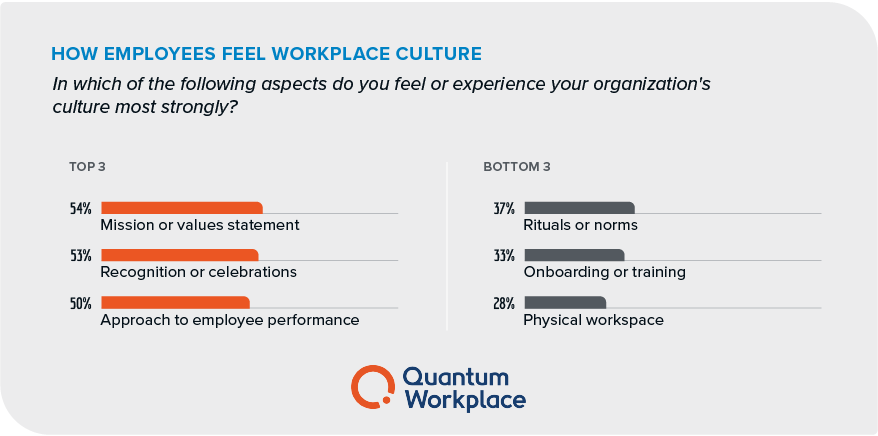
Data from recent workplace trend reports reinforces this sentiment. Research indicates that how an organization approaches performance management is a critical determinant of employee perception of the company culture. In fact, a significant 50% of employees experience their organizational culture most strongly through their employer’s approach to performance. This highlights the profound impact of performance management systems beyond mere evaluation, shaping the very fabric of organizational culture and employee experience.
Why Performance Management Strategies Are Paramount
Performance management strategies are not just administrative processes; they are the crucial connective tissue linking individual efforts to overarching organizational success. They provide a structured framework for setting clear expectations, meticulously measuring progress, and optimizing performance outcomes across every role within an organization.
The importance of effective performance management extends to several key areas:
- Fostering Employee Growth: By providing regular feedback, development opportunities, and recognition, organizations can cultivate a culture of continuous learning and improvement. This not only benefits individual employees but also builds a more skilled and adaptable workforce.
- Developing Future Leaders: Performance management systems offer a platform to identify high-potential employees, assess their readiness for leadership roles, and provide them with the necessary training and experiences to succeed.
- Strengthening Organizational Culture: A well-executed performance management strategy reinforces desired behaviors, values, and a commitment to excellence, contributing to a positive and high-performing organizational culture.
- Enhancing Productivity and Efficiency: Clear goals, regular feedback, and performance tracking enable employees to focus their efforts on the most impactful activities, leading to increased productivity and operational efficiency.
- Improving Employee Retention: When employees feel valued, supported, and see a clear path for growth and recognition, their likelihood of remaining with the organization increases significantly.
Key Benefits of a Structured Performance Management System for HR Leaders

For HR leaders, a well-designed performance management system offers a suite of advantages that can transform their department’s effectiveness and strategic contribution:
- Data-Driven Decision-Making: Performance data provides invaluable insights into workforce capabilities, skill gaps, and individual and team performance trends, enabling more informed strategic decisions regarding talent development, succession planning, and resource allocation.
- Streamlined Processes: Modern performance management tools can automate many of the administrative tasks associated with reviews, feedback collection, and goal tracking, freeing up HR professionals to focus on more strategic initiatives.
- Enhanced Employee Engagement: By facilitating regular communication, recognition, and development opportunities, performance management systems can significantly boost employee morale, engagement, and overall job satisfaction.
- Mitigation of Bias: Implementing standardized processes, objective criteria, and bias awareness training can help HR leaders ensure fairness and equity in performance evaluations, reducing the risk of discrimination and improving trust.
- Strategic Workforce Planning: Performance data is essential for effective workforce planning, allowing HR to identify future talent needs, develop robust succession plans, and build a resilient organization capable of adapting to market changes.
Core Pillars of Effective Performance Management: Best Practices
To build a robust and impactful performance management strategy, organizations should focus on several key areas, integrating them into a cohesive and actionable framework.
Goal Setting
Effective goal setting is the bedrock of performance management. It provides direction, clarity, and a measurable benchmark for success.
- Prioritize Collaborative Goal Setting: Involving employees in the process of defining objectives fosters a sense of ownership, enhances clarity, and significantly boosts engagement. HR professionals should encourage managers to co-create goals that not only align with organizational objectives but also resonate with individual employee aspirations.
- Frequent Review and Revision of Goals: The business landscape is dynamic, necessitating agile goal management. Revisiting goals quarterly, or even monthly, ensures that performance management strategies remain relevant and responsive to shifting business conditions. Implementing regular touchpoints for goal adjustments is crucial.
- Align Goals to Organizational Purpose/Big Picture: Every goal should clearly connect to broader company objectives. This alignment helps employees understand how their individual contributions directly impact strategic outcomes, reinforcing their sense of purpose and value. Utilizing cascading goal frameworks within HR platforms can be an effective method for achieving this.
- Set Stretch but Realistic Goals: Ambitious yet attainable goals motivate employees to push their boundaries and strive for improvement without leading to burnout. The key is to strike a balance that encourages growth while remaining achievable.
- Utilize OKRs or SMART Goal Frameworks: Integrating structured goal-setting methodologies like Objectives and Key Results (OKRs) or the SMART (Specific, Measurable, Achievable, Relevant, Time-bound) framework enhances clarity, measurability, and accountability. Standardizing training on these methods ensures consistent goal alignment across all teams.
Feedback & Communication
Continuous feedback and open communication are vital for employee development and fostering a supportive work environment.
- Regular 1-on-1s and Continuous Conversations: Moving away from the outdated annual review model, frequent one-on-one meetings between managers and employees strengthen trust, promote agility, and allow for timely issue resolution and support. Standardizing the cadence of these meetings across the organization is recommended.
- Timely, Actionable Feedback: Providing feedback as close as possible to the performance event ensures its relevance and impact. Actionable insights empower employees to make immediate improvements and learn from their experiences. Manager toolkits can be developed to guide structured and effective feedback delivery.
- Two-Way Feedback: Encouraging employees to share feedback with their managers cultivates psychological safety and builds mutual trust. Establishing anonymous channels for upward feedback can further encourage open and honest dialogue.
- Clear Communication of Expectations: Defining what success looks like from the outset is fundamental. Performance expectations should be explicitly communicated and directly tied to specific competencies and desired outcomes.
- Leverage Technology for Feedback and Communication: AI-driven feedback tools can streamline data collection and analysis, improving accuracy and efficiency. Investing in platforms that integrate with HRIS systems provides real-time insights and supports data-informed performance discussions.
- Incorporate AI-Driven Performance Insights: Utilizing analytics and AI tools can generate real-time performance insights, reducing subjectivity in evaluations and providing managers with objective data to guide their conversations.
- Promote Psychological Safety in Feedback: Encouraging open communication without fear of retribution is essential for fostering trust, innovation, and a culture where employees feel comfortable taking risks and learning from mistakes. Training managers to respond constructively to feedback is key.
Managerial Approach
The role of the manager is pivotal in the success of any performance management strategy.
- Fair and Transparent Evaluation: Evaluations must be based on objective metrics and transparent processes to ensure equity and build trust. Calibrated review processes across departments can help standardize evaluation standards.
- Bias Awareness and Mitigation: Managers require training to recognize and actively counter cognitive biases that can influence performance assessments. Incorporating bias awareness modules into leadership development programs is crucial.
- Invest in Manager Enablement Coaching: Equipping managers with the necessary tools, frameworks, and skills to lead continuous performance conversations effectively is paramount. Leadership programs focusing on feedback, motivation, and empathy can significantly enhance managerial capabilities.
Development & Recognition
Acknowledging and fostering employee growth and recognizing achievements are key drivers of motivation and retention.
- Individualized Growth and Development Strategies: Personalized development plans are crucial for fostering engagement and retention. Utilizing employee data to craft individualized career pathways ensures that development efforts are targeted and impactful.
- Real-Time and Ongoing Recognition: Prompt recognition of achievements reinforces desired behaviors and motivates employees to maintain high performance levels. Adopting peer-to-peer recognition software can facilitate consistent and widespread acknowledgment.
- Linking Development to Performance Conversations: Integrating skill-building discussions into regular performance meetings ensures that development is a continuous process, directly tied to performance goals and career aspirations. Aligning learning goals with review outcomes is essential.
- Provide Learning and Stretch Opportunities: Offering employees challenging assignments and growth opportunities encourages skill development and keeps them engaged. Formalizing stretch assignments within performance discussions can provide structured pathways for advancement.
- Regular Review of Recognition Practices: Continuously assessing the effectiveness and inclusivity of recognition programs ensures they remain relevant and motivating for all employees. Gathering feedback is vital for evolving recognition initiatives.
- Integrate Career Pathing into Performance Management: Linking evolving performance goals with transparent career growth plans provides employees with a clear vision of their future within the organization. Creating structured career ladders or mobility paths within HR systems is beneficial.
- Personalize Recognition Through Data and Feedback Analytics: Using data to tailor recognition programs to different team cultures and employee motivations enhances their impact. Recognition data dashboards can track engagement and inclusivity metrics, ensuring equitable and effective recognition.
System & Culture
The underlying system and organizational culture significantly influence the effectiveness of performance management.
- Continuous Performance Management Conversations: Embedding performance discussions into daily workflows ensures scalability and consistency. Promoting performance as a shared responsibility between employees and managers is key.
- Involve Employees in the Process: Collaborative performance management enhances accountability and ownership. Involving employees in process design and feedback loops ensures the system meets their needs and fosters buy-in.
- Usable Systems and Reduced Friction: Adopting user-friendly performance management tools is critical for high adoption rates. Prioritizing intuitive platforms and streamlining administrative tasks minimizes employee and manager burden.
- Culture of Trust, Fairness, and Transparency: Performance management can only thrive in environments built on a foundation of trust. Leadership must model transparency to reinforce authenticity and foster a secure environment.
- Leadership Buy-in and Role Modeling: Leaders are instrumental in championing and embodying the principles of effective performance management, including coaching, feedback, and recognition. Incorporating these expectations into leadership performance reviews is essential.
- Embed DEI (Diversity, Equity, and Inclusion) in Performance Management: Ensuring performance systems actively promote equity and diversity is crucial for reducing systemic bias and fostering fairness. Regularly auditing performance outcomes for bias and ensuring representation in metrics and recognition are vital steps.
Five Steps to Building an Effective Performance Management Strategy
Crafting a successful performance management strategy requires a systematic approach that integrates structure, consistent communication, and measurable results.
- Assess Needs and Set Goals: Begin by identifying current performance gaps and defining clear, measurable success criteria. HR should analyze engagement data, turnover metrics, and productivity benchmarks to inform strategic goal setting.
- Engage Stakeholders and Secure Buy-in: Involving leaders, managers, and employees from the outset is crucial. Early engagement ensures the performance management strategy is viewed as a company-wide solution rather than solely an HR initiative, fostering broader adoption and commitment.
- Design a Tailored Performance Management Framework: Develop processes that are customized to the organization’s size, culture, and specific team needs. This may involve adjusting feedback cycles, evaluation criteria, and goal alignment models to ensure the data generated provides the most valuable insights.
- Select Processes and Tools that Fit Teams and Roles: Choose performance management tools that offer advanced customization, intuitive communication features, and seamless integration with other HR systems. Leveraging AI-powered employee engagement platforms with predictive analytics can make management data clear and accessible.
- Adjust Strategies Based on Data and Feedback: Regularly review the strategy’s effectiveness using performance metrics and employee feedback. Continuous improvement is essential to ensure the strategy remains relevant and sustainable in a constantly evolving workforce.
The Role of Technology in Modern Performance Management
The effectiveness of performance management is increasingly intertwined with technological adoption. A significant majority of HR leaders are actively seeking to improve their performance management systems, with many planning significant changes. Technology plays a crucial role in enabling organizations to embrace best practices.
- Goals: Robust goal management software empowers teams to set, track, and align individual goals with organizational objectives, ensuring every employee understands their contribution to the bigger picture.
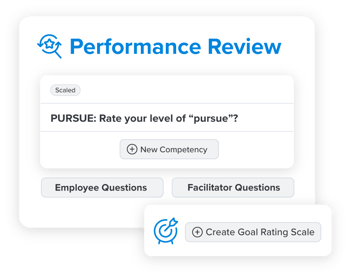
- Performance Reviews: Performance review software streamlines evaluations, enabling managers to build consistent feedback habits crucial for employee success.
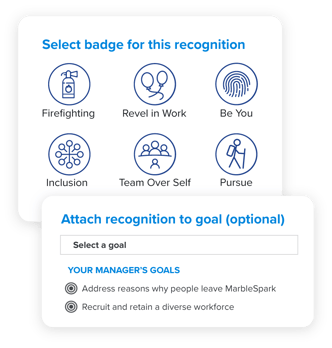
- Recognition: Effective employee recognition tools facilitate peer-to-peer celebrations, connecting recognition to core values and motivating desired behaviors.
- 1-on-1s: One-on-one meeting software fosters regular, clear communication between employees and managers, integrating goals and feedback for more productive conversations.
- Feedback: Two-way feedback solutions help employees develop into better team members and managers become more effective coaches, offering flexible frameworks for growth.
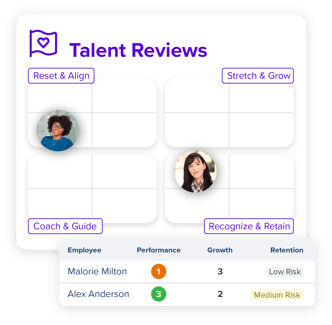
- Talent Reviews: Intuitive talent review tools provide leaders with comprehensive insights into their workforce, enabling strategic decisions about talent development and risk mitigation.
- Succession Planning: Succession planning software helps leaders identify and develop future leaders, ensuring the organization has the right talent in place for critical roles.
In conclusion, a comprehensive and adaptable performance management strategy is no longer a luxury but a necessity for organizational success. By embracing best practices, leveraging technology, and fostering a culture of continuous feedback and development, organizations can empower their employees, drive engagement, and achieve sustainable, high-impact business outcomes. The focus must remain on coaching performance with employee engagement at its core, enabling individuals to reach their full potential and contributing to consistent business success.