This week, Cornerstone, a dominant force in corporate learning technology with an estimated revenue of around $1 billion, announced a significant strategic reinvention, venturing deep into the complex and rapidly evolving world of Artificial Intelligence. The move comes as the company, roughly four times the size of competitor Docebo, seeks to navigate a seismic shift in the learning and development (L&D) sector, driven by the transformative power of AI. This repositioning is particularly timely as industry observers prepare for the release of "HR 2030," a forthcoming report analyzing the future of human resources.
Cornerstone’s Established Position and the AI Disruption
Cornerstone boasts an impressive client roster, serving over 7,000 enterprise customers, including many of the world’s largest brands, and reaching an estimated 140 million users globally. The company’s core business has historically been rooted in Learning Management Systems (LMS) and Learning Experience Platforms (LXP), supplemented by a robust talent management suite. Founded 27 years ago as an e-learning platform provider, Cornerstone has established itself as a pioneer in the "talent-driven learning platform" market. Its aggressive acquisition strategy and consistent product development have allowed it to outpace or absorb nearly every standalone LMS company that emerged over the past quarter-century. The broader corporate learning market is estimated to be a $30 billion industry, though a significant portion is captured by larger Human Capital Management (HCM) players like Workday, Oracle, and SAP. Within this landscape, Cornerstone is recognized for its superior functionality.
The company’s trajectory shifted in 2021 when it was acquired and taken private for $5.5 billion, a valuation of approximately five times its then-current revenues. Since then, Cornerstone has strategically acquired key entities to bolster its offerings, including EdCast for LXP capabilities, Skyhive for skills and labor market data, and Tailspin for virtual reality (VR) content. While Cornerstone remains highly profitable, its market valuation has seen limited growth, a trend attributed by some analysts to a perceived stagnation in its core market. The company itself acknowledges these challenges, having focused on expanding its sales channels, promoting integrated solutions, and enhancing its feature set. However, the perception of its brand as somewhat dated has led to customer churn during renewal periods. This is not an uncommon challenge for established technology providers facing rapid market evolution, especially with the emergence of newer, more agile competitors.

The true catalyst for Cornerstone’s dramatic pivot is the AI disruption that began to fundamentally alter the e-learning landscape around Fall 2022 with the public release of ChatGPT. This event marked the beginning of the end for the traditional "e-learning" or "published training content" market, a sector valued at over $400 billion, which is now undergoing a rapid, AI-driven reinvention.
The Traditional Content Creation Model: A Slow and Costly Process
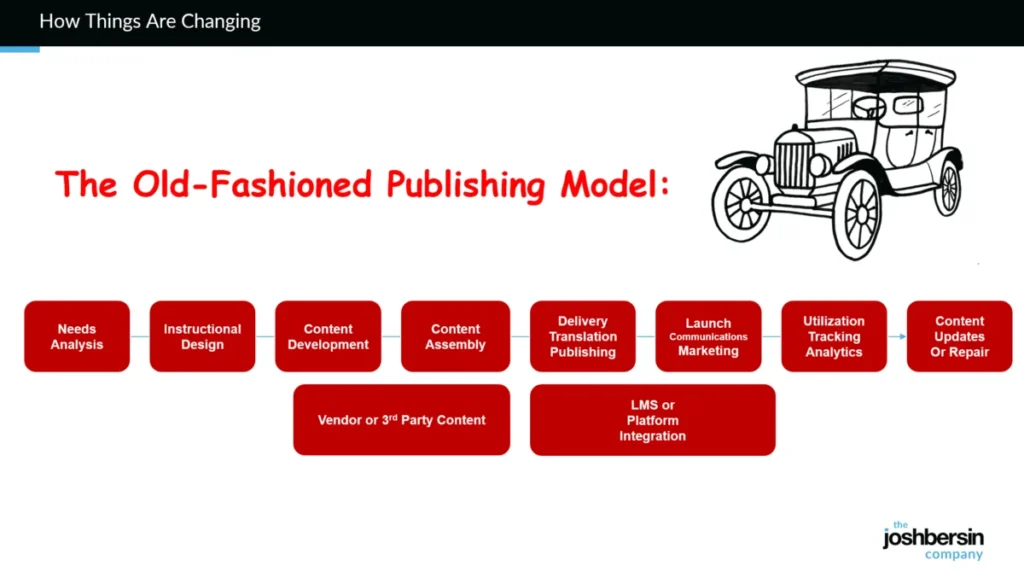
For three decades, the development of corporate training content has followed a meticulous, labor-intensive process. Companies have traditionally authored, published, and licensed a wide array of materials, including courses, videos, assessments, and simulations. This content was painstakingly created by instructional designers, graphic artists, and subject matter experts, with hundreds of "publishers" offering solutions across various domains like IT, sales, and leadership.
The creation of a single course was akin to writing a book: it involved extensive design, content sourcing, audience targeting, and months of development. Once built, content required translation into multiple languages, rigorous testing, and finally, publication into an LMS. This entire workflow was built upon the 35-year-old SCORM tracking standard, which primarily focused on measuring learner progression and completion rates. This established process, while employing millions of learning professionals, has become increasingly defunct due to its inherent slowness, inflexibility for edits, and exorbitant costs. The development of a single high-quality course could easily exceed $50,000, placing significant constraints on time and budget for publishers and internal L&D teams. The recurring question of return on investment for such lengthy projects has become a persistent challenge. While not a criticism of the dedicated professionals within the industry, the inherent complexity and cost of this model are undeniable. This is further compounded by the fact that even easily accessible content like YouTube videos, while plentiful, are not integrated into corporate tracking systems and lack the necessary security. This represents a significant market of over $50 billion in content poised for radical transformation by AI.
AI’s Paradigm Shift: Speed, Personalization, and Enablement
The advent of AI is fundamentally reshaping this paradigm. While initial concerns suggested AI-generated content might be rudimentary, akin to early AI-authored essays, the reality is that AI-generated courses are proving to be remarkably effective and are continuously improving. The time required for development and refinement has dramatically reduced from months to mere days or even hours. Even if an AI-generated course is initially 70% accurate, the remaining time and resources can be dedicated to precise tweaking.
However, AI’s impact extends far beyond rapid content generation. AI-powered learning platforms empower users to engage in a more interactive way, allowing them to "ask questions" rather than passively navigate through chapters. This transforms a "course" into a dynamic, responsive expert. Consequently, each employee can receive a personalized version of the learning material they need—a feat unattainable with traditional SCORM-compliant content.
Furthermore, AI-powered courses can be interconnected. If an employee in a refinery setting needs to learn about safety protocols for sulfur dioxide, they no longer need to search for a specific "sulfur dioxide safety" course. Instead, they can pose their question directly to the system, which will provide an answer. This capability facilitates deeper learning when necessary but, more importantly, addresses the prevalent need for "enablement" rather than pure "learning." In today’s fast-paced work environment, employees often require immediate information, tips, advice, or knowledge to perform their tasks effectively, rather than dedicating time to formal learning sessions. This AI-native learning experience represents a radical departure from simply using AI to "build SCORM courses."
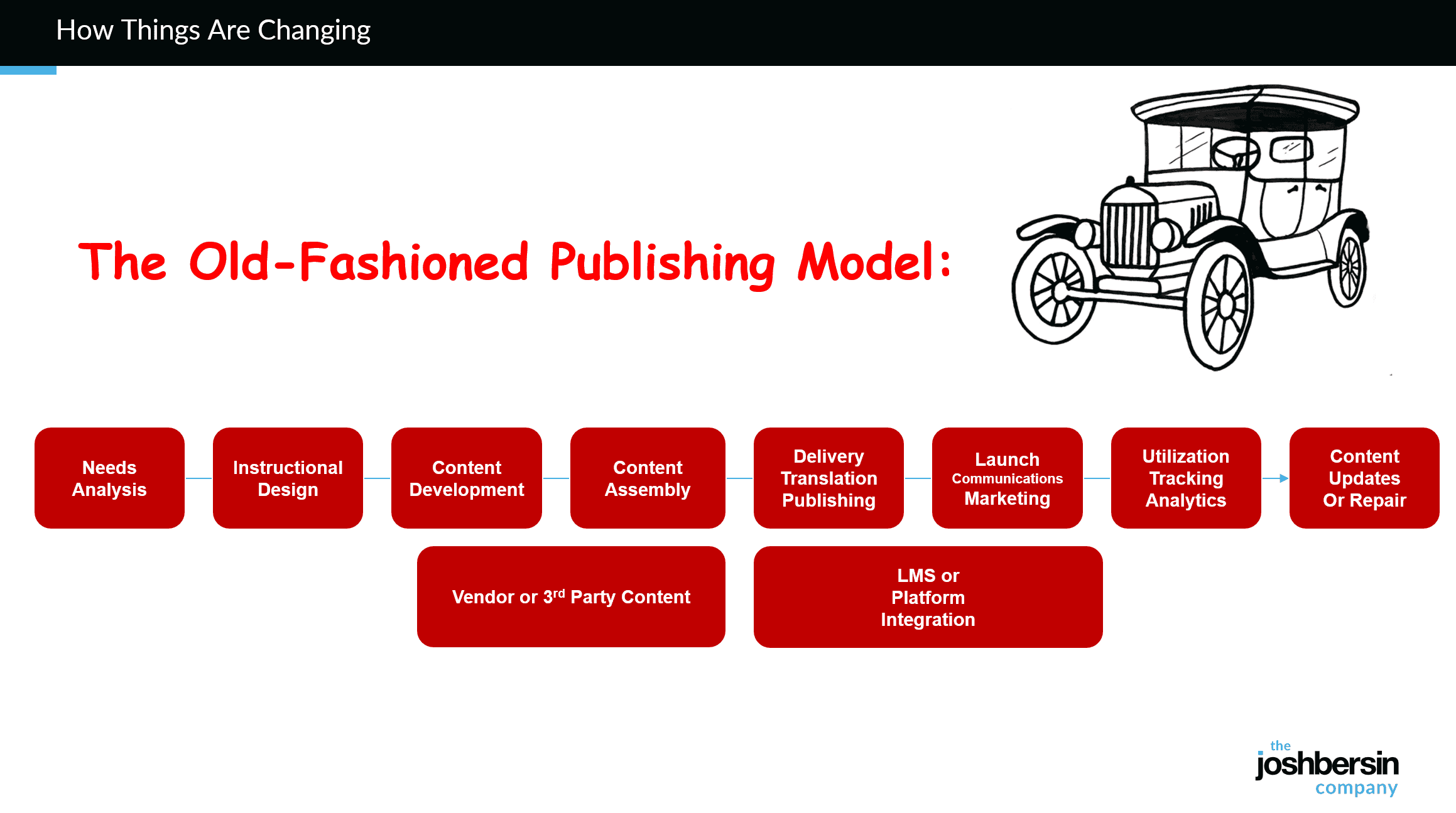
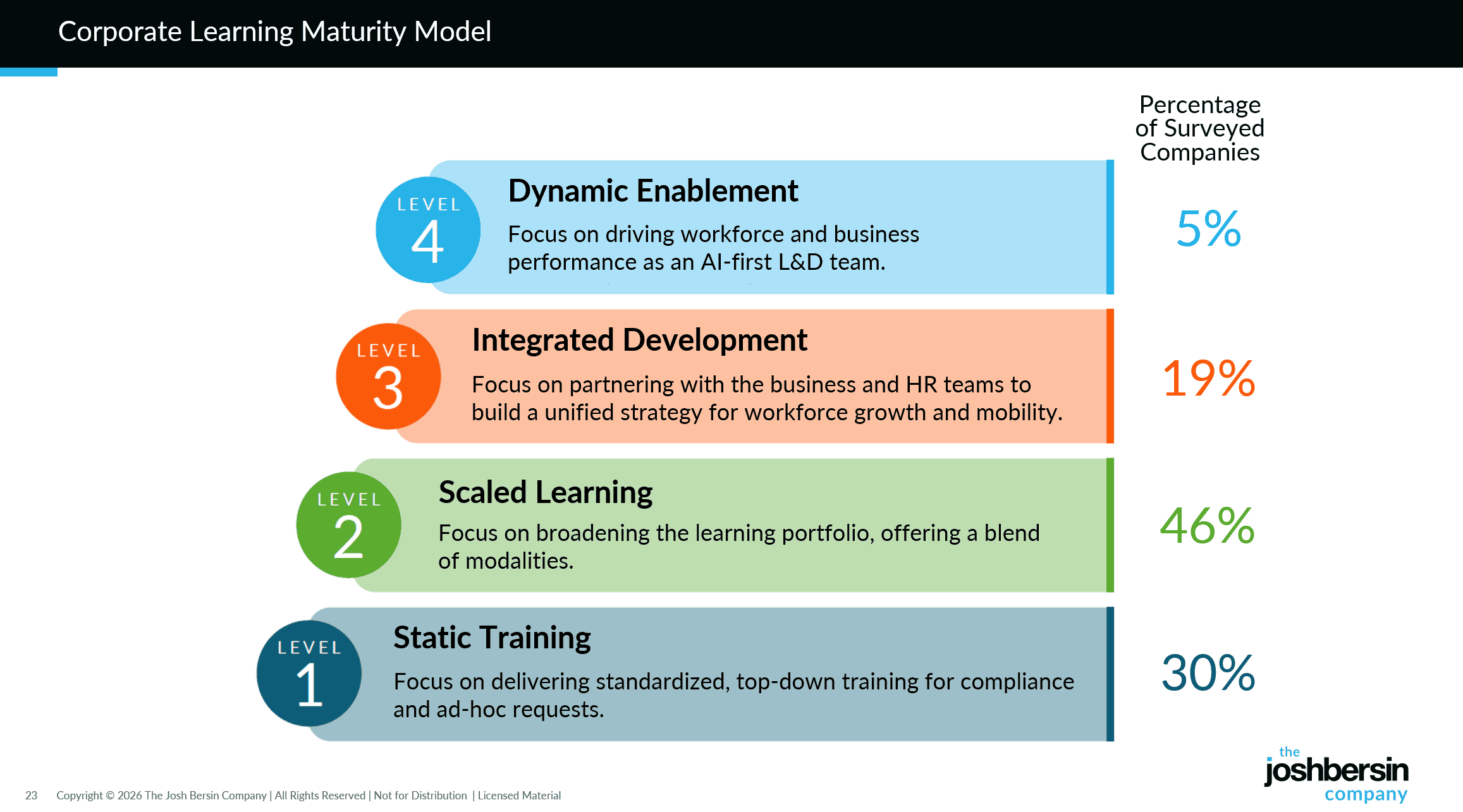
This evolution is being termed the "Revolution in L&D," but its implications extend to a broader "Revolution in Business." L&D departments are expected to streamline their operations significantly, shifting their focus towards enablement. Much of the L&D staff may transition into business-facing roles, acting as direct drivers of business success, with the exception of compliance-related functions. Research, such as the "Learning Maturity Model" based on surveys of over 700 companies, indicates that organizations operating at higher maturity levels (Level 4) are 74% more innovative and agile in their skills development, earning widespread acclaim from business units for their rapid content generation capabilities in response to emerging challenges.
The Market Impact on Cornerstone and Its Competitors
The current L&D market is experiencing a rapid influx of new players championing AI-native learning solutions. Companies such as Sana, Docebo, Absorb, Uplimit, Arist, and others are already delivering advanced AI-driven learning experiences. Even major AI developers like OpenAI are beginning to integrate content and collaborate with learning platforms, while Anthropic is actively assisting companies in leveraging AI for their learning needs. The future landscape envisions a scenario where every employee has access to an AI agent, akin to Microsoft Copilot, capable of understanding their roles, processing communications, and indexing all digital interactions and artifacts. This AI agent, informed by an individual’s skills, experiences, strengths, and weaknesses—further enriched by peer feedback and performance data—can proactively offer guidance, onboarding plans, or coaching.
Cornerstone’s announcement of its "People Graph," a foundational element for this future, aims to build this comprehensive understanding of employees. Once this graph is established and coupled with an AI-native learning platform, personalized interventions become seamless. This shift poses a significant challenge to established providers like Cornerstone, as L&D spending is rapidly migrating from traditional tools to these new AI-centric solutions. This migration could directly impact Cornerstone’s revenue streams. More critically, L&D leaders who fail to adapt to AI-native solutions risk seeing their budgets, seniority, and overall roles diminish, as their traditional responsibilities may be deemed less relevant in an AI-driven environment. The question of why significant resources are allocated to content that is no longer widely utilized will inevitably arise.
Cornerstone Workforce AI: A Strategic Reimagining
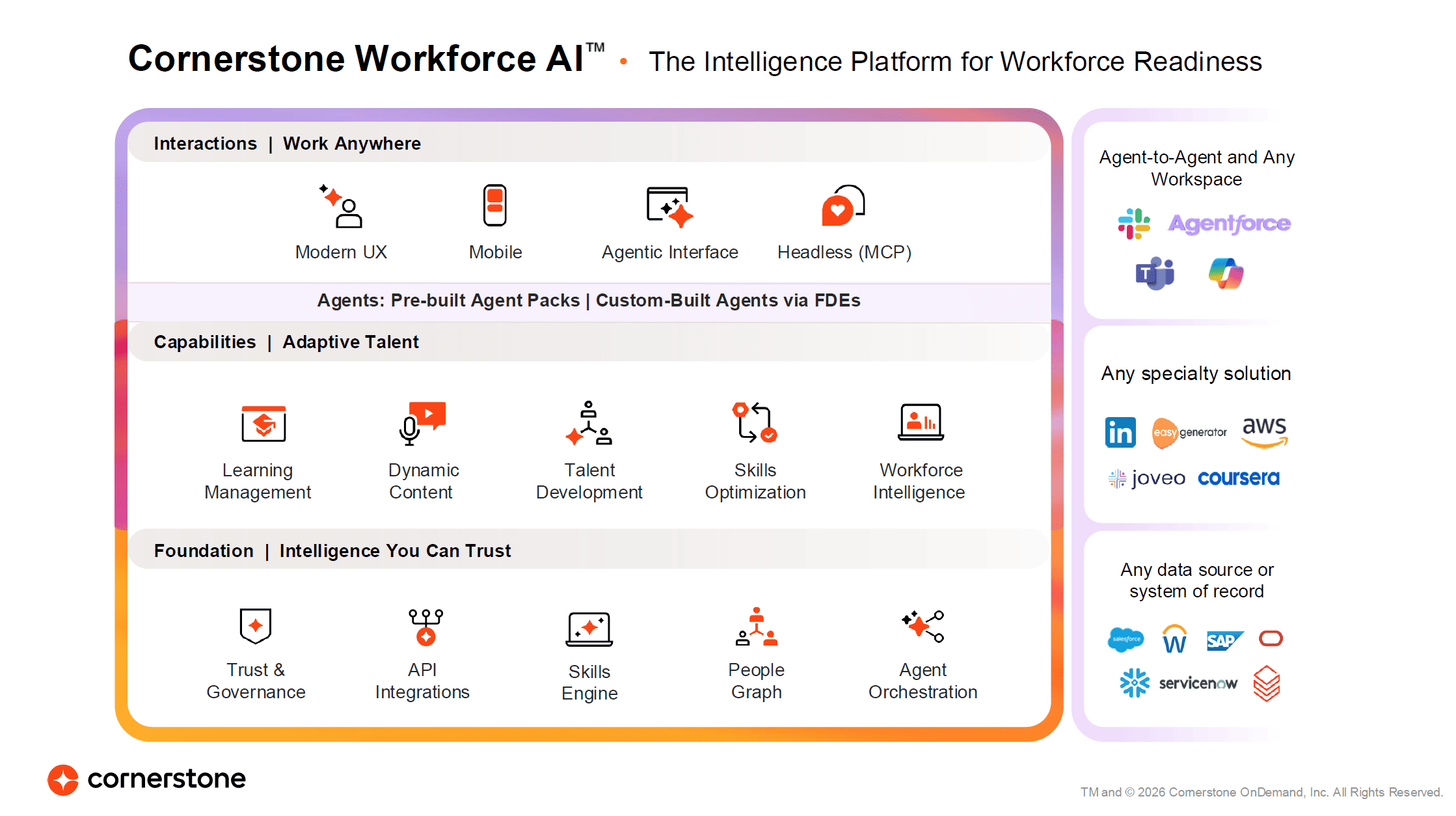
Cornerstone’s response to this evolving market is the launch of "Cornerstone Workforce AI," a comprehensive platform representing a significant reinvention. Spearheaded by Guna Jayaraman and the new AI division, this initiative aims to redefine the company’s position. While the platform is still in its nascent stages, it consolidates key AI capabilities, including skills and capability inference, an open "People Graph" designed for seamless data integration from various systems (HRMS, LMS, project management, employee engagement surveys), and a suite of data services incorporating labor market intelligence from Skyhive. Additionally, it offers pre-built "Readiness Agents" designed to address immediate business challenges.
This new platform integrates functionalities from Cornerstone’s existing learning platform, Cornerstone Galaxy, while introducing entirely new AI-driven capabilities. Customers can adopt the new platform from scratch or upgrade their existing licenses to unlock these advanced features. Early adopters, including a wealth management firm, a large media company, and discussions with Cisco, indicate that organizations are leveraging Workforce AI to integrate proprietary company information for significant improvements in skills development, employee mobility, organizational redesign, and risk mitigation.
While Cornerstone Workforce AI may not yet be a fully "AI-Native" platform in the same vein as some competitors like Sana, it represents a substantial leap forward. The company has already introduced AI content development tools and agents for LMS administration and analysis, with AI-native content features being rolled out across both its existing and new environments. The currently available packaged Agents, while not yet fully customizable, harness the comprehensive data and intelligence within Workforce AI to provide targeted solutions.
The Road Ahead: Opportunity and Challenge
Cornerstone’s strategic pivot towards AI represents a monumental undertaking. The management team acknowledges the inherent nervousness in potentially leaving behind existing customers but recognizes this as a crucial opportunity to shape the future of the market. Spending on traditional training solutions is projected to decline significantly, with AI budgets poised for allocation. While established AI-native players like Sana and Docebo are already strong contenders, Cornerstone possesses the potential to capitalize on this shift.
For organizations looking to embrace this transformative era, Cornerstone Workforce AI presents a compelling proposition. Despite its newness and the ongoing need for further development, the powerful AI platform offers a significant opportunity for ambitious strategic thinking. The ultimate goal is to empower every employee to "succeed" in their unique capacity, a vision that could redefine the employee experience and organizational effectiveness. The success of this venture will hinge on Cornerstone’s ability to clearly articulate its AI strategy and solutions within the dynamic and rapidly changing AI market, ensuring clients understand the profound implications for enablement and individual growth.
Additional Resources:
- The World of Corporate Training Lurches Toward Dynamic Enablement
- The Enterprise Learning Tech Market Quickly Transforms Around AI
- The Definitive Guide to Corporate Learning: Reinvention in the Age of AI
- 2026 Imperatives for Enterprise AI: The Road Ahead
- The Great Reinvention of Human Resources Has Begun
- Introducing HR 2030: A Vision For Agentic Human Resources
- Get Galileo, The AI Agent for Everything HR