Employee disengagement represents a significant and escalating business risk, precisely where well-designed incentive programs can profoundly reshape organizational outcomes. When exceptional contributions go unacknowledged, employees inevitably detach, leading to a demonstrable decline in productivity and a worrying surge in staff turnover. Recent data from the Achievers Workforce Institute starkly illustrates this challenge, revealing that a mere 26% of employees report feeling engaged, and only 25% genuinely believe their efforts are appreciated at work. These figures serve as an urgent warning for any organization striving to cultivate and retain top-tier talent in today’s competitive landscape. The financial repercussions of a disengaged workforce are staggering, with estimates placing the annual cost to the U.S. economy at an alarming $1.9 trillion – a figure with monumental implications for national productivity and corporate profitability.
The good news, however, is that employee incentive programs offer a powerful antidote to this widespread disengagement. When implemented thoughtfully and strategically, these programs ignite motivation, consistently reinforce desired behaviors, and foster a vibrant workplace culture where individuals feel genuinely seen, heard, and valued. Conversely, poorly conceived or executed programs often fail to gain traction, becoming mere administrative burdens that yield no measurable improvement in engagement scores. This article will delve into the fundamental elements that render employee incentive programs effective, explore the psychological principles underpinning their success, and present a comprehensive array of actionable ideas that organizations can confidently adopt to transform their workforce dynamics.
The Pervasive Crisis of Disengagement in the Modern Workplace

The phenomenon of employee disengagement is not a new challenge, but it has intensified dramatically in recent years, particularly in the wake of global shifts like the COVID-19 pandemic and the subsequent "Great Resignation." Employees today are not just seeking competitive salaries; they demand purpose, flexibility, opportunities for growth, and a workplace culture that prioritizes their well-being and acknowledges their contributions. The Achievers Workforce Institute’s findings underscore a critical disconnect: a vast majority of employees feel undervalued, leading to a pervasive sense of apathy that erodes organizational cohesion and performance. This emotional and psychological withdrawal, often termed "quiet quitting," manifests in reduced effort, diminished creativity, and a reluctance to go beyond basic job requirements. The $1.9 trillion annual cost to the U.S. economy, as reported by Bloomberg, is not merely an abstract number; it represents lost innovation, delayed projects, decreased customer satisfaction, and the continuous expense of recruiting and training new staff to replace departing talent. This economic drain highlights the imperative for businesses to actively invest in strategies that cultivate a more engaged and appreciative workforce.
Defining and Evolving Employee Incentive Programs
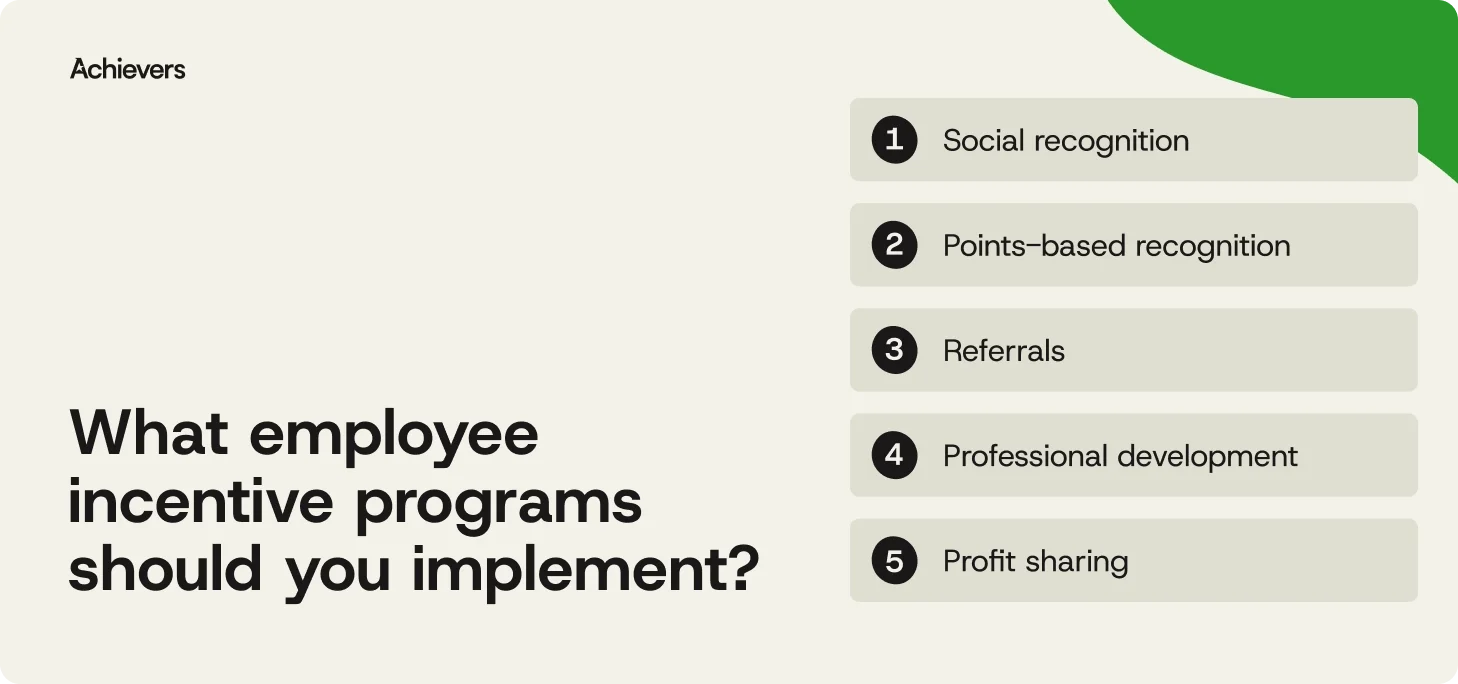
Employee incentive programs are meticulously structured initiatives designed by organizations to motivate and recognize employees for their meaningful contributions. These programs leverage a diverse range of rewards, including but not limited to formal recognition, monetary bonuses, points redeemable for goods or experiences, professional development opportunities, and additional time off. Their primary purpose is to reinforce behaviors that directly contribute to achieving business objectives and upholding core company values. When expertly designed, these programs transcend simple reward distribution; they become integral tools for shaping positive workplace behaviors, fostering a sense of belonging, and ultimately driving higher engagement, superior performance, and improved long-term retention. They serve as tangible affirmations, communicating to employees that their effort is not only noticed but genuinely valued by the organization. The modern incentive program has evolved significantly from the traditional, often perfunctory, annual service awards, shifting towards more frequent, personalized, and diverse recognition that integrates seamlessly into the daily employee experience.
The Psychological Underpinnings: Why Incentives Work
The power of employee incentive programs lies in their astute tapping into fundamental human psychological principles. Behaviorist theories, such as operant conditioning, explain that individuals are more likely to repeat behaviors that are positively reinforced. When an employee’s exceptional work is met with a timely and meaningful reward, it creates a positive association that encourages the repetition of that behavior. Moreover, incentive programs address intrinsic motivators, such as the need for competence, autonomy, and relatedness. Feeling recognized for one’s skills (competence), having choices in rewards (autonomy), and being acknowledged by peers and leaders (relatedness) all contribute to a deeper sense of job satisfaction and purpose.
The effectiveness of incentives is significantly amplified by their frequency and specificity. Frequent rewards create a consistent feedback loop, linking daily tasks and efforts directly to tangible achievements. This consistent reinforcement not only boosts morale but also clarifies performance expectations and reinforces desired organizational values. Companies that strategically embed incentive programs into their culture consistently report higher success rates in achieving their strategic objectives. Moving beyond infrequent, ceremonial awards, and integrating incentives as a dynamic, ongoing aspect of the workplace culture is crucial for sustained transformation. When employees feel consistently appreciated, their performance demonstrably improves, and their loyalty to the organization deepens. Furthermore, businesses that offer well-structured sales incentives frequently report impressive revenue growth, and professionals who express satisfaction with their overall benefits package are significantly more likely to report higher job satisfaction.
Comprehensive Benefits of Robust Incentive Programs
Employee reward programs serve as powerful mechanisms for organizations to reinforce desired behaviors, enhance overall performance, and cultivate a stronger sense of engagement and connection across the entire workforce. The key benefits extend far beyond mere morale boosts:
- Enhanced Employee Engagement: Programs directly combat disengagement by making employees feel valued and recognized, fostering a deeper emotional connection to their work and the company.
- Improved Retention Rates: Employees who feel appreciated are significantly less likely to seek opportunities elsewhere, reducing costly turnover and preserving institutional knowledge.
- Boosted Productivity and Performance: Clear incentives motivate employees to strive for excellence, meet targets, and consistently perform at higher levels.
- Stronger Company Culture: A culture of appreciation and recognition promotes positivity, collaboration, and a shared sense of purpose.
- Attraction of Top Talent: A robust incentive and recognition program enhances an organization’s employer brand, making it more attractive to prospective candidates.
- Reinforcement of Company Values: Incentives can be strategically tied to behaviors that exemplify core organizational values, embedding them deeper into daily operations.
- Increased Innovation and Creativity: Recognizing and rewarding innovative thinking encourages employees to contribute new ideas and solutions.
- Better Customer Satisfaction: Engaged and motivated employees often provide superior customer service, leading to improved client relationships and business outcomes.
When seamlessly integrated with frequent, social recognition initiatives, reward programs become an exceptionally potent tool for shaping organizational culture and driving measurable, positive impact across every facet of the business. The data unequivocally supports this: employees who feel appreciated are 12 times more likely to perceive their work as meaningful and 17 times more likely to envision a long-term career path within their current company. Rewards tangibly reinforce this appreciation, transforming a simple acknowledgment into a memorable experience that encourages repetition of desired behaviors.
Strategic Implementation: Best Practices for Impactful Programs
Once an organization identifies the most suitable employee incentive programs, their successful implementation hinges on adherence to several best practices:
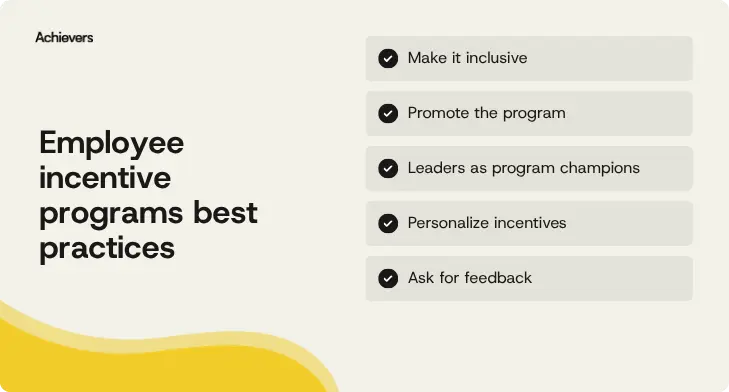
- Cultivate Inclusivity: Ensure that incentive programs are accessible and appealing to all employees across diverse teams and demographics. Offer a variety of reward options to cater to different preferences. Critically, recognize both the leaders who champion the program and the participants who actively engage. A user-friendly platform is essential to ensure employees feel involved, valued, and empowered to participate and redeem rewards.
- Vigorous Promotion and Communication: A robust communication strategy is paramount. Develop a comprehensive plan to raise awareness and maintain consistent engagement. Utilize multiple channels, from internal newsletters and digital signage to engaging email campaigns and team meetings. Crucially, integrate program information into new hire onboarding processes to ensure every employee understands the opportunities from day one.
- Leadership as Role Models: Organizational leaders are not merely managers; they are the primary cheerleaders and exemplars of the incentive program. When leaders actively participate, openly recognize achievements, and visibly champion the program, it creates a powerful ripple effect throughout the entire organization. Providing comprehensive training for leaders on how to effectively utilize and engage with incentives is crucial for widespread adoption and success.
- Personalized Incentives: A "one-size-fits-all" approach rarely succeeds. Leverage data analytics, AI-driven insights, and direct employee feedback to tailor rewards to individual preferences and motivators. Conduct HR hackathons, focus groups, and regular surveys to understand what truly resonates with your workforce. Personalizing incentives demonstrates genuine care and appreciation, making the rewards more impactful and meaningful.
- Solicit Continuous Feedback: Never assume what employees want; always ask. Implement regular pulse surveys, utilize feedback platforms, and foster open, honest conversations to gather insights into the program’s effectiveness and areas for improvement. Actively listening to employee feedback demonstrates that their voices are valued and allows for continuous refinement of programs, ensuring they remain relevant, desirable, and effective over time. This iterative process is key to long-term program success.
Measuring Success: Key Performance Indicators (KPIs) for Incentive Programs
To truly ascertain whether an employee incentive program is delivering tangible results, organizations must establish clear Key Performance Indicators (KPIs) that link recognition directly to engagement, retention, and performance metrics. Effective KPIs move beyond mere activity tracking; they illuminate what is working, identify areas needing improvement, and demonstrate how recognition contributes to overarching business objectives.
- Participation Rates: This KPI measures the breadth of program adoption. Tracking the number of employees actively participating reveals whether the program is inclusive, accessible, and deeply embedded across the organization, rather than being confined to a select few. High participation indicates broad appeal and cultural integration.
- Recognition Frequency: How often recognition events occur is a critical indicator. Frequent recognition signals that appreciation is becoming an intrinsic part of daily work life, rather than an occasional, inconsistent event. More timely and regular recognition is a strong hallmark of a thriving recognition culture.
- Employee Engagement Scores: Regular engagement surveys provide invaluable insights into shifts in morale, motivation, and employees’ emotional connection to their work. When incentive programs are effective, improvements in engagement scores, particularly in areas related to feeling valued and appreciated, are typically observed.
- Retention and Voluntary Turnover: This is one of the most direct and impactful indicators of program success. Well-designed incentive programs should contribute to higher employee retention rates and a significant reduction in voluntary turnover, especially among high performers and critical roles, thereby reducing recruitment costs and preserving institutional knowledge.
- Performance Metrics: Connect incentive programs to specific business outcomes such as goal attainment, sales growth, project completion rates, quality metrics, or customer satisfaction scores. When incentives are strategically aligned to reinforce desired behaviors, observable improvements in these key performance metrics should follow.
- Employee Feedback (Qualitative): Quantitative data must be complemented by qualitative insights. Pulse surveys, open-text responses, focus groups, and one-on-one conversations provide rich context, helping to understand how employees experience the program and whether it genuinely aligns with what motivates individuals and teams.
- Reward Redemption Rates: This KPI reveals the perceived value and desirability of the rewards offered. If rewards remain largely unredeemed, it signals a potential mismatch between the incentives provided and what employees genuinely desire or find meaningful. Adjustments to the reward marketplace may be necessary.
To gain deeper insights, organizations should also consider layering in additional metrics such as productivity gains, absenteeism rates, and internal mobility or promotion rates. Collectively, these indicators provide a holistic view, connecting recognition initiatives to long-term workforce outcomes and strategic business success. Consistent reporting and benchmarking are essential to ensure that employee incentive programs not only perform effectively in the present but also continuously evolve and deliver sustainable results over time.
The Future of Work: A Culture of Appreciation
In an increasingly competitive global talent market, a culture of appreciation is no longer a luxury but a strategic imperative. The best companies instinctively understand that recognizing the right behaviors provides a distinct competitive edge, fostering loyalty, driving innovation, and ultimately shaping sustained success. Platforms like Achievers specialize in transforming recognition into measurable results, leveraging robust tools backed by advanced behavioral science and psychology. By achieving engagement levels double that of alternative platforms, such solutions empower organizations to shape their workforce dynamics, significantly boost performance, and maximize the return on every dollar invested in rewards. Great businesses recognize that truly shaping behavior is synonymous with shaping success, and in doing so, they build resilient, high-performing teams prepared for the challenges and opportunities of the future.