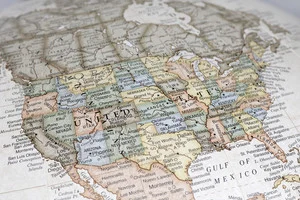
The landscape of American labor law is currently undergoing a period of profound transformation as state and local legislatures increasingly assert their autonomy in the absence of comprehensive federal reform. Throughout the most recent fiscal quarter, a surge of legislative activity has redefined the relationship between employers and employees, focusing on critical areas such as mandatory arbitration, wage transparency, drug testing protocols, and sick leave entitlements. This shift reflects a broader national trend where states serve as "laboratories of democracy," testing new regulatory frameworks that often pre-empt or exceed federal standards set by the Department of Labor (DOL) or the Equal Employment Opportunity Commission (EEOC).
The Rise of State-Level Regulatory Activism
For decades, the Fair Labor Standards Act (FLSA) and the Civil Rights Act provided the primary guardrails for American employment. However, as federal legislative processes have slowed, state capitals from Sacramento to Albany have stepped into the vacuum. The primary drivers of this recent activity include a push for "pay equity," a reimagining of workplace privacy in the era of legalized cannabis, and a heightened focus on mental health and workplace safety.
Multi-state employers now face the daunting task of navigating a "patchwork" of regulations. A policy that is compliant in Virginia may be illegal in California, and a wage disclosure that is optional in Florida may be mandatory in New York. This regulatory fragmentation has forced corporate legal departments to move away from centralized, one-size-fits-all employee handbooks toward jurisdiction-specific addendums.
Chronology of Recent Legislative Implementation
The timeline of these changes generally follows a seasonal pattern, with many bills signed during the late summer and autumn legislative sessions, taking effect on either January 1 or July 1 of the following year.
- Late 2023: Several states, including New York and California, passed expansive pay transparency and workplace safety bills.
- January 1, 2024: A "Super Tuesday" for labor law, where 22 states and dozens of cities implemented automatic minimum wage increases. This date also saw the activation of Illinois’s "Paid Leave for All Workers Act."
- Q1 2024: Legislative sessions in Maryland, Washington, and Connecticut focused on refining drug testing laws and expanding the definitions of "family" for the purposes of paid leave.
- Mid-2024 Forecast: Anticipated enforcement of new workplace violence prevention plans in California and expanded transparency requirements in Maryland and Minnesota.
Regional Breakdown and Key Legislative Highlights
While the original source listed various states, the specific impacts within those jurisdictions provide a clearer picture of the national trend.
California: The Vanguard of Worker Protections
California continues to lead the nation in restrictive employment legislation. Senate Bill (SB) 553 now requires nearly all employers in the state to establish, implement, and maintain an effective written Workplace Violence Prevention Plan. Furthermore, the state has expanded "Reproductive Loss Leave," allowing employees to take up to five days of leave following a miscarriage, failed adoption, or unsuccessful assisted reproduction.
New York: Transparency and Freelance Protections
New York has significantly expanded its "Freelance Isn’t Free" Act, providing independent contractors with legal recourse against non-payment. Additionally, the state has tightened its pay transparency laws, requiring employers to disclose salary ranges for any position that can or will be performed, at least in part, in the state of New York.
Illinois and Minnesota: Expanding Paid Leave
Illinois made headlines with the "Paid Leave for All Workers Act," which mandates that workers earn at least 40 hours of paid leave per year to be used for any reason. Minnesota followed suit with the "Earned Sick and Safe Time" (ESST) law, which requires employers to provide paid leave that can be used for reasons ranging from personal illness to seeking assistance regarding domestic abuse or sexual assault.
Colorado: The POWR Act
Colorado’s "Protecting Opportunities and Workers’ Rights" (POWR) Act has fundamentally altered the state’s anti-discrimination framework. It lowered the threshold for harassment claims, moving away from the federal "severe or pervasive" standard to a more employee-friendly definition that considers any "unwelcome" conduct.
Supporting Data: The Economic Impact of Minimum Wage Hikes
One of the most visible changes across the states listed—including Arizona, New Jersey, and Connecticut—is the steady climb of the minimum wage. According to data from the Economic Policy Institute, approximately 9.9 million workers received a pay raise on January 1, 2024, due to state-level increases.
- Connecticut: Reached a milestone of $15.69 per hour, indexed to the employment cost index.
- Maryland: Accelerated its path to $15.00 per hour for all employers, regardless of size.
- New Jersey: Surpassed the $15.00 threshold for most employees, hitting $15.13.
These increases are not merely nominal; they represent a significant shift in labor costs for the retail, hospitality, and healthcare sectors. Economists note that while these hikes increase consumer spending power, they also contribute to the "wage-price spiral" in localized economies, prompting some businesses to automate entry-level roles.
Wage Transparency: A New Standard for Recruitment
The move toward wage transparency—seen in Hawaii, New York, and Colorado—is designed to close gender and racial pay gaps. By requiring employers to post "good faith" salary ranges, legislatures aim to provide candidates with better bargaining power.
Data from recruitment platforms suggests that job postings including salary ranges receive up to 30% more applicants than those without. However, for employers, the challenge lies in "compression"—the phenomenon where new hires are brought in at higher rates than existing employees, leading to internal morale issues and the need for comprehensive "equity audits."
Drug Testing and the Cannabis Conundrum
States like California and Washington have recently enacted laws that prohibit employers from discriminating against workers for off-duty cannabis use. These laws generally prohibit the use of non-psychoactive cannabis metabolites in drug screenings, as these metabolites can remain in a person’s system for weeks after use and do not indicate current impairment.
This has forced a massive overhaul of drug testing policies, particularly for non-safety-sensitive positions. Employers in states like Illinois and Minnesota are increasingly moving toward "reasonable suspicion" testing rather than "pre-employment" or "random" screenings for cannabis.
Official Responses and Industry Reactions
The reaction to this legislative flurry has been polarized. Labor unions and worker advocacy groups, such as the AFL-CIO and the National Employment Law Project, have lauded these changes as essential protections in an era of high inflation and precarious employment.
Conversely, business advocacy groups, including the U.S. Chamber of Commerce and various state-level Retail Federations, have expressed concern over the "regulatory burden." In statements regarding the new Illinois paid leave laws, business leaders argued that the administrative cost of tracking leave—especially for small businesses—could lead to reduced hiring or the elimination of other discretionary benefits.
Legal experts at major firms (including Squire Patton Boggs, as referenced in the source) emphasize that "compliance is no longer a static goal." Attorneys advise that HR departments must now conduct quarterly audits of their "labor law posters"—the mandatory notices that must be displayed in workplaces. As laws change, these posters must be updated to reflect current minimum wages, safety protocols, and anti-discrimination rights.
Broader Impact and Implications for the Future
The implications of these state-level shifts extend beyond simple compliance. They are fundamentally changing the "social contract" of the American workplace.
- The End of the Non-Compete: Following the lead of California and Minnesota, the Federal Trade Commission (FTC) has moved to ban non-compete agreements nationwide, though state-level bans remain the primary enforcement mechanism for now. This increases labor mobility but creates risks for companies regarding proprietary information.
- AI in the Workplace: States are beginning to regulate the use of Artificial Intelligence in hiring. New York City’s Local Law 144, which requires "bias audits" for automated employment decision tools, is being watched as a potential blueprint for other states like New Jersey and California.
- Mental Health as a Protected Category: There is a growing trend of expanding "sick leave" to explicitly include mental health days, reflecting a post-pandemic shift in how legislatures view worker well-being.
Conclusion: Navigating the New Normal
As the United States heads into the remainder of 2024, the trend of state-led employment regulation shows no signs of abating. For employers, the "wait and see" approach regarding federal law is no longer viable. The activity in states like Tennessee, Virginia, and Nebraska—states traditionally viewed as more employer-friendly—proves that even conservative-leaning legislatures are addressing modern workplace issues like data privacy and remote work tax implications.
To remain compliant, organizations must invest in robust legal monitoring and flexible HR infrastructure. The "Employment Law Worldview" is now one of hyper-localization, where the physical location of a laptop-bearing employee can dictate the legal requirements of an entire multi-national corporation. As always, staying informed and seeking expert guidance remains the only defense against the rising tide of litigation and regulatory fines.