
The convergence of two monumental events—the United States’ 250th Independence Day celebrations and the ongoing FIFA World Cup knockout stages hosted on North American soil—is poised to create a unique landscape for workforce productivity and employee time off this summer. As millions across the U.S. and beyond prepare to commemorate a quarter-millennium of American independence while simultaneously following the world’s most popular sporting event, new data offers insights into how employees are leveraging their paid time off (PTO) to participate in the excitement, with broader implications for businesses and the economy.
The Dual Celebrations: Independence Day and the World Cup
The Fourth of July, a federal holiday, traditionally sees widespread celebrations across the United States, marked by parades, fireworks, family gatherings, and nationalistic fervor. This year holds particular significance as the nation commemorates its Sestercentennial—250 years since the signing of the Declaration of Independence. The milestone is expected to amplify patriotic events and travel, drawing increased participation from citizens eager to be part of this historic moment. Cities nationwide have planned elaborate programs, from large-scale public spectacles to community festivals, contributing to a heightened sense of celebration and a greater propensity for extended holiday breaks.
Adding another layer of complexity and allure, the FIFA World Cup, jointly hosted by the United States, Canada, and Mexico, has entered its critical knockout phase, with matches scheduled directly through the Independence Day holiday period. This marks a rare occasion where a major global sporting event of this magnitude is unfolding domestically during a peak national holiday. The presence of high-stakes matches on home turf creates an undeniable draw for fans, many of whom will be balancing work commitments with the desire to watch games, attend viewing parties, or even travel to host cities. This confluence of events presents a unique challenge for employers, as worker engagement might be split between national festivities and global sporting passion.
The economic impact of the World Cup alone is projected to be substantial. Beyond the direct spending in host cities on tourism, hospitality, and event infrastructure, there’s the less tangible, yet significant, impact on workplace productivity. A recent estimate, for example, suggested that previous World Cups could cost employers billions in lost productivity due to employees watching games during work hours or taking time off. This year, with the added weight of the 250th Independence Day, the potential for widespread PTO usage and altered work schedules is even more pronounced.
Analyzing PTO Trends: The "One-Day Vacation" Phenomenon
New data from HR and payroll platform Deel, released in collaboration with venture firm Andreessen Horowitz, sheds light on contemporary PTO habits. The report, drawing from companies utilizing Deel’s services—primarily start-ups, tech firms, and remote-first organizations—indicates a global trend towards shorter, more frequent periods of leave. While workers across dozens of countries are often entitled to weeks of annual leave, the predominant pattern observed is the logging of single-day vacations.
This phenomenon is particularly striking. Despite ample accrual, many employees opt for isolated days off rather than extended breaks. However, the data also reveals a strategic use of these single days, with a significant number of workers scheduling them on Mondays or Fridays. This allows them to effectively "string together" their PTO with weekends, creating sought-after long weekends without depleting their leave balances too quickly for a longer trip. This trend suggests a pragmatic approach to vacation planning, maximizing leisure time while minimizing the formal use of annual leave, especially during popular periods like the summer months.
The global scope of Deel’s data highlights that this trend is not exclusive to U.S. workers. Employees worldwide are demonstrating similar patterns, suggesting a broader shift in how individuals perceive and utilize their allotted time off. This could be influenced by a variety of factors, including the flexibility offered by remote work environments, the desire to maintain a continuous presence at work, or simply the logistical ease of shorter breaks.
The Economic Undercurrents of Summer Travel
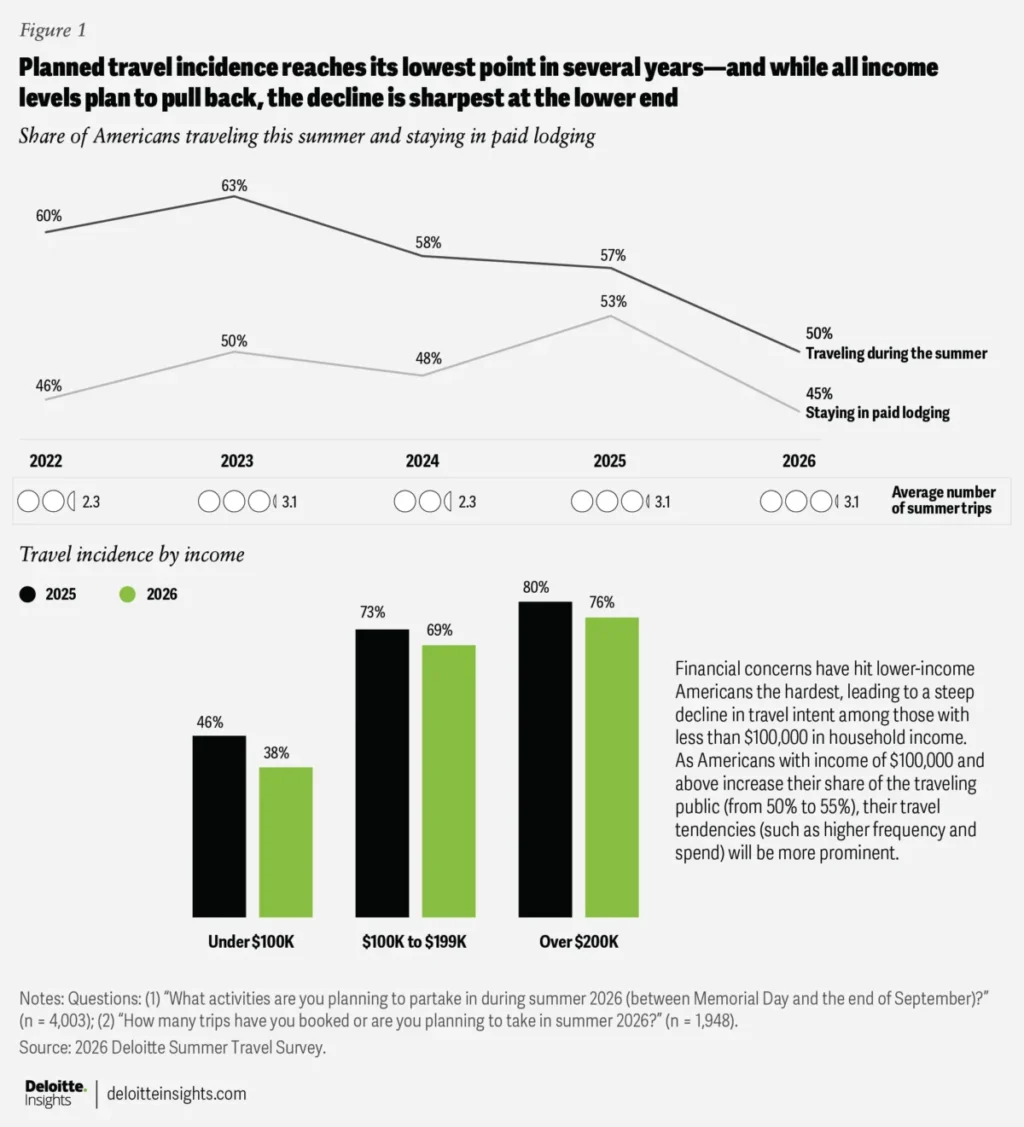
While the allure of a long weekend is strong, the broader economic climate significantly influences actual travel plans. A separate survey conducted by Deloitte among 4,003 Americans reveals a notable shift in summer travel intentions. The percentage of Americans planning a summer vacation involving paid lodging has dropped to 45%, the lowest share recorded in six years. Affordability emerged as the primary deterrent for those choosing to stay home, underscoring the persistent impact of inflation and economic uncertainties on household budgets.
This trend toward reduced large-scale travel aligns perfectly with the "one-day vacation" and "long-weekend" habit observed in the Deel data. When faced with rising costs for flights, accommodation, and general leisure activities, many consumers are evidently prioritizing smaller, more localized breaks over expensive, multi-day trips. This economic reality shapes not only how people take time off but also how they spend their leisure dollars, with potential shifts towards local tourism, day trips, and home-based entertainment.

The Deloitte survey further indicates a growing disparity in travel patterns based on income. Wealthier households, defined as those earning $100,000 or more annually, are poised to constitute a larger share of the traveling public, increasing from 50% in 2025 to 55% this year. Moreover, a significant portion of these higher-income travelers (24%) plan to increase their budgets for marquee trips, compared to 19% last year. This suggests a bifurcation in the travel market: a segment of affluent consumers continues to travel and spend robustly, while a larger segment of the population curtails travel due to financial constraints. This dynamic contributes to a summer where fewer people board planes for distant destinations and more opt for closer-to-home activities, reinforcing the single-day and long-weekend trends.
Global Perspectives on Time Off
The Deel data offers fascinating comparative insights into PTO utilization across different regions. Germany, for instance, consistently registers the highest overall amount of time off logged over a full calendar year, earning it the "out-of-office crown." This could be attributed to strong labor laws, generous vacation allowances, and a cultural emphasis on work-life balance prevalent in many European nations.
However, when examining month-by-month figures, patterns diverge. Swedes and Italians take the lead in July and August, traditionally prime vacation months in Southern Europe, often characterized by extended summer breaks. The British, in contrast, tend to remain closer to their desks through the peak summer, possibly due to cultural norms or shorter average vacation periods. The Dutch exhibit a different seasonality, reserving their most significant leave periods for the Christmas holiday season.
Brazil presents a unique case: despite workers receiving a substantial 30 days of vacation, they are mandated to take it in blocks, capped at three per year. This structural requirement leads to longer, more consolidated breaks compared to the fragmented PTO patterns seen elsewhere. In India, the data reveals a trend of last-minute vacation bookings, which could reflect either spontaneous travel decisions or simply delayed formal notification to HR departments, potentially indicating a different approach to planning and communication within Indian workplaces.
The concept of the "summer Friday," a half-day or early dismissal on Fridays during summer months, appears more prevalent abroad than in the U.S., at least in official records. The researchers from Deel speculate that Americans may be engaging in "off-the-books" summer Fridays, meaning informal arrangements or simply an earlier departure without formally logging it as PTO. This highlights a potential discrepancy between official HR data and actual workplace practices, particularly in more traditional work environments where flexibility might be less formally codified.
Implications for Employers and the Workforce
The confluence of these trends—historic holidays, major sporting events, economic pressures, and evolving PTO habits—presents several key implications for employers and the broader workforce.
For employers, managing productivity during periods of high employee distraction or absence becomes critical. HR departments face the challenge of balancing employee well-being and engagement with operational demands. Flexible work policies, such as allowing employees to watch critical World Cup matches during work hours with a commitment to making up time, or offering hybrid work models, can be crucial for maintaining morale and minimizing unofficial absenteeism. The estimated $17 billion in lost productivity due to the World Cup alone underscores the financial stakes involved. Proactive communication about PTO policies, encouraging planned time off, and managing expectations around workload are essential.
From the employee perspective, the ability to take time off, even in shorter increments, is vital for preventing burnout and maintaining mental health. The rise of single-day vacations and long weekends suggests a desire for frequent, albeit brief, respites from work. However, the economic barriers to longer trips highlight an underlying stress factor for many workers. Employers who can offer flexible arrangements, support mental health initiatives, and foster a culture that genuinely encourages work-life balance may see higher retention and engagement. The "Great Resignation" and ongoing discussions about work-life integration have amplified the importance of robust PTO policies and a supportive workplace culture.
Broader Economic Impact and Future Outlook
The trends observed in PTO usage and summer travel have ripple effects across the economy. Sectors such as local hospitality, domestic tourism, and retail catering to home-based activities (e.g., home entertainment, BBQ supplies) may see a boost. Conversely, international travel, cruise lines, and distant resort destinations might experience a softer season, particularly among middle-income consumers. This shift towards local spending could strengthen regional economies while global tourism experiences a more uneven recovery.
Looking ahead, the data from Deel and Deloitte hints at evolving norms around work and leisure. The increasing prevalence of remote and hybrid work models, particularly within the tech and startup sectors, provides greater flexibility in how and when employees take time off. This flexibility could further cement the trend of shorter, more frequent breaks, allowing individuals to better integrate personal interests and family time into their work lives without the perceived burden of lengthy absences. As the U.S. celebrates its 250th Independence Day and the world watches the World Cup, these simultaneous events are not just moments of celebration and sport; they are also powerful catalysts revealing deeper shifts in how we work, live, and play in a rapidly changing global economy.








