
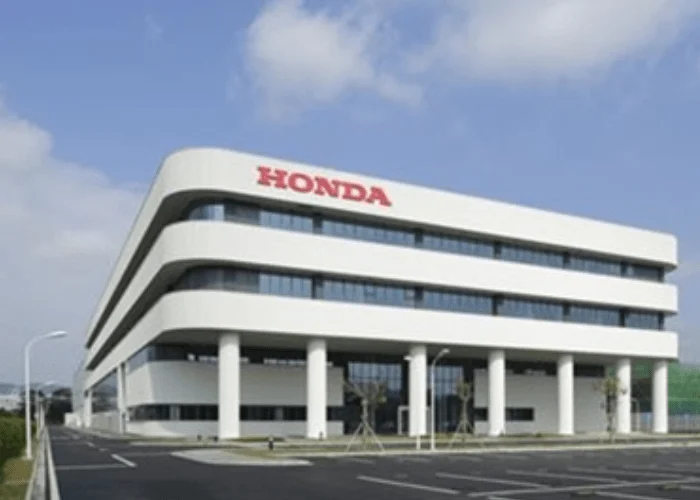
Honda Motorcycle & Scooter India (HMSI), a prominent player in the Indian two-wheeler market, has announced a significant investment of nearly Rs 2,420 crore to substantially expand its manufacturing capabilities across two of its key facilities. This strategic capital injection is designed to introduce new production lines, aiming to escalate the company’s annual production capacity to approximately 8 million units by the fiscal year 2028. The expansion is not merely a quantitative increase in output but also a strategic move to bolster HMSI’s presence in what is recognized as the world’s largest two-wheeler market, simultaneously fostering considerable employment generation with an estimated 3,800 new jobs expected to be created across its operations by 2028.
This multi-pronged expansion plan underscores Honda’s deep-rooted commitment to the Indian market and its confidence in the sustained growth trajectory of the country’s two-wheeler segment. The initiative is divided into two primary projects: a substantial enhancement at its Tapukara plant in Rajasthan and a significant capacity addition at its Vithalapur facility in Gujarat. Each project is tailored to address specific market segments and regional demands, aligning with HMSI’s broader objective of responding more swiftly and effectively to evolving customer preferences.
Strategic Expansion at Tapukara, Rajasthan
The first and most substantial component of this investment is earmarked for the Tapukara plant in Rajasthan, where HMSI plans to establish a third production line. This project alone commands an investment of approximately Rs 1,500 crore. To facilitate this expansion, the company is in the process of acquiring an additional 73,700 square meters of land, indicating the scale and long-term vision behind this strategic move.
The new production line at Tapukara is designed for remarkable flexibility, enabling the manufacturing of both 125cc and 160cc scooters and light motorcycles. This dual-segment focus is particularly insightful, as the 125cc segment has witnessed robust growth in recent years, driven by a blend of fuel efficiency, adequate power, and competitive pricing, making it a popular choice for urban commuters. The 160cc segment, on the other hand, caters to a demographic seeking more power, performance, and a premium riding experience, often appealing to younger riders and those transitioning from smaller displacement bikes. By catering to both, HMSI aims to capture a broader spectrum of the burgeoning Indian market.
Upon its scheduled commencement in 2028, this new line is projected to add an annual capacity of 6.7 lakh (670,000) units. This will elevate Tapukara’s total annual production capacity to an impressive 2.01 million units, solidifying its position as a critical manufacturing hub for HMSI. The expansion at Tapukara is also expected to be a significant economic catalyst for the region, directly creating over 2,000 new employment opportunities. These jobs will span various functions, from skilled manufacturing and assembly line operations to quality control, logistics, and administrative roles, providing a substantial boost to local employment and skill development. The strategic location of Tapukara, in close proximity to the National Capital Region (NCR), also offers logistical advantages for distribution and access to a vast consumer base.
Capacity Augmentation at Vithalapur, Gujarat
The second significant expansion project is centered at HMSI’s Vithalapur plant in Gujarat, which will see an investment of Rs 920 crore. This facility is set to receive its fourth production line, specifically designed to manufacture 125cc motorcycles. This focused approach on the 125cc motorcycle segment highlights its enduring popularity and critical role in the Indian two-wheeler market, particularly among daily commuters and first-time buyers who prioritize reliability, fuel economy, and affordability.
This new line is expected to add an annual capacity of 6.5 lakh (650,000) units and is slated to become operational by 2027, making it the first of the two expansions to come online. With this addition, the Vithalapur plant’s total annual production capacity will surge to 2.61 million units, further strengthening HMSI’s manufacturing footprint in western India. The Vithalapur expansion is projected to generate approximately 1,800 new jobs, contributing significantly to industrial employment in Gujarat, a state that has aggressively promoted itself as a manufacturing powerhouse. The availability of a skilled workforce and excellent port connectivity in Gujarat are additional advantages for HMSI’s operations.
Overall Capacity and Market Implications
Cumulatively, these two expansions are poised to dramatically increase HMSI’s total annual production capacity in India from the current 6.25 million units to approximately 8 million units by the fiscal year 2028. This nearly 28% increase in capacity signals HMSI’s aggressive strategy to not only meet but also anticipate the burgeoning demand for two-wheelers in India. The ambitious target of 8 million units per annum positions HMSI strongly in the competitive Indian market, where it vies for leadership with established domestic players like Hero MotoCorp, TVS Motor Company, and Bajaj Auto.
The ability to produce a higher volume of vehicles will enable HMSI to reduce lead times, ensure better availability of its popular models, and potentially cater to export markets more effectively, leveraging India’s cost-effective manufacturing capabilities. This expansion is a clear statement of intent from Honda, affirming its long-term vision for India as a pivotal global manufacturing and sales hub.
Leadership Perspective and Strategic Rationale
Tsutsumu Otani, President & CEO, HMSI, has reportedly articulated the strategic importance of these investments, emphasizing Honda’s enduring commitment to India, which he rightly termed the "world’s largest motorcycle market." His statements highlight that these expansions are not merely about increasing numbers but are integral to strengthening the entire production ecosystem. This includes fostering a robust supply chain, enhancing operational efficiencies, and crucially, improving the company’s agility to respond more rapidly to dynamic customer demands and market shifts.
The strategic rationale extends beyond immediate market capture. It aligns with broader economic initiatives such as the Indian government’s "Make in India" campaign, which aims to transform India into a global manufacturing hub. By investing substantially in local production, HMSI contributes to this national vision, creating jobs, fostering local vendor development, and boosting domestic value addition. This commitment also helps Honda diversify its global manufacturing base and insulate itself against potential geopolitical or supply chain disruptions affecting other regions.
Historical Context and Journey in India
Honda’s journey in India began in 2001, marking its independent foray into the Indian two-wheeler market after a successful joint venture. Since its inception, HMSI has grown exponentially, establishing itself as a dominant force, particularly in the scooter segment with its iconic Activa brand, which has consistently been one of the highest-selling two-wheelers in the country.
Over the past two decades, HMSI has achieved remarkable milestones, including crossing 70 million units in cumulative production, a testament to its operational prowess and strong market acceptance. The company currently operates four state-of-the-art manufacturing plants across India: Manesar (Haryana), Tapukara (Rajasthan), Narsapura (Karnataka), and Vithalapur (Gujarat). These facilities have been instrumental in HMSI’s growth, enabling it to cater to diverse regional markets and product segments efficiently. The current expansions build upon this robust existing infrastructure, integrating new technologies and enhanced production processes to meet future demands. The consistent growth reflects HMSI’s ability to innovate, adapt to consumer preferences, and maintain a strong distribution and service network across the country.
The Dynamic Indian Two-Wheeler Market Landscape
India’s two-wheeler market is unparalleled globally in terms of volume, driven by a unique confluence of factors. It serves as the primary mode of personal transportation for millions, offering affordability, fuel efficiency, and maneuverability in congested urban and rural environments. Key growth drivers include:
- Demographic Dividend: A large young population, entering the workforce and seeking personal mobility solutions.
- Rising Disposable Incomes: Increasing affluence, particularly in semi-urban and rural areas, leading to higher purchasing power.
- Urbanization: Rapid expansion of cities and towns, necessitating efficient commuting options.
- Last-Mile Connectivity: Two-wheelers provide indispensable last-mile connectivity where public transport infrastructure may be limited.
- Financial Accessibility: Easy financing options and competitive pricing make two-wheelers accessible to a broad demographic.
The market is broadly segmented into motorcycles and scooters, with HMSI holding a strong position in both. The 125cc and 160cc segments, which are the focus of these expansions, are particularly competitive and high-growth categories. The 125cc segment balances power with fuel economy, while the 160cc segment appeals to those seeking a sportier, more premium experience without the high costs associated with larger displacement bikes. While the market is experiencing a nascent shift towards electric two-wheelers, the internal combustion engine (ICE) segment is expected to dominate for the foreseeable future, especially in rural and semi-urban areas where charging infrastructure for EVs is still developing.
Economic and Social Implications
The substantial investment by HMSI carries profound economic and social implications for India.
- Job Creation Multiplier Effect: The direct creation of 3,800 jobs is just the tip of the iceberg. Each direct job in manufacturing typically supports several indirect jobs in ancillary industries, logistics, dealerships, maintenance, and service sectors. This multiplier effect will stimulate local economies in Rajasthan and Gujarat, increasing household incomes and consumption.
- Local Economy Boost: The increased industrial activity will spur growth in local businesses, real estate, and service providers around the Tapukara and Vithalapur plants. This localized economic development contributes to regional prosperity and infrastructure improvement.
- Supply Chain Development: Expanding production capacity necessitates a robust supply chain for components, raw materials, and logistics. This creates significant opportunities for domestic component manufacturers, fostering local entrepreneurship, technology transfer, and potentially leading to a more localized and resilient supply chain. This aligns perfectly with the "Atmanirbhar Bharat" (Self-Reliant India) initiative.
- Skill Development and Training: The new production lines will require a skilled workforce. This will likely lead to increased demand for vocational training programs, collaborations with technical institutes, and in-house training initiatives, enhancing the skill base of the local population and improving employability.
- ‘Make in India’ and Export Potential: By substantially increasing its manufacturing base in India, HMSI reinforces India’s position as a global manufacturing hub for two-wheelers. This enhanced capacity could also pave the way for increased exports to neighboring countries in SAARC, as well as to markets in Africa and Latin America, further contributing to India’s foreign exchange earnings and global trade footprint.
Competitive Landscape and Future Outlook
This strategic expansion positions HMSI more aggressively in the intensely competitive Indian two-wheeler market. With increased capacity, HMSI will be better equipped to launch new models, introduce timely updates, and respond to competitive pricing pressures. While the current investment focuses on ICE vehicles, it provides a strong foundation for future diversification, potentially including hybrid or electric vehicle manufacturing as the market evolves.
The long-term outlook for the Indian two-wheeler market remains robust, despite temporary fluctuations. Factors such as increasing aspirations for personal mobility, improving road infrastructure, and the continuous innovation in vehicle technology (including safety features and connectivity) will continue to drive demand. HMSI’s investment signifies a clear intent to capitalize on this growth, strengthen its market leadership, and continue its journey as a pivotal contributor to India’s automotive sector. This move is not merely an expansion of production lines but a strategic reaffirmation of Honda’s enduring belief in the dynamism and potential of the Indian market.








