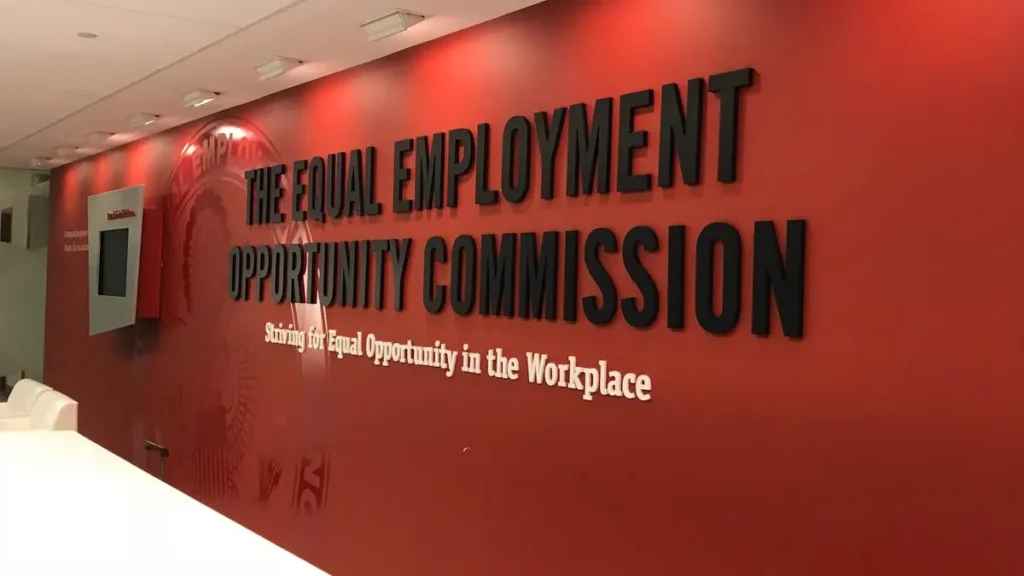
The U.S. Equal Employment Opportunity Commission (EEOC) has once again drawn attention to the persistent issue of staffing agencies allegedly facilitating discrimination at the behest of their clients, underscoring a critical enforcement priority for the federal agency. In the latest development, WorkSmart, a staffing firm, recently settled a discrimination claim with the EEOC on July 6, 2026. This action follows a lawsuit filed in 2025, alleging that WorkSmart engaged in sex-based discrimination, specifically by complying with client demands that violated federal anti-discrimination laws. This settlement serves as a stark reminder to the temporary staffing industry that it is not exempt from the mandates of Title VII of the Civil Rights Act of 1964 and bears independent responsibility for ensuring fair employment practices.
The WorkSmart Settlement: A Case Study in Compliance Challenges
The lawsuit against WorkSmart was initially filed in 2025 in the U.S. District Court for the Northern District of Alabama. According to the EEOC, formal charges were only initiated after the agency first attempted to resolve the matter through its pre-litigation administrative conciliation process, a standard procedure designed to encourage voluntary compliance and settlement before resorting to litigation. While the specific details of the alleged discriminatory requests from WorkSmart’s client were not fully elaborated in the public statements, the core allegation revolved around sex-based discrimination, meaning the client sought to exclude candidates based on their gender, and WorkSmart allegedly acceded to these unlawful preferences.
Marsha Rucker, the regional attorney for the EEOC’s Birmingham District, emphasized the agency’s unwavering stance in a statement: “Staffing agencies should not comply with discriminatory requests from their clients. Federal law clearly prohibits sex-based discrimination in the workplace, and staffing agencies are not exempt from compliance with Title VII.” This statement directly addresses the often-complex relationship between staffing firms and their client companies, where the pressure to satisfy client demands can sometimes lead agencies to compromise their legal obligations.
In response to the settlement, WorkSmart issued a statement acknowledging its commitment to fair practices. “As a woman-owned company with a long-standing commitment to fairness and opportunity, we will continue to ensure that we abide by lawful, inclusive hiring practices,” WorkSmart stated. “WorkSmart upholds the highest standards of integrity across our operations.” While the statement affirms a commitment to compliance, the settlement itself underscores the challenges even well-intentioned firms can face in navigating the intricacies of anti-discrimination law while managing client relationships. The details of the settlement, including any monetary penalties or injunctive relief such as mandatory training or policy changes, were not immediately disclosed but are typically part of such agreements to prevent future violations.
The Legal Bedrock: Title VII of the Civil Rights Act and Staffing Agencies
The legal foundation for the EEOC’s actions against WorkSmart and other staffing agencies is Title VII of the Civil Rights Act of 1964. This landmark federal law prohibits employment discrimination based on race, color, religion, sex (including pregnancy, sexual orientation, and gender identity), and national origin. It applies to employers with 15 or more employees, including private and public sectors, labor organizations, and employment agencies.
The crucial aspect for staffing agencies lies in their dual role. They often act as both an employer of the temporary staff they place and as an employment agency facilitating placements. This dual status means they can be held liable under Title VII in several ways. Firstly, as an employer, they cannot discriminate in their own hiring, referral, or employment practices. Secondly, as an employment agency, they are prohibited from referring or classifying individuals in a way that would deprive them of employment opportunities because of a protected characteristic, or from complying with a client’s discriminatory request.

The EEOC’s position, consistently articulated through its enforcement actions, is that staffing agencies cannot use a client’s discriminatory preference as an excuse for their own unlawful conduct. Even if a client explicitly asks for "male candidates only" or "no older workers," the staffing agency has a legal obligation to refuse such requests and to educate the client about their responsibilities under anti-discrimination laws. Failure to do so can result in the staffing agency being held solely liable or jointly liable with the client for discriminatory practices. This "joint employer" liability model is particularly relevant in the temporary staffing industry, where both the staffing agency and the client company may exert control over the employment of the temporary worker. Courts often consider factors such as the ability to hire or fire, supervision, setting work schedules, and payment of wages when determining if a joint employment relationship exists.
EEOC’s Persistent Vigilance: A Chronology of Enforcement
The WorkSmart settlement is not an isolated incident but rather part of a broader, consistent enforcement strategy by the EEOC against discriminatory practices within the staffing industry. The agency has repeatedly highlighted its focus on ensuring that temporary staffing firms understand and comply with their obligations under federal anti-discrimination laws. This focus stems from the understanding that staffing agencies play a significant gatekeeping role in the labor market, and their compliance is critical to ensuring equitable access to employment opportunities.
Linda Sales-Long, acting EEOC Birmingham District Director, reiterated this point in Monday’s statement concerning the WorkSmart case: “Employers should remember that Title VII prohibits refusing to hire or assign a worker because of their sex. A staffing agency can also violate Title VII if it complies with a client’s request that is based on unlawful discrimination.” This highlights the agency’s clear message: the responsibility to prevent discrimination extends to every link in the hiring chain.
The EEOC’s interest in enforcement against staffing agencies that allegedly discriminate based on client requests is well-documented through a series of high-profile lawsuits and settlements. These cases serve not only to rectify past wrongs but also to send a clear message to the entire industry about the consequences of non-compliance.
In 2024, BaronHR, a staffing firm based in Anaheim, California, settled an EEOC discrimination complaint for a substantial $2.2 million. The lawsuit alleged that BaronHR systematically screened candidates based on race and gender, and also discriminated against individuals with disabilities. This case was particularly impactful because, following the significant settlement, BaronHR ultimately wound down its business operations and filed for bankruptcy, demonstrating the severe financial and operational repercussions of failing to adhere to anti-discrimination laws. The allegations against BaronHR painted a picture of widespread and institutionalized discrimination, where client preferences dictated candidate selection in clear violation of federal statutes.
Prior to the BaronHR case, in 2022, the EEOC settled a complaint against Buffalo, New York-based Staffing Solutions for $550,000. This lawsuit presented a range of discriminatory practices. It alleged that Staffing Solutions either refused to hire highly qualified Black applicants or placed them in the lowest-paying, least desirable jobs. Furthermore, the agency was accused of rejecting pregnant applicants and, critically, agreeing to clients’ preferences regarding race and gender. This case underscored the multifaceted nature of discrimination that can occur when staffing agencies prioritize client demands over legal obligations, encompassing multiple protected characteristics.
These cases, spanning from 2022 to 2026, establish a clear pattern: the EEOC is actively monitoring and pursuing cases against staffing agencies that fail to uphold their legal responsibilities. The substantial monetary penalties and, in some instances, the demise of the businesses involved, serve as potent deterrents and emphasize the critical importance of robust compliance programs.
Industry Implications and Challenges for Staffing Agencies

The consistent enforcement actions by the EEOC pose significant challenges and implications for the vast and dynamic staffing industry. Staffing agencies operate in a competitive environment, constantly striving to meet the diverse and often urgent needs of their client companies. This pressure can, at times, create a tension between client satisfaction and legal compliance.
One of the primary challenges is managing client expectations. Staffing agencies often build long-term relationships with clients, and the temptation to accommodate seemingly innocuous or "special" requests can be strong. However, as the EEOC cases demonstrate, any request that touches upon a protected characteristic must be scrutinized carefully. Agencies must develop strategies to push back against discriminatory requests, educate their clients on anti-discrimination laws, and, if necessary, decline to service clients who insist on unlawful practices. This requires a strong legal and ethical backbone within the agency.
The financial ramifications of non-compliance are severe. Settlements ranging from hundreds of thousands to millions of dollars can cripple a business, as seen with BaronHR. Beyond the direct financial penalties, there are significant indirect costs, including legal fees, reputational damage, loss of client trust, and decreased ability to attract talent. A tarnished reputation for discrimination can make it difficult for an agency to attract both qualified job seekers and reputable client companies.
To mitigate these risks, staffing agencies must invest in comprehensive compliance programs. This includes:
- Robust Training: Regular and mandatory training for all recruiters, account managers, and leadership on Title VII, other anti-discrimination laws (like the ADA and ADEA), and how to identify and respond to discriminatory client requests.
- Clear Policies and Procedures: Establishing clear, written policies that explicitly prohibit discrimination and outline the steps to take when a client makes an unlawful request.
- Internal Reporting Mechanisms: Creating a safe and accessible channel for employees to report concerns about discriminatory practices without fear of retaliation.
- Client Education: Proactively educating client companies about their legal obligations and the agency’s commitment to non-discriminatory hiring practices. This can involve providing resources, workshops, or incorporating specific anti-discrimination clauses into service agreements.
- Auditing and Monitoring: Regularly auditing internal processes and placements to identify and rectify potential discriminatory patterns.
According to data from the American Staffing Association (ASA), the U.S. staffing industry places approximately 3 million temporary and contract employees each business day. This enormous volume of placements underscores the critical responsibility these agencies hold in ensuring fair access to employment. Industry bodies like the ASA often provide resources and guidance to their members on compliance with federal employment laws, recognizing that adherence to these laws is paramount for the integrity and sustainability of the industry.
Implications for Client Companies
While the EEOC’s recent actions have focused on staffing agencies, it is crucial to understand that client companies are not absolved of responsibility. In many instances, the client company that makes the discriminatory request can also be held liable as a joint employer. This means they face the same legal risks, financial penalties, and reputational damage as the staffing agency.
Client companies must exercise due diligence when engaging staffing partners. They should:
- Vet Staffing Agencies: Ensure their staffing partners have robust anti-discrimination policies and a proven track record of compliance.
- Educate Their Own Staff: Train internal hiring managers and human resources personnel on anti-discrimination laws and the proper way to communicate job requirements to staffing agencies.
- Avoid Discriminatory Requests: Explicitly prohibit their employees from making any requests to staffing agencies that are based on protected characteristics.
- Review Contracts: Ensure that contracts with staffing agencies include clauses that mandate compliance with all federal and state anti-discrimination laws.
The legal landscape surrounding joint employment liability has become increasingly complex, making it imperative for client companies to understand their potential exposure when utilizing temporary staffing services. Ignoring the legal obligations of their staffing partners or making discriminatory requests can lead to significant legal and financial consequences.

Safeguarding Job Seekers’ Rights
Ultimately, the EEOC’s enforcement efforts are aimed at protecting the rights of job seekers to fair and equitable employment opportunities. Discrimination in hiring, whether direct or indirect, can have devastating effects on individuals, limiting their career prospects, financial stability, and sense of dignity.
Job seekers who believe they have been discriminated against by a staffing agency or a client company have recourse through the EEOC. They can file a charge of discrimination, which initiates an investigation by the agency. If the EEOC finds reasonable cause to believe discrimination occurred, it will attempt to conciliate the charge. If conciliation fails, the EEOC may file a lawsuit on behalf of the individual, or the individual may receive a "Notice of Right to Sue" and pursue their own lawsuit.
The consistent enforcement actions send a clear message to job seekers that their rights are protected and that federal agencies are actively working to combat discriminatory practices in the labor market. It empowers individuals to speak up against injustice and provides a pathway for redress.
Conclusion: A Continuing Commitment to Fair Hiring
The settlement involving WorkSmart serves as another pivotal moment in the EEOC’s ongoing campaign to eradicate employment discrimination, particularly within the temporary staffing sector. It reinforces the principle that staffing agencies, despite their intermediary role, bear significant independent responsibility to uphold federal anti-discrimination laws. The cumulative impact of cases like WorkSmart, BaronHR, and Staffing Solutions paints a clear picture: the EEOC is resolute in its commitment to preventing discriminatory hiring practices, even when such practices originate from a client’s unlawful demands.
The message to the industry is unambiguous: compliance is not optional. Staffing agencies must prioritize legal and ethical conduct over client preferences that violate federal law. This requires proactive measures, including robust training, transparent policies, and a willingness to challenge discriminatory requests. For client companies, the implication is equally clear: due diligence in selecting staffing partners and adherence to anti-discrimination principles in their own hiring processes are essential to avoid joint liability.
As the labor market continues to evolve and the reliance on temporary and contract staffing remains high, the vigilance of agencies like the EEOC will be crucial. These enforcement actions are not merely punitive; they are educational, serving to clarify legal obligations and foster a culture of fairness and equal opportunity across all sectors of employment. The ultimate goal is to ensure that every individual, regardless of their protected characteristics, has an equitable chance to secure employment based solely on their qualifications and merit.