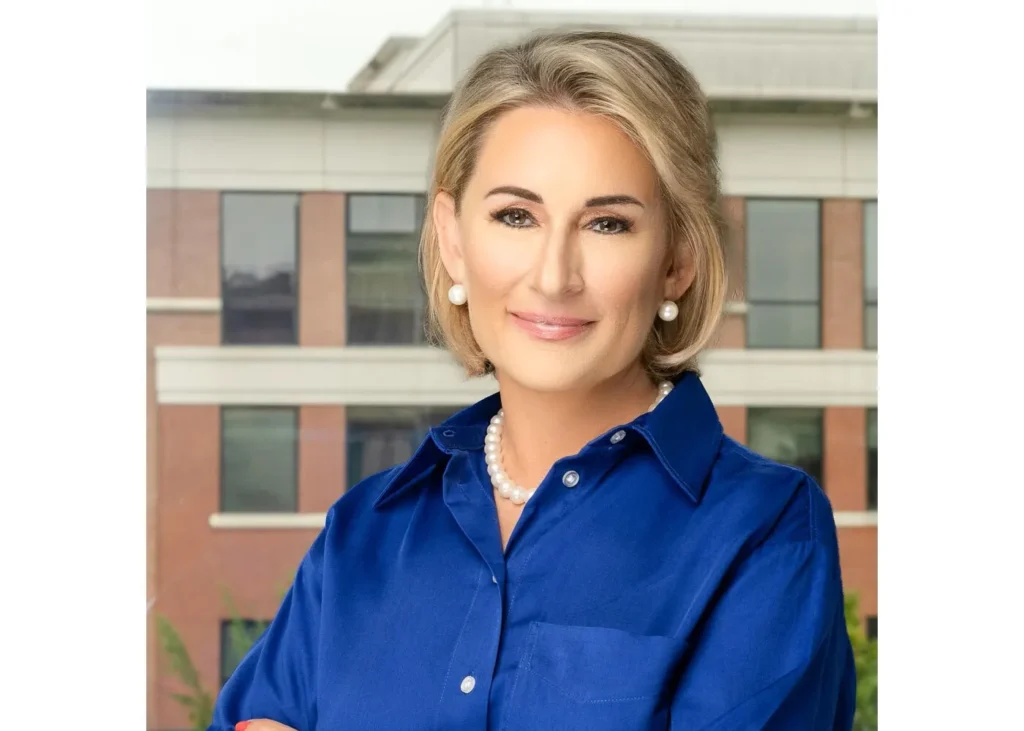
The SHRM Foundation, the philanthropic arm of the Society for Human Resource Management (SHRM), the world’s largest HR association, is intensifying its call for HR practitioners to build robust business cases for initiatives that expand access to job opportunities, particularly for the millions of caregivers in the workforce. This strategic imperative was highlighted by President Wendi Safstrom in a recent interview, underscoring the foundation’s commitment to fostering inclusive workplaces that acknowledge and support the evolving needs of employees.
A Milestone Celebration and a Timely Conversation
The foundation’s renewed emphasis on caregiver support coincided with its 60th anniversary celebration at the SHRM26 conference in Orlando, Florida, held last month. The significant milestone was marked by various engaging programs, including an interactive pop-up booth where attendees were invited to share their insights and experiences on how to empower caregivers to thrive professionally. Safstrom reiterated the critical importance of this dialogue post-conference, citing compelling statistics from the U.S. Bureau of Labor Statistics (BLS) indicating that over 30% of U.S. adults aged 18 and older dedicate time daily to caring for a household or non-household member. This figure represents a vast segment of the population whose professional lives are intricately linked with their caregiving responsibilities, often creating unique challenges that necessitate proactive organizational responses.
The scope of caregiving extends far beyond traditional definitions, encompassing parents of young children, adults caring for aging parents, individuals supporting spouses with chronic illnesses or disabilities, and those assisting family members with special needs. This demographic reality means that a significant portion of the global workforce is juggling professional demands with personal caregiving duties, often leading to stress, burnout, and career disruptions if not adequately supported by their employers. The SHRM Foundation’s advocacy is rooted in the understanding that addressing these needs is not merely a matter of corporate social responsibility but a strategic business imperative.
Beyond Policy: Cultivating a Culture of Care
While workplace policies and benefits are crucial components of caregiver support, Safstrom emphasized that their efficacy is fundamentally tied to the organizational culture. "You can have all the policies and benefits in the world," Safstrom stated, "but if you don’t have commitment from the top in terms of the empathy and understanding that people need to fulfill those responsibilities […] then all the policies in the world don’t matter." This highlights the necessity of establishing a deep-seated "culture of care" – an environment where employees feel psychologically safe to identify as caregivers, openly discuss their challenges, and utilize available resources without fear of professional repercussions.
A genuine culture of care requires visible leadership buy-in, demonstrating that senior management not only endorses caregiver support programs but also understands and respects the inherent value of employees who balance work with caregiving. It involves training managers to be empathetic and flexible, fostering open communication channels, and promoting a workplace where vulnerability is accepted, not penalized. Without this cultural bedrock, even the most generous policies risk remaining underutilized, failing to achieve their intended impact on employee well-being and organizational productivity.
The Economic Imperative: Data-Driven Advocacy
SHRM has consistently made a compelling case for caregiver-focused strategies, notably through its comprehensive 2025 report, which drew insights from a survey of 1,470 HR professionals. This seminal research revealed a clear correlation: businesses adopting a proactive approach to caregiver support demonstrated superior performance across key metrics such as employee engagement, recruitment success, and retention rates, when compared to organizations with a reactive stance. The data unequivocally illustrates that investing in caregiver support translates into tangible business advantages, enhancing a company’s ability to attract and retain top talent in a competitive labor market.
However, the same report also exposed significant gaps in current practices. A concerning finding was that only 36% of survey respondents reported their organizations equipped people managers with adequate resources or training on how to effectively manage caregivers. This lack of preparedness at the managerial level can undermine even well-intentioned policies, as frontline leaders are often the primary point of contact for employees navigating work-life challenges. Furthermore, the survey highlighted the pervasive fear among caregivers, with over 40% expressing concern that utilizing employer-provided benefits for caregiving would jeopardize their promotion opportunities, impose undue burdens on their teams, or lead to a reduction in responsibilities. These anxieties underscore the urgent need for not only robust policies but also for creating an inclusive culture where employees feel empowered, not penalized, for leveraging essential support systems.
Unlocking Potential: Addressing Career Gaps and Storytelling
Safstrom articulated the critical need for employers to be forthright in their understanding of caregivers’ diverse needs and to create opportunities for individuals to share their personal narratives. This is particularly salient in recruitment, where caregivers with career gaps often face disproportionate challenges. HR teams can play a pivotal role by providing a structured space for working caregivers to explain their reasons for taking time off, detail the skills and experiences gained during that period, articulate lessons learned, and effectively map these experiences to job requirements.
"The ability to share your story, the things you did and how you applied the lessons learned, if not through work experience but through lived experience, is pretty compelling," Safstrom remarked. This approach recognizes the invaluable transferable skills developed through caregiving – such as time management, problem-solving, empathy, resilience, and crisis management – which are highly pertinent in any professional setting. By adopting a holistic view of a candidate’s journey, employers can tap into a rich talent pool that might otherwise be overlooked due to conventional hiring biases against non-linear career paths. Innovative recruitment practices, such as "returnship" programs, are emerging as effective ways to reintegrate caregivers into the workforce, providing structured support and a clear pathway back to professional life.

Targeted Support: The Military Spouse Caregiver Initiative
The SHRM Foundation has demonstrated a particular focus on supporting military spouse caregivers, a demographic that faces unique and often profound challenges. Safstrom highlighted the organization’s 2025 announcement of a strategic partnership with the Elizabeth Dole Foundation, a leading advocate for military and veteran caregivers. Military spouses frequently encounter caregiving-related career interruptions due to frequent geographical relocations and transfers, which are inherent to military life. These disruptions can lead to significant career gaps, difficulty in maintaining professional licenses across state lines, and challenges in establishing long-term career trajectories.
Despite these hurdles, military spouses bring an exceptional array of skills to the workplace, including adaptability, resilience, strong organizational abilities, cross-cultural competence, and a profound sense of commitment. The partnership between the SHRM Foundation and the Elizabeth Dole Foundation aims to bridge the gap between this skilled talent pool and employers, creating pathways for meaningful employment and ensuring that the sacrifices and experiences of military spouse caregivers are recognized and valued in the civilian workforce. This initiative exemplifies the foundation’s commitment to addressing specific, often overlooked, segments of the caregiving population with tailored support systems.
A Broader Vision: Evolution of the SHRM Foundation
The partnership with the Elizabeth Dole Foundation is but one facet of the SHRM Foundation’s extensive philanthropic portfolio. Beyond its advocacy for caregivers, the organization actively funds academic research, offering scholarships to aspiring HR professionals, facilitating mentorship programs, and spearheading various workforce development initiatives. These diverse programs collectively contribute to the advancement of the HR profession and the creation of more equitable and productive workplaces.
Safstrom reflected on the profound evolution of the organization, noting, "We’re not the SHRM Foundation of 60 years ago — we’re older and better." This sentiment encapsulates the foundation’s dynamic growth, its expanded scope of influence, and its continuous adaptation to the ever-changing landscape of work and societal needs. From its early beginnings, primarily focused on academic scholarships, the foundation has broadened its mandate to address complex, contemporary challenges facing the global workforce, positioning itself as a pivotal force for positive change within the HR community and beyond.
The Strategic Imperative for a Modern Workforce
The SHRM Foundation’s proactive stance on caregiver support aligns with a global trend towards more human-centric workplaces. As demographics continue to shift, with aging populations and evolving family structures, the need for robust caregiver support will only intensify. Employers who proactively embrace these strategies are not just demonstrating social responsibility; they are making a shrewd investment in their future workforce.
Economic Impact and ROI:
The economic benefits of supporting caregivers are substantial. Studies have shown that inadequate caregiver support costs U.S. businesses billions annually in lost productivity, absenteeism, and turnover. For instance, a report by AARP estimated that businesses lose $25.2 billion annually due to lost productivity among working caregivers. Conversely, companies that implement comprehensive caregiver support programs often see a significant return on investment through reduced turnover rates, increased employee loyalty, enhanced productivity, and improved talent acquisition. By offering flexible work arrangements, paid family leave, and access to care resources, organizations can mitigate the financial strain on employees and prevent skilled workers from leaving the workforce entirely. This translates directly into cost savings and a more stable, experienced talent pool.
Diversity, Equity, and Inclusion (DEI) Lens:
Caregiver support is intrinsically linked to broader DEI initiatives. Women, in particular, disproportionately bear the brunt of caregiving responsibilities, often leading to significant career interruptions or downshifts. By providing equitable support, organizations can help mitigate gender disparities in the workplace, promote greater equity, and ensure that diverse talent is retained and advanced. Moreover, caregiving responsibilities are not uniformly distributed across socioeconomic groups or racial and ethnic backgrounds, making caregiver support a critical component of social equity. An inclusive approach acknowledges and addresses these disparities, fostering a workplace where everyone has the opportunity to thrive, regardless of their personal circumstances.
Talent Attraction and Employer Branding:
In a fiercely competitive talent market, an organization’s commitment to employee well-being, particularly for caregivers, has become a powerful differentiator. Companies renowned for their progressive policies and supportive cultures are more attractive to job seekers, especially younger generations who prioritize work-life balance and purpose-driven employment. A strong employer brand built on empathy and support not only helps in attracting new talent but also in retaining existing high-performers who might otherwise be forced to choose between career and caregiving. This positions companies as employers of choice, creating a sustainable competitive advantage.
Future-Proofing the Workplace:
The future of work is inherently flexible and empathetic. The COVID-19 pandemic starkly illuminated the intersection of work and personal life, particularly the immense pressures faced by caregivers. This experience has fundamentally shifted expectations, making robust support systems a non-negotiable aspect of modern employment. Organizations that adapt and integrate comprehensive caregiver support into their core HR strategies are better positioned to navigate future disruptions, retain critical institutional knowledge, and foster a resilient, engaged workforce capable of adapting to change. This forward-thinking approach ensures business continuity and sustained innovation.
The Role of HR Professionals:
HR professionals are at the forefront of this transformation. Their role extends beyond administering policies to becoming strategic advocates, educators, and change agents within their organizations. They are tasked with translating the human impact of caregiving into compelling business cases for executive leadership, designing and implementing effective programs, training managers, and fostering the inclusive culture that Safstrom emphasizes. The SHRM Foundation provides invaluable resources, research, and frameworks to empower HR leaders in this critical endeavor, equipping them with the tools needed to champion caregiver support and drive meaningful change.
In conclusion, the SHRM Foundation’s enduring commitment to advocating for caregivers underscores a profound shift in how organizations perceive their role in supporting the holistic well-being of their employees. By transforming caregiving from a private burden into a shared organizational responsibility, businesses can unlock untapped potential, enhance their economic vitality, strengthen their employer brand, and cultivate a truly inclusive and resilient workforce for the challenges and opportunities of the 21st century. The call to action is clear: embrace a culture of care, empower managers, and strategically invest in policies that recognize and support the invaluable contributions of caregivers.