The vast majority of the global workforce operates outside the traditional office environment, performing essential tasks that keep businesses and economies functioning. These "deskless" employees, who are on the front lines serving customers, caring for patients, stocking shelves, driving routes, operating machinery, and preparing food, are the backbone of countless industries. Yet, they are often the most challenging demographic to reach through conventional corporate communication and engagement strategies. This disconnect poses significant business risks, potentially impacting company culture, employee recognition, and overall morale, leading to a sense of working for the company rather than with it.
For Human Resources leaders, this widespread challenge presents a critical opportunity to innovate and enhance their people strategies. Fortunately, effectively connecting with deskless employees does not necessitate a complete overhaul of existing systems. Instead, it demands practical, adaptable approaches tailored to the realities of frontline work. This comprehensive guide explores eight actionable strategies designed to bolster communication, elevate engagement, and forge stronger connections between corporate directives and the employees who are most intimately involved with customers and operations.
The Imperative of Frontline Connection
When deskless employees feel informed, valued, and integrated into the organizational fabric, the benefits to the business are immediate and tangible. Enhanced communication directly correlates with improved employee retention, increased productivity, a superior customer experience, and a healthier workplace culture. Employees who understand business objectives and their specific contributions are more likely to remain with the company, perform at higher levels, and deliver exceptional service. This is particularly crucial in industries characterized by high turnover, where each departure incurs substantial costs related to recruitment, onboarding, and training.
The challenges faced by deskless workforces are often systemic and multifaceted. They include limited access to company-provided technology, infrequent opportunities for direct interaction with management, and a reliance on informal communication channels that can lead to misinformation. Furthermore, the very nature of their work often makes it difficult to participate in company-wide meetings or access digital communication platforms.

The impact of this disconnect extends beyond internal operations; it also affects the organization’s external brand perception. Deskless employees are frequently the public face of a company. Their interactions with customers, patients, guests, passengers, and partners directly shape brand experience. A feeling of disconnection or lack of support among these frontline staff can quickly ripple outward, impacting customer satisfaction and loyalty. In essence, effective frontline engagement is not merely an HR initiative but a core operational strategy.
Strategic Pillars for Frontline Engagement
To address the unique communication and engagement needs of deskless employees, organizations must adopt a multi-pronged approach. The following strategies offer a roadmap for building a more connected and effective frontline workforce.
1. Embrace Mobile-First Communication Platforms
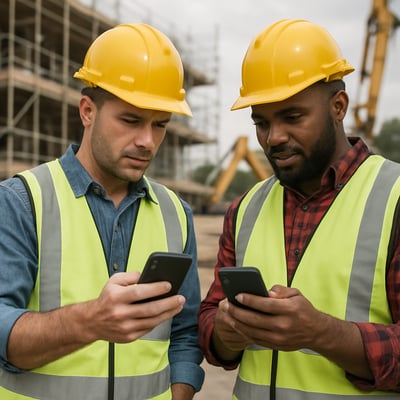
For the deskless majority, mobile devices are not a luxury but the primary conduit for personal and increasingly professional communication. If employees do not regularly use desktop computers or corporate email, communication must meet them where they are: on their smartphones. A mobile-first communication platform ensures that essential information—company news, schedules, policy updates, benefits details, and recognition—is readily accessible without requiring employees to seek out shared computers or wait until the end of their shifts.
This accessibility is paramount in reducing communication friction. In many instances, messages go unread not due to a lack of importance, but because they are difficult to access. Mobile-first tools empower HR teams to:
- Deliver timely updates: Push notifications can ensure critical information reaches employees instantly.
- Facilitate easy access to resources: Employees can access handbooks, training materials, and HR forms directly from their devices.
- Streamline shift management: Real-time updates on schedules, shift changes, and task assignments can be disseminated efficiently.
- Foster a sense of community: Social features within these platforms can connect colleagues across different locations and shifts.
The key is to design communication with the mobile user experience in mind from the outset, rather than simply adapting desktop content for smaller screens.
2. Empower Managers as Communication Champions
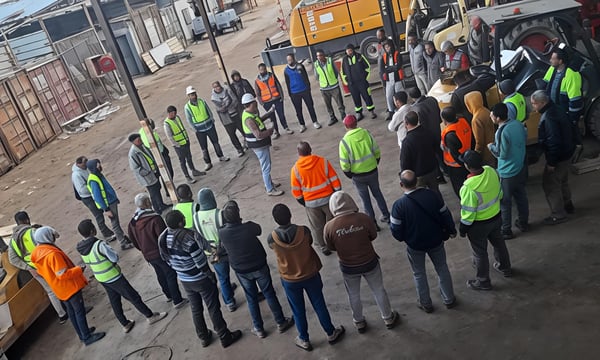
Frontline employees often view their direct managers as their most trusted and influential source of information. Consequently, even the most sophisticated communication strategy can falter if managers are not adequately equipped to convey messages clearly and consistently. Conversely, when managers are trained communicators, they can transform corporate announcements into meaningful dialogues that employees understand and retain.
HR leaders should cultivate managers as vital communication champions, not merely conduits for information. This involves equipping them with the skills and resources to:
- Translate corporate messages: Help managers understand the context and significance of company-wide announcements.
- Facilitate team discussions: Provide talking points and prompts for managers to discuss key updates with their teams.
- Gather and relay feedback: Train managers on how to solicit employee input and report it back to the organization.
- Reinforce key messages: Ensure consistent messaging across all teams and locations.
Even a brief script, a set of talking points, or a weekly briefing can significantly enhance manager alignment. Inconsistent communication across different locations or shifts is quickly noticed by employees and can erode trust.
3. Leverage Digital Signage and Physical Displays
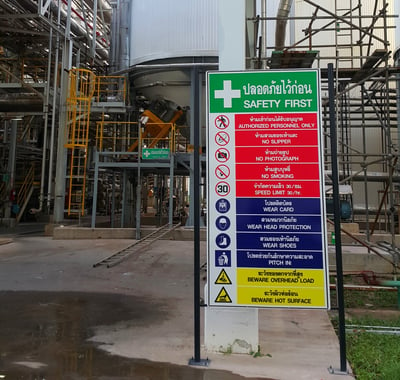
While digital platforms are crucial, not every employee can access or review messages during their shifts. In such cases, digital signage and physical displays in common areas play a vital role. Screens in break rooms, locker rooms, time-clock stations, and production areas serve as consistent touchpoints for important updates. Similarly, bulletin boards, posters, and printed summaries can effectively reach employees in environments where phone use is restricted or impractical.
This "second space" communication strategy meets employees in naturally occurring gathering spots, avoiding interruptions to their work. These displays are ideal for highlighting:
- Company news and achievements: Celebrating successes and sharing organizational milestones.
- Safety protocols and procedures: Ensuring critical safety information is always visible.
- Employee recognition and shout-outs: Publicly acknowledging outstanding performance.
- Upcoming events and initiatives: Informing employees about opportunities and changes.
Content for these displays should be concise, visually appealing, and easy to scan, prioritizing headlines and impactful visuals over lengthy text.
4. Prioritize Short-Form, Visual Content
Deskless employees often have limited time, space, and cognitive bandwidth for consuming long, detailed communications. Messages that require extended periods of uninterrupted focus may not be suitable for the frontline. Short-form, visual content is inherently more effective in capturing attention and conveying information quickly.
This can take various forms, including:
- Infographics: Visually representing data and complex information.
- Short videos: Demonstrating processes, sharing testimonials, or delivering key messages.
- Animated GIFs: Adding a dynamic element to announcements or instructions.
- Concise text messages and posts: Delivering key information in a few impactful sentences.
The objective is clarity, not oversimplification. Employees need sufficient information to understand and act on a message, without the core point becoming lost in excessive detail. A good rule of thumb is to shorten, clarify, or visualize any message that can be improved through these methods.
5. Establish Robust Two-Way Communication Channels
Effective communication is not a one-way broadcast; it requires a dialogue. If deskless employees only hear from the company during times of policy changes or urgent announcements, their connection with the organization can feel transactional. Employees need avenues to respond, ask questions, and share ideas. Two-way communication fosters trust by demonstrating that the organization is actively listening, not merely issuing directives.

HR teams can create vital feedback loops through:
- Employee surveys: Regularly soliciting feedback on various aspects of the work experience.
- Idea submission platforms: Allowing employees to propose improvements and innovations.
- Dedicated Q&A forums: Providing a space for employees to ask questions and receive timely answers.
- Manager check-ins and one-on-ones: Facilitating direct conversations about employee concerns and aspirations.
The format of feedback collection is less critical than the organization’s commitment to acting upon it. Ignoring employee input is a swift way to signal that their opinions are not valued. Closing the loop by communicating what was heard, what actions are being taken, and what the outcomes will be builds credibility and reinforces trust. Even when an idea cannot be implemented immediately, transparent communication about the decision-making process is essential.
6. Implement Frequent and Inclusive Recognition Programs
Recognition stands as one of the most potent and accessible tools for building connection with deskless employees—and it is often one of the easiest to overlook. Frontline workers are frequently engaged in fast-paced, problem-solving activities that are critical to daily operations. When this effort goes unnoticed, it can lead to disengagement. Conversely, consistent recognition makes employees feel valued, connected, and motivated to remain with the organization.
Effective recognition programs are:
- Timely: Acknowledging contributions as close to the event as possible.
- Specific: Clearly stating what behavior or achievement is being recognized.
- Sincere: Conveying genuine appreciation.
- Consistent: Integrated into the regular workflow and culture.
For deskless workforces, strong recognition programs often include:
- Peer-to-peer recognition: Enabling colleagues to acknowledge each other’s efforts.
- Manager spot awards: Providing managers with the autonomy to reward exceptional performance on the spot.
- Public acknowledgments: Showcasing achievements through company channels or team meetings.
- Tangible rewards: Offering small tokens of appreciation or access to exclusive perks.
Accessibility is paramount. If recognition is confined to desktop systems or infrequent corporate events, many deskless employees will be excluded. An inclusive and immediate recognition experience enhances its meaningfulness.
7. Invest in Onboarding and Training for Deskless Workers
The initial six months of employment can significantly shape the employee experience for deskless workers. Inconsistent, confusing, or overly administrative onboarding processes can prevent new hires from fully engaging with the organization. In high-turnover industries, this represents a substantial and costly mistake. Early experiences lay the foundation for employee confidence, support, and long-term commitment.
Effective onboarding for deskless employees should help new hires quickly understand:
- Their role and responsibilities: Clearly defined expectations and performance metrics.
- Company culture and values: How the organization operates and what it stands for.
- Key policies and procedures: Essential guidelines for safe and effective work.
- Available resources and support systems: Where to turn for help or information.
- Opportunities for growth and development: Pathways for career advancement within the company.
Onboarding should not conclude after the first week. Ongoing training and development are equally critical, especially when delivered in formats suited to frontline work. Micro-learning modules, short instructional videos, and mobile-friendly content allow employees to acquire new skills without prolonged absences from their duties. This investment also sends a powerful message: professional growth is not exclusive to office-based employees.
8. Measure, Learn, and Continuously Improve
To genuinely enhance communication and engagement for deskless employees, measurement must be an integral part of the strategy. This involves looking beyond the mere dissemination of messages to ascertain whether they were seen, understood, and acted upon. The right metrics can help HR teams identify successful initiatives, pinpoint existing gaps, and quantify the impact of communication strategies on business outcomes.
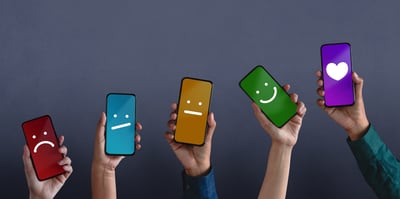
Key performance indicators may include:
- Message engagement rates: Tracking open rates, click-through rates, and video views on mobile platforms.
- Feedback volume and sentiment: Analyzing the quantity and nature of employee input received.
- Participation in recognition programs: Monitoring the frequency and reach of employee acknowledgments.
- Employee survey scores: Assessing satisfaction, engagement, and perceived connection levels.
- Retention rates: Tracking the percentage of deskless employees who remain with the company over time.
- Impact on operational metrics: Correlating communication efforts with improvements in productivity, customer satisfaction, or safety records.
Measurement enables continuous refinement of approaches and builds a compelling business case for further investment. It ensures that communication strategies remain dynamic and adapt to the evolving needs of the workforce, rather than being based on outdated assumptions. A frontline communication strategy that relies on guesswork is likely to fall behind.
Building a Connected Frontline with Reward Gateway | Edenred
Connecting deskless employees requires more than good intentions; it demands the right tools, established habits, and a strategy meticulously designed around the realities of frontline work. Reward Gateway | Edenred offers solutions specifically engineered to reach, engage, and recognize deskless employees, catering to the demands of today’s workforce. From mobile-first communication and robust employee recognition platforms to feedback and engagement tools, Reward Gateway | Edenred empowers HR leaders to cultivate more connected experiences for every member of their organization, not just those who work at a desk.
For organizations aiming to bridge the communication gap between corporate headquarters and their frontline teams, Reward Gateway | Edenred provides the expertise and technological solutions to construct a communication and recognition strategy that yields tangible business results. By prioritizing these eight strategic pillars, companies can foster a more engaged, informed, and ultimately more successful deskless workforce.