Chief Human Resources Officers (CHROs) are emerging as central figures in the ongoing Artificial Intelligence (AI) revolution, a transformation that is fundamentally about people, work, and jobs, rather than solely about technology. This paradigm shift is underscored by insights from numerous CHROs who are spearheading AI initiatives within their organizations. Their strategic involvement is crucial as companies grapple with the profound implications of AI on their workforce, demanding a human-centered approach to adaptation and innovation.
The Human Element at the Core of AI Transformation
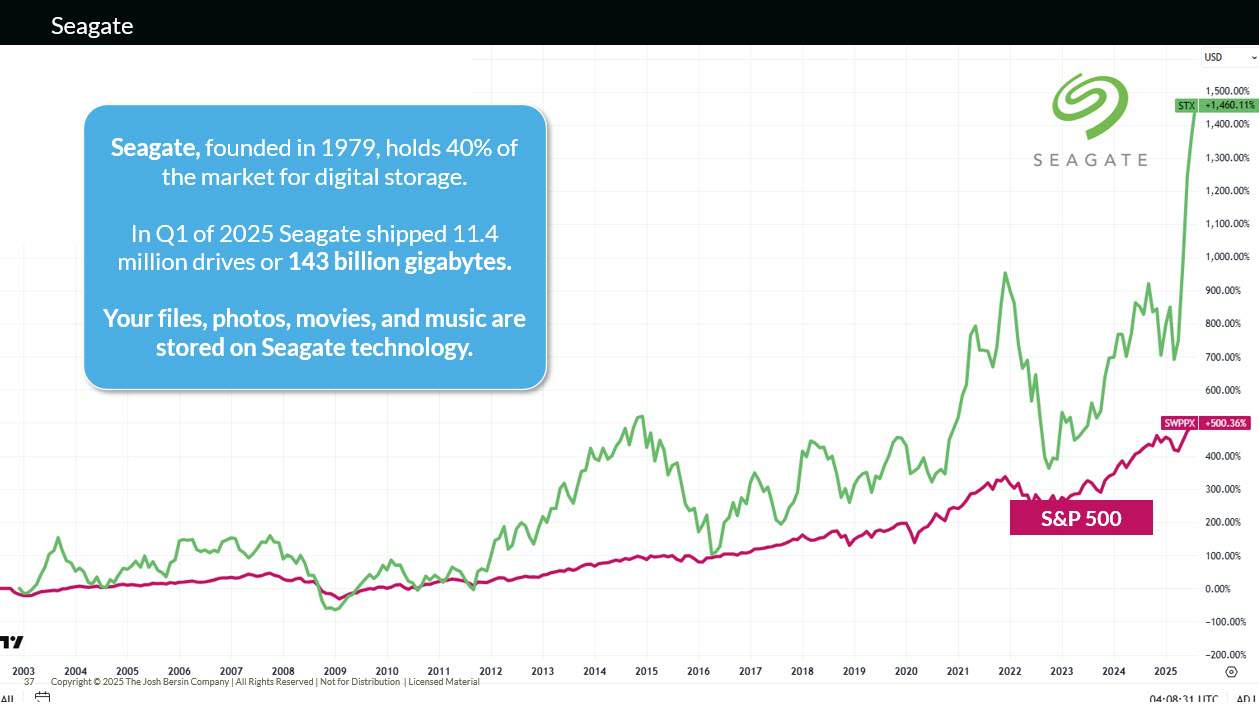
The widespread integration of AI technologies across industries presents a complex challenge, one that CHROs are uniquely positioned to address. Their expertise in talent management, organizational development, and employee engagement makes them indispensable in guiding this transition. The prevailing sentiment among HR leaders is that AI transformation is not an abstract technological endeavor but a deeply human one. This perspective is powerfully articulated by Patricia Frost, CHRO of Seagate, in a recent interview. Frost, whose extensive career spans military leadership, consulting, and business, brings a "battle-tested" view to organizational change. Her philosophy, encapsulated in the title of her story, "Leave No One Behind," highlights the critical imperative of ensuring that every employee is supported and empowered throughout the AI journey.
Frost emphasizes that effective transformation relies on building and nurturing existing teams, rather than solely seeking external talent. "You go to combat with the team you have, not necessarily the team you want," she states, drawing a parallel to military strategy. This approach necessitates a deep understanding of individual strengths and weaknesses within the workforce, coupled with a commitment to upskilling and development. "Your team is your team. And you build that team. You build on their skill sets. We do a lot of upskilling in the military. It’s your team. You know everyone’s strengths and weaknesses," Frost explains.
Furthermore, Frost highlights the indispensable role of middle managers in driving organizational success. She advocates for increased focus on these leaders, who are instrumental in understanding their teams’ capabilities and aspirations. "Middle managers are really the powerhouse of any company. And I don’t know that we spend enough time on our managers, probably our frontline managers, and then the middle management. How well do they understand their teams and the skills within their teams and understand also what people are passionate about? Where would they like to go? What opportunities can be open to them?" she questions, underscoring the need for robust support and training for this critical layer of leadership.
Frost firmly believes that CHROs must take a proactive and leading role in the AI conversation. "I am front and center. I think every CHRO needs to be front and center in the AI conversation. They need to be leading," she asserts. Her strategy for managing the anxieties associated with AI involves a commitment to inclusivity and opportunity. "First, we had to take the anxiety down from our workforce. So my approach this year is leave no one behind. I am going to give everyone the opportunity. We’re going to give everyone the same set of tools and training, and I will help you get there. Everyone has a choice," she explains, emphasizing a commitment to equipping all employees with the necessary skills and resources to adapt to the evolving work landscape.
A Global Chorus of CHROs Leading the AI Charge
The proactive involvement of CHROs in AI transformation is not an isolated phenomenon but a widespread trend observed across various global organizations. Numerous Chief Human Resources Officers are actively steering their companies through this complex technological and organizational shift.

Jacqui Canney, Chief People and AI Transformation Officer at ServiceNow, is a prominent example, leading efforts to foster AI literacy and application within her organization. Her team is at the forefront of corporate AI transformation, collaborating closely with IT and business units on significant strategic initiatives.
At Standard Chartered, Tanuj Kapilashrami, Chief Strategy and Talent Officer, directs the bank’s AI initiatives, aligning HR and IT resources to capitalize on emerging opportunities. She is supported by Melinda McKinley, Chief Operating Officer, who is deeply involved in the technical aspects of AI platforms and applications.
Helen Russell, CHRO at Hubspot and formerly at Rivian, is also driving AI transformation. Like ServiceNow, Hubspot faces the dual challenge of building and implementing AI technologies while simultaneously educating its workforce on their effective use to maintain a competitive edge.
Tracey Franklin, Chief People and Digital Officer at Moderna, has been instrumental in pioneering AI adoption across HR and management functions. This strategic partnership between HR and IT in AI endeavors has been recognized by publications like Fortune as critical for organizational success.
Jin Montesano, CHRO at Lixil, is fostering a culture of AI experimentation, aiming to reshape organizational culture, HR practices, and global operations.
Kathleen Hogan, formerly Chief People Officer at Microsoft, now leads the company’s AI transformation efforts, signaling the significant role HR leadership plays in driving such critical strategic changes.
These examples represent a broader trend, as evidenced by recent engagements with over 40 CHROs across Asia. Meetings with leaders from companies such as Grab, Lixil, DBS Singapore, Hitachi, TSMC, SAP, and LinkedIn revealed a consistent focus on four key AI transformation strategies.
Four Pillars of AI Transformation Led by HR
The strategic involvement of CHROs in AI transformation can be broadly categorized into four interconnected pillars:
1. Driving AI Readiness and Capabilities
Unlike traditional top-down technology implementations, AI integration is fundamentally a bottom-up, individual-centric process. Similar to the advent of personal computers in the 1980s, each employee must develop the capacity to become a "Superworker" – one who can effectively utilize, train, and trust AI, and ultimately build with it. This necessitates a comprehensive approach to skills development, encouraging experimentation, fostering knowledge sharing, and cultivating a culture that celebrates learning. Organizations that adopt a punitive stance, demanding increased productivity without providing adequate support, risk failing to develop the essential internal capabilities. CHROs are stepping in to ensure that "no one is left behind" while simultaneously empowering individuals to "reinvent their job."
2. Establishing Technology Platforms for Everyone
While IT departments are vital for technology selection, implementation, and governance, the ultimate success of AI integration hinges on the employee experience. As discussed at SAP Connect, CHROs, alongside their IT counterparts, are emphasizing the need for a unified "front door to work"—a carefully curated AI technology stack designed around employee needs. This goes beyond traditional portals or collaboration tools. The revolution in Learning & Development and the rise of the Superworker concept are now squarely within the purview of HR leaders, working in tandem with IT. SAP’s Joule AI strategy, for instance, is designed to enhance the productivity of employees and managers, underscoring HR’s critical role in technology selection, design, and service delivery.
3. Deciding Who and How to Hire (Or Not To Hire)
A common perception is that AI will lead to workforce reductions. However, the reality is more nuanced, involving significant organizational restructuring, job redesign, and redeployment of personnel. This dynamic organizational design is becoming a standard practice. The function of talent acquisition is also undergoing rapid evolution. Moving beyond simply filling open positions, CHROs and their teams are increasingly focused on redeploying internal talent, reskilling employees, and collaborating with leaders to redesign roles. This shift necessitates rethinking compensation models, job titles, and the entire talent management process, a concept often referred to as "Talent Density."
4. Enabling and Developing Leaders (Supermanagers)
The successful navigation of AI transformation is critically dependent on effective leadership. Companies that adapt swiftly and successfully possess management teams that are culturally aligned, connected, and future-focused, rather than intent on preserving existing power structures. This is giving rise to a new model of management, the "Rise of the Supermanager." CHROs recognize this imperative, as evidenced by Frost’s insights and the redesigned leadership models at companies like SAP and Microsoft. Organizations such as L’Oréal and Walmart are also implementing similar leadership evolution strategies. AI is not a technology that can be delegated; it requires a collective understanding of its capabilities and a strategic reintegration into business operations. The "Dynamic Organization" research highlights that agile companies are those where leaders actively rethink and redesign their teams in collaboration with AI.
The Elevated Importance of the CHRO
The role of the CHRO is undergoing a profound evolution, becoming more strategic and influential than ever before. Daily interactions with CHROs reveal a dynamic and inspiring expansion of their responsibilities. The Josh Bersin Company’s CHRO research program is dedicated to exploring these evolving dynamics. The program invites CHROs and other stakeholders to engage in discussions about these critical changes, with further updates scheduled for November.
In conclusion, as businesses navigate the complex landscape of AI transformation, the CHRO stands at the vanguard. Their ability to blend technological understanding with a deep commitment to human capital is paramount. The next decade promises extensive business transformation, and for aspiring HR leaders, AI presents an unprecedented opportunity to leverage their skills and drive significant organizational change. For those already in the role, a moment of appreciation for their multifaceted contributions is certainly warranted, perhaps over a shared cup of coffee.