
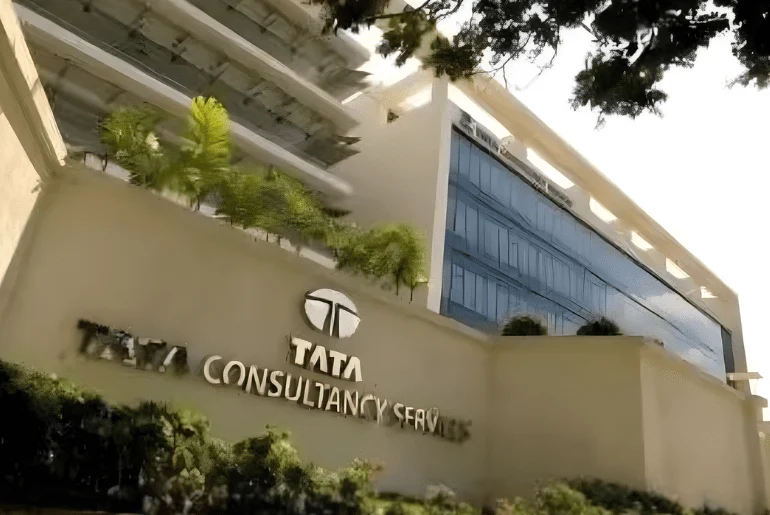
Tata Consultancy Services (TCS), a global leader in IT services, consulting, and business solutions, issued a temporary directive for employees assigned to its central Delhi campus, instructing them to work from its Noida or Gurugram offices, or to seek a specific work-from-office (WFO) exception. This strategic, short-term operational adjustment was necessitated by significant disruptions stemming from student protests in and around the central Delhi area, impacting normal access and operations at its PTI Building campus. The measure, effective for July 23 and 24, 2024, highlights the dynamic challenges faced by large corporations operating in bustling urban centers and their proactive approaches to ensure business continuity and employee safety.
The internal advisory, circulated to affected personnel, explicitly directed employees normally stationed at the PTI Building campus to report to TCS facilities located in Noida or Gurugram. For those unable to commute to these alternative locations, the company provided a specific channel to apply for a WFO exception under the "Calamity Exigency" category. This provision underscores TCS’s commitment to flexibility in unforeseen circumstances, even as it continues to reinforce its broader return-to-office strategy. The advisory’s language suggested a well-defined protocol for managing unexpected operational impediments, ensuring that work processes could continue with minimal interruption while prioritizing the well-being of its extensive workforce.
Context of Urban Protests and Operational Resilience
Central Delhi, a critical hub of governmental, educational, and commercial activity, frequently serves as a focal point for demonstrations and protests on various socio-political issues. These gatherings, while often a cornerstone of democratic expression, can inevitably lead to significant disruptions in daily life, including traffic congestion, public transport modifications, and restricted access to certain areas. Student protests, in particular, frequently coalesce around issues such as educational policy reforms, examination irregularities, fee hikes, or broader national policy grievances, drawing substantial public and media attention. The specific nature of the protests that prompted TCS’s advisory in July 2024, while not detailed in the internal communication, was significant enough to impede normal operations and access to the company’s premises, indicating a level of intensity or geographical spread that warranted immediate action.
The strategic location of TCS’s delivery centers across the National Capital Region (NCR), including its robust facilities in Noida and Gurugram, proved instrumental in enabling this swift relocation. This distributed operational model provides the company with a crucial layer of resilience, allowing for seamless transitions and workload redistribution when operations at a specific site are compromised. Such architectural flexibility is a testament to modern enterprise planning, recognizing the unpredictable nature of urban environments and the imperative for uninterrupted service delivery to global clients. The ability to leverage multiple, interconnected campuses within close geographical proximity is a significant advantage for large IT service providers like TCS, mitigating risks associated with localized disturbances.
Chronology of Events and Corporate Response
The internal advisory from Tata Consultancy Services was issued in anticipation of, or in direct response to, the escalating situation in central Delhi.
- Early July 2024: Reports or intelligence regarding potential student protests in central Delhi begin to circulate, indicating a likelihood of disruption. While specific details of the protests are not publicly detailed by TCS, their impact on accessibility and normal operations around the PTI Building campus became apparent.
- July 22, 2024 (Inferred): TCS management assesses the potential impact of the protests on employee safety, commute, and business continuity for the upcoming days. Decisions are made to activate contingency plans.
- July 22/23, 2024: The internal advisory is formally issued, outlining the temporary work-from-home directive for employees at the central Delhi campus. This communication would have detailed the alternative work locations (Noida, Gurugram) and the process for applying for a "Calamity Exigency" WFO exception.
- July 23-24, 2024: The temporary arrangement comes into effect. Employees from the central Delhi campus either report to the alternative NCR offices or work remotely under the specified exception. Business operations continue without significant interruption, showcasing the efficacy of the contingency plan.
- July 25, 2024 (Inferred): Depending on the cessation or de-escalation of the protests, employees would likely have been advised to resume work from their original central Delhi campus, signalling the end of the temporary measure.
This precise and timely response illustrates a well-honed crisis management protocol within TCS, prioritizing employee safety and operational continuity. The advisory’s short-term nature also underscores that it was a reactive measure to a specific, localized event, rather than an indication of a broader strategic shift in the company’s work policies.
TCS’s Broader Work-from-Office Strategy and Industry Trends
The temporary relocation directive gains additional context when viewed against TCS’s rigorous and widely publicized return-to-office (RTO) strategy. Unlike many global IT firms that have embraced hybrid work models post-pandemic, TCS has been a staunch advocate for a full five-day work-from-office mandate. The company began actively reinforcing this policy in late 2023 and early 2024, gradually phasing out extensive work-from-home allowances.
In a significant move that underscored its commitment to this strategy, TCS recently linked variable pay to employees’ adherence to its WFO policy. This decision, implemented across its vast workforce, signaled a strong organizational push towards traditional office-based work, citing benefits such as enhanced collaboration, innovation, and corporate culture. While the company maintains provisions for exceptions under specific, predefined circumstances, the overall direction has been clear: a return to physical workspaces. The "Calamity Exigency" category under which central Delhi employees could seek an exception is therefore a crucial safety valve, demonstrating that even a firm with a strict RTO policy acknowledges the need for flexibility in the face of uncontrollable external disruptions.
This approach by TCS stands in contrast to many of its peers in the IT industry, both domestically and internationally. Companies like Infosys, Wipro, and HCLTech have adopted more flexible hybrid models, often requiring employees to be in the office for a set number of days per week (e.g., 2-3 days). Globally, tech giants like Google, Amazon, and Meta have also adjusted their RTO mandates multiple times, often settling on hybrid structures that balance in-person collaboration with remote work flexibility. TCS’s steadfast position reflects a belief that the long-term benefits of a fully in-office model outweigh the perceived advantages of remote or hybrid work, particularly for a company with its scale and client-centric delivery model.
Implications for Employees and Business Continuity
For the thousands of employees working at the central Delhi campus, the temporary relocation likely presented a mixed bag of challenges and relief. While the option to work from Noida or Gurugram ensured continued employment and operational normalcy, it would have entailed significant logistical adjustments for many. Commuting between Delhi and its NCR satellites can be time-consuming and arduous, particularly during peak hours, potentially adding several hours to an employee’s day. For those without personal transport or easy access to public transit connecting these cities, the directive could have posed a considerable inconvenience. The "Calamity Exigency" option provided a vital alternative for individuals facing genuine travel impediments, showcasing a degree of empathy within the firm’s otherwise strict framework.
From a business continuity perspective, TCS’s ability to swiftly pivot its workforce demonstrates robust operational planning. The seamless transfer of operations from one facility to others within the NCR minimizes client impact, ensures project timelines remain on track, and upholds the company’s reputation for reliability. This agility is critical for an IT services provider whose global clientele depends on uninterrupted service delivery. The cost of such a relocation is minimal compared to potential losses from project delays or client dissatisfaction.
Statements and Reactions (Inferred)
While no public statements were issued by TCS beyond the internal advisory, the company’s actions inherently communicate several key messages:
- Prioritization of Employee Safety: The primary driver behind such a directive is invariably the safety and well-being of its workforce, ensuring they are not exposed to potential risks associated with crowded protest zones.
- Commitment to Business Continuity: The swift activation of alternative work arrangements underscores TCS’s unwavering commitment to its clients and uninterrupted service delivery, even in the face of local disruptions.
- Operational Agility: The seamless transition highlights the company’s robust operational infrastructure and strategic foresight in establishing multiple delivery centers.
From an employee perspective, reactions would likely have varied. Some might have appreciated the company’s proactive stance on safety and the provision of a WFO exception. Others might have experienced frustration due to increased commute times or logistical challenges associated with the temporary shift, especially those who had settled their lives around the central Delhi office location. Industry analysts, observing such incidents, would likely commend TCS for its operational resilience and its ability to adapt swiftly to unforeseen urban challenges, viewing it as a positive indicator of the company’s robust risk management framework.
Broader Economic and Social Impact
The incident involving TCS underscores the broader economic and social implications of urban protests. Beyond immediate disruptions to specific businesses, such events can ripple through local economies, affecting small businesses, retail outlets, and transport services in the vicinity. Persistent unrest can deter investment and impact urban planning strategies, prompting companies to reconsider locations in areas prone to frequent disruptions. For a mega-city like Delhi, balancing the democratic right to protest with the imperative of maintaining public order and facilitating economic activity is a perpetual challenge.
This event also highlights the evolving nature of work in the digital age. While TCS maintains a strong stance on physical presence, the necessity of temporary remote work due to external factors demonstrates the inherent value of flexible work models as contingency plans. The ability to shift work remotely or to alternative locations is no longer just a perk but an essential component of modern organizational resilience, safeguarding productivity against a myriad of unpredictable events, from natural calamities to civil unrest.
Conclusion
The temporary relocation of Tata Consultancy Services employees from its central Delhi campus due to student protests serves as a pertinent case study in corporate agility and operational resilience within dynamic urban environments. While a short-term measure for July 23 and 24, 2024, it effectively ensured employee safety and uninterrupted business operations. This incident, while localized, offers valuable insights into the intricate balance companies like TCS must strike between implementing stringent return-to-office mandates and maintaining the flexibility required to navigate unforeseen disruptions. The strategic presence of multiple delivery centers within the NCR proved to be a critical asset, allowing for a swift and effective response. As urban landscapes continue to evolve and present new challenges, the ability of global enterprises to adapt, protect their workforce, and ensure continuity of service will remain paramount to their success and stability.








