The quest for organizational success is inextricably linked to the effectiveness of its teams. While assembling a collection of talented individuals with complementary skills is a crucial first step, it is merely the foundation upon which true high performance is built. Achieving peak team performance is a deliberate process, requiring the careful cultivation of specific characteristics, behaviors, and best practices that differentiate the exceptional from the merely competent. This comprehensive analysis delves into the core elements that define high-performing teams, exploring their essentiality, distinguishing attributes, and the actionable strategies for their development.
At its core, a high-performing team is a dynamic unit where individuals synergize their collective skills, diverse perspectives, specialized expertise, and complementary strengths to conquer formidable challenges and achieve outstanding results. These teams operate with a hyper-focus on clear, impactful outcomes, fueled by a bedrock of trust, robust collaboration, and a deeply ingrained shared sense of purpose. However, achieving this level of synergy is not accidental; it is the direct result of intentional and effective performance management, creating an environment where collaboration, innovation, and collective achievement can flourish.
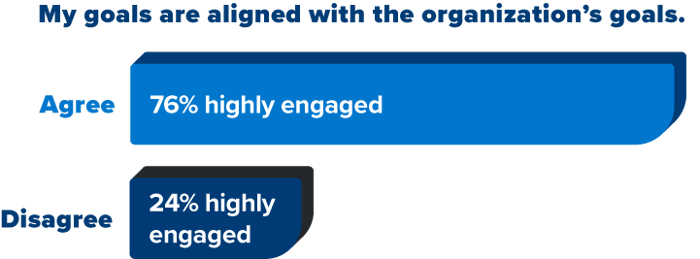
The imperative for high-performing teams stems directly from the organizational ecosystem. When teams are aligned, receive consistent feedback and coaching, and are equipped with the necessary resources, they become powerful engines for driving innovation, executing tasks efficiently, and achieving ambitious goals. Their ability to dismantle barriers and deliver results is a direct reflection of their internal cohesion and outward focus. Research consistently underscores this point: organizations that foster environments where employees understand their contribution to the broader mission are more likely to experience higher levels of engagement and productivity. For instance, a study by Quantum Workplace revealed that highly engaged employees are significantly more likely to report feeling a strong connection between their work and the organization’s overarching mission, leading to a 3.2 times greater likelihood of being engaged when individual performance goals are aligned with organizational objectives.
Unveiling the Hallmarks of High-Performing Teams
While each team possesses a unique identity, a consistent set of characteristics defines those that consistently excel. These shared traits provide a roadmap for organizations aiming to cultivate their own high-achieving units.

1. Understanding the Organizational Mission: The Power of Purpose
High-performing teams are acutely aware of how their collective efforts contribute to the broader organizational mission and vision. This clarity is not merely an abstract concept; it translates into tangible engagement and productivity. When individuals understand the "why" behind their work, they are more motivated to contribute and collaborate towards shared objectives. This intrinsic alignment with the organization’s purpose serves as a powerful motivator, ensuring that daily tasks and project goals are viewed within the larger strategic context.
2. Clear Goals, Aligned Priorities: A Compass for Success
A hallmark of elite teams is their unwavering focus on clearly defined goals that are intrinsically linked to both team and organizational priorities. This alignment ensures that every member understands the overarching objectives and how their individual contributions directly impact collective success. Quantum Workplace research further substantiates this, indicating that employees are 3.2 times more likely to be engaged when their individual performance goals are clearly aligned with organizational goals. The specificity of these goals leaves no room for ambiguity, ensuring everyone knows precisely what needs to be done and the pathway to achieving it.
3. Defined Roles and Responsibilities: Minimizing Friction, Maximizing Output
The potential for conflict within a team, even one composed of highly skilled individuals, is ever-present. High-performing teams proactively mitigate this risk by establishing clearly defined roles and responsibilities. This clarity reduces unnecessary friction and confusion, allowing team members to focus on their specific contributions without overlap or uncertainty. When each person understands their mandate, the team operates more smoothly, efficiently, and with greater purpose.
4. Transparent and Respectful Communication: The Lifeblood of Collaboration
Effective communication is the bedrock upon which successful teamwork is built. When communication channels become clogged or individuals fail to communicate clearly and respectfully, performance inevitably suffers. High-performing teams establish explicit communication expectations and cultivate robust channels for dialogue. This ensures that everyone knows when, where, and with whom to communicate, fostering a culture where information flows freely and constructive conflict resolution is the norm, not the exception.
5. Embracing Two-Way Feedback: A Culture of Continuous Improvement
A commitment to continuous improvement is a defining characteristic of high-performing teams. This is fostered through an environment that encourages open, constructive, and two-way feedback. Team members feel empowered to share ideas, voice concerns, and offer suggestions without fear of reprisal. Equally important, managers actively solicit feedback from their teams, valuing their perspectives and leveraging these insights to drive collective growth. This feedback-driven approach not only enhances individual performance but also strengthens team dynamics, leading to greater collaboration and adaptability.
6. Strategic Prioritization: Focusing on Impact
High-performing teams possess a keen understanding of impact and urgency. They meticulously manage their workload and deadlines by prioritizing tasks that yield the greatest impact and align most closely with organizational goals. This strategic approach ensures that valuable time and resources are allocated to activities that drive meaningful progress, rather than being dispersed across less critical endeavors.
7. Manager-Employee Alignment: Building Bridges of Connection
The efficacy of a team is significantly influenced by the strength of the relationship between managers and their direct reports. High-performing teams prioritize regular, meaningful one-on-one meetings. These sessions transcend mere status updates, serving as dedicated forums for discussing goals, progress, and challenges on an individual level. Managers leverage these opportunities to understand employee aspirations, provide targeted guidance, and offer essential support, thereby cultivating a sense of belonging and commitment that is vital for team success.
8. Mutual Trust and Respect: The Foundation of Collaboration
The synergy required for high achievement is fundamentally dependent on a culture of mutual trust and respect. Individuals within high-performing teams deeply value each other and have unwavering confidence in their colleagues’ abilities and commitment. This respect extends to a genuine appreciation for diverse thought and experience, recognizing that these differences are a source of collective strength. This ingrained trust facilitates open dialogue, psychological safety, and a willingness to tackle complex problems collaboratively.
9. Celebrating Success and Recognizing Contributions: Fueling Motivation
High-performing teams understand that success is a collective endeavor. They actively celebrate shared victories and consistently acknowledge and appreciate the contributions of each team member. This practice not only reinforces a strong culture of collaboration but also ensures that individuals feel valued and connected to the team’s achievements. Research consistently indicates that while ratings, rankings, and pay-for-performance metrics may not be primary drivers of engagement, genuine recognition plays a significant role. A testament to this is the finding that highly engaged employees are 70% more likely to agree with the statement, "If I contribute to the organization’s success, I know I will be recognized."
10. Commitment to Continuous Learning: Adapting and Evolving
Even the most accomplished teams recognize the imperative for ongoing growth. High-performing teams actively seek opportunities for development, learn from their mistakes, and embrace a culture of continuous improvement. By nurturing a feedback-rich environment and investing in employee development, these teams remain agile, effective, and innovative, constantly striving for higher levels of achievement.
11. Balancing Short-Term Wins with Long-Term Vision
Exceptional teams master the art of balancing immediate objectives with sustainable long-term growth. While laser-focused on achieving current goals, they simultaneously invest in learning, skill development, and career progression to maintain a competitive edge. Practices like talent reviews and succession planning are integral to this approach, ensuring a robust leadership pipeline and preparedness for future challenges. This dual focus on immediate results and enduring growth positions these teams for sustained success in a constantly evolving business landscape.
What Differentiates High-Performing Teams in Practice?
Beyond their inherent characteristics, high-performing teams actively engage in distinct behaviors that set them apart. These actions are not arbitrary; they are strategic choices that enable them to consistently outperform their peers.
1. Embracing Innovation and Adaptability: Navigating Change with Agility
In today’s dynamic business environment, change is the only constant. High-performing teams do not shy away from this reality; they embrace it. They are unafraid to challenge the status quo, actively seeking out novel ideas, fostering innovation, and adapting swiftly to evolving circumstances. This agility and openness to change enable them to remain resilient, seize emerging opportunities, and navigate uncertainty with confidence. To foster this innovative spirit, these teams require the freedom, support, tools, and technology to experiment, learn, and even make mistakes, often measuring their success not just by arbitrary KPIs but by their tangible organizational impact.
2. Cross-Functional Collaboration: Breaking Down Silos
Organizational silos are a significant impediment to progress. High-performing teams actively dismantle these barriers, fostering collaboration across departments, disciplines, and diverse teams. They cultivate environments where knowledge sharing is fluid, individual strengths are leveraged, and shared goals are pursued collectively. This spirit of collaboration amplifies their collective impact and strengthens interdepartmental relationships, leading to more holistic and effective solutions.
3. Focused Recognition and Achievement: Motivating Excellence
High-performing teams understand that meaningful recognition can be deeply personal. They strategically leverage data to celebrate both significant milestones and incremental achievements, proactively and reactively acknowledging contributions to the broader team. This consistent practice cultivates a contagious culture of appreciation, motivating every member to strive for excellence and contribute their best efforts.
4. Leveraging Engaging Performance Processes and Technology
The effectiveness of any team is intrinsically tied to the processes and tools that support their work. High-performing teams are not bogged down by disparate systems or fragmented data. Instead, they utilize integrated tools that facilitate seamless collaboration, provide data-driven insights, and automate repetitive tasks, thereby optimizing their performance.
5. Mutual Accountability: A Shared Commitment to Results
High-performing teams operate on a foundation of mutual accountability. They do not point fingers or assign blame; instead, they embrace collective responsibility for the team’s performance. This shared commitment ensures that every member is invested in the team’s success and holds themselves and their colleagues to high standards, fostering a culture of shared ownership and achievement.
Practical Strategies for Cultivating High-Performing Teams
Building a truly high-performing team is a journey, not a destination, requiring sustained commitment and investment in continuous growth. The following practical tips offer a framework for organizations aiming to foster such environments:
Creating a Shared Sense of Purpose
A unified purpose is essential for team cohesion. This is achieved through clear goal-setting and team alignment. Managers of high-performing teams consistently evaluate priorities and goals to ensure their efficacy and alignment with the organization’s broader objectives. Regular communication that connects team efforts to overarching organizational goals is paramount. One-on-one meetings serve as critical touchpoints for checking in on progress, identifying key priorities, and reinforcing alignment, ensuring the team is moving in a unified direction.
Streamlining Communication Channels
For teams to remain agile and focused, clear and streamlined communication is indispensable. Establishing defined processes and expectations for communication is crucial. This might involve utilizing specific platforms for different types of communication, such as instant messaging for quick updates and project management tools for detailed information and task tracking. Well-defined communication protocols prevent misunderstandings, ensure critical information reaches the right people, and prevent tasks from falling through the cracks. Furthermore, fostering opportunities for cross-functional knowledge sharing through workshops or team-building activities can enhance creativity and camaraderie.
Empowering Decision-Making at All Levels
High-performing teams empower their members to make decisions and take ownership of their work. Managers within these teams recognize that fostering initiative and encouraging autonomous decision-making within defined parameters is key to maximizing performance. This fosters a sense of ownership, accountability, and builds a culture of trust and empowerment. Consistent recognition for contributions that benefit the larger organization reinforces the connection between individual actions and collective success.
Recognizing and Rewarding Achievements
Acknowledging and celebrating both individual and collective achievements is a cornerstone of building and sustaining high-performing teams. Recognition and rewards not only boost morale but also reinforce desired behaviors and motivate continued excellence. Regular expressions of appreciation, particularly during one-on-one meetings, can keep teams connected to their goals and accomplishments. It’s important to recognize not only major victories but also consistent performance and instances where individuals go above and beyond. Understanding individual recognition preferences is key to maximizing impact. Encouraging peer-to-peer recognition further cultivates a positive and engaging work environment.
Investing in Employee Development
A commitment to continuous learning and improvement is vital for sustained outstanding results. High-performing teams are characterized by their curiosity, their willingness to ask questions, explore possibilities, and adapt based on new knowledge. Investing in employee growth and development through relevant training opportunities, mentorship, and skill-building initiatives equips individuals with the knowledge and capabilities to excel, making the team more effective, efficient, and innovative.
Shared Responsibility for High Performance
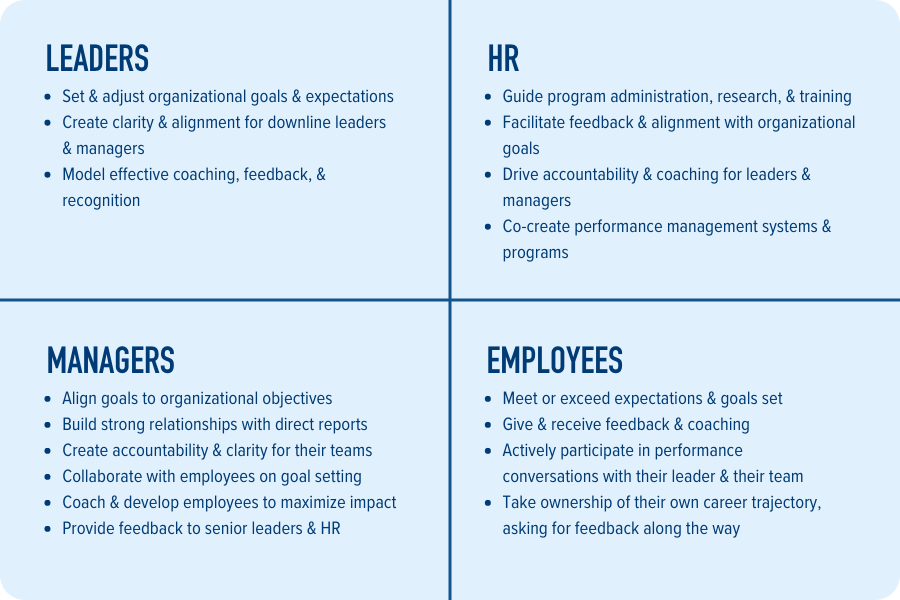
The cultivation of high-performing teams is not the sole responsibility of a single department or individual. It is a collaborative effort involving leadership, HR, managers, and employees, each playing a critical role in fostering an engaging performance management culture.
The Role of Senior Leaders
Senior leaders are instrumental in setting the organizational direction and establishing clarity around paramount goals. They must embody the principles of performance, accountability, and effective coaching, consistently focusing on outcomes and impact. Their leadership sets the tone and example for the entire organization.
The Role of Human Resources (HR)
HR is pivotal in driving performance management initiatives and ensuring their effectiveness. HR facilitates performance feedback, aligns metrics with organizational goals, and holds leaders accountable for their coaching responsibilities. By co-creating and continuously evaluating performance programs, HR builds dynamic systems that enhance employee impact, development, and overall business success.
The Role of Managers
Managers are the crucial link between organizational goals and team objectives. They are responsible for fostering employee growth and development, building strong relationships with their direct reports, providing timely feedback, and ensuring clear expectations. They collaborate with employees on goal setting, provide coaching, and allocate necessary resources. Their feedback loop to senior leadership and HR is vital for refining the performance management process.
The Role of Employees
While leadership and HR establish the framework, employee participation is essential for its success. Employees must actively engage in their performance, provide and receive feedback, and take ownership of their development and career trajectory. Proactively seeking support and contributing to the team’s objectives are key responsibilities.
The Impact of Performance Management Software
Building high-performing teams is a long-term endeavor, but the right tools can significantly accelerate the process. Performance management software offers a suite of solutions designed to nurture the core characteristics of exceptional teams.
Clear and Aligned Goals
Software solutions can empower teams to set, monitor, and achieve critical goals. Features that facilitate goal cascading, progress tracking, and alignment with organizational objectives ensure everyone is working towards a common vision.
Enhanced Trust Through Feedback
Tools that support 360-degree, peer, and upward feedback foster a culture of continuous improvement and boost employee performance and development. They enable transparent communication and a more holistic view of individual contributions.
Engaging Performance Reviews
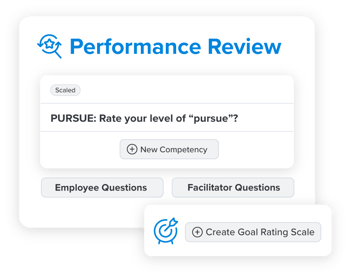
Modern performance review software transforms traditional reviews into more effective, efficient, and engaging conversations. Features that simplify the process, encourage continuous dialogue, and integrate feedback from multiple sources enhance their value and impact.
Real-Time Recognition and Appreciation
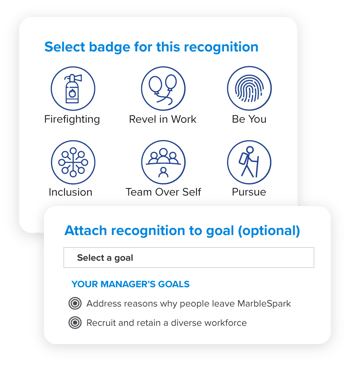
Platforms for real-time recognition allow organizations to celebrate successes and make employees feel valued. The ability to share stories of achievement and acknowledge contributions in a timely manner fosters a positive and motivating work environment.
Increased Clarity with One-on-One Meetings
Dedicated software for one-on-one meetings facilitates meaningful conversations between managers and employees, improving communication, clarity, and engagement. These tools ensure consistent dialogue about goals, progress, and development.
Strategic Talent Identification and Development
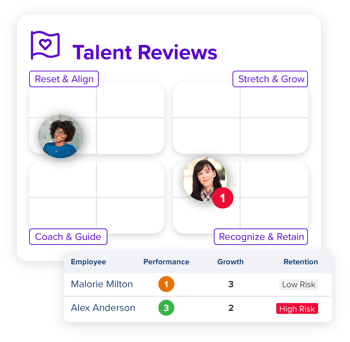
Talent review tools enable objective assessment of performance, identifying high-potential employees and potential talent risks. This data-driven approach supports strategic talent decisions and development planning.

Sustained Performance Through Succession Planning
Succession planning tools help organizations proactively identify talent gaps and develop future leaders. By ensuring the right successors are identified and prepared, organizations can maintain continuity and drive sustained high performance.
In conclusion, the creation of high-performing teams is a multifaceted undertaking that demands intentionality, strategic planning, and a commitment to fostering a culture of excellence. By understanding and implementing the key characteristics, behaviors, and practical strategies outlined, organizations can cultivate teams that not only achieve exceptional results but also drive innovation, adapt to change, and contribute significantly to sustained organizational success. The investment in building these elite units is an investment in the future of the organization itself.