A groundbreaking study conducted by the Massachusetts Institute of Technology (MIT) has revealed a stark reality for businesses integrating artificial intelligence: a staggering 70% of AI implementations fail to deliver their projected business value. This statistic, while concerning, challenges the conventional wisdom that often points to technological limitations or insufficient data as the primary culprits. Instead, the MIT research identifies a more fundamental, and perhaps more challenging, factor: critical gaps in leadership capability.
The study’s findings indicate that organizations whose leaders have cultivated specific, AI-related competencies are more than three times as likely (3.2 times, to be precise) to achieve their AI transformation objectives. Despite this clear correlation, a mere 23% of executives reported investing in the development of these essential capabilities prior to embarking on their AI initiatives. This oversight suggests a widespread tendency among leaders to prioritize the acquisition of AI tools over the cultivation of the human skills necessary to wield them effectively.
This critical insight comes from Lolly Daskal, a renowned executive leadership coach who has guided hundreds of leaders through complex AI transformations across a diverse range of organizations, from agile startups to established Fortune 500 enterprises. Daskal’s extensive experience suggests that the most successful AI leaders are not necessarily the most technically proficient individuals. Rather, they are those who have honed a distinct set of leadership capabilities that serve as a crucial bridge between human judgment and the burgeoning power of artificial intelligence.
The Widening AI Implementation Gap
The rush to adopt AI technologies has become a defining characteristic of the current business landscape. Companies are investing billions of dollars in AI solutions, driven by the promise of enhanced efficiency, groundbreaking innovation, and a significant competitive advantage. However, the MIT study underscores a significant disconnect between investment and outcome. This widespread failure rate has profound implications for organizational growth, resource allocation, and long-term strategic planning.
The notion that technology itself is the sole determinant of AI success is a pervasive misconception. While advanced algorithms and vast datasets are undeniably important, they are inert without skilled human direction. The MIT research highlights that the bottleneck lies not in the silicon and software, but in the human element at the helm. This points to a need for a paradigm shift in how leadership development is approached within organizations that are embracing AI.
Seven Pillars of AI Leadership Excellence
Daskal identifies seven core leadership capabilities that distinguish those who are effectively leading their organizations through the AI revolution from those who are merely following trends. These skills are not about becoming an AI expert, but about mastering the art of human-AI synergy.
1. AI Literacy Beyond the Hype
A foundational requirement for effective AI leadership is a robust understanding of what AI can and, crucially, what it cannot do for a business. Leaders who possess this "AI literacy" are adept at discerning between genuine capabilities and the often-inflated promises of technology vendors. They understand the nuanced distinctions between simple automation and sophisticated AI-driven decision-making, thereby averting costly missteps and managing expectations with greater realism. This clarity prevents organizations from investing in solutions that are fundamentally misaligned with their strategic goals or technical feasibility.
- Supporting Data: A 2023 report by Gartner predicted that by 2026, 80% of AI projects would fail to move beyond experimentation due to a lack of alignment with business goals and insufficient AI literacy among leadership. This aligns with Daskal’s findings, emphasizing the pre-implementation gap.
2. Data Interpretation That Drives Strategy
AI systems are capable of processing and generating insights at a speed and scale far beyond human capacity. However, the ability to discern which of these insights are truly significant and actionable requires a discerning human intellect. Successful leaders cultivate the skill of effectively interpreting complex data patterns, recognizing when algorithmic recommendations should be questioned or augmented with human judgment. This often involves understanding intricate business contexts that no AI system, however advanced, can fully comprehend. The ability to integrate data-driven insights with nuanced business acumen is paramount.
- Fact-Based Analysis: The sheer volume of data generated by modern enterprises can be overwhelming. Leaders must possess the strategic foresight to identify key performance indicators (KPIs) and the ability to translate raw data into strategic directives. This requires a blend of analytical rigor and business intuition.
3. Emotional Intelligence That AI Cannot Replace
As AI takes on more data-intensive and routine tasks, the uniquely human domains of emotional intelligence become increasingly vital. Effective leaders excel at navigating team dynamics, fostering trust, and building cohesive units, especially during periods of technological disruption and uncertainty. They are adept at maintaining human connection, empathy, and understanding when the integration of advanced technology might otherwise create a sense of detachment or overwhelm. These interpersonal skills are not diminished by AI; they are amplified in importance.
- Broader Impact: In an era of increasing automation, organizations that prioritize human connection and emotional well-being within their workforce are likely to see higher employee engagement, reduced turnover, and greater resilience in the face of change.
4. Adaptability When Technology Changes Weekly
The pace of AI development is nothing short of relentless. Capabilities that were cutting-edge a year ago can become commonplace today, and yesterday’s strategic roadmap may be obsolete by the next quarter. Leaders who thrive in this dynamic environment embrace a mindset of continuous learning and possess the agility to pivot their strategies as new AI capabilities emerge. This adaptability is crucial for organizations to remain competitive and to harness the transformative potential of emerging AI technologies.
- Timeline Context: The rapid evolution of AI can be traced through major advancements in deep learning, natural language processing, and generative AI over the past decade. Leaders must actively monitor these trends and be prepared to integrate new tools and methodologies as they mature.
5. Human-AI Collaboration That Maximizes Both
The true power of AI is unleashed when human expertise and artificial intelligence capabilities work in concert, creating a synergistic relationship that surpasses the sum of their individual parts. Great leaders foster environments where their teams naturally blend AI-generated insights with human creativity and critical thinking. This collaborative approach ensures that neither human nor AI capabilities are unduly dominant, but rather that each contributes its unique strengths to problem-solving and innovation.

- Case Study Implication: Companies that have successfully integrated AI often highlight cross-functional teams where data scientists, domain experts, and business strategists work closely together. This model of collaboration is essential for translating AI outputs into tangible business value.
6. Ethical Standards That Build Trust
Every AI-driven decision carries with it an ethical dimension that reflects an organization’s core values and its leadership’s commitment to responsible innovation. Leading organizations establish clear ethical guidelines and robust governance frameworks before implementing AI systems. This proactive approach ensures transparency in how AI-powered decisions are made and establishes mechanisms for accountability when unintended consequences arise. Building and maintaining trust with customers, employees, and the wider public is paramount in the age of AI.
- Official Responses/Industry Trends: Regulatory bodies worldwide are increasingly focusing on AI ethics, with initiatives like the EU’s AI Act and the US’s NIST AI Risk Management Framework emphasizing the need for responsible AI development and deployment. Leaders who prioritize ethics are not only mitigating risk but also positioning themselves as trustworthy stewards of this powerful technology.
7. Communication That Inspires Confidence
For AI initiatives to succeed, it is imperative that employees understand not only what AI will do, but also why it is important and how it will contribute to their success and the organization’s overall mission. The most effective leaders communicate the role of AI in terms of tangible human benefits, directly address employee concerns and fears, and manage the change process in a way that fosters excitement rather than resistance. Clear, empathetic, and purpose-driven communication is the bedrock of successful AI adoption.
- Analysis of Implications: Effective communication can mitigate the "fear of the unknown" often associated with AI. By framing AI as a tool to augment human capabilities and improve work processes, leaders can foster a more positive and productive environment for integration.
The Future Belongs to the Prepared Leader
The leaders who are poised to shape the next decade are not waiting for the AI landscape to stabilize before developing these critical skills. Instead, they are actively cultivating these capabilities now, recognizing that proactive development offers a distinct advantage over competitors who remain focused solely on technology procurement.
The ultimate differentiator between AI success and failure, as Daskal emphasizes, lies not in the sophistication of the technology itself, but in the approach and preparedness of the leaders steering its implementation. These seven skills are not merely desirable attributes; they represent the fundamental pillars of leadership effectiveness in an era where artificial intelligence has the potential to amplify every aspect of an organization’s operations.
The insights provided by Daskal, drawn from extensive experience coaching executives at the forefront of technological change, serve as a critical call to action. Organizations that invest in developing these leadership capabilities will be better equipped to navigate the complexities of the AI era, unlock its transformative potential, and achieve sustainable, value-driven outcomes. The focus must shift from merely acquiring AI to intelligently leading with AI.
About Lolly Daskal and "The Leadership Gap"
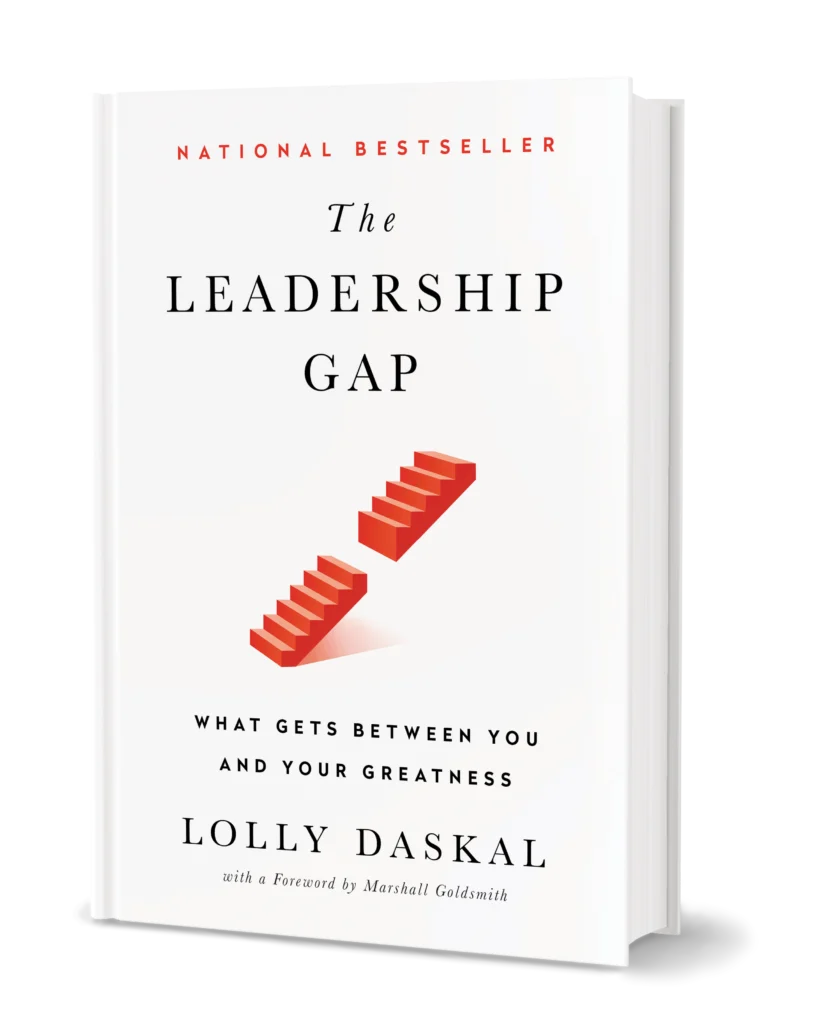
Lolly Daskal is globally recognized as one of the most sought-after executive leadership coaches, bringing decades of cross-cultural expertise from her work in over 14 countries and hundreds of companies. As the founder and CEO of Lead From Within, her proprietary leadership program is designed to catalyze significant improvements in leader performance and foster meaningful impact. Daskal’s extensive accolades include being named a Top-50 Leadership and Management Expert by Inc. magazine and being honored by the Huffington Post as "The Most Inspiring Woman in the World." Her insights have been featured in leading publications such as Harvard Business Review, Inc.com, Fast Company, and Psychology Today. Her national bestseller, "The Leadership Gap: What Gets Between You and Your Greatness," delves into the common pitfalls that hinder executive potential and offers pathways to overcome them.
Additional Reading:
- [Insert relevant links to articles on AI adoption, leadership development, or technology trends here]
Author Biography:
Lolly Daskal is a preeminent voice in the field of leadership development. Her extensive cross-cultural expertise spans 14 countries, six languages, and hundreds of companies. As founder and CEO of Lead From Within, her proprietary leadership program is engineered to be a catalyst for leaders who want to enhance performance and make a meaningful difference in their companies, their lives, and the world.
Of Lolly’s many awards and accolades, Lolly was designated a Top-50 Leadership and Management Expert by Inc. magazine. Huffington Post honored Lolly with the title of The Most Inspiring Woman in the World. Her writing has appeared in HBR, Inc.com, Fast Company (Ask The Expert), Huffington Post, and Psychology Today, among other prestigious platforms. Her newest book, The Leadership Gap: What Gets Between You and Your Greatness, has become a national bestseller.