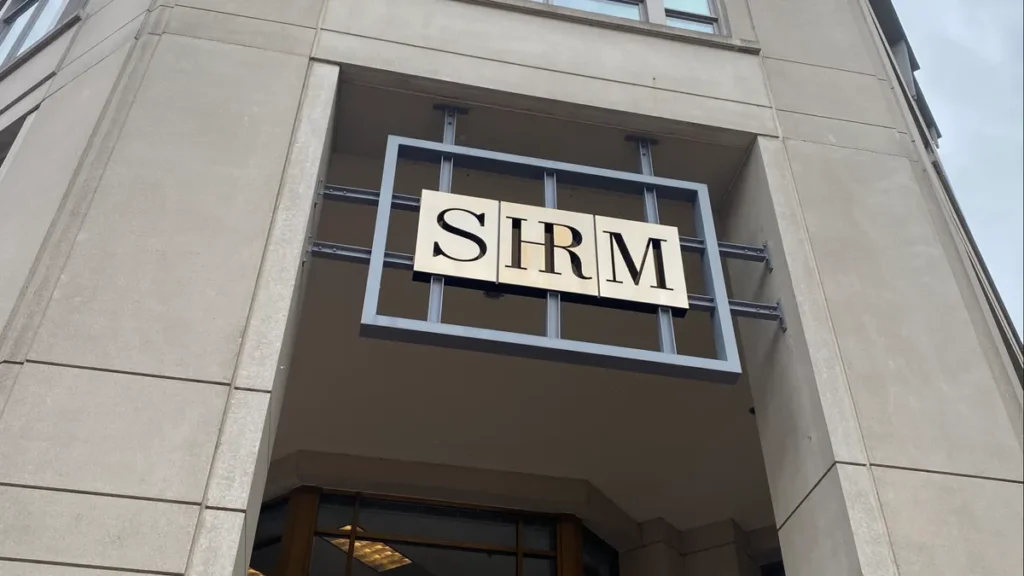
The insurer, a subsidiary of Hartford Fire Insurance Co., filed a lawsuit against the Society for Human Resource Management (SHRM) on Tuesday, July 29, 2026, requesting a court declaration that it is not obligated to indemnify the prominent HR organization for a substantial $10 million punitive damages award. This legal maneuver by Twin City comes after a jury found SHRM liable for intentional race discrimination and retaliation in a high-profile case, Mohamed v. SHRM, asserting that Virginia state law explicitly prohibits the insuring of punitive damages arising from intentional acts. The dispute has significant implications for both parties, potentially reshaping SHRM’s financial exposure and setting a precedent for employment practices liability insurance (EPLI) coverage in the state.
The Genesis of the Dispute: The Mohamed v. SHRM Verdict
At the heart of Twin City’s lawsuit is the outcome of Mohamed v. SHRM, a case that concluded late last year with a jury delivering a decisive verdict against SHRM. The plaintiff, a former employee of the organization, alleged that she faced systemic exclusion from critical meetings and professional development opportunities after voicing concerns about racial bias within the workplace. Her complaints, she claimed, were met with retaliatory actions, culminating in her termination shortly thereafter. Such allegations strike at the core of equitable workplace practices, making the case particularly sensitive for an organization like SHRM, which champions human resource best practices and ethical employment standards.
The jury in the Mohamed trial awarded the former employee a total of $11.5 million. This sum was bifurcated into $1.5 million in compensatory damages, intended to reimburse the plaintiff for tangible and intangible losses incurred due to the discrimination and retaliation, and a hefty $10 million in punitive damages. The distinction between these two types of damages is crucial to the current insurance dispute. Compensatory damages aim to make the plaintiff whole, covering lost wages, emotional distress, and other direct impacts. Punitive damages, however, serve a different purpose: they are designed not to compensate the victim but to punish the wrongdoer for egregious conduct and to deter similar behavior by others in the future. The jury’s finding of "intentional" race discrimination and retaliation directly triggered the punitive award, and it is this specific finding that forms the cornerstone of Twin City’s argument for non-coverage.
Following the jury’s verdict, SHRM promptly initiated efforts to challenge the ruling. Earlier this year, the organization filed a motion for a new trial, contending that the court had improperly admitted certain evidence and arguments. SHRM specifically argued that allowing evidence portraying it as a "model employer" had poisoned the jury’s perception, creating an unfair trial environment. However, in April of this year, a judge unequivocally denied SHRM’s request, upholding the jury’s verdict in its entirety. This judicial affirmation propelled SHRM to the next stage of legal recourse: the appeals process, which it formally commenced shortly after the judge’s ruling.
The Insurance Policy at the Center: Employment Practices Liability Insurance (EPLI)
Twin City’s lawsuit, formally titled Twin City Fire Insurance Co. v. Society for Human Resource Management, pivots on the interpretation and application of SHRM’s employment practices liability insurance policy. EPLI is a specialized type of coverage designed to protect employers against claims made by employees alleging wrongful acts arising from the employment relationship. These claims can include wrongful termination, discrimination, harassment (sexual, racial, age, etc.), retaliation, failure to promote, negligent evaluation, and various other employment-related torts.
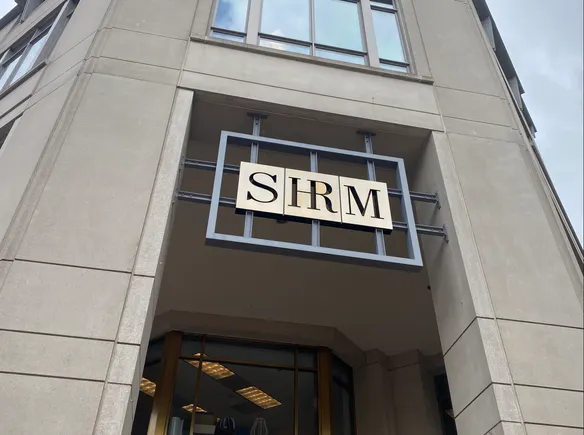
The EPLI market has grown significantly over the past two decades, driven by an increase in workplace litigation and a heightened awareness of employee rights. Companies invest in EPLI to mitigate the substantial financial risks associated with defending such lawsuits, which can incur considerable legal fees, settlement costs, and damage awards. However, EPLI policies, like most insurance contracts, come with specific exclusions and limitations. A common exclusion, and the one central to this case, pertains to punitive damages awarded for intentional misconduct.
Twin City asserts that it clearly communicated this limitation to SHRM from the outset. According to the insurer’s complaint, when it first agreed to defend SHRM against the Mohamed claim, it explicitly stated that it would not be responsible for punitive damages awarded for intentional acts, citing Virginia state law. This notification was reportedly reiterated throughout the legal proceedings of the Mohamed case. The insurer’s position is rooted in the fundamental principle that insurance is designed to cover unforeseen risks and negligent acts, not deliberate wrongdoing that society seeks to punish. Allowing insurance to cover punitive damages for intentional discrimination, the argument goes, would undermine the deterrent purpose of such awards and potentially enable bad actors to evade accountability.
Virginia State Law and the Prohibition on Insuring Intentional Acts
The legal battle hinges on Virginia’s statutory framework concerning punitive damages. Many states, including Virginia, have public policy considerations embedded in their laws that restrict or prohibit the indemnification of punitive damages, especially when they arise from intentional torts or criminal acts. The rationale is straightforward: if an individual or entity could simply pass on the cost of their intentional misconduct to an insurer, the punitive aspect of the damages – designed to punish and deter – would be diluted or altogether negated.
While the specific statute cited by Twin City was not detailed in the initial report, Virginia case law and statutory interpretation generally align with the principle that insurance coverage for punitive damages resulting from intentional wrongdoing is contrary to public policy. This legal stance ensures that the burden of such penalties falls squarely on the perpetrator, reinforcing accountability and upholding the integrity of the justice system. The jury’s explicit finding of "intentional race discrimination and retaliation" in the Mohamed case is thus the critical legal trigger for Twin City’s claim that its policy cannot cover the $10 million punitive award.
A Detailed Chronology of Events
To fully understand the current legal entanglement, a chronological breakdown of the key events is essential:
- Undisclosed Date (Prior to late 2025): The former employee files Mohamed v. SHRM, alleging race discrimination and retaliation.
- Undisclosed Date (Prior to late 2025): Twin City, as SHRM’s EPLI carrier, agrees to defend SHRM in the Mohamed lawsuit, reportedly with a clear stipulation that punitive damages for intentional acts would not be covered under Virginia law.
- Late 2025: A jury delivers a verdict in Mohamed v. SHRM, finding SHRM liable for intentional race discrimination and retaliation, awarding $1.5 million in compensatory damages and $10 million in punitive damages.
- Early 2026: SHRM files a motion for a new trial, arguing that inadmissible evidence prejudiced the jury’s decision.
- April 2026: The judge presiding over the Mohamed case denies SHRM’s motion for a new trial, upholding the jury’s verdict.
- April/May 2026: SHRM initiates the appeals process for the Mohamed verdict, challenging the trial court’s decision.
- Tuesday, July 29, 2026: Twin City Fire Insurance Co. files a lawsuit against SHRM, seeking a declaratory judgment that it is not liable for the $10 million punitive damages award.
- Wednesday, July 30, 2026: SHRM issues a public statement regarding the insurance dispute, affirming its position that its policy fully covers the organization.
- Friday, August 1, 2026: The deadline for SHRM to file its appellate brief with the 10th U.S. Circuit Court of Appeals in the Mohamed case.
This timeline illustrates the rapid escalation of legal challenges for SHRM, now facing a dual front: appealing a significant discrimination verdict while simultaneously fending off its insurer’s attempt to avoid coverage for a substantial portion of that verdict.

Official Responses and Conflicting Interpretations
SHRM, through its director of media affairs, Eddie Burke, issued a resolute statement following Twin City’s lawsuit. Burke affirmed that SHRM continues to believe the Mohamed claims are "without merit" and is "allowing the appellate process to proceed." Crucially, he stated, "Our insurer acknowledged and accepted coverage in writing, and we understand our policy fully covers SHRM. We are confident in our position and expect the insurer to honor its contractual obligations."
This statement highlights a fundamental disagreement over the interpretation of the EPLI policy and the insurer’s initial commitment. SHRM’s confidence suggests that it believes the written agreement, perhaps interpreted differently, obligates Twin City to cover the entire verdict, including the punitive damages. This could imply that SHRM’s interpretation of "coverage in writing" either did not include the explicit punitive damages exclusion as asserted by Twin City, or that SHRM believes the exclusion, if present, is inapplicable for other reasons, such as the specific language of the policy or the nature of the jury’s findings as they relate to SHRM’s corporate intent versus the intent of individual actors.
From Twin City’s perspective, as articulated in its complaint, the ongoing dispute over coverage "affects the parties’ present conduct and requires immediate resolution." The insurer’s move for a declaratory judgment is a strategic one, aimed at obtaining a judicial ruling on the coverage question before the Mohamed appeal potentially concludes. This pre-emptive action seeks to clarify financial responsibilities, especially given that the outcome of the EPLI lawsuit could directly influence the financial stakes and strategic decisions surrounding SHRM’s appeal of the Mohamed verdict.
Broader Impact and Implications for SHRM and the HR Industry
The dual legal battles present a multifaceted challenge for SHRM.
Financial Implications: A $10 million punitive damages award, if ultimately affirmed and not covered by insurance, represents a significant financial liability for any organization, even one as established as SHRM. This sum would come on top of the $1.5 million in compensatory damages, which Twin City is likely obligated to cover. The financial strain could impact SHRM’s operational budget, programmatic initiatives, and potentially its long-term strategic investments.
Reputational Damage: For an organization whose mission is to "elevate the HR profession" and guide businesses on best practices in human resource management, a jury finding of intentional race discrimination is profoundly damaging. This legal imbroglio, compounded by a public dispute with its insurer, risks eroding trust among its members, industry partners, and the broader business community. SHRM’s credibility as a thought leader and advocate for ethical workplaces is being severely tested. This situation could lead to increased scrutiny of its own internal HR practices, potentially forcing a re-evaluation of its diversity, equity, and inclusion (DEI) initiatives.

Precedent Setting: The outcome of Twin City Fire Insurance Co. v. Society for Human Resource Management could set an important precedent for EPLI coverage in Virginia and potentially influence similar disputes in other jurisdictions. A ruling in favor of Twin City would solidify the public policy against insuring intentional misconduct, reinforcing the responsibility of organizations to prevent and address discrimination proactively. Conversely, if SHRM were to prevail, it could prompt a re-evaluation of standard EPLI policy language and the interpretation of "intentional acts" in the context of corporate liability.
Impact on the HR Profession: The entire episode serves as a stark reminder to HR professionals and organizations across the globe about the critical importance of robust anti-discrimination policies, effective complaint resolution mechanisms, and a truly inclusive workplace culture. The case underscores that even organizations dedicated to HR excellence are not immune to such challenges. It highlights the necessity of thorough policy reviews, clear communication of employee rights, and rigorous training to prevent discrimination and retaliation. Moreover, it emphasizes the need for companies to meticulously review their EPLI policies, understanding the scope of coverage and any exclusions related to punitive damages or intentional acts. This incident could lead to increased demand for more comprehensive EPLI policies or, conversely, a more stringent approach from insurers regarding the coverage of specific types of workplace claims.
The Road Ahead
As SHRM prepares to file its appellate brief in the Mohamed case, the looming insurance dispute adds another layer of complexity to its legal strategy. The resolution of the coverage question could significantly impact SHRM’s willingness or capacity to pursue further appeals or potential settlement negotiations. The dual legal battles underscore the intricate interplay between employment law, insurance law, and corporate governance.
Both lawsuits are poised to unfold over the coming months, with significant implications for SHRM’s financial health, reputation, and its standing as a leader in the human resource profession. The outcomes will be closely watched by legal professionals, insurance providers, and the vast community of HR practitioners who look to SHRM for guidance and leadership. The principle of accountability for intentional discrimination, coupled with the complexities of insurance coverage, will undoubtedly shape the legal landscape for employers for years to come.