The arrival of Generation Z into the professional landscape marks a pivotal moment for employers worldwide, initiating profound shifts in recruitment, retention, and workplace culture. Comprising individuals born between 1997 and 2012, this demographic cohort is not merely joining the workforce; they are actively reshaping it, bringing with them a unique blend of digital fluency, social consciousness, and a pragmatic yet ambitious outlook. As the largest generation ever born in the US, their preferences and expectations are quickly becoming the new benchmark for talent acquisition and management strategies, compelling organizations to adapt or risk being left behind in the escalating global talent shortage.
A New Digital Native Paradigm
Unlike previous generations who adopted digital technologies, Generation Z was born into a hyper-connected world where the internet, smartphones, and social media have always been omnipresent. This inherent digital fluency profoundly influences their perceptions, expectations, and interactions within the professional sphere. They are the true digital natives, never having known a world without instant information access or global connectivity. This constant exposure has cultivated a marketplace of ideas and commerce where possibilities seem limitless, fostering a generation that is acutely aware of its value and intent on making a significant mark.
However, this digital upbringing also comes with a unique psychological profile. Often dubbed "anxious optimists," Gen Z navigates a complex reality. A Kronos study notably revealed that nearly one-third of Gen Z believes they are the "hardest working generation" ever, while another 36% feel they "have it the hardest" when entering the workforce compared to their predecessors. This apparent paradox underscores a generation that is both confident in its capabilities and acutely aware of the challenges ahead, including economic uncertainties and a rapidly evolving job market. Only four out of ten Gen Z individuals believe their education has adequately prepared them for the working world, a sentiment validated by projections that 65% of today’s primary school students will ultimately hold jobs that do not yet exist. These insights highlight the urgent need for employers to offer continuous learning opportunities and adaptable roles, aligning with Gen Z’s innate understanding of a dynamic future.
Distinguishing the Generations: Gen Z vs. Millennials in the Job Market
While often grouped together as "younger generations," the distinctions between Generation Z and Millennials in their approach to the job market are increasingly pronounced. Both are digital natives and active social media users, yet their job search preferences and workplace priorities diverge significantly. Understanding these nuances is critical for crafting targeted recruitment and retention strategies.
| Category | Generation Z | Millennials |
|---|---|---|
| College Major | Most popular majors include science, healthcare, and psychology/social science. Engineering is on a significant rise, doubling in popularity compared to Generation X. | Predominantly focused on science, business, and healthcare. Studied psychology at less than half the rate of Gen Z. |
| Industries | Top choices are healthcare and social services, education, and professional and business services. More likely to consider federal government roles. | Primary interests lie in education, healthcare and social services, and information technology. |
| Occupations | Highly attracted to arts, design, and media occupations, with three times more Gen Z-ers choosing these fields than Gen X or Student Millennials. Despite less emphasis on business majors, sales occupations are chosen two times more than by Gen X or Millennials. | Top occupations include education, training and library services, computer and mathematical fields, and business and financial operations. |
| Career Development | Key factors for job acceptance are salary, work-life balance, and the specific job duties/projects. | Most important factors for job acceptance include salary, work-life balance, and opportunities for career growth. |
| Benefits | Expects the "Big 3" (medical insurance, paid time off, retirement savings) as a minimum. Beyond this, seeks maternity and paternity benefits, student loan repayment, and tuition reimbursement. | Also expects the "Big 3." Additional desired benefits include bonus incentives, student loan repayment, and maternity and paternity leave. |
This comparative analysis reveals Generation Z’s pragmatic yet socially conscious approach. Their interest in healthcare, social sciences, and education reflects a desire for impact and stability, while the surge in engineering and creative fields points to an innovative spirit. The emphasis on specific job duties over general "career growth" for Millennials suggests a preference for immediate, tangible impact and a clear understanding of daily responsibilities. Furthermore, Gen Z’s focus on benefits like tuition reimbursement and student loan repayment underscores a generation grappling with significant educational debt, viewing these as essential components of financial well-being, alongside comprehensive parental leave policies.
The Gen Z Job Search: Channels, Speed, and Authenticity
Attracting Generation Z employees necessitates a deep understanding of their job search behaviors, communication preferences, and relationship-building dynamics. Their digital nativity means they expect seamless, efficient, and personalized interactions throughout the recruitment process.
Communication Preferences: While Generation Z is highly digital, their preferred communication channels for professional interactions are nuanced. According to the Yello Recruiting Study, email remains their number-one choice for formal communications, such as sharing recruitment marketing materials, scheduling interviews, and coordinating offer letters. However, a multi-channel approach is crucial for winning over this talent pool. Text messaging is rapidly gaining favor as a preferred way to connect with employers, offering a direct and informal means of communication. Video calls are also on the rise, providing a flexible alternative to traditional in-person meetings while still offering the face-to-face interaction Gen Z values.
Speed and Transparency: Gen Z’s digital expectations translate into a demand for speed and transparency in the hiring process. A significant 17% of Gen Z job seekers expect an offer less than a week after their first interview. This necessitates a streamlined recruitment pipeline, frequent updates, and clear communication at every stage. Delays or communication black holes can quickly lead to disengagement and candidates moving to competitors.
The Human Touch: Despite their digital fluency, 51% of Gen Z job seekers express a preference for face-to-face communication, emphasizing a desire to form trusted relationships with their recruiters. This highlights the importance of balancing technological efficiency with genuine human connection. Recruiters must act as authentic guides, offering personalized insights and fostering a sense of mutual respect. This preference for direct interaction also informs their approach to "job hopping"; rather than being disloyal, Gen Z often makes strategic moves to accelerate learning, gain diverse experiences, and find roles that align more closely with their evolving values and career goals. Employers who understand this can frame career paths and internal mobility to retain talent.
Technology at the Core: Enhancing the Candidate Experience
Generation Z’s inherent understanding and expectation of technology mean that outdated recruiting methods are a significant deterrent. They demand innovation and streamlined tech solutions throughout the hiring process, with a striking 54% of Gen Z candidates stating they won’t even submit an application if recruiting methods are perceived as antiquated. This makes modern recruitment technology not just an advantage, but a necessity.
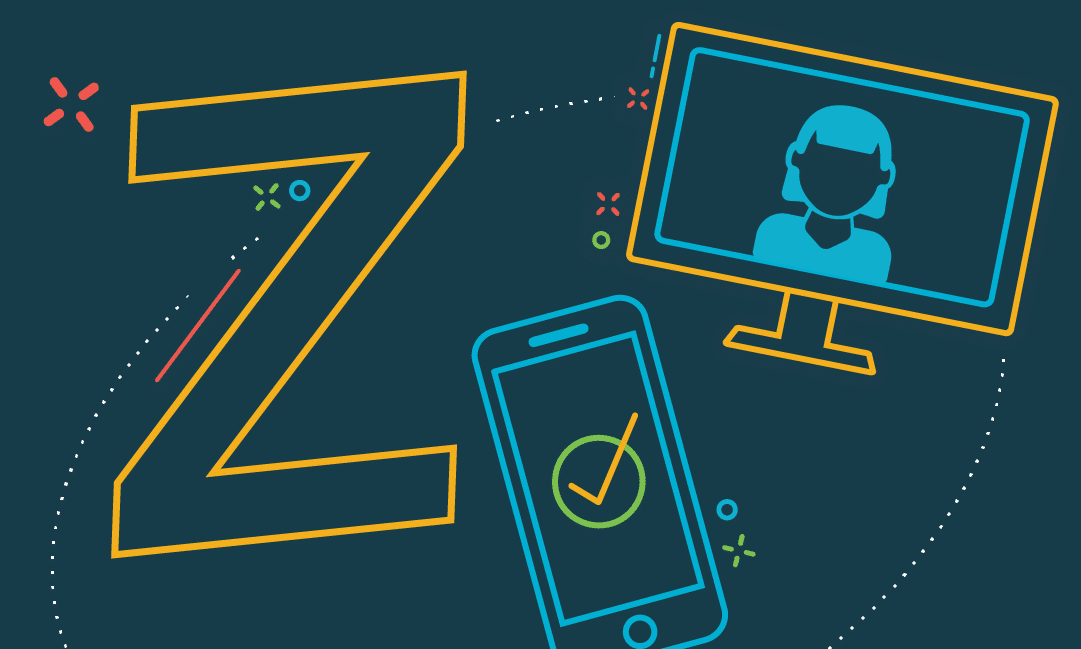
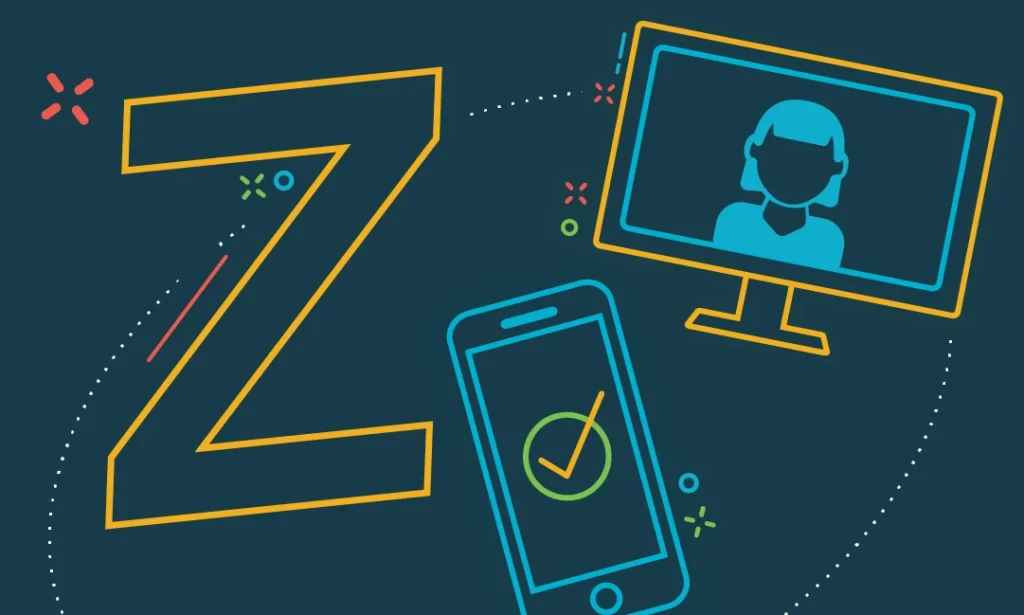
- Researching Potential Employers: A standout career page is paramount. It serves as a digital storefront for the employer brand, allowing candidates to easily learn about the company culture, values, and available positions.
- Attending Career Fairs: Recruitment events software has revolutionized this experience, enabling students to quickly check in, share digital resumes, and receive timely follow-ups from employers, moving away from cumbersome paper-based systems.
- Applying for Jobs: Mobile-friendly job board software simplifies the application process, allowing Gen Z candidates to apply seamlessly from any device, anywhere, reflecting their on-the-go lifestyle.
- Scheduling Screenings and Interviews: Interview scheduling software drastically reduces the administrative burden and time-consuming back-and-forth, accelerating candidates through the pipeline and meeting Gen Z’s demand for speed.
- Completing Screenings and Interviews: Video interviews offer unparalleled flexibility, allowing Gen Zers to connect at times convenient for them, while still providing the face-to-face interaction they value without geographical constraints.
- Waiting to Hear Back: Candidate engagement platforms are crucial for maintaining interest. Automated yet customized email and text communications keep candidates informed and engaged, while integrated candidate evaluation solutions help employers make faster, data-driven decisions.
Beyond the Offer: What Gen Z Seeks in the Workplace
The aspirations of Generation Z extend far beyond the initial job offer, dictating the terms of their engagement and long-term commitment. When asked to rank their top three priorities for accepting a job, salary, work-life balance, and specific job duties/projects consistently emerge at the forefront. This pragmatic approach signifies a generation that values tangible rewards and a clear understanding of their daily contributions.
Work-Life Balance and Flexibility: Gen Z strongly prioritizes a flexible work environment that allows for adjusting schedules and remote work options, enabling a better balance between personal and professional responsibilities. This is not merely a perk but an expectation, reflecting their desire for autonomy and well-being. The COVID-19 pandemic further solidified this expectation, demonstrating the feasibility and benefits of hybrid and remote models.
Comprehensive Benefits: Beyond competitive salaries, Gen Z seeks robust benefits packages. While strong medical coverage, paid time off, and retirement plans (the "Big 3") are considered baseline, they place significant value on benefits such as generous vacation packages, comprehensive parental leave policies (both maternity and paternity), student loan repayment assistance, and tuition reimbursement. These benefits address pressing financial and personal concerns, offering a holistic support system.
Meaningful Work and Impact: Gen Z is not content with merely "a job"; they seek meaningful work that allows them to solve problems and make a tangible impact. Providing opportunities for engagement in projects that align with their values, fostering a sense of purpose, and demonstrating how their work contributes to broader organizational goals are crucial for their motivation and retention.
Management and Retention Strategies: Managing Generation Z effectively requires an evolution in leadership styles. They thrive on consistent feedback, often preferring daily check-ins rather than annual reviews. This desire for continuous guidance stems from their upbringing with instant feedback loops from digital interactions. Furthermore, job mobility is a top priority; more than half of Gen Z admits they intend to look for a new job within three years. To counter this, organizations must prioritize continuous learning and development, offering clear pathways for skill acquisition and career advancement. Mentorship programs, stretch assignments, and access to modern training platforms can be instrumental in keeping Gen Z engaged and motivated.
The Imperative of Diversity, Equity, and Inclusion
Generation Z is widely recognized as the most diverse and best-educated generation to date, and their expectations for diversity, equity, and inclusion (DEI) in the workplace are non-negotiable. They actively seek socially conscious employers who demonstrate a genuine commitment to diversity in all its forms.
When considering an ideal workplace, Gen Z places high importance on various types of diversity, including racial and ethnic diversity, gender diversity, LGBTQ+ representation, and diversity of thought. They expect organizations to not only talk about DEI but to implement concrete initiatives that support it. These include:
- Pay Equity: Ensuring fair compensation regardless of background.
- Inclusive Leadership: Representation of diverse individuals in leadership positions.
- Mental Health Support: Comprehensive programs addressing mental well-being, acknowledging the heightened anxiety levels within their generation.
- Anti-discrimination Policies: Robust policies that are actively enforced.
- Flexible Work Arrangements: Policies that accommodate diverse needs and lifestyles.
For Gen Z, a commitment to DEI is intrinsically linked to an organization’s authenticity and ethical standing. Employers who fail to demonstrate genuine efforts in this area will struggle to attract and retain this value-driven cohort, impacting their employer brand and long-term talent pipeline.
Implications for Employers and the Future of Work
The entry of Generation Z into the workforce is not merely a demographic shift; it is a catalyst accelerating fundamental changes in the nature of work itself. Faced with a persistent global talent shortage, employers find themselves in an increasingly competitive landscape where Gen Z’s demands hold significant sway.
Organizations must cultivate agile and responsive HR strategies that prioritize the candidate experience from initial contact through long-term career development. This involves a continuous investment in recruitment technology, fostering cultures of transparency and authenticity, and empowering managers with the skills to provide consistent feedback and growth opportunities.
The influence of Gen Z will continue to reshape organizational cultures, pushing for greater emphasis on purpose-driven work, employee well-being, and social responsibility. The traditional employer-employee power dynamic is shifting, with candidates, particularly from Gen Z, expecting a more equitable relationship that respects their values, time, and aspirations. Companies that embrace these changes, adapting their strategies to meet the unique expectations of Generation Z, will be best positioned to attract, retain, and harness the immense potential of this transformative generation, ensuring their relevance and success in the evolving future of work.