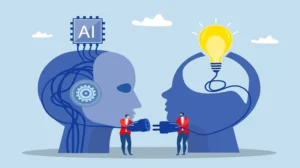
The landscape of professional environments has undergone a seismic shift, fundamentally altering the conditions necessary for effective teamwork and organizational success. In this new paradigm, the absence of robust connections among colleagues and between leaders and their teams is no longer a minor inconvenience but a critical impediment, preventing capable leaders from executing initiatives efficiently and thwarting the collective performance upon which organizations depend. This pervasive disconnect, often overlooked amidst the drive for digital transformation and agile methodologies, is exacting a significant toll, demanding a strategic recalibration of how businesses foster human interaction and build the foundational relationships that underpin all successful endeavors.
The statistics paint a stark picture of this growing chasm. A staggering 80% of employees globally report being disengaged at work, a statistic with profound economic consequences, estimated to cost the global economy a colossal $10 trillion in lost productivity, according to Gallup’s comprehensive "State of the Global Workplace" report. This widespread disengagement is not merely a symptom of individual dissatisfaction; it is a systemic issue that erodes innovation, hampers problem-solving, and ultimately stifles an organization’s ability to adapt and thrive in an increasingly complex world. The research, sourced from reputable organizations like Gallup and the American Management Association, underscores a critical truth: the human element, often sidelined in favor of technological solutions, is proving to be the linchpin of sustained organizational health.
Further compounding this challenge is the nature of modern leadership. The American Management Association highlights that a substantial 69% of leaders spend more than half of their time influencing others without direct authority. This reliance on persuasion, collaboration, and informal networks underscores the paramount importance of strong interpersonal connections. When these connections are weak or fractured, leaders find themselves navigating a landscape of resistance and inertia, struggling to garner buy-in and mobilize their teams effectively. The ability to build rapport, foster trust, and communicate with empathy becomes not just a desirable leadership trait but an essential survival skill in today’s matrixed and often dispersed organizational structures.
The data also reveals a disturbing deficit in fundamental human acknowledgment. A mere 4 in 10 employees strongly agree that someone at work genuinely cares about them as an individual, a finding from Gallup’s Q12 Employee Engagement survey. This lack of personal connection can leave employees feeling like interchangeable cogs in a machine, diminishing their sense of purpose and commitment. In an era where employees increasingly seek meaning and belonging in their professional lives, this emotional void can be a powerful driver of attrition and a significant drag on morale and discretionary effort.
The Erosion of Connection: A Growing Crisis
The current workplace environment, characterized by persistent ambiguity and rapid change, has placed an unprecedented strain on how individuals collaborate and function as a cohesive unit. This strain manifests acutely in the realms of execution and alignment, two critical pillars of organizational success. When individuals operate in silos, unable to effectively share information, coordinate efforts, or understand the broader organizational objectives, the ripple effect is detrimental. Projects falter, deadlines are missed, and strategic goals become elusive mirages.
The underlying cause, experts suggest, is a foundational deficiency in the human infrastructure of organizations. The most effective development initiatives, those that truly drive performance, are those that focus on building this human foundation – the intricate web of relationships, trust, and mutual understanding that enables leadership to flourish organically, rather than being solely dictated by hierarchical structures. This is not about superficial team-building exercises; it is about cultivating a culture where genuine connection is prioritized, nurtured, and integrated into the daily fabric of work.
Understanding the Root Causes: Identifying Organizational Pain Points
To effectively address the crisis of disconnection, organizations must first understand the specific manifestations of this issue within their own structures. By identifying the challenges that resonate most acutely, leaders can begin to tailor their strategies for strengthening connection.
- The Disconnect Between Individual Contribution and Organizational Goals: Employees often struggle to see how their daily tasks contribute to the larger mission. This lack of clarity, exacerbated by poor communication and a lack of personal investment, leads to a feeling of detachment and reduced motivation. When individuals feel their work is meaningless or disconnected from a larger purpose, their engagement plummets.
- The Erosion of Trust and Psychological Safety: In environments where connection is weak, trust often erodes. Employees may be hesitant to voice concerns, share innovative ideas, or admit mistakes for fear of negative repercussions. This lack of psychological safety stifles creativity and problem-solving, forcing teams to operate with a constant undercurrent of anxiety rather than open collaboration.
- The Rise of Siloed Operations and Information Hoarding: When teams or departments lack strong connections, they tend to operate in isolation. This leads to duplication of effort, missed opportunities for synergy, and a fragmented understanding of the organization’s overall landscape. Information becomes a guarded commodity rather than a shared resource, hindering collective intelligence and strategic agility.
- The Ineffectiveness of Remote and Hybrid Work Models Without Strong Connections: While flexible work arrangements offer numerous benefits, they can also amplify existing disconnection if not managed proactively. Without intentional efforts to foster social bonds and maintain open lines of communication, remote and hybrid teams risk becoming more fragmented and less cohesive than their in-office counterparts. This can lead to a sense of isolation and a decline in collaborative spirit.
- The Struggle for Influence Without Authority: As evidenced by the AMA statistics, leaders are increasingly tasked with influencing stakeholders over whom they have no direct reporting line. This requires a sophisticated understanding of interpersonal dynamics, the ability to build consensus, and the cultivation of strong relationships based on mutual respect and credibility. Without these connections, their efforts to drive change and achieve objectives can be severely hampered.
The Transformative Power of Connection: A Strategic Imperative
The solution lies not in more sophisticated technology or complex organizational charts, but in a fundamental re-emphasis on the human element. Strengthening connection at work is not merely a "nice-to-have" initiative; it is a strategic imperative that directly impacts an organization’s ability to execute, innovate, and thrive.
Harnessing the Research: A Deeper Dive into Connection at Work
The comprehensive research available on the topic offers a roadmap for organizations seeking to build this crucial human foundation. A deeper exploration of these findings reveals actionable insights and practical frameworks for fostering a more connected and engaged workforce.
- The Role of Empathetic Leadership: Leaders who demonstrate genuine empathy – understanding and sharing the feelings of others – are instrumental in building connection. This involves active listening, acknowledging individual contributions, and showing sincere concern for employee well-being. This fosters a sense of being valued and understood, which is a powerful antidote to disengagement.
- Cultivating a Culture of Belonging: Organizations must actively work to create an environment where everyone feels welcome, respected, and valued for their unique contributions. This involves promoting diversity and inclusion, encouraging open dialogue, and ensuring that all employees have opportunities to connect with colleagues across different teams and levels.
- Facilitating Meaningful Interactions: Beyond formal meetings, creating opportunities for informal interaction and relationship building is crucial. This can include social events, cross-functional project teams, mentorship programs, and even dedicated "water cooler" channels in virtual environments. These interactions allow for the development of personal bonds that strengthen professional relationships.
- The Power of Shared Purpose and Vision: When employees understand and connect with the organization’s mission and values, they are more likely to feel a sense of shared purpose. Leaders play a vital role in articulating this vision clearly and consistently, demonstrating how individual contributions align with the collective goals.
- Leveraging Technology to Enhance, Not Replace, Connection: While technology can facilitate communication, it should not be seen as a substitute for genuine human interaction. Instead, it should be leveraged to support and enhance connection. This might involve using collaboration tools that encourage open dialogue, virtual platforms that facilitate informal social gatherings, or communication strategies that prioritize clarity and empathy.
Expert Insights: Navigating the Human-AI Frontier
The advent of artificial intelligence presents a unique inflection point for the conversation around workplace connection. While AI promises unprecedented efficiency and analytical capabilities, it also raises questions about the future of human interaction in professional settings. As highlighted in expert discussions, the prevailing narrative often suggests that as AI takes on more routine tasks, uniquely human qualities like empathy, creativity, and connection will become even more critical.
However, the employee experience often paints a different picture. There is a palpable tension between the drive for increased efficiency through AI and the observed decline in human connection. This is not necessarily an indictment of AI itself, but rather a reflection of how its implementation can inadvertently exacerbate existing structural gaps in human interaction if not carefully managed. The challenge, therefore, is not to resist technological advancement, but to ensure that it serves to augment, rather than diminish, the essential human connections that drive organizational success.
A recent webinar, "How Organizations & Leaders Can Build the Human Connections AI Can’t Replace," delved into this critical issue. Experts emphasized that while AI conversations may promise a future where human qualities are more valued, the current reality is often characterized by a push towards greater efficiency at the expense of connection, faster coordination at the cost of weaker alignment. This disconnect is not simply a cultural byproduct; it is a structural issue that requires deliberate and strategic intervention. The gap between the promise of AI and the lived experience of employees points to a fundamental need to re-center human connection as a core organizational priority, ensuring that technological advancements complement, rather than undermine, the human fabric of the workplace.
Implications for the Future of Work
The implications of failing to address the erosion of workplace connection are far-reaching. Organizations that neglect this critical aspect risk:
- Decreased Innovation and Creativity: A lack of trust and open communication stifles the free exchange of ideas, leading to a decline in innovative thinking.
- Higher Employee Turnover: Employees who feel disconnected and undervalued are more likely to seek opportunities elsewhere, leading to increased recruitment and training costs.
- Reduced Productivity and Performance: Disengaged employees are less motivated and less productive, directly impacting the bottom line.
- Difficulty in Attracting and Retaining Top Talent: In a competitive job market, organizations that can demonstrate a strong culture of connection and employee well-being will have a significant advantage.
- Failure to Adapt to Change: A fragmented workforce is less agile and less capable of responding effectively to market shifts and unexpected challenges.
In conclusion, the contemporary workplace demands a fundamental re-evaluation of how organizations foster and maintain human connection. The evidence is clear: without robust relationships, trust, and a sense of belonging, the potential for effective leadership and collective performance remains unrealized. By understanding the challenges, embracing the research, and strategically investing in the human foundation of their organizations, businesses can navigate this critical juncture and build resilient, engaged, and high-performing teams for the future. The conversation around AI and the future of work underscores this point with urgency: as technology advances, the uniquely human capacity for connection becomes not a secondary consideration, but the very bedrock of sustained organizational success.