
July presents a rich tapestry of opportunities for organizations to foster stronger company culture, enhance employee engagement, and build a vibrant community. As the summer season reaches its stride, businesses have a wealth of observances and celebrations to leverage, from professional recognitions to culinary delights and spotlights on special interests. This guide offers a detailed look at July’s key dates, providing context, potential implications, and actionable insights for HR professionals and business leaders seeking to make their workplaces more inclusive and engaging.
Professional Celebrations: Advancing Inclusivity and Recognizing Essential Services
July is marked by significant observances that underscore the importance of diversity, equity, and inclusion, alongside days dedicated to recognizing the vital contributions of various professional groups.
LGBTQIA+ Pride Month: Beyond Visibility, Embracing Joy and Belonging
While June is widely recognized as LGBTQIA+ Pride Month in the United States, its impact and relevance extend throughout the year, including into July. The ongoing pursuit of equality and acceptance for LGBTQIA+ individuals means that this observance carries profound importance. Organizations have a critical role to play in ensuring that all employees feel a genuine sense of belonging and are valued for their authentic selves. Pride is not merely about outward displays of acceptance or increased visibility; at its core, it is an affirmation of joy and a celebration of identity.
The significance of Pride Month is rooted in the Stonewall Uprising of June 1969, a series of spontaneous demonstrations by members of the LGBTQ+ community against a police raid that occurred in the early morning hours of June 28, 1969, at the Stonewall Inn in New York City. This watershed moment is widely considered to be the catalyst for the modern LGBTQ+ rights movement in the United States.
For businesses, acknowledging and actively supporting LGBTQIA+ Pride throughout July offers a powerful message of solidarity. This can manifest through internal communications, employee resource group (ERG) activities, educational initiatives about LGBTQIA+ history and current issues, and visible support for LGBTQIA+ organizations. Data consistently shows that inclusive workplaces lead to higher employee retention and improved morale. A 2020 report by McKinsey & Company found that companies in the top quartile for ethnic and cultural diversity on executive teams were 36% more likely to have above-average profitability than companies in the fourth quartile. While this specific data point focuses on ethnic diversity, the underlying principle of the benefits of diversity and inclusion extends to all dimensions, including sexual orientation and gender identity.
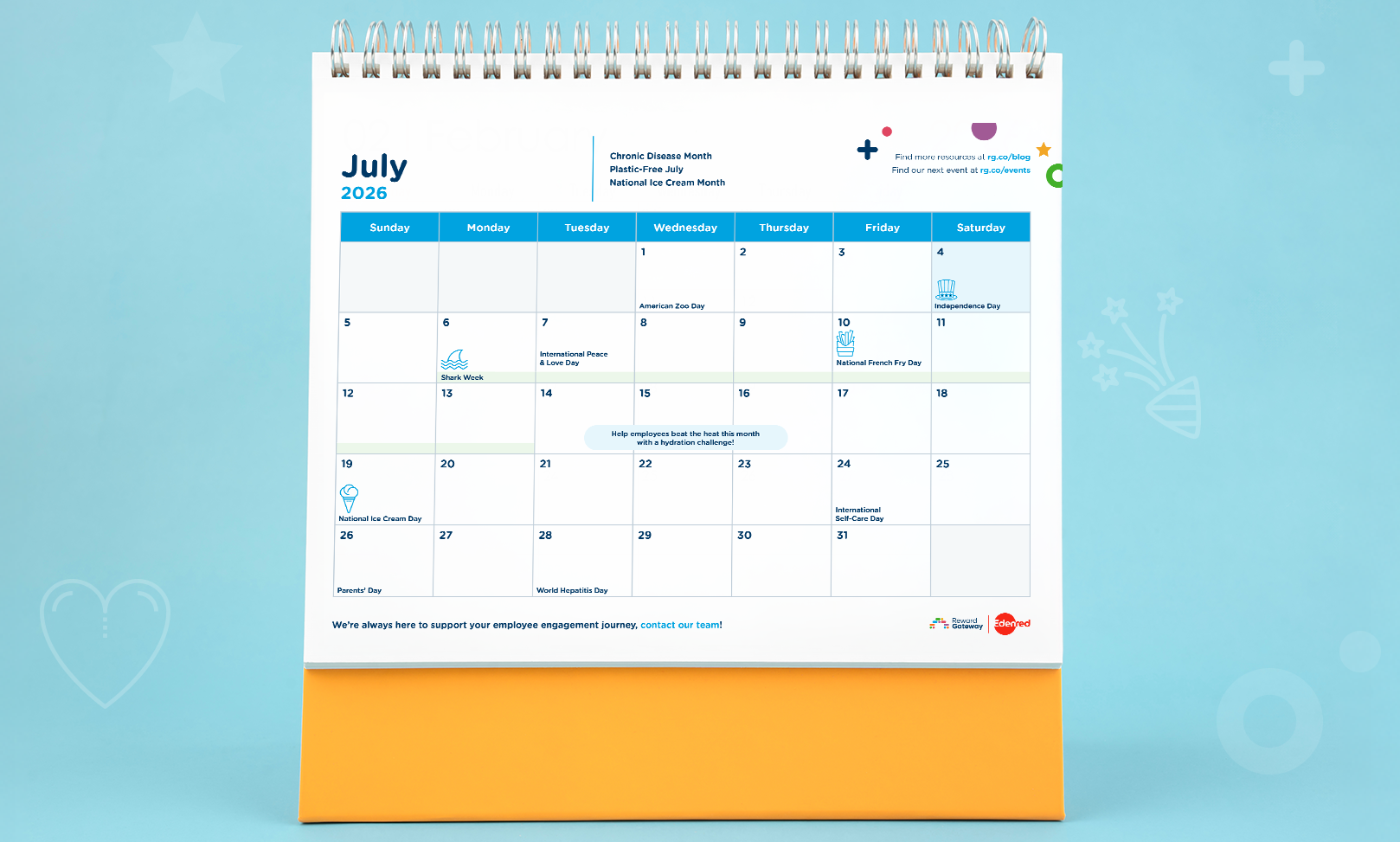
Key Dates for Professional Recognition in July:
-
July 1: National Postal Worker Day & National Postage Stamp Day
The postal service has a long and storied history, dating back to ancient civilizations. In Egypt, postal services were established as early as 2400 BCE. Over millennia, a continuous stream of cultural and technological advancements has shaped postal services into the indispensable infrastructure we rely on today. For businesses that engage in shipping, particularly those utilizing the United States Postal Service (USPS), this day offers a tangible opportunity to acknowledge the dedication and hard work of postal employees. This could involve a simple thank you to local postal carriers, or an internal message highlighting the importance of this service to the company’s operations. The USPS itself is a significant economic engine, employing hundreds of thousands of individuals and playing a crucial role in connecting communities and facilitating commerce. -
July 4: Independence Day (United States)
A major federal holiday in the United States, Independence Day commemorates the adoption of the Declaration of Independence on July 4, 1776. This day is a time for national celebration, reflection on the nation’s founding principles, and often, a break for employees. Companies typically offer this day as a paid holiday, allowing employees to spend time with family and friends, participate in community events, or enjoy personal time. -
July 17: World Day for International Justice
This day is dedicated to promoting international justice and supporting the work of the International Criminal Court (ICC). It commemorates the adoption of the Rome Statute in 1998, the foundational treaty that established the ICC. The World Day for International Justice serves as a call to action for national governments to uphold accountability, combat impunity for the most serious international crimes, and strengthen the international justice system. For organizations with a global presence or those involved in international affairs, this day offers a platform to discuss the importance of global legal frameworks and human rights. It can be an opportunity to engage employees in discussions about corporate social responsibility and the role of law in maintaining peace and security. -
July 26: Disability Independence Day
This significant day celebrates the signing of the Americans with Disabilities Act (ADA) on July 26, 1990. The ADA is a landmark civil rights law that prohibits discrimination based on disability and ensures equal opportunities for individuals with disabilities in all areas of public life, including employment, transportation, public accommodations, and communications. Recognizing Disability Independence Day is crucial for fostering an inclusive workplace culture. It’s an opportunity to review and reinforce the organization’s commitment to accessibility, reasonable accommodations, and creating an environment where employees with disabilities can thrive. Companies can use this day to highlight internal accessibility initiatives, provide training on disability awareness, and showcase the valuable contributions of employees with disabilities. According to the Centers for Disease Control and Prevention (CDC), approximately one in four adults in the United States has a disability. Ensuring these individuals have equitable opportunities is not only a legal and ethical imperative but also a strategic advantage, tapping into a broad talent pool. -
July 28: World Nature Conservation Day
Established to raise awareness about the critical importance of protecting natural resources, World Nature Conservation Day encourages individuals and organizations to adopt sustainable practices. In a corporate context, this day can inspire initiatives focused on environmental responsibility, such as reducing waste, conserving energy, promoting recycling programs, or organizing nature-focused team-building activities. Many companies are increasingly integrating sustainability into their core business strategies, recognizing its impact on brand reputation, operational efficiency, and long-term viability. -
July 30: National Intern Day
National Intern Day is a dedicated celebration of the valuable contributions of interns to organizations. Internships provide a vital bridge between academic learning and professional experience, offering emerging talent hands-on training and exposure to the corporate world. For companies, recognizing interns fosters a positive learning environment, encourages mentorship, and can be a crucial step in identifying and recruiting future full-time employees. Data from the National Association of Colleges and Employers (NACE) often shows that interns have a higher conversion rate to full-time hires, highlighting the strategic importance of effective internship programs.
-
July 31: National System Administrators Appreciation Day
Often working behind the scenes, system administrators are the backbone of an organization’s technological infrastructure. They ensure that computer systems, networks, and servers run smoothly and securely. National System Administrators Appreciation Day is an opportunity to formally recognize their essential role in keeping the business operational. Acknowledging their expertise and dedication can significantly boost morale within the IT department and underscore their importance to the entire organization. This is a prime example of a "behind-the-scenes" role that deserves public recognition for its critical impact on productivity and business continuity.
Culinary Celebrations: Flavorful Opportunities for Team Bonding
July is a month brimming with opportunities for lighthearted, food-centric events that can serve as excellent catalysts for employee connection and morale building.
Month-Long Feasts: Picnic Month, National Hot Dog Month, and Berry Month
Three distinct month-long celebrations offer a trifecta of reasons to gather and enjoy. Picnic Month, National Hot Dog Month, and Berry Month combine to create a perfect synergy for hosting company picnics, barbecues, or themed culinary events. These occasions provide a relaxed and informal setting for employees to interact outside of their usual work roles, fostering camaraderie and strengthening interpersonal relationships.
These events are ideal for lightweight culture-building. Activities can range from casual team-building games and friendly competitions to opportunities for cross-team skill sharing or even community volunteering initiatives integrated into the picnic. The informal nature of these gatherings makes them accessible and enjoyable for a wide range of employees, contributing to a more inclusive and connected workplace.
National Hot Dog Month, in particular, often includes National Hot Dog Day (typically the third Wednesday in July, though specific dates can vary). This provides a focal point for a themed event. The popularity of hot dogs as a casual, crowd-pleasing food makes it an easy and effective choice for company outings.
The benefits of such events extend beyond immediate enjoyment. They can:

- Boost Morale: A shared positive experience can significantly improve employee spirits.
- Enhance Teamwork: Informal settings can break down communication barriers and encourage collaboration.
- Improve Retention: Employees who feel valued and connected are more likely to stay with an organization.
- Foster a Sense of Community: Shared experiences build a stronger organizational identity.
Spotlighting Special Interests: Engaging Employees Through Diverse Passions
July offers a multitude of smaller, yet impactful, dates that can be leveraged to celebrate the diverse interests and personalities within your workforce. These occasions provide an accessible and often inexpensive way to show appreciation and create moments of connection.
By customizing communications to align with specific interests or leaning into lighthearted themes, organizations can give employees reasons to connect, smile, and feel recognized for who they are. The principle that "people remember how we make them feel" is paramount here. Making employees feel appreciated for their unique selves is a powerful driver of engagement and loyalty.
While specific dates for "special interests" can be highly varied and often niche, the overarching strategy is to identify and celebrate what matters to your people. This could include:
- Creative Pursuits: Days dedicated to arts, crafts, or hobbies.
- Wellness and Self-Care: Observances promoting mental or physical well-being.
- Specific Hobbies or Fandoms: Recognizing popular interests like gaming, literature, or film.
The key is to approach these celebrations with authenticity and a genuine desire to connect with employees on a personal level. Small gestures, such as a themed Slack channel, a casual office gathering, or a company-wide message highlighting the observance, can go a long way in making employees feel seen and valued.
Conclusion: Strategic Engagement Through Observance
July’s calendar provides a robust framework for organizations committed to cultivating a positive and engaging workplace culture. By thoughtfully integrating professional celebrations, culinary events, and spotlights on diverse interests, companies can demonstrably strengthen their internal community, foster a sense of belonging, and boost overall employee morale. Proactive planning, utilizing these dates as strategic touchpoints for engagement, is not merely about marking calendars; it’s about investing in the human capital that drives organizational success. Embracing these opportunities allows businesses to create a more inclusive, connected, and ultimately, a better place to work for everyone.