Giving employees more control over the artwork displayed in their workplace could significantly improve their psychological wellbeing, job satisfaction, and overall engagement, according to a comprehensive systematic review conducted by researchers at the University of Roehampton. Published in the esteemed journal Psychology of Aesthetics, Creativity, and the Arts, the review synthesizes existing evidence to highlight the profound impact that visual office art can have on the employee experience, with the most substantial benefits emerging when individuals are empowered to select or arrange these artistic elements themselves.
The groundbreaking research, led by Professor Mick Cooper and Maritina Peristeri from the University of Roehampton’s School of Psychology, meticulously examined over 900 published papers pertaining to workplace art. However, the rigorous inclusion criteria meant that only eight papers, encompassing ten individual studies with a collective participant pool of approximately 1,220 individuals, met the threshold for detailed analysis. This relatively limited number of high-quality studies underscores the nascent, yet promising, nature of research in this specific domain.
Despite the constraints on the volume of definitive studies, the review consistently demonstrated that the presence of visual art in professional environments can foster greater psychological comfort, elevate job satisfaction, and enhance workplace engagement. Furthermore, the integration of art was found to contribute to the strengthening of social bonds and interpersonal relationships among colleagues, creating a more cohesive and collaborative atmosphere.
The Crucial Role of Employee Agency
Perhaps the most compelling finding of the review centers on the paramount importance of employee agency in the context of workplace art. Two randomized office studies included in the analysis provided particularly strong evidence: participants who were granted the autonomy to choose or arrange artwork within their personal workspaces reported demonstrably higher levels of psychological comfort and significantly greater job satisfaction. These individuals also exhibited better work-related outcomes compared to their counterparts whose artwork was pre-selected for them. Crucially, these positive improvements experienced by the empowered group began to diminish when their control over the artwork was subsequently withdrawn, reinforcing the notion that personal choice is a key driver of these benefits.
The review also suggests that thoughtfully curated artwork can play a vital role in transforming sterile or impersonal offices into more welcoming and inviting spaces. Beyond aesthetics, art can serve as a catalyst for organic conversations between colleagues, bridging gaps and fostering a deeper sense of community and belonging within the organization.
Four Pillars of Impact: How Art Transforms Workplaces
The researchers identified four overarching areas where workplace art can exert a positive influence:
- Improving Work-Related Outcomes: This encompasses tangible benefits such as increased job satisfaction, heightened engagement with tasks and the organization, and a perceived boost in productivity. When employees feel their environment is more stimulating and personalized, their motivation and commitment are likely to rise.
- Enhancing Psychological Comfort: Art can create a more pleasant and less stressful atmosphere, contributing to a general sense of ease and well-being. This can translate into reduced feelings of anxiety and a more positive mental state throughout the workday.
- Reducing Stress and Psychological Distress: In specific settings, the presence of art has been linked to a reduction in stress levels and other forms of psychological discomfort. This is particularly relevant in high-pressure industries where employees may face significant daily challenges.
- Increasing Social Interaction: Art can act as a natural conversation starter, encouraging colleagues to engage with each other, share perspectives, and build stronger professional relationships. This can lead to improved teamwork and a more supportive organizational culture.
The Calming Influence of Nature-Based Imagery
Intriguingly, the review uncovered preliminary evidence suggesting that nature-based imagery, including landscapes and photographs of outdoor environments, may possess a particularly potent ability to reduce stress. One notable study within the review indicated that both natural imagery and artwork that blended natural and abstract elements were associated with lower reported levels of stress and anger among male participants. This finding aligns with broader research into biophilia, the innate human tendency to connect with nature, suggesting that bringing elements of the natural world into the office, even through art, can have restorative effects.
Expert Commentary: A Simple Yet Powerful Tool
Lead author Professor Mick Cooper emphasized the significance of these findings in the context of modern work life. "Work can be one of the biggest sources of stress in many people’s lives, so it’s important that we understand everything that can support psychological wellbeing at work," he stated. "We’re not suggesting that artwork is a solution to workplace stress on its own. However, alongside other measures that support staff wellbeing, the evidence suggests it is a relatively simple way of contributing to healthier and more positive workplace environments."
Professor Cooper’s remarks highlight a crucial nuance: art is not a panacea for workplace ills but rather a complementary strategy within a broader framework of employee support. The research advocates for a shift in perspective, moving away from viewing workplace art solely as a decorative afterthought and towards recognizing its potential as a strategic tool for enhancing the employee experience.
The Path Forward: A Call for Further Research
The researchers strongly advocate for a more inclusive approach to workplace art, where employee involvement in decision-making processes is prioritized. They posit that the method of art selection and placement may be as influential as the artwork itself.
However, the authors are also keen to temper expectations, acknowledging that the evidence base, while encouraging, remains limited. The review identified promising findings across a spectrum of psychological and organizational outcomes, but it also underscored the scarcity of robust, large-scale studies conducted within active, functioning workplaces. Consequently, the researchers call for more comprehensive and rigorous research to be undertaken before definitive conclusions can be firmly established. This future research should aim to address the methodological limitations of existing studies and explore a wider range of artistic mediums and workplace contexts.
Historical Context and Broader Implications
The concept of art in the workplace is not new, but its intentional application for employee wellbeing is a more recent development. Historically, art in offices was often chosen by a select few, typically senior management, to project an image of sophistication or wealth. The University of Roehampton study represents a significant pivot, placing employee needs and preferences at the forefront.
The implications of this research extend beyond individual employee satisfaction. Organizations that proactively invest in creating aesthetically pleasing and psychologically supportive work environments may find themselves reaping broader organizational benefits. These could include higher employee retention rates, reduced absenteeism due to stress-related illnesses, enhanced creativity and innovation stemming from a more positive mindset, and a stronger employer brand that attracts top talent.
In an era where employee wellbeing is increasingly recognized as a critical factor in organizational success, this research provides compelling evidence that simple, yet impactful, interventions like thoughtful and participatory art curation can contribute significantly to building healthier, happier, and more productive workplaces. As businesses continue to navigate the evolving landscape of work, embracing the power of art, and more importantly, the power of employee choice, could be a strategic move towards fostering a more human-centered and thriving organizational culture.
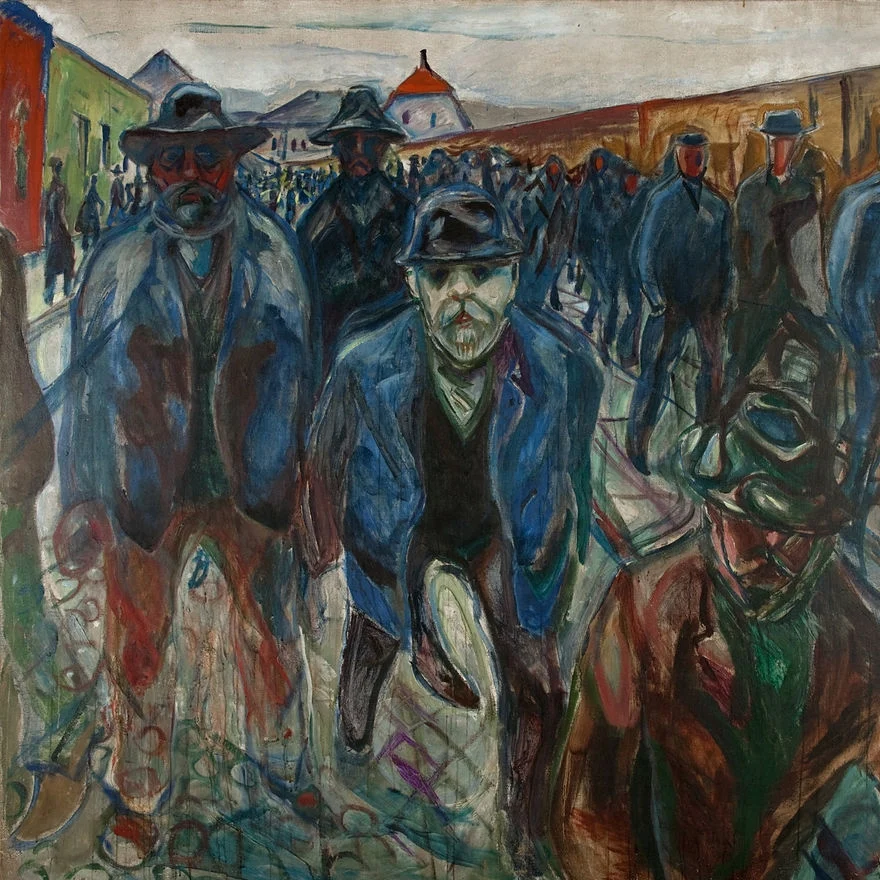
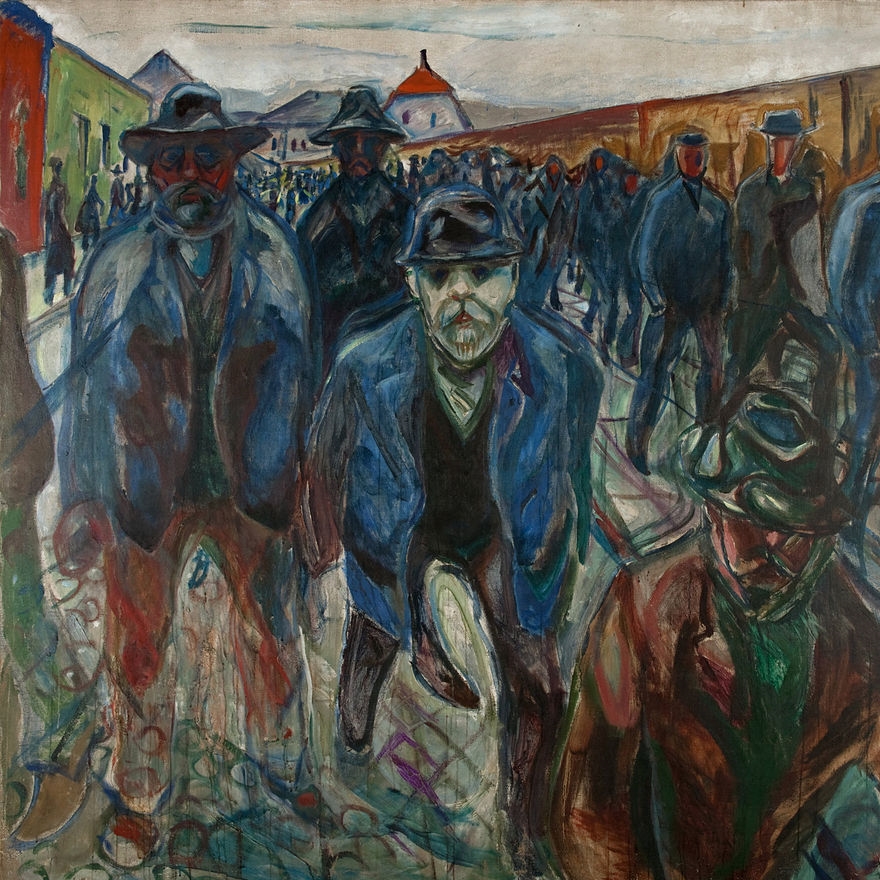
Main image: Edvard Munch, Workers on their Way Home, Public domain, via Wikimedia Commons