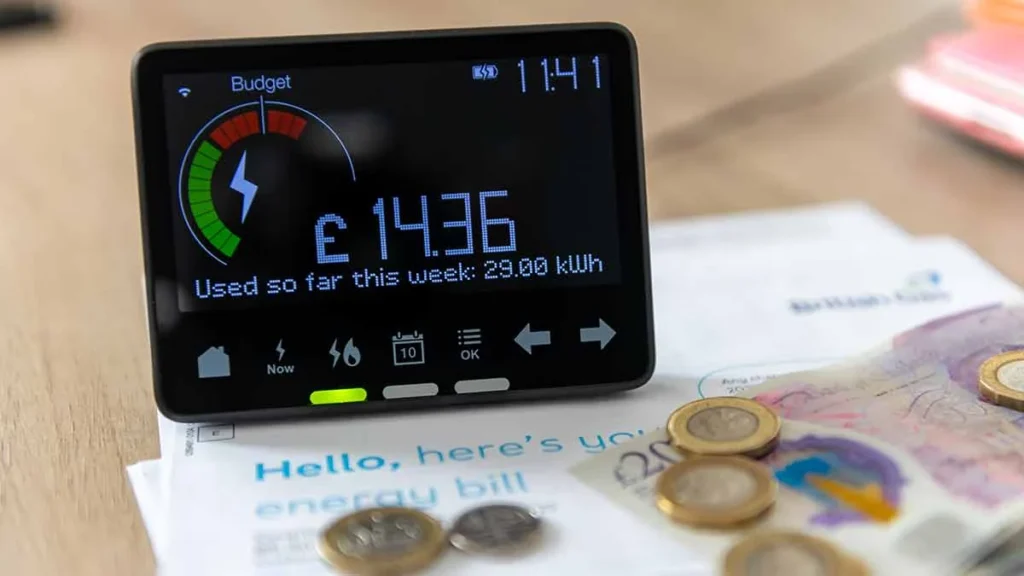
The survey further revealed a concerning trend: 64% of employees in this demographic indicated they would consider leaving their current company if their employer failed to increase salaries. This statistic serves as a potent warning for businesses struggling to meet wage demands amidst broader economic uncertainties. The urgency of the situation is underscored by the recent energy price cap adjustments, which saw average annual household energy bills jump by £221, pushing the total to nearly £1,900. This substantial increase has placed unprecedented strain on disposable incomes, making direct financial support an escalating priority for a significant portion of the workforce.
The Intensifying Cost-of-Living Crisis and Its Impact on Workforce Expectations
The current economic climate, characterised by persistent inflation and stagnant real wage growth, has created a formidable challenge for individuals and businesses alike. While headline inflation rates in the United Kingdom have shown signs of moderation from their peak, they continue to outpace the average wage increases offered by many employers. This discrepancy effectively translates into a real-terms pay cut for many, eroding purchasing power and forcing households to make difficult financial choices.
For younger workers, defined in the Zest study as those aged 18 to 34, these pressures are particularly acute. This demographic often grapples with higher student loan debt, less accumulated savings, and the ambition of entering the housing market, making them inherently more vulnerable to economic shocks. The expectation that nearly half will not receive a pay rise this year, coupled with 55% not anticipating a bonus, suggests a pervasive sense of financial precarity. This sentiment is not merely an abstract concern but translates into tangible stress, impacting mental wellbeing, productivity, and overall job satisfaction.
The Escalating Energy Bill Burden: A Chronology of Challenges
The energy crisis has been a defining feature of the UK’s economic landscape since the early 2020s. Following the global economic disruptions of the pandemic and subsequent geopolitical events, particularly the conflict in Eastern Europe, wholesale gas and electricity prices surged to unprecedented levels. In response, the energy regulator Ofgem implemented and frequently adjusted the energy price cap, a mechanism designed to protect consumers from the full volatility of the wholesale market by setting a maximum unit price for gas and electricity.
Initially introduced to ensure fair pricing, the cap became a barometer of the cost-of-living crisis. While it shielded consumers from extreme market swings, successive adjustments have seen household bills climb dramatically. The recent £221 increase, pushing average annual bills to £1,900, represents a significant proportion of a household’s monthly expenditure, especially for those on modest incomes. For many, this translates to hundreds of pounds annually that must be diverted from other essential spending, savings, or leisure activities, thereby tightening household budgets to their absolute limit. The timeline of these price cap adjustments reveals a consistent upward trajectory, with temporary government support schemes often struggling to fully offset the underlying increases, leaving individuals to bear a substantial portion of the financial burden.
The Pivotal Role of Employee Benefits in Talent Retention
The Zest research emphatically underscores a fundamental shift in employee priorities: benefit packages are now being "increasingly prioritised by employees." A substantial 69% of respondents stated that the prevailing economic climate has made benefits more important to them than ever before. This is not merely a preference but a strategic consideration for employees, with 59% openly admitting they would consider leaving their current position if another company offered a more attractive benefits package. This statistic highlights a burgeoning "benefits arms race" among employers, where a compelling benefits offering can be as crucial as salary in attracting and retaining top talent.
However, the study also exposed a significant chasm between employee expectations and current employer provisions. A concerning 53% of respondents believe their existing benefits package is inadequate, and a resounding 74% expressed a desire for their employer to invest more substantially in their benefits offering. This disconnect suggests that many companies are failing to meet the evolving needs of their workforce, potentially due to outdated strategies, insufficient budget allocation, or a lack of understanding regarding what truly resonates with employees in the current climate. Furthermore, the finding that only half (54%) of younger employees utilise the full range of benefits available to them points to potential issues with communication, accessibility, or the relevance of the benefits themselves. Employers might be offering benefits that, while well-intentioned, do not address the most pressing concerns of their staff, leading to underutilisation and perceived inadequacy.

Direct Financial Support: A New Cornerstone of Employee Wellbeing
In this environment, direct financial support has emerged as a paramount concern. The Zest report specifically identifies employer contributions to energy bills as one of the most popular benefits, a clear indicator of the immediate and tangible relief employees are seeking. This desire is not isolated, with two-thirds (66%) of all employees calling for more comprehensive financial support from their employers. This trend signifies a move beyond traditional benefits like health insurance or pension contributions, towards more immediate, practical assistance that directly alleviates the burden of everyday living costs.
Employers are now faced with the imperative to re-evaluate their reward strategies. As Joy Waugh, Principal Consultant at Zest, articulated, "While UK inflation rates are beginning to fall, any pay adjustment below inflation is, in real terms, a pay cut. As pay rises continue to lag behind, amid rising living costs and energy bill spikes, employees are demanding greater financial support from their employers through their reward packages." Waugh’s insights highlight the critical need for employers to offer year-round financial support to maintain motivation and retain key talent. The failure to "effectively offer financial support to employees," she warned, places companies "at risk of losing key talent."
Broader Economic Implications and the Role of Human Resources
The implications of these findings extend beyond individual companies, touching upon broader economic stability and the future of work. A workforce under severe financial strain is less productive, more prone to stress and absenteeism, and less engaged with their employer’s mission. This can have a ripple effect on overall economic output and innovation. Economic analysts observe that while wage growth is a key factor in inflation, the current situation where wages lag inflation creates a challenging paradox: employees need higher wages to cope, but employers are cautious about fueling further inflationary spirals.
Human Resources departments are now at the forefront of this challenge, tasked with designing and implementing agile, responsive reward strategies. Industry experts in HR, while acknowledging budgetary constraints, stress the importance of creative solutions. "The era of one-size-fits-all benefits packages is over," states Dr. Eleanor Vance, an independent HR strategy consultant. "Companies must conduct regular, granular surveys to understand the precise financial pain points of their diverse workforce. For some, it might be energy bills; for others, it could be childcare costs or transportation. Tailored support, even if modest, resonates far more deeply than a broad offering that misses the mark."
Strategic Recommendations for Employers
To address these evolving employee expectations and mitigate the risk of talent drain, employers must adopt a proactive and empathetic approach. Key recommendations include:
- Conduct Regular Needs Assessments: Move beyond annual surveys to more frequent, nuanced pulse checks. Understand not just what benefits employees want, but what they need to alleviate immediate financial stress.
- Re-evaluate and Modernise Benefits Packages: Critically assess existing offerings for relevance in the current economic climate. Consider introducing or enhancing benefits that offer direct financial relief, such as contributions to utility bills, transport subsidies, or financial wellbeing workshops with access to independent advice.
- Enhance Financial Wellbeing Programmes: Beyond direct payments, offer holistic support. This could include access to budgeting tools, debt counselling services, emergency funds, or discounted services for essential goods. Educating employees on managing their finances can be as impactful as direct monetary aid.
- Improve Communication and Accessibility: Even the most robust benefits package is ineffective if employees are unaware of its existence or find it difficult to access. Implement clear, consistent, and multi-channel communication strategies. Simplify access processes and ensure employees understand the full value of their total reward package.
- Prioritise Flexibility: Offer flexible working arrangements that can help employees reduce commuting costs or manage personal responsibilities, indirectly contributing to their financial wellbeing.
- Invest in Leadership Training: Equip managers to recognise signs of financial stress among their teams and guide employees towards available support resources with empathy and discretion.
- Explore Non-Monetary Recognition: While financial support is critical, fostering a positive work environment, offering career development opportunities, and providing meaningful recognition can also contribute to employee loyalty and morale, especially when direct pay increases are limited.
The Long-Term Outlook: Redefining the Employer-Employee Compact
The current crisis is not merely a transient challenge but a catalyst for a fundamental redefinition of the employer-employee relationship. The expectation of comprehensive financial support, once a niche demand, is becoming a mainstream requirement. Companies that embrace this shift and proactively invest in the holistic wellbeing of their employees will not only weather the immediate economic storms but will also build stronger, more resilient workforces for the future.
The emphasis on financial wellbeing is likely to remain a cornerstone of effective HR strategy for years to come. As the labour market continues to evolve, with increasing demands for transparency, equity, and support, employers who demonstrate a genuine commitment to alleviating the financial burdens of their staff will gain a significant competitive advantage. Failure to adapt, as the Zest report clearly indicates, will lead to increased employee turnover, diminished morale, and ultimately, hampered commercial performance and growth. The findings serve as an urgent call to action for businesses across the UK to reassess their priorities and invest strategically in the financial resilience of their most valuable asset: their people.