Leaders are the linchpins of progress, instrumental in shaping teams, organizations, communities, and the global landscape. Their ability to navigate complexities, make critical decisions, and guide collective efforts is indispensable for societal advancement. While the identification of ineffective leadership is often swift and public, discerning the hallmarks of a truly good leader requires a more nuanced understanding. Decades of research and extensive experience working with leaders across thousands of organizations worldwide have illuminated a set of fundamental qualities and skills that consistently define exceptional leadership. These attributes are not innate endowments but rather developable competencies that can be cultivated and honed.
The Pillars of Exemplary Leadership: Twelve Core Characteristics
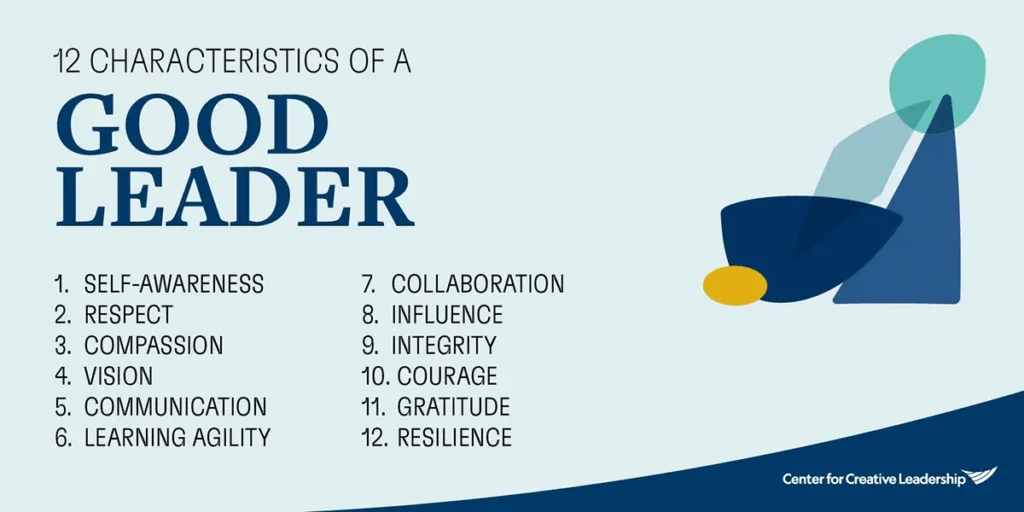
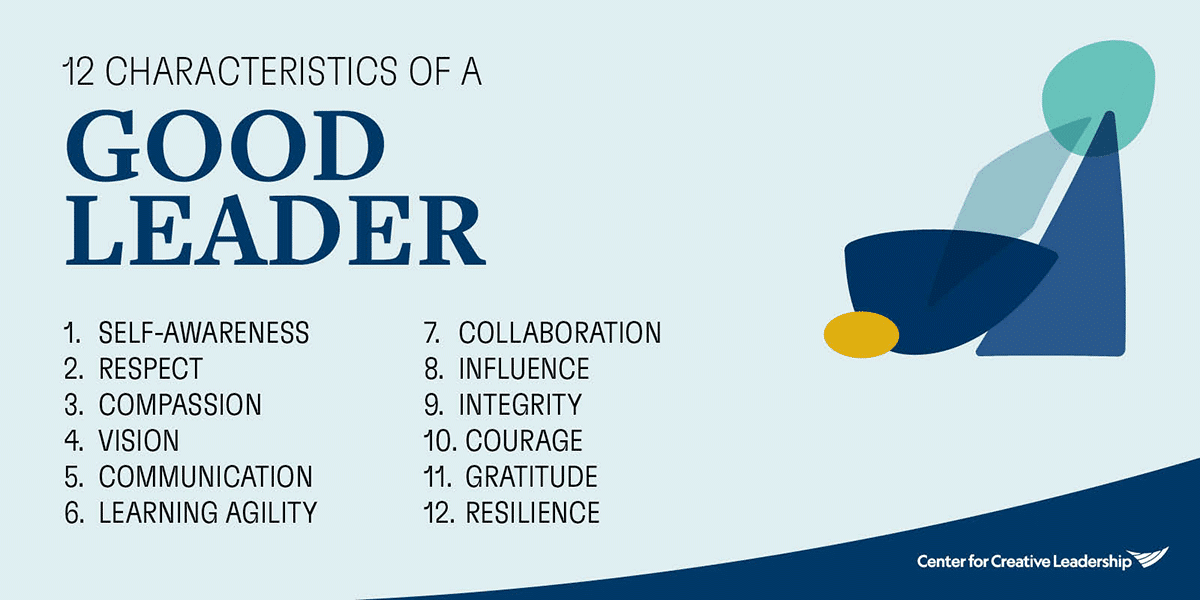
The Center for Creative Leadership (CCL), a globally recognized institution dedicated to leadership development, has identified twelve essential traits that form the bedrock of effective leadership. These characteristics, supported by extensive research and practical application, provide a comprehensive framework for understanding what makes a leader successful in today’s dynamic environment.
-
Self-Awareness: At the core of effective leadership lies a profound understanding of oneself. This includes a clear grasp of one’s personality traits, behavioral patterns, underlying anxieties, and emotional responses. Self-awareness is not merely an introspective exercise; it is a critical prerequisite for impactful leadership. Leaders who possess a robust self-awareness are better equipped to recognize their strengths and limitations, enabling them to leverage their advantages and mitigate their weaknesses. This inward focus allows for a more authentic and effective outward projection. Understanding how one is perceived by others and how one’s presence influences professional and personal environments are key components of this trait. Research suggests that leaders who actively seek feedback and engage in reflective practices demonstrate higher levels of self-awareness, leading to improved decision-making and interpersonal effectiveness.
-
Respect: The consistent demonstration of respect is a cornerstone of strong leadership. It serves to de-escalate tensions, foster an environment of trust, and significantly enhance a leader’s overall effectiveness. Creating a culture of respect transcends the mere absence of disrespect; it involves actively valuing the perspectives of others and cultivating a sense of belonging within the workplace. This inclusive approach is vital for building healthy organizational cultures. Studies indicate that teams where respect is a prevailing norm exhibit higher levels of psychological safety, leading to increased innovation and reduced conflict. When leaders genuinely value their team members’ contributions, it fosters a more engaged and committed workforce.
-
Compassion: Compassion in leadership extends beyond empathy or active listening. It necessitates translating understanding into meaningful action. When individuals voice concerns or share challenges, they need to see their leaders taking tangible steps to address these issues. This act of responding to shared information is the essence of compassionate leadership, which research has found to be instrumental in building trust, enhancing collaboration, and reducing employee turnover. Organizations that prioritize compassionate leadership often report higher employee morale and a stronger sense of collective purpose.
-
Vision: A compelling vision for the future is a hallmark of inspiring leaders. The ability to articulate this vision and motivate others to commit to it is paramount. Purpose-driven leadership ensures that individuals can connect their daily tasks and personal values to the overarching organizational goals. This alignment fosters a sense of meaning in work, thereby increasing engagement, inspiring trust, and driving priorities forward. Effective communication of this vision, in ways that resonate and are easily shared, is crucial for its successful implementation.
-
Communication: Communication is a multifaceted skill encompassing the transmission of information, storytelling, soliciting feedback, and employing active listening techniques. Exceptional leaders are adept communicators, capable of conveying messages effectively across diverse audiences, backgrounds, and hierarchical levels, both orally and in writing. The intertwined nature of leadership and communication means that the quality of communication within an organization directly impacts its strategic success. Research consistently shows a strong correlation between clear, consistent communication and organizational performance.

-
Learning Agility: Learning agility is the capacity to adapt and perform effectively in unfamiliar situations. Individuals who are quick studies or thrive in novel circumstances often possess this trait. However, learning agility is not an inherent gift; it can be cultivated through deliberate practice and a commitment to continuous learning. Great leaders are, fundamentally, great learners, demonstrating an openness to new information and an ability to apply it in dynamic contexts. This adaptability is crucial in today’s rapidly evolving professional landscape.
-
Collaboration: Effective collaboration involves working seamlessly with individuals from diverse social identities, geographical locations, roles, and experiences. In an increasingly complex and interconnected world, leaders must increasingly span boundaries and bridge divides within and across organizations. Embracing collaboration yields numerous benefits, including enhanced connection, greater innovation, increased trust, higher-performing teams, and improved workforce engagement and motivation. Data suggests that cross-functional collaboration can lead to a 20% increase in project success rates.
-
Influence: The ability to persuade others through thoughtful and appropriate means is a vital trait for inspiring and effective leaders. While the term "influence" may sometimes carry negative connotations, it is a necessary leadership function, as no leader can accomplish significant goals in isolation. True influence, distinct from manipulation, is exercised authentically and transparently, requiring high levels of emotional intelligence and trust. Leaders who master ethical influence foster buy-in and drive collective action.
-
Integrity: Integrity—being honest, moral, consistent, and trustworthy—is an essential leadership trait for both the individual and the organization. This quality is particularly critical for senior executives responsible for charting an organization’s course and navigating complex decision-making challenges. Studies have highlighted that leader integrity can sometimes be an overlooked aspect within organizations, underscoring the importance of reinforcing its value at all levels of management.
-
Courage: Courage empowers both leaders and team members to take bold, forward-thinking actions. Voicing new ideas, providing constructive feedback, or flagging concerns requires courage, especially in professional settings. Leaders who cultivate psychological safety within their teams enable individuals to speak freely and share candid concerns without fear of reprisal. This fosters a culture of truth-telling and courage, essential for organizational health and progress.
-
Gratitude: The uplifting emotion of gratitude, experienced after receiving something of value, can significantly enhance leadership effectiveness. It is associated with higher self-esteem, reduced anxiety, and improved sleep. Despite its profound impact, sincere expressions of gratitude are often infrequent in the workplace. Leaders who regularly demonstrate thankfulness create a more positive and motivating environment, often finding that employees are more willing to go the extra mile.
-
Resilience: Resilience is more than simply bouncing back from adversity; it is the capacity to respond adaptively to challenges. Resilient leaders project a positive outlook, bolstering the emotional strength of their teams and fostering commitment to shared visions. They prioritize their own well-being and that of their employees, understanding that sustained performance hinges on both personal and collective resilience. This focus on well-being is a critical component of effective leadership in times of change.
Foundational Principles of Effective Leadership
The Center for Creative Leadership’s nearly six decades of research into leadership traits have solidified three core truths that underpin the development and practice of effective leadership:
-
Leaders are Made, Not Born: This fundamental belief emphasizes that leadership is not an inherent talent but a skill set that can be cultivated and honed through experience, continuous learning, intentional effort, and adaptation. Individuals can strengthen these twelve leadership characteristics through a commitment to self-improvement. Organizations play a crucial role by providing training, supporting learning from challenges, and offering access to coaching and mentoring programs.
-
Leadership is a Social Process: Effective leadership is less about the singular strength of an individual and more about the collective efforts of a group working together towards shared objectives. While individual leadership qualities are important, true success in achieving team or organizational goals relies on fostering collaboration and collective action. CCL defines leadership as a social process aimed at achieving "direction, alignment, and commitment" (DAC) within a group.
-
Good Leadership is a Continuous Journey: Leadership is not a static destination but an ongoing process of growth and development. The core leadership skills are applicable across all levels, organizations, and industries. Different situations and challenges will invariably demand varied leadership approaches. Therefore, continuous learning and adaptation are essential for sustained effectiveness throughout a leader’s career. Embracing the role of an "agile learner" is key to a long and impactful leadership trajectory.
Cultivating and Nurturing Leadership Excellence
Organizations can significantly enhance leadership qualities and foster deeper employee engagement through a multifaceted approach. This includes providing diverse on-the-job learning experiences, robust mentoring programs, and structured development opportunities. Award-winning leadership development initiatives, like those offered by CCL, demonstrate the tangible impact of tailored programs.
However, the journey of leadership development is also an individual one. Aspiring leaders can proactively work on strengthening their leadership characteristics by leveraging available resources. This proactive approach, coupled with a clear understanding of one’s developmental goals, can be powerfully supported by downloadable action guides and visual summaries of key leadership traits. Furthermore, seeking advice on how to advocate for personal and professional development investments with management can be instrumental in securing the necessary support for growth.
Embracing the Future of Leadership
The ongoing evolution of the global business landscape necessitates a commitment to continuous learning and adaptation in leadership. As challenges become more complex and interconnected, the demand for leaders who possess a broad spectrum of well-developed traits will only intensify. By embracing the principles of self-awareness, respect, compassion, vision, communication, learning agility, collaboration, influence, integrity, courage, gratitude, and resilience, individuals and organizations can build a more effective, engaged, and prosperous future. The journey of leadership is a testament to human potential, a continuous pursuit of excellence that benefits not only those in positions of authority but every individual touched by their guidance. The Center for Creative Leadership remains dedicated to supporting this vital endeavor, providing the insights and tools necessary for leaders to thrive in an ever-changing world.