A groundbreaking white paper from the University of Phoenix reveals that artificial intelligence is rapidly transforming how employees approach career development, empowering them to seek growth opportunities with unprecedented autonomy both within and outside their current organizations. This profound shift, while fostering greater confidence and control among the workforce, is simultaneously creating a critical alignment gap between organizational intentions and employee perceptions, necessitating a fundamental re-evaluation of traditional talent management strategies by leaders and human resources professionals.
The Pre-AI Landscape: A Foundation of Discontent
Published on August 5, 2026, the report, authored by Jeffery Rhymes, a distinguished research fellow and doctoral faculty member at the University of Phoenix, underscores AI’s swift evolution from a mere productivity tool to a pivotal instrument for independent career navigation. Before AI’s pervasive influence became a dominant force in professional development, the landscape was already characterized by significant employee dissatisfaction and a palpable yearning for advancement.
Data from a 2025 University of Phoenix Career Optimism Index study highlighted widespread burnout across various sectors, with a notable 51% of employees reporting feelings of exhaustion and depletion from their work. Compounding this issue, a substantial 43% of the workforce felt deprived of adequate developmental opportunities, despite an overwhelming majority—86%—actively seeking avenues for professional growth and skill enhancement. This pre-existing desire for advancement, coupled with a perceived lack of organizational support, created a fertile ground for technological intervention, setting the stage for AI to profoundly reshape individual career trajectories and expectations. The study painted a picture of a workforce eager to evolve but often constrained by existing corporate frameworks, yearning for more personalized and accessible pathways to skill acquisition and career progression.
AI’s Transformative Role in Career Autonomy
The advent and rapid integration of artificial intelligence have introduced a transformative dynamic into this established narrative, offering a powerful new mechanism for individuals to take charge of their professional destinies. The subsequent 2026 University of Phoenix study, building upon its predecessor, observed that AI adoption had not merely streamlined routine tasks or enhanced efficiency; it had instilled a "new dimension" of confidence and control in the workforce.
A compelling three-quarters of employees surveyed (75%) reported increased confidence directly attributable to their use of AI technologies. This boost in self-assurance translates into a greater willingness to tackle new challenges, pursue ambitious projects, and explore unfamiliar career paths. Furthermore, 66% of employees felt a heightened sense of agency and control over their career paths, indicating a significant shift from a passive recipient of organizational development to an active architect of their professional future.

This empowerment manifests in various tangible ways across the professional spectrum. Employees are leveraging sophisticated AI algorithms to identify precise skill gaps in their current profiles, comparing them against industry benchmarks and future job requirements. They utilize AI-powered platforms to pinpoint relevant online courses, certifications, and specialized training programs tailored to their individual needs and aspirations, often curated from vast global educational resources. Beyond formal learning, AI assists in discovering internal mobility pathways, suggesting lateral moves or project roles that align with emerging skills. For those contemplating a shift, AI tools can analyze external job markets with greater precision, identifying roles, required competencies, and even potential salary ranges that might otherwise remain opaque.
The range of AI applications extends to practical tools such as intelligent resume builders that optimize keywords for specific roles, interview simulators that provide personalized feedback, and predictive analytics that offer insights into potential career trajectories based on current skills and market trends. This self-directed approach empowers employees to proactively acquire in-demand skills, prepare for future roles, and maintain a competitive edge in a rapidly evolving job market, often bypassing the slower, more generalized processes of traditional organizational development. The result is a workforce that is not only more skilled but also more strategically aware and proactive about its own professional journey.
The Critical Chasm: Organizational Intent vs. Employee Perception
While AI’s role in empowering individual employees is undeniable, Rhymes’ research illuminates a critical disconnect emerging from this paradigm shift: a growing chasm between organizational intent and employee perception. Organizations frequently invest significant resources in designing thoughtful programs, crafting comprehensive policies, and curating employee experiences aimed at fostering growth, engagement, and loyalty. However, the report highlights that the ultimate impact and effectiveness of these initiatives hinge entirely on how employees interpret and utilize them, especially when armed with AI-enhanced insights.
"As artificial intelligence expands employees’ capabilities, confidence and expectations, leaders need to understand whether organizational intent, employee perception and workforce capability are moving in the same direction," Rhymes emphasized. This ‘alignment’ is crucial for sustainable organizational health. When a company’s efforts to cultivate a supportive and developmental environment genuinely resonate with how employees perceive those efforts—and, crucially, how they evaluate their own AI-enhanced abilities and market value—the outcome is often "career optimism." This positive state is characterized by high levels of engagement, a deep sense of trust in leadership, and a strong feeling of belonging within the organization, leading to greater productivity and loyalty.
Conversely, a significant misalignment between these three factors can precipitate a host of negative consequences. Rhymes identifies these as "disengagement, cultural friction, reduced trust and increased turnover intent." This highlights a profound and immediate challenge for human resources departments and organizational leadership: the traditional top-down approach to career development, where employers largely dictate available pathways and training, is increasingly being challenged, and often supplanted, by a bottom-up, AI-driven, employee-centric model. If organizations fail to adapt their strategies to acknowledge and integrate this newfound employee autonomy, they risk fostering environments where even well-intentioned initiatives are met with cynicism or simply bypassed by an empowered workforce.
Understanding the Ripple Effects: Engagement, Trust, and Turnover
The implications of this growing divide between organizational intent and employee perception are far-reaching, extending beyond mere dissatisfaction to impact fundamental aspects of workforce stability and organizational culture. When employees, leveraging AI, identify specific skills they need or career opportunities they desire, and find that their employer’s offerings are either irrelevant, insufficient, or simply not perceived as valuable, a critical breakdown occurs.

For instance, an employee using AI to identify a highly specialized skill crucial for future industry relevance might find their employer’s generic, one-size-fits-all training catalog woefully inadequate. This discrepancy can lead to feelings of frustration and a belief that the organization is not truly invested in their individual growth, despite potentially significant investments in broader development programs. Similarly, an employee empowered by AI to understand their true market value—in terms of skills, experience, and potential—might perceive their current compensation, responsibilities, or internal growth opportunities as significantly understated or insufficient. This often triggers a higher propensity for external job seeking, even if the employee was initially satisfied with their role.
This dynamic places immense pressure on organizations to not only provide developmental opportunities but to ensure these opportunities are perceived as valuable, relevant, and aligned with the aspirations of an increasingly informed and empowered workforce. The white paper implicitly argues that companies that fail to bridge this perception gap will struggle significantly with talent retention. Disengaged employees are not only less productive but also more prone to seeking opportunities elsewhere, leading to costly turnover, loss of institutional knowledge, and a detrimental impact on team morale. The erosion of trust, stemming from perceived misalignment, can permeate all levels of the organization, undermining collaboration, communication, and overall cultural cohesion.
A New Imperative for Human Resources
The findings from the University of Phoenix compel human resources departments and executive leadership to recognize a new imperative: proactive strategic adaptation. The traditional models of talent management are no longer sufficient for a workforce actively leveraging AI to chart its own course. The report advocates for treating this alignment between organizational intent, employee perception, and workforce capability as a "leading indicator" – a vital, forward-looking metric that can help organizations identify potential risks to trust, wellness, belonging, and engagement before they escalate into more intractable and costly problems.
This shift necessitates a more agile, data-driven, and responsive HR framework. Instead of merely reacting to high turnover rates or declining engagement scores, organizations must proactively monitor the congruence between their developmental offerings and employees’ AI-fueled career aspirations. This could involve implementing regular pulse surveys that specifically gauge employee perceptions of growth opportunities, utilizing AI-powered sentiment analysis of internal communications and feedback channels, and deploying more dynamic career planning tools that can integrate with employee-initiated learning data. The emphasis fundamentally shifts from simply offering development to ensuring the relevance, accessibility, and perceived value of that development in the eyes of an AI-savvy employee. HR must evolve from being primarily an administrative or compliance function to a strategic partner that facilitates individual and collective growth in an increasingly complex and technologically mediated environment.
Strategic Pathways to Bridging the Alignment Gap
The University of Phoenix report outlines actionable strategies for organizations to effectively address these emerging alignment gaps and foster a more harmonious and productive work environment. Foremost among these recommendations is the imperative to cultivate a robust culture of psychological safety. In such an environment, employees feel secure and empowered enough to openly communicate their AI-informed career aspirations, development needs, and even their frustrations without fear of reprisal, misunderstanding, or negative judgment. This open and honest dialogue is absolutely critical for leaders to truly grasp the evolving perceptions and capabilities of their workforce, allowing them to tailor strategies more effectively.
Furthermore, Rhymes stresses the necessity of ensuring that talent acquisition, talent management, and talent development systems are not only robust but also seamlessly aligned and integrated. This means moving away from siloed HR functions and towards a holistic approach. For instance, AI tools can be integrated into the talent acquisition process to identify candidates not just for current roles but for future potential, based on their self-directed learning and AI-identified skill sets. Intelligent onboarding systems could leverage AI to suggest personalized development paths from day one, linking new hires to relevant mentors or learning modules based on their stated goals and AI-analyzed strengths. Performance management platforms should evolve to not only track past achievements but also to facilitate continuous growth by linking directly to AI-identified skill needs and available internal or external learning resources.

By creating a cohesive ecosystem where each HR function supports and reinforces the others, organizations can significantly enhance their ability to support employees who are leveraging AI for their growth. This integrated approach ensures that whether an employee’s AI-fueled development leads to internal promotions, cross-functional moves, or prepares them for future roles elsewhere, the organization is equipped to facilitate and benefit from that journey. The report implicitly suggests that even when employees choose to remain with an organization primarily for stability, AI encourages them to maintain a state of preparedness for career mobility. This underscores the need for continuous internal development pathways that are not only comprehensive but also mirror the dynamic and opportunity-rich external market, keeping employees engaged and preventing a sense of being professionally stagnant.
Beyond Stability: AI and the Drive for Continuous Mobility
The insights gleaned from the University of Phoenix study highlight a fundamental shift in employee mindset: while job stability remains a valued attribute, it no longer precludes a strong desire for continuous career mobility and adaptability. AI has become a powerful accelerator for this dual ambition. Employees may choose to stay with their current employer for the security it offers, but their use of AI simultaneously fuels a proactive approach to skill development and career planning, effectively preparing them for a dynamic future, whether that future unfolds within their current organization or in new ventures.
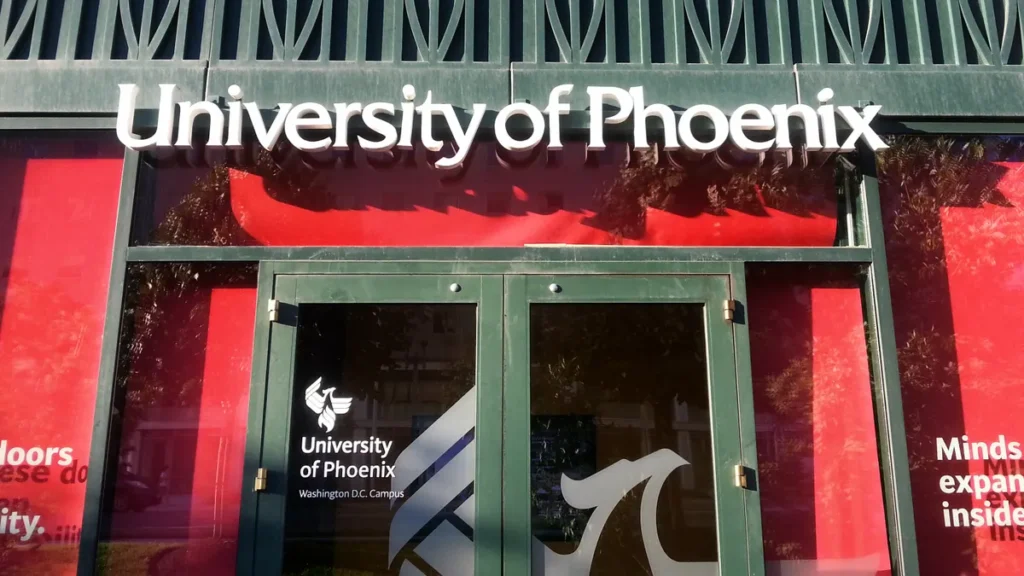
This creates a nuanced challenge for employers. The traditional incentive of long-term employment must now be coupled with a clear and compelling narrative of continuous growth and opportunity. Organizations that fail to offer meaningful internal pathways for skill enhancement and career progression risk losing their most ambitious and AI-empowered employees to competitors who better understand and cater to this drive for mobility. The image of the former University of Phoenix campus, while representing a physical location, metaphorically suggests the need for organizations to evolve their own "campuses" of learning and development to match the digital, personalized, and always-on learning environment that AI enables for individual workers. Leaders must therefore cultivate environments where learning is not just available, but actively encouraged and integrated into daily work, becoming a core aspect of employee engagement and retention strategies.
The Future of Talent: An Empowered, AI-Fluent Workforce
This comprehensive research from the University of Phoenix paints a clear and compelling picture of the evolving relationship between humans, AI, and the contemporary workplace. The future workforce will not only utilize AI as a daily tool for enhancing productivity and efficiency but will increasingly view it as a strategic partner in their individual career journeys. This necessitates a fundamental re-imagining of organizational structures, leadership styles, and human resources functions.
Leaders must move beyond simply providing resources; they must transition into becoming facilitators of self-directed growth, actively engaging with employees to understand their AI-enhanced capabilities, aspirations, and the unique pathways they are forging. The insights from Rhymes’ white paper serve as both a timely warning and a strategic roadmap for organizations navigating this complex, AI-driven landscape. They emphasize that long-term success will hinge critically on their ability to adapt and align with an increasingly empowered, autonomous, and AI-fluent workforce. The challenge is not merely to adopt AI within business operations, but to seamlessly integrate it into a human-centric strategy that respects, supports, and leverages the enhanced agency and control it provides to individual employees, ultimately fostering a more dynamic, engaged, and resilient talent ecosystem.