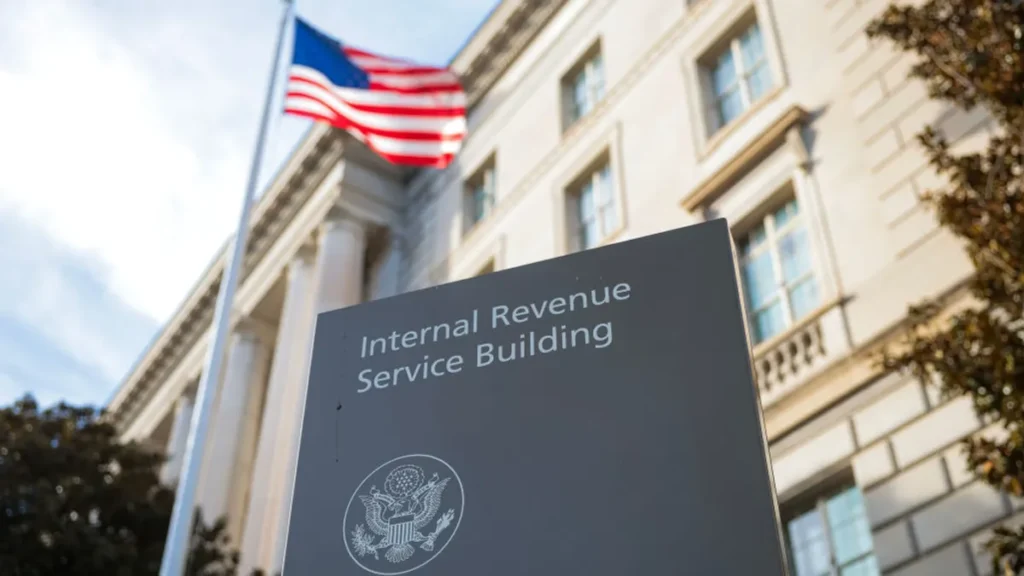
The Internal Revenue Service (IRS) announced on Thursday, November 12, 2026, a significant increase in the annual contribution limit for employees participating in 401(k) plans, raising it to $25,500 for the 2027 tax year. This marks the second consecutive year the agency has implemented a $1,000 year-over-year increase, reflecting ongoing economic adjustments and a commitment to facilitating greater retirement savings. This crucial update for millions of American workers arrives as the Trump administration simultaneously advances a controversial new rule, spearheaded by the U.S. Department of Labor (DOL), designed to broaden access to "alternative assets" within workers’ defined-contribution plans, igniting a robust debate among policymakers, financial experts, and consumer advocates.
The enhanced contribution limit for 401(k) plans also extends to other popular employer-sponsored retirement vehicles, including 403(b) plans, governmental 457 plans, and the federal government’s Thrift Savings Plan (TSP). For eligible participants aged 50 and over, the IRS also announced an increase in the catch-up contribution limit for these accounts, moving from $8,000 to $8,500. This specific adjustment acknowledges the heightened urgency for older workers to bolster their retirement nest eggs as they approach their golden years. A distinct, higher catch-up contribution limit is also applicable for participants between the ages of 60 and 63, reflecting targeted efforts to support those closest to retirement.
However, the agency’s latest announcement maintained the status quo for Individual Retirement Accounts (IRAs). The annual contribution cap for IRAs will remain unchanged at $7,500 for the upcoming year, as will the IRA catch-up contribution limit, which stays at $1,100. This disparity highlights the IRS’s focus on employer-sponsored plans for significant limit adjustments, potentially due to the broader reach and employer matching incentives often associated with these accounts.
Understanding the IRS Adjustments: Context and Impact
The IRS’s decision to increase retirement contribution limits is not arbitrary but rather a routine annual adjustment mandated by law. These limits are indexed to inflation, specifically the cost-of-living adjustments (COLA), to ensure that the purchasing power of retirement savings is maintained over time. In periods of higher inflation, such as those experienced in the mid-2020s, these limits tend to see more substantial increases. The consistent $1,000 increase for 401(k)s over two years underscores the prevailing inflationary environment and its impact on household finances and long-term savings strategies.

For employees, these increased limits offer a valuable opportunity to save more on a tax-deferred basis, reducing their current taxable income while accumulating greater wealth for retirement. High-income earners, in particular, often maximize these contributions, and higher limits allow them to accelerate their savings trajectory. For employers, while these adjustments require minor administrative updates to payroll and benefits systems, they are generally seen as positive, enabling them to offer a more robust retirement savings vehicle and demonstrate a commitment to their employees’ financial well-being. Financial advisors routinely counsel clients to contribute at least enough to receive any employer match, and ideally, to maximize their contributions up to the annual limit if financially feasible.
The consistent upward trend in these limits reflects a broader national imperative to strengthen individual retirement security in an era where defined-benefit pension plans have largely been supplanted by defined-contribution plans like 401(k)s. This shift places a greater onus on individuals to actively manage and fund their retirement, making accessible and generous contribution limits all the more critical.
The Department of Labor’s Alternative Assets Rule: A Deep Dive into Controversy
Concurrent with the IRS’s routine adjustments, the U.S. Department of Labor (DOL) has been making significant strides on a regulatory front that could fundamentally alter the investment landscape for defined-contribution plans. The Trump administration recently advanced its anticipated final rule, which seeks to permit investors in defined-contribution plans, such as 401(k) plans, to access "alternative assets" within those plans. This move has been met with both enthusiasm from proponents of expanded investment choice and strong criticism from those concerned about investor protection and increased risk.
A Chronology of the Alternative Assets Initiative:
- 2025: Executive Order: The genesis of this initiative lies in an executive order issued by President Donald Trump in 2025. This order specifically tasked the DOL with reevaluating its existing guidance regarding private equity investments in 401(k) plans. The administration’s stated goal was to expand investment opportunities for American workers, arguing that traditional portfolios might limit returns and that institutional investors already benefit from access to these less liquid, potentially higher-return assets. The order specifically mentioned private equity, real estate, and cryptocurrency as categories for reconsideration.
- Late 2025/Early 2026: Proposed Rule and Public Comment Period: Following the executive order, the DOL initiated a formal rulemaking process. A proposed rule was published, outlining the framework for allowing alternative assets. This was followed by a public comment period, during which stakeholders—including financial institutions, investment managers, employee benefits consultants, academics, and individual citizens—submitted their opinions and analyses of the proposed changes.
- September 2026: Allegations of "Fabricated Comments": A significant controversy erupted when Senators Elizabeth Warren (D-Mass.) and Bernie Sanders (I-Vt.) sent a scathing letter to the DOL. Their letter expressed serious concerns that a substantial portion of the public comments submitted in support of the proposed rule appeared to be "fabricated." They alleged that these comments might be part of an "astroturfing" campaign, designed to create an illusion of widespread public support where none genuinely existed. The senators requested immediate and thorough investigation into these claims and demanded transparency regarding the DOL’s efforts to identify and disregard any inauthentic submissions. They also questioned whether the agency would rely upon potentially fraudulent comments in its final decision-making.
- November 5, 2026: White House Review: As of November 5, 2026, the rule officially advanced to the White House for final review by the Office of Management and Budget (OMB). This is a standard step in the federal regulatory process, where the final text is scrutinized for consistency with administration policy, economic impact, and legal soundness before its official publication in the Federal Register.
- Post-November 13, 2026: Anticipated Final Publication: While the exact date remains pending, the advancement to White House review signals that the DOL rule is on the cusp of finalization and publication, likely in late 2026 or early 2027.
The Substance of the Alternative Assets Rule: Pros and Cons

The core of the DOL’s new rule is to provide clarity and potentially expand the permissibility for fiduciaries of defined-contribution plans to offer investment options that include "alternative assets." Traditionally, 401(k) plans have primarily invested in publicly traded stocks, bonds, and mutual funds, which are generally liquid and subject to stringent regulatory oversight. Alternative assets, however, encompass a broader spectrum:
- Private Equity: Investments in companies not listed on a public stock exchange. These can offer higher returns but often come with significant illiquidity, longer investment horizons, and complex valuation methods.
- Real Estate: Direct investments in property or real estate funds. While offering diversification and potential inflation hedging, real estate can be illiquid and subject to market cycles.
- Cryptocurrency: Digital or virtual currencies secured by cryptography. These are known for extreme volatility, lack of underlying intrinsic value (in many cases), and regulatory uncertainty, making them highly controversial for retirement savings.
Arguments in favor of allowing these assets typically center on:
- Diversification: Offering investments that may not correlate with traditional public markets, potentially reducing overall portfolio risk.
- Higher Returns: Historically, some alternative asset classes have outperformed public markets, attracting investors seeking enhanced growth.
- Investor Choice: Empowering individuals with a broader range of investment options to tailor their retirement portfolios.
- Leveling the Playing Field: Providing retail investors in 401(k)s access to asset classes previously available only to institutional investors or high-net-worth individuals.
However, strong criticisms and concerns have been voiced, particularly regarding:
- Increased Risk and Volatility: Assets like cryptocurrency are notoriously volatile, while private equity and real estate carry significant market and liquidity risks that may not be suitable for the average retirement saver.
- Lack of Transparency and Complexity: Alternative assets often lack the transparency of publicly traded securities, making it difficult for individual investors to understand their true value or associated risks. The complexity also places a heavy burden on plan fiduciaries.
- High Fees: Alternative investments frequently come with higher management fees, performance fees, and administrative costs, which can erode long-term returns.
- Illiquidity: Many alternative assets are not easily bought or sold, making it challenging for investors to access their funds quickly if needed.
- Fiduciary Duty: Plan sponsors (employers) bear a fiduciary responsibility to act in the best interest of their participants. Offering complex, high-risk, high-fee alternative assets could expose them to increased legal liability under ERISA (Employee Retirement Income Security Act of 1974) if these investments underperform or prove unsuitable.
- Consumer Protection: Critics, like Senators Warren and Sanders, argue that the rule could expose vulnerable retirement savers to predatory practices or unsuitable investments, potentially jeopardizing their financial security. The "fabricated comments" controversy further undermines trust in the process and raises questions about the legitimacy of the rule’s perceived support.
Broader Impact and Implications for Retirement Readiness
These dual developments from the IRS and DOL paint a complex picture for the future of retirement planning in the United States. While the IRS is facilitating greater savings capacity, the DOL’s rule introduces both opportunity and significant potential challenges.
For Employees:

- Increased Savings Potential: The higher 401(k) limits are unequivocally positive for those who can afford to contribute more.
- Navigating New Investment Choices: The alternative assets rule, if implemented, will require employees to be more financially literate and discerning in their investment choices. Without proper education and robust guidance from plan sponsors, many could unwittingly take on excessive risk.
- Persistent Retirement Shortfalls: Despite these regulatory changes, a significant portion of the American workforce continues to struggle with retirement planning. A recent MyPerfectResume survey indicated that 35% of U.S. workers had delayed their planned retirement age within the previous three years. Alarmingly, 14% of respondents did not expect ever to fully retire, a sentiment echoed by 1 in 5 Generation X workers surveyed by Zety. These statistics underscore a fundamental challenge: even with increased contribution limits and expanded investment options, many workers face economic realities that hinder their ability to save adequately.
For Employers and Plan Sponsors:
- Routine Adjustments vs. Complex Decisions: While adjusting to new IRS contribution limits is a standard procedure, the alternative assets rule presents a far more intricate decision. Employers will need to weigh the potential benefits of offering these assets against the heightened fiduciary responsibilities, increased administrative burden, potential for litigation, and the need for comprehensive employee education. Many may choose to avoid these options entirely due to the perceived risks and complexities.
- Boosting Engagement: As noted in a July report by Aon’s NFP, a common retirement readiness hurdle for employees is a lack of engagement with their benefits. Employers revisiting their retirement benefits offerings will need to consider robust measures to boost employee understanding and participation, especially if new, complex investment options are introduced. This could include enhanced financial wellness programs, personalized advice, and clear communication about investment risks and rewards.
For the Economy and Financial Markets:
- Capital Allocation: The alternative assets rule could potentially direct a new stream of capital from defined-contribution plans into private markets, real estate, and potentially even cryptocurrency markets. This could have implications for liquidity, valuations, and the growth trajectory of these sectors.
- Regulatory Scrutiny: The controversy surrounding the DOL rule, particularly the allegations of fabricated comments, is likely to keep the entire process under intense regulatory and political scrutiny. Future administrations may revisit or even rescind aspects of the rule, creating an environment of uncertainty for plan sponsors and investors alike.
- Evolving Role of Government: The debate surrounding these policies reflects an ongoing tension regarding the government’s role in retirement savings—balancing the desire to foster individual financial autonomy and investment choice against the imperative to protect savers from undue risk and potential exploitation.
In conclusion, the coming year promises to be a pivotal period for American retirement planning. While the IRS provides a clear path for increased savings through higher contribution limits, the DOL’s initiative to open defined-contribution plans to alternative assets introduces a layer of complexity and potential risk that will require careful navigation by individuals, employers, and financial fiduciaries alike. The success of these combined policy shifts will ultimately be measured by their ability to genuinely enhance the retirement security of millions of Americans, without exposing them to unwarranted financial peril.