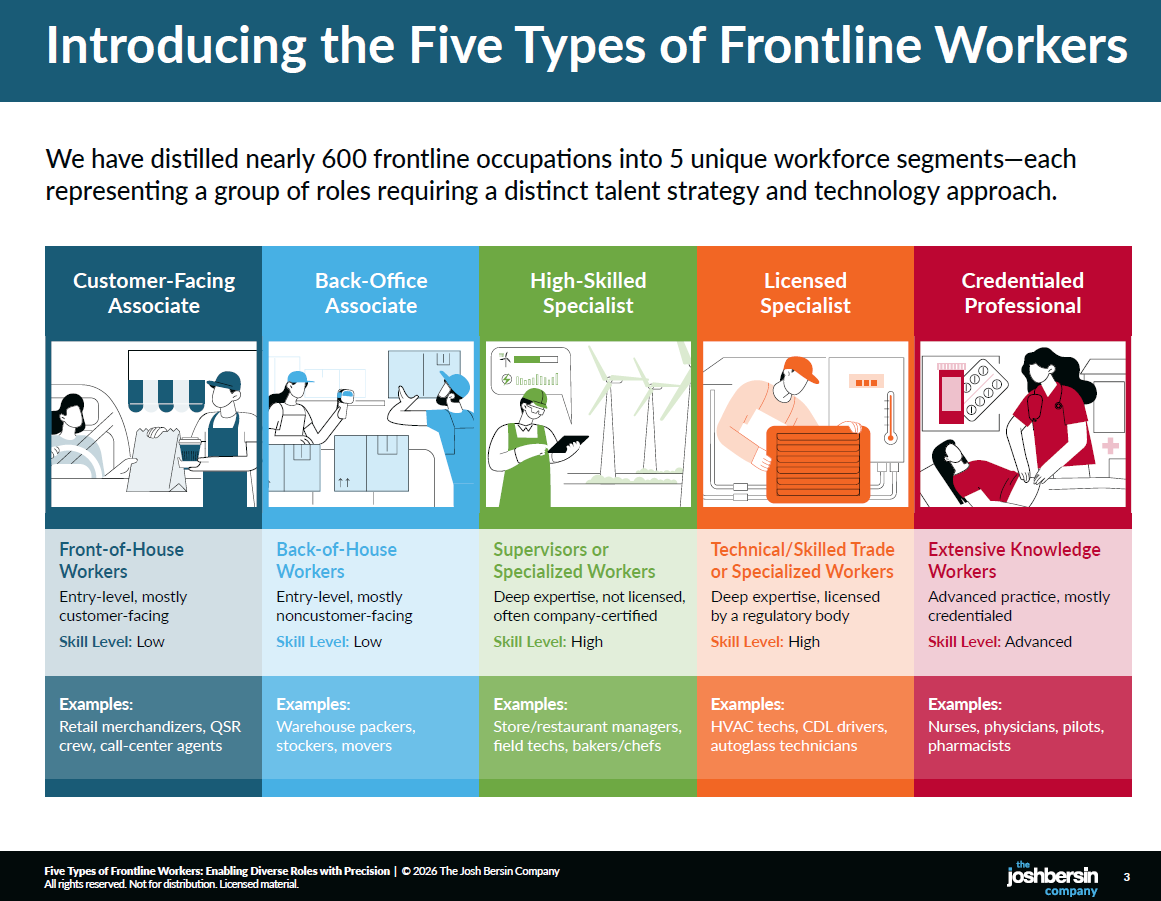
Wages are a pivotal factor in the frontline workforce, comprising over 70% of employees in sectors like hospitality, retail, services, and transportation. These workers often navigate a landscape of frequent job changes, moving from one employer to another in pursuit of marginal hourly wage increases. This dynamic is fueled by the nature of these roles, which typically require no specialized pre-requisite skills, as categorized by models such as the five types of frontline workers. Consequently, applicants often apply to dozens of positions simultaneously. In such a competitive environment, the speed of response from employers is crucial, but the ultimate deciding factor for candidates frequently comes down to compensation.
Employers in these sectors frequently receive hundreds of applications for open positions. The process of screening, interviewing, and conducting background checks must be executed with considerable speed to avoid overwhelming hiring managers and to fill vacancies promptly. The typical hiring cycle sees a candidate accept a job offer, only to potentially withdraw before their start date, or even fail to show up, if they secure a position offering a higher hourly wage discovered shortly after accepting. This phenomenon is not uncommon, and the same transient behavior can manifest even after an employee has begun their tenure.

The proliferation of online job application platforms and automated tools has further accelerated this churn. Websites and services designed to streamline the application process allow job seekers to apply to numerous positions with ease, often employing automated bots that continuously search for and apply to new openings. When a worker receives an automated notification of approval for a role offering a significantly higher hourly wage, the temptation to switch employers becomes almost irresistible, leading to rapid departures. This underscores a fundamental truth: for roles requiring lower skill levels, compensation remains a primary driver, often eclipsing other considerations like company brand, work hours, or working conditions.
The emergence of new IRS regulations concerning tip income has introduced a significant variable into this equation, potentially creating a substantial advantage for businesses that operate on a tip-based model. Companies that collect tips, whether via cash or electronic means, traditionally account for them as an employee liability rather than as revenue or expense. This accounting treatment means tips do not directly impact a company’s reported profit, revenue, or capital requirements, making them a virtually "free" incentive for employers to encourage superior customer service. While the perception of tipping culture in the U.S. may be shifting, with some arguing that app-based prompts are creating a sense of obligation rather than reward for service, the financial implications of tip collection are undeniable.
This distinction creates a clear divide between "tipping" companies, such as Starbucks and Uber, and "non-tipping" companies like Target, Walmart, Costco, and FedEx. The former now possess a distinct financial advantage: the ability to offer higher effective pay to their employees at a lower operational cost. The magnitude of this advantage has been significantly amplified by recent IRS directives.
The Financial Impact of New IRS Tip Regulations
New IRS rules designed to clarify the taxation of tip income have generated a substantial financial benefit, amounting to an estimated $4.5 billion in subsidies during the first half of 2026 alone. According to IRS data, approximately 3.5 million tax filings benefited from these regulations, with an average tax refund or reduction of $1,300 per individual. This figure, while substantial for a partial year, raises critical questions about whether this financial advantage accrues primarily to employees or employers.
Analysis of the IRS figures suggests a significant impact on hourly wages. If the reported numbers are accurate, then roughly 2.1% of the U.S. workforce who are tipped employees received tip amounts that effectively translate to an additional $7 to $11 per hour. Considering the average non-managerial hourly wage in the U.S. hovers around $32, this tip income could represent an increase of nearly one-third to their overall earnings.
The calculation supporting these figures is based on the average tax rate for hourly workers. While the national average tax rate is approximately 14.5%, a significant portion of low-wage hourly workers pay little to no federal taxes. For those who do pay, an estimated average federal tax rate of 8-10% on their income is considered. Dividing the $1,300 annual tip-related tax benefit by this estimated tax rate suggests an annual tip income of $13,000 to $16,000 per worker. While these figures are substantial and prompt consideration of potential IRS data inflation, they offer a compelling insight into the financial dynamics.

Factoring in the average annual hours worked by hourly employees—estimated between 1,500 and 2,000, with a mean of around 1,700 hours—this translates to an additional $6 to $10 per hour in tip income. When combined with the $1,300 tax return, the total effective tip compensation per hour ranges from $7 to $11. This represents a significant financial uplift for tipped workers.
The consequence for employers is profound. Companies that can leverage tip income are effectively able to offer a more competitive compensation package at a lower direct labor cost. Data from various frontline employers reveals a significant disparity in average hourly wages:
- Non-Tipped Employers (e.g., Retail, Warehousing): Average hourly wages can range from $15 to $25, influenced by local minimum wage laws, the cost of living, and the specific demands of the role.
- Tipped Employers (e.g., Restaurants, Delivery Services): While base wages might be lower (sometimes as low as the federal tipped minimum wage of $2.13 per hour, though many states mandate higher base pay), the combined income from tips can significantly elevate overall earnings.
This disparity means that businesses operating on a tip model can potentially secure their workforce at a cost that is 35% lower than their non-tipped counterparts, when considering the full compensation package.
Implications of the Tip Regulation Shift
The implications of this financial restructuring are multifaceted, raising questions about the distribution of benefits, the future of employment models, and consumer behavior.
Employer Advantage and Wage Distribution
One of the most immediate implications is the potential for employers to strategically leverage these new regulations. Companies that do not collect tips face higher labor costs to attract and retain frontline workers. Conversely, those that do collect tips can potentially reduce their direct wage outlays while still offering a competitive total compensation. This suggests that the federal benefit, while intended for employees, could disproportionately bolster the profitability of "tipping" companies by lowering their labor expenses, rather than necessarily leading to a significant overall increase in worker earnings across the board. The concern is that employers might use this subsidy to suppress their own wage contributions.
Evolving Consumer Experience and Tipping Culture
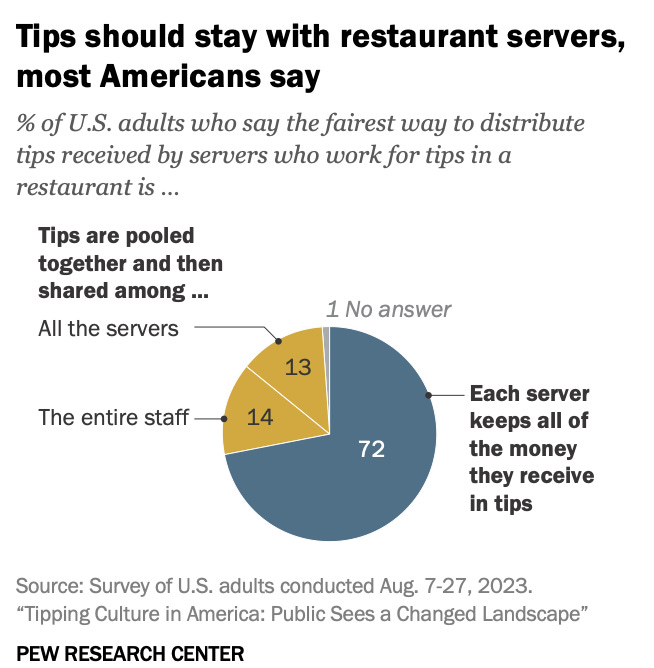
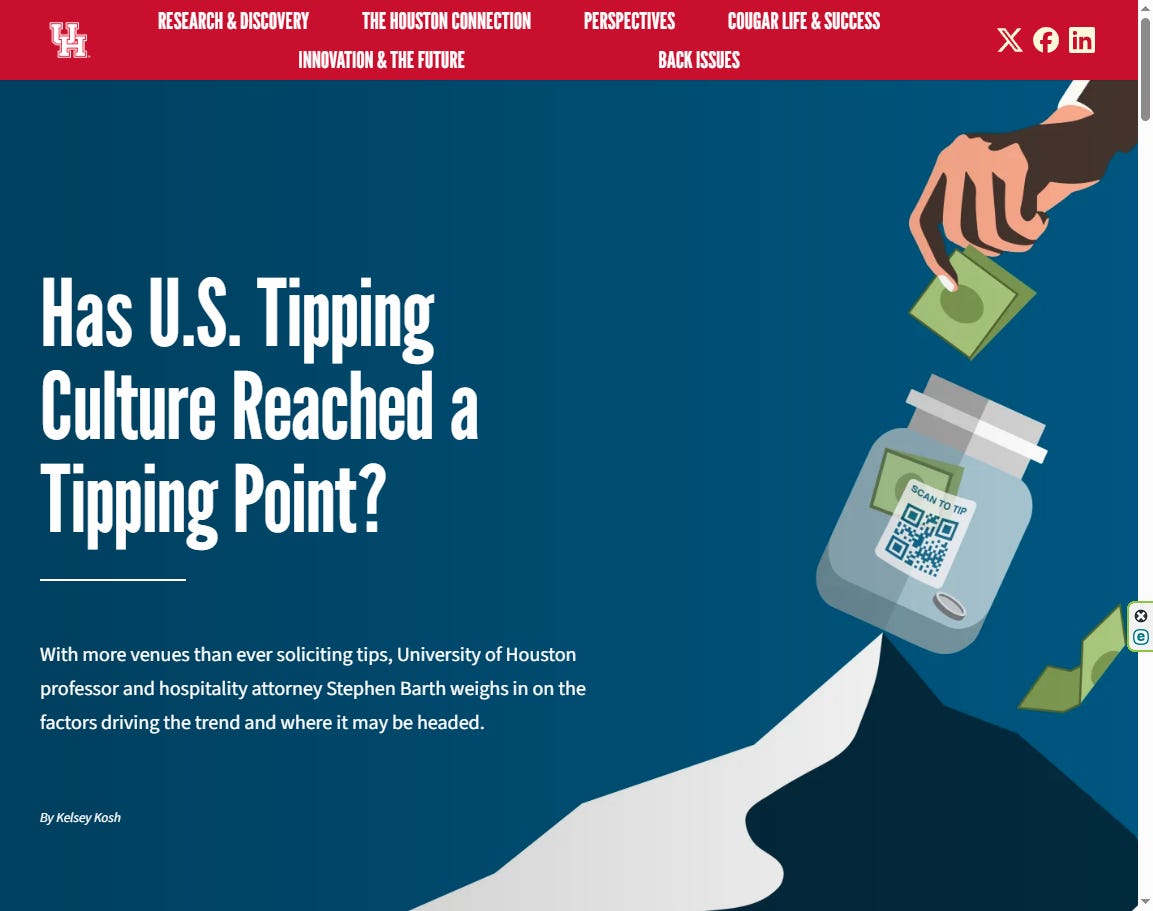
The pervasive integration of tipping prompts into every transaction, from mobile apps to point-of-sale systems, is reshaping consumer expectations and behaviors. Many services, like ride-sharing and food delivery platforms, are increasingly removing the option to skip tipping, with drivers often reporting a decline in their base pay, making tips a more critical component of their income. While consumers may feel a sense of obligation to tip, driven by guilt or social pressure, there is a growing unease that this trend enables employers to maintain lower baseline wages. Furthermore, the question of tip distribution—whether it goes directly to the individual who provided the service or is pooled among staff—remains a point of contention, with consumers generally preferring direct compensation for their servers.
Income Inequality and Government Subsidies
The reallocation of approximately $4.5 billion in government funds through this tip tax benefit raises questions about the most effective use of public resources. While the political intent may have been to honor and support hourly workers, the significant financial impact and the potential for employers to benefit raises scrutiny. The substantial figures released by the IRS suggest a considerable subsidy for businesses that rely on tip income, prompting debate on whether this is the most equitable or efficient method of supporting the workforce.
Societal Shift Towards a "Work for Hire" Model
The increasing reliance on tips, bolstered by government incentives, moves the employment landscape further towards a "work for hire" model, as detailed in analyses of the decoupling between workers and employers. While tips can indeed incentivize employees to focus on customer satisfaction, the employer’s role in providing a stable, predictable wage can be diminished. This shift could have long-term consequences for worker stability, benefits, and the fundamental employer-employee relationship, the full impact of which remains to be seen.
As tipping becomes more ubiquitous, with tip prompts appearing in an ever-wider array of service interactions, the long-term societal and economic ramifications of this evolving compensation structure will continue to unfold, demanding further study and adaptation from businesses, policymakers, and consumers alike. The current trajectory suggests a significant redefinition of frontline compensation, driven by regulatory changes and the persistent pursuit of marginal wage advantages.