Eightfold AI has officially launched its AI-powered Candidate Agent, a significant development that integrates seamlessly with its existing AI Interview Agent. This announcement marks a strategic move by Eightfold into the highly competitive and high-volume hiring market, underscoring a broader industry trend toward Multi-Agent AI solutions within the Human Resources landscape, a concept detailed in the "HR 2030" framework. These advanced AI systems are poised to redefine how organizations attract, engage, and onboard talent.
The introduction of the AI Candidate Agent by Eightfold signifies a crucial step in modernizing the recruitment process, particularly for sectors facing substantial hiring demands. This agent is meticulously engineered to manage a wide spectrum of candidate inquiries, addressing questions related to job specifics, company culture, compensation, working hours, required qualifications, flexibility, and benefits. This functionality positions Eightfold alongside other prominent players in the HR technology space, such as Paradox, Maki, Smartrecruiters, and Phenom, all of whom are developing similar agentic solutions to streamline and enhance the candidate experience. The primary objective of these agents is to foster a more robust and positive relationship between employers and prospective employees by providing immediate, accurate, and comprehensive information.
The Evolution of AI in Candidate Engagement
While the concept of chatbots assisting job candidates has existed for nearly a decade, the current wave of AI-powered agents represents a substantial leap forward. These advanced systems are capable of engaging in direct, in-depth interactions with candidates, significantly accelerating and simplifying the job application journey. Beyond merely informing job seekers about opportunities, these agents play a critical role in managing the overwhelming influx of applications generated by widespread job posting tools, thereby alleviating a significant burden on recruitment teams.
The AI Candidate Agent from Eightfold is designed to handle a massive scale of interactions, capable of managing thousands of candidate inquiries across thousands of job openings simultaneously. Its accessibility across multiple platforms, including mobile devices, web browsers, Slack, and other communication channels, ensures broad reach and convenience for candidates. This capability is particularly vital for organizations engaged in high-volume hiring, enabling them to more efficiently qualify, inform, and source potential employees.
A Multi-Agent Ecosystem for Talent Acquisition
The AI Candidate Agent is not an isolated tool but rather a component of a larger, interconnected ecosystem of AI-driven HR solutions. As outlined in the "HR 2030" blueprint, a comprehensive vision for the future of human resources, a projected 24 distinct agent workflows will be essential for optimal talent acquisition. In Eightfold’s integrated system, the Candidate Agent can seamlessly guide a candidate through the entire recruitment funnel, from initial inquiry to a career site visit, through the application process, and ultimately to an AI-powered interview. All data generated throughout this process is stored within Eightfold’s Applicant Tracking System (ATS), creating a unified talent intelligence platform that can be leveraged for future recruitment initiatives and talent management strategies.
While this represents a new offering for Eightfold, a company recognized as a pioneer in talent intelligence, similar functionalities are becoming increasingly available from a diverse range of vendors. Companies such as Paradox (which integrates with Workday), Maki People, Phenom, SmartRecruiters, and UKG are actively developing and deploying their own agentic recruitment solutions. The key differentiator for organizations evaluating these tools lies in understanding how these multi-agent systems collaborate and the depth of industry knowledge and experience each vendor brings to the table.
Differentiated Approaches in the Market
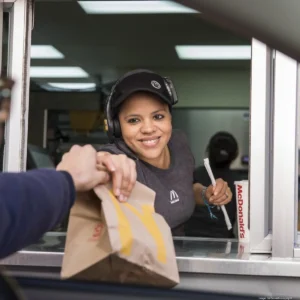
Each vendor brings a unique set of strengths and market focus to the agentic recruitment space. Paradox, for instance, has established a strong presence in high-volume frontline hiring, with notable success in sectors like fast food and retail, exemplified by partnerships with brands like Chipotle and McDonald’s. Maki People, on the other hand, focuses on sophisticated assessment capabilities integrated with its agentic recruiting solutions, catering to companies like H&M and Delta Airlines that require in-depth candidate evaluation. UKG offers a distinct advantage by automatically generating job requisitions based on real-time demand for frontline workers identified through its workforce management platform, creating a dynamic and responsive hiring pipeline.
The Critical Role of Data in Agentic Recruitment
The effectiveness of AI agents is intrinsically linked to their access to comprehensive and well-structured data. Deploying these tools in a multi-vendor environment necessitates careful consideration of an organization’s data architecture, particularly concerning HR 2030 principles. Companies must ensure they possess the infrastructure and expertise to store and manage the policies and candidate data collected by these agents. A candidate interacting with an AI agent might be a former employee, a previous applicant, or even an internal candidate seeking a new role. Therefore, a robust data strategy is essential for leveraging this information effectively across various use cases.
Expanding the Agentic Frontier with Talent Forge
Recognizing the evolving needs of its clients, Eightfold has also introduced "Talent Forge," a suite of tools designed to empower organizations to build their own custom AI agents. While vendor-provided agents are often powerful and functional, the ability to extend and tailor them to specific business needs is becoming increasingly important. The "HR 2030" framework identifies over 20 distinct agent workflows that are expected to become standard. Imagine an agent capable of pre-screening candidates based on their linguistic proficiency or educational background, or an agent specifically designed for internal candidates during company downsizing, automatically triggered by relevant events. The potential business use cases for agentic HR are vast, with over 200 identified applications.
The Exploding Frontline Worker Market
The market for frontline worker HR solutions is experiencing explosive growth as companies increasingly prioritize the optimization of this critical segment of their workforce. Research on "The Five Types Of Frontline Workers" highlights the need for specialized strategies in hiring and managing these employees. Eightfold’s entry into this space with its advanced AI tools positions it to capture a significant share of this burgeoning market, benefiting both its existing clientele and attracting new customers.
Rethinking Talent Acquisition Processes
The advent of these highly scalable and dynamic agentic solutions necessitates a fundamental re-evaluation of existing talent acquisition processes. Organizations like ISS Facility Services and Fontainebleau Las Vegas, which leverage AI to manage high-volume hiring, emphasize the critical importance of collaboration between HR and IT departments to achieve a holistic process transformation.
The impact of these tools on recruitment efficiency is profound. Companies implementing agentic recruiting solutions have reported a reduction in time-to-hire from two weeks to as little as three days. This has led to the elimination of hundreds of roles previously dedicated to interview scheduling and has contributed to an increase in the quality of hires. H&M, for example, observed a remarkable 30% improvement in retention rates across many locations by deploying its agentic recruiting solution, a testament to its ability to conduct in-depth assessments at an unprecedented scale.
Beyond HR Savings: The Strategic ROI of Agentic Recruitment
The return on investment (ROI) for these AI-powered tools extends far beyond mere cost savings within the HR department. Chipotle’s public endorsement of its Paradox implementation on CNBC illustrates the strategic value of AI projects. Faster and higher-quality hiring directly contributes to increased sales and accelerated expansion, demonstrating that these systems are truly revolutionary in the high-volume hiring landscape.
Globally, over a million employers manage frontline workforces across diverse sectors such as distribution, hospitality, retail, transportation, personal care, cleaning services, contracting, and healthcare. Currently, fewer than 5% of these organizations utilize agentic recruitment tools. This vast untapped market indicates immense potential for growth and adoption of multi-agent AI solutions.
Looking Ahead: The Future of AI in Talent Acquisition
Organizations are strongly encouraged to explore the capabilities offered by Eightfold and other leading vendors in the agentic recruitment space. For a comprehensive understanding of how these technologies integrate into the broader HR ecosystem, consulting the "HR 2030" blueprint or engaging with experts can provide valuable insights. AI in talent acquisition stands as one of the most mature and proven applications of artificial intelligence. The introduction of products like Eightfold’s Candidate Agent is a positive development, signaling continued innovation. As the fall conference season approaches, further insights and demonstrations of these transformative technologies are anticipated.
Further exploration of the "HR 2030 Vision" or consultation with Galileo can provide deeper understanding of these evolving trends.
Additional Resources:
- The Talent Acquisition Revolution: How AI is Transforming Recruiting
- Interview with Ashutosh Garg, Co-Founder & CEO of Eightfold.ai and Viven.ai
- HR 2030, The Josh Bersin Institute, And Galileo