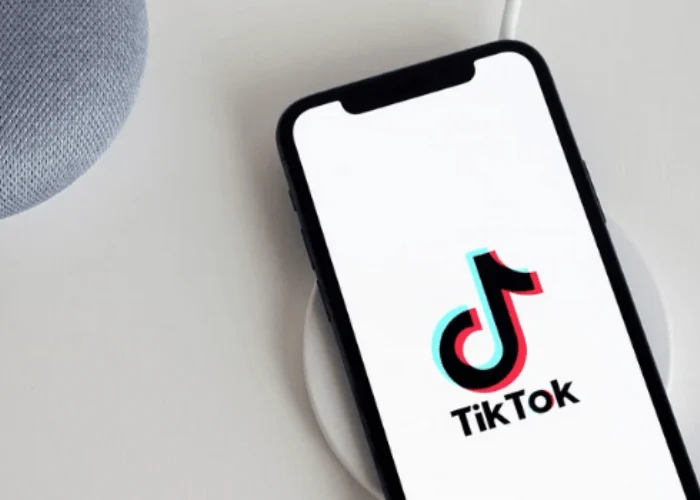
TikTok, the immensely popular short-form video platform owned by Chinese technology giant ByteDance, has officially ceased operations at its Nashville office, resulting in the layoff of all employees stationed at the location. This significant move marks a profound recalibration of the company’s operational strategy within the United States, occurring just over two years after the platform had dramatically expanded its physical presence in the music-centric city, signaling an era of ambitious growth and strategic engagement with the American creative economy. The closure underscores a pivotal moment in TikTok’s ongoing efforts to streamline its global operations and adapt to an increasingly complex and scrutinizing regulatory environment, particularly within its critical U.S. market.
A Significant Reversal: The Nashville Expansion and Its Promise
The decision to shutter the Nashville outpost represents a stark reversal from TikTok’s aggressive expansion strategy in the region. In April 2024, the ByteDance-owned entity had made headlines within the commercial real estate sector by securing a lease for more than 143,000 square feet of prime office space on Nashville’s iconic Music Row. This substantial commitment was heralded as one of the city’s largest office deals of that year, signaling TikTok’s intent to embed itself deeply within the fabric of the American music industry. Prior to this landmark lease, TikTok had maintained a presence in Nashville through a more modest co-working space situated in the bustling downtown area, indicating a gradual but determined escalation of its local footprint.
The choice of Nashville as a strategic hub was far from arbitrary. The city, renowned globally as a nexus for music production, talent management, and creative innovation, offered TikTok an unparalleled opportunity to forge deeper connections with artists, songwriters, producers, and talent agencies. The platform’s algorithm-driven virality had already proven to be a potent force in launching music careers and revitalizing older tracks, making a physical presence in Nashville a logical extension of its business development and content strategy. The office was envisioned to house teams dedicated to artist and label partnerships, creator relations, content strategy tailored for the music industry, and potentially even some sales and marketing functions aimed at the entertainment sector. The expansion was largely seen as an investment in fostering a robust creator ecosystem and strengthening collaborations that were vital to TikTok’s content engine, leveraging Nashville’s unique position at the intersection of music and media.
A Chronology of Transformation: TikTok’s US Business Under Scrutiny
The Nashville office closure is not an isolated event but rather the latest development in a series of significant strategic adjustments undertaken by TikTok, particularly concerning its U.S. operations and its music business. Understanding the chronology of these events is crucial to grasping the broader context of the current decision.
-
Early US Growth and Nashville’s Role (Pre-2024): TikTok experienced meteoric growth in the U.S. following its 2018 launch, quickly becoming a dominant force in social media. Its influence on music trends and artist discovery became undeniable. Recognizing this synergy, TikTok began establishing localized presences, with a co-working space in Nashville serving as an early indicator of its strategic interest in the music industry. The platform’s success was built on user-generated content, much of which was set to popular music, making direct engagement with the music industry paramount.
-
The Music Strategy Shift: From Streaming to Partnerships (Late 2024): A notable pivot occurred in late 2024 when TikTok discontinued its standalone music streaming service, TikTok Music. This decision signaled a re-evaluation of its direct competition with established music streaming giants like Spotify and Apple Music. Concurrently, the company initiated headcount reductions across its music teams in the U.S. and Latin America. This shift suggested a move away from being a direct music distributor and back towards its core strength as a promotional and discovery platform, focusing on partnerships rather than direct content ownership or streaming subscriptions. This move, while seemingly distinct from office closures, hinted at a broader re-assessment of resource allocation within its music-related ventures.
-
The January 2026 Reorganization: A Response to Legislative Mandates: The most impactful precursor to the Nashville shutdown was the comprehensive reorganization of TikTok’s U.S. business, which was finalized in January 2026. This restructuring was a direct response to escalating pressures from the U.S. government, which had signaled its intent to implement legislation mandating ByteDance to divest control of TikTok’s U.S. operations or face a nationwide ban. This legislative sword of Damocles loomed large over the company for several years, driven by bipartisan concerns over national security, data privacy, and potential influence from the Chinese Communist Party. The reorganization sought to create a new ownership structure for TikTok’s U.S. assets, ostensibly to alleviate these concerns. Under this new framework, a joint venture led by American investors assumed control, with Oracle, Silver Lake, and MGX emerging as principal investors. ByteDance, while relinquishing majority control, retained a minority stake in the newly formed U.S. entity. This complex arrangement was designed to satisfy regulatory demands by theoretically isolating U.S. user data and operations from ByteDance’s direct oversight, thereby securing the platform’s future in its largest market.
Navigating the Regulatory Labyrinth: The Divestiture Mandate
The regulatory climate in the United States has been a dominant force shaping TikTok’s strategic decisions. For years, U.S. lawmakers and national security officials expressed profound concerns that ByteDance’s ownership of TikTok could potentially allow the Chinese government access to the data of millions of American users or enable it to influence the content seen by U.S. audiences. These concerns culminated in the legislative push for a "divest-or-ban" mandate, which ultimately led to the January 2026 reorganization.
The U.S. law requiring ByteDance to divest control of TikTok’s American operations was born out of a perceived national security threat. Critics argued that ByteDance, as a Chinese company, could be compelled by Beijing’s national security laws to share U.S. user data, including sensitive personal information, with the Chinese government. Furthermore, there were anxieties about the platform’s potential use as a propaganda tool or for censorship, given its immense reach and influence, particularly among younger demographics. The establishment of the new joint venture, with Oracle reportedly playing a significant role in hosting and securing U.S. user data, was intended as a firewall against these risks. While ByteDance retains a minority stake, the shift in majority ownership and governance aims to demonstrate a clear separation of operational control and data sovereignty for TikTok’s U.S. operations. This intricate corporate maneuver was deemed essential for TikTok to continue operating in the U.S. market without facing an outright ban. The Nashville closure, therefore, can be viewed as an internal rationalization process following this dramatic external restructuring, as the new ownership and management assess the most efficient and compliant way to operate the U.S. business.

Strategic Consolidation: Realigning for Long-Term Growth
TikTok has framed the Nashville closure as part of a "broader operational restructuring aimed at streamlining the company’s operations and aligning its workforce for long-term growth." In corporate parlance, such statements often signify a move towards greater efficiency, cost reduction, and the consolidation of functions into fewer, larger hubs. For TikTok, this could imply a strategic decision to centralize its U.S. workforce in existing major offices, such as those in Los Angeles, New York, or Mountain View, which typically house larger, more diverse teams spanning engineering, product development, sales, and content moderation.
The decision to close Nashville, a specialized hub, suggests a prioritization of broader functional consolidation over maintaining geographically dispersed, niche offices. While Nashville was crucial for music-related partnerships, these functions might now be absorbed by teams in other locations, potentially operating remotely or with a travel-based model for industry engagement. This consolidation could lead to increased collaboration among teams, reduced overheads associated with maintaining multiple large office spaces, and a more unified corporate culture. It also allows the company to reallocate resources to areas deemed more critical for its long-term strategic objectives, especially as it navigates the post-reorganization landscape and aims for sustained profitability and growth under its new U.S. ownership structure. The shift away from direct streaming services and towards core platform engagement for music also supports the idea that a dedicated, large-scale physical presence in Music City may no longer be deemed essential in the same way it once was.
The Broader Impact: Nashville’s Tech Landscape and the Music Industry
The sudden departure of TikTok will undoubtedly have ripple effects across several sectors, particularly in Nashville.
-
Economic Impact on Nashville: The immediate impact is felt by the laid-off employees, who must now navigate the job market. While Nashville boasts a resilient economy, a significant layoff from a prominent tech company always creates a local ripple. Furthermore, the departure leaves a substantial void in the city’s commercial real estate market, with 143,000 square feet of prime Music Row office space now vacant. This space, once a symbol of Nashville’s growing appeal to tech companies, will now need to find new tenants, potentially affecting rental rates and market sentiment in the short term.
-
Nashville’s Tech Hub Aspirations: For years, Nashville has actively worked to diversify its economy beyond its traditional pillars of music, healthcare, and tourism, striving to attract tech companies and foster a burgeoning tech scene. TikTok’s initial expansion was a significant win for these efforts, signaling that Nashville could compete with larger tech hubs. Its closure, therefore, represents a setback, potentially leading other tech firms to reassess the long-term commitment required for significant investment in secondary markets.
-
Artist and Creator Community Response: The music industry in Nashville will undoubtedly feel the loss of TikTok’s direct local presence. While TikTok has affirmed its commitment to its U.S. users and business community, the absence of a local office could alter the dynamics of collaboration with artists, labels, and management firms. Face-to-face interactions, local events, and immediate access to TikTok’s partnership teams were valuable resources for the Nashville music ecosystem. While digital engagement will continue, the physical proximity fostered a unique relationship. The industry will be watching to see how TikTok maintains its deep ties to Music City remotely or through periodic visits.
-
Perception of Tech Investment in Secondary Markets: The TikTok saga in Nashville could serve as a cautionary tale for other tech companies considering large-scale expansions into secondary markets. While such moves offer access to diverse talent pools and lower operating costs, they also come with inherent risks, including shifts in corporate strategy, economic downturns, and, in TikTok’s unique case, intense regulatory scrutiny that can force rapid operational changes.
TikTok’s Enduring US Commitment Amid Challenges
Despite the consolidation and restructuring, TikTok has consistently reiterated its commitment to serving its vast U.S. user base and business community. The platform proudly states that it reaches approximately 200 million users and supports an estimated 7.5 million businesses across the United States. These figures underscore TikTok’s immense cultural and economic footprint, making the U.S. market indispensable to its global success. The company’s efforts to reshape its U.S. operations, including the Nashville closure, reflect a calculated strategy to adapt to evolving business priorities, enhance operational efficiency, and, most critically, comply with a complex and demanding regulatory landscape.
The future outlook for TikTok in the U.S. remains dynamic. While the immediate crisis of a nationwide ban appears to have been averted through the January 2026 reorganization, the platform continues to navigate ongoing scrutiny from lawmakers and the public regarding data security, content moderation, and competitive practices. Its ability to maintain its massive user engagement, innovate its product offerings, and demonstrate robust compliance with U.S. regulations will be paramount. The Nashville closure, therefore, is not merely an isolated incident of corporate restructuring; it is a clear indicator of a company aggressively re-sculpting its physical and operational footprint to ensure its long-term viability and growth within one of the world’s most vital and challenging markets. As TikTok continues to evolve under its new U.S. ownership structure, its strategic decisions will continue to be closely watched, not just by its competitors and users, but by regulators and governments worldwide.