June marks Pride Month, a global celebration of LGBTQIA+ rights and culture. While many enthusiastically participate in parades and events, others may find themselves less familiar with the origins and profound importance of this observance. This article aims to provide a comprehensive understanding of Pride Month, its historical context, its vital role in promoting acceptance, and why it might evoke different reactions.
The Vital Importance of Pride Month: Saving Lives Through Acceptance
The significance of Pride Month cannot be overstated, particularly when examining its impact on the well-being of LGBTQIA+ youth. Statistics from The Trevor Project’s 2024 National Survey on LGBTQ Youth Mental Health reveal a stark reality: a significant percentage of LGBTQIA+ young people report experiencing high levels of distress, including suicidal ideation and attempts. Specifically, the survey found that 41% of LGBTQIA+ youth have seriously considered suicide, and 14% have attempted suicide in the past year.
These figures underscore a critical point: mental health challenges faced by LGBTQIA+ youth are not inherent traits but are often exacerbated by unaccepting environments. The lack of societal acceptance, discrimination, and social stigma contribute to profound psychological distress. Conversely, supportive and affirming communities act as a powerful protective factor, demonstrably saving young lives. As observed by many, including parents and educators, creating safer spaces for all children is a fundamental imperative. Pride celebrations, in their essence, serve as powerful demonstrations of this much-needed acceptance, benefiting individuals of all ages, not just the youth. This visible affirmation can foster a sense of belonging and validation that is crucial for mental and emotional resilience.
Historical Roots of Pride: From Stonewall to Global Movement
The origins of Pride Month are deeply rooted in a history of struggle and resistance against systemic discrimination. The modern LGBTQIA+ rights movement is often traced back to the Stonewall Uprising in New York City in June 1969. For years, LGBTQIA+ individuals faced police harassment, raids on bars and gathering places, and widespread societal condemnation. The Stonewall Inn, a gay bar in Greenwich Village, was a frequent target of these raids.
On June 28, 1969, patrons of the Stonewall Inn, fed up with the constant oppression, fought back against a police raid. The ensuing protests and demonstrations lasted for several days and galvanized the LGBTQIA+ community, sparking a more organized and visible fight for civil rights. This pivotal event is commemorated annually, and the first Pride marches were held in the United States on June 28, 1970, marking the one-year anniversary of the Stonewall Uprising.
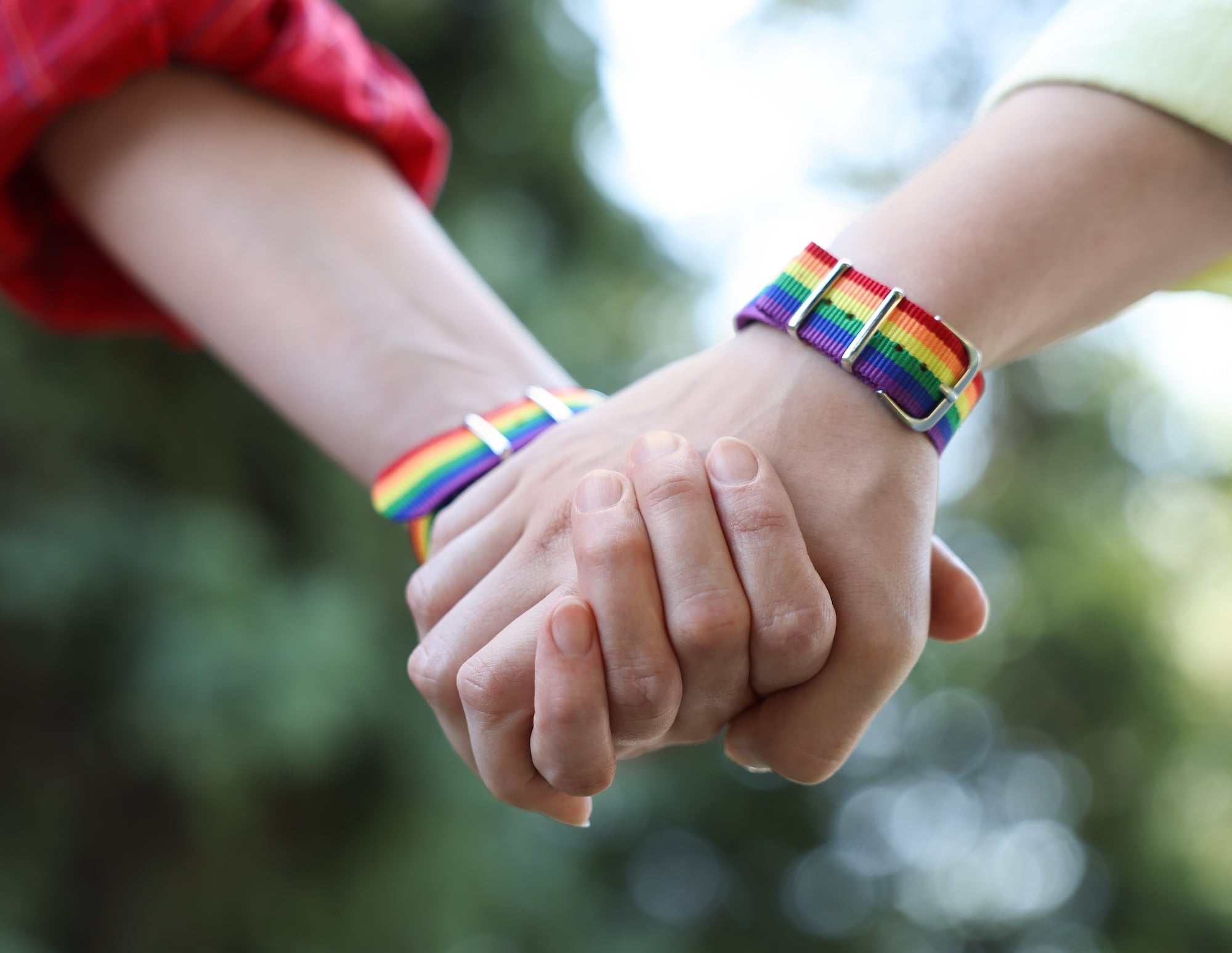
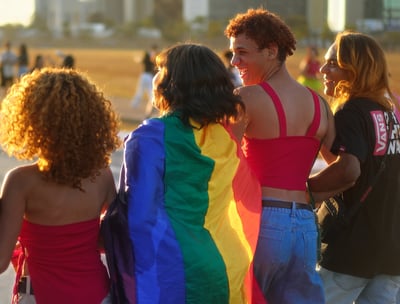
Over the decades, Pride has evolved from a protest to a global celebration. It encompasses parades, festivals, educational events, and community gatherings, all aimed at celebrating LGBTQIA+ identity, advocating for equal rights, and remembering the progress made while acknowledging the work still to be done. The rainbow flag, a symbol of LGBTQIA+ pride, was designed by Gilbert Baker in 1978, with each color representing different aspects of the community: red for life, orange for healing, yellow for sunlight, green for nature, blue for serenity, and violet for spirit.
Understanding Discomfort: Navigating Societal Shifts
For some individuals, particularly those from older generations or those with limited exposure to diverse gender identities and sexual orientations, Pride Month might evoke feelings of discomfort or unfamiliarity. This sentiment can stem from growing up in societal contexts where such identities were not openly acknowledged or discussed. For instance, individuals who came of age in the mid to late 20th century, like Generation X, often experienced a world where the concept of a gender spectrum or non-heterosexual relationships was not a prominent part of their educational or social upbringing.
The rapid evolution of societal understanding and acceptance surrounding gender and sexuality can be a significant shift to navigate. Examples of such shifts include the increasing visibility of transgender and non-binary individuals, the legal recognition of same-sex marriage in many countries, and a broader discourse on gender identity beyond a binary framework. While these changes represent progress and greater inclusivity, they can also feel disorienting for those accustomed to a more traditional worldview.
However, it is crucial to distinguish between the discomfort arising from unfamiliarity and the perpetuation of prejudice. The American Psychological Association, among other scholarly bodies, has presented evidence of same-sex relationships and diverse gender expressions throughout documented history across various cultures, including ancient Israel, ancient Greece, and numerous Indigenous American societies. This historical context suggests that the diversity of human identity is not a new phenomenon but rather that societal education and awareness have lagged behind. Therefore, any discomfort experienced by individuals regarding LGBTQIA+ identities is more likely a reflection of past educational gaps rather than an inherent flaw within the LGBTQIA+ community itself. Addressing this discomfort through education and open dialogue is key to fostering greater understanding and empathy.
Educational Pathways to Support and Understanding
To foster a more inclusive society, education plays a pivotal role in bridging understanding gaps and promoting allyship. For individuals seeking to deepen their comprehension of the LGBTQIA+ community and to become more effective supporters of family, friends, and colleagues, several resources can be invaluable.
Key Resources for Education:
- PFLAG (Parents, Families, and Friends of Lesbians and Gays): PFLAG offers support, education, and advocacy for LGBTQIA+ people and their families. Their website provides extensive resources, including educational materials and local chapter information.
- The Human Rights Campaign (HRC): As the largest LGBTQIA+ civil rights organization in the United States, HRC provides a wealth of information on LGBTQIA+ issues, including terminology, history, and advocacy efforts. They also offer guides for allies.
- GLAAD (Gay & Lesbian Alliance Against Defamation): GLAAD works to accelerate LGBTQIA+ acceptance through media advocacy. Their website offers resources on understanding LGBTQIA+ identities and issues, including a helpful glossary of terms.
- The Trevor Project: Dedicated to suicide prevention for LGBTQIA+ youth, The Trevor Project provides vital research, crisis intervention services, and educational materials that highlight the impact of acceptance on mental health. Their annual survey is a critical source of data.
- Local LGBTQIA+ Centers: Many cities and towns have local LGBTQIA+ community centers that offer workshops, support groups, and educational events. Engaging with these local resources can provide personalized learning experiences and community connection.
- Academic and Historical Texts: Exploring books and documentaries that delve into LGBTQIA+ history, the sociology of gender and sexuality, and personal narratives can offer profound insights.
By engaging with these resources, individuals can gain a more nuanced understanding of the LGBTQIA+ experience, challenge their own biases, and become more effective allies. This commitment to learning is essential for building a society where everyone feels safe, respected, and valued.
Broader Implications and the Path Forward
The ongoing evolution of LGBTQIA+ rights and visibility has far-reaching implications for society as a whole. Increased understanding and acceptance contribute to stronger communities, improved public health outcomes, and the realization of fundamental human rights for all. The fight for equality continues, with ongoing efforts to combat discrimination in housing, employment, healthcare, and other critical areas.
The annual observance of Pride Month serves not only as a celebration but also as a crucial reminder of the progress made and the challenges that remain. It is a time for reflection, education, and recommitment to building a world where sexual orientation and gender identity are no longer grounds for prejudice or discrimination. As societal norms continue to shift and understanding expands, the importance of embracing diversity and fostering genuine acceptance becomes increasingly paramount for the well-being of individuals and the fabric of society itself.
From all of us at Reward Gateway | Edenred, we extend our wishes for a meaningful and insightful Pride Month.