The digital edition of issue 20 of Works magazine has been released, offering a deep dive into a workplace sector demonstrating increasing confidence in its future, even as it grapples with unprecedented technological, social, and economic shifts. This latest edition synthesizes significant workplace projects, contemporary design discussions, and insightful industry commentary, all converging on a central theme: the persistent and paramount importance of connection, community, and shared human experience in an era marked by pervasive uncertainty. The publication aims to provide a comprehensive overview of how the modern workplace is being reshaped, not just by physical structures, but by the fundamental human needs they are designed to foster.
Redefining the Workplace: Beyond Traditional Design
At the forefront of this exploration is a detailed examination of LinkedIn’s new Munich headquarters. This project represents a significant evolution in workplace design, moving beyond conventional office layouts towards environments meticulously crafted to support learning, cultivate culture, and foster a profound sense of belonging. Designed by the renowned architectural firm Gensler, the Munich office draws deep inspiration from the unique character and spirit of the city itself. Gensler describes the space as a "village for a million people," a potent metaphor that underscores its ambition to create more than just a functional office. Instead, it offers a compelling model for how global corporations can establish workplaces that are not only globally consistent in their brand ethos but are also intrinsically rooted in and reflective of local identity. This approach acknowledges that a workplace’s success is increasingly tied to its ability to resonate with the people who use it and the communities in which it is situated.
The design philosophy behind LinkedIn’s Munich hub emphasizes flexibility, adaptability, and a focus on creating diverse zones that cater to different work styles and social interactions. This includes areas dedicated to focused work, collaborative sessions, informal meetings, and spaces designed for relaxation and rejuvenation. The integration of local art, materials, and cultural references aims to imbue the space with a sense of place, making it feel less like a generic corporate outpost and more like an authentic extension of the city. This strategy is particularly relevant as companies grapple with the hybrid work model, seeking to create compelling reasons for employees to come into the office, centered on experiences and connections that cannot be replicated remotely. The investment in such detailed, location-specific design suggests a long-term commitment to the physical office as a vital hub for organizational culture and employee engagement.
Connectivity and Regeneration: Deutsche Bank’s London Hub
Further underscoring the interconnectedness of urban development and workplace strategy, the issue features Deutsche Bank’s new headquarters at 21 Moorfields in the City of London. This project vividly illustrates how sophisticated transport infrastructure can act as a catalyst for urban regeneration, attract substantial investment, and drive innovation within the corporate real estate sector. The development, strategically positioned above the Elizabeth Line, highlights the escalating significance of seamless connectivity, robust sustainability practices, and the holistic well-being of employees in major corporate developments.
The decision to locate at 21 Moorfields was not merely about securing prime real estate; it was a strategic move to capitalize on the enhanced accessibility and the broader regeneration efforts transforming the area. The Elizabeth Line, a transformative addition to London’s transport network, has significantly reduced commute times for many employees and has revitalized the surrounding districts, making them more attractive for businesses and residents alike. Deutsche Bank’s commitment to this location reflects a broader trend of financial institutions looking to consolidate their operations in accessible, well-connected, and amenity-rich urban centers.
Beyond its logistical advantages, the 21 Moorfields development prioritizes sustainability and employee well-being. The building incorporates advanced energy-efficient systems, utilizes sustainable materials, and is designed to maximize natural light and provide access to green spaces. This focus aligns with growing corporate responsibility mandates and the increasing demand from employees for healthier and more environmentally conscious workplaces. The integration of wellness facilities, flexible working arrangements, and collaborative spaces further contributes to a holistic approach to employee experience, recognizing that a healthy and engaged workforce is crucial for long-term business success. The project serves as a tangible example of how large-scale infrastructure projects can directly influence and elevate the quality and impact of corporate workplaces.
The Human Element in the Age of AI
Artificial intelligence, as anticipated, emerges as a recurring and pivotal theme throughout the magazine. A detailed exploration of PolyAI’s London headquarters delves into how a company at the forefront of shaping the future of AI has deliberately designed its workspace to remain resolutely centered on human interaction. This project powerfully illustrates a growing industry realization: while technological advancements, particularly in AI, continue to fundamentally transform the nature of work, true innovation and sustained progress remain intrinsically dependent on human collaboration, vibrant organizational culture, and meaningful face-to-face engagement.
The design of PolyAI’s offices acknowledges the paradox of a company built on cutting-edge technology prioritizing the human touch. The physical environment is not merely a backdrop but an active participant in fostering the very human qualities that drive their innovation. This includes creating informal gathering spaces that encourage spontaneous conversations, dedicated areas for brainstorming and problem-solving that facilitate direct interaction, and meeting rooms equipped with technology that enhances, rather than replaces, human connection. The emphasis is on creating a synergistic relationship between technology and human interaction, where AI tools augment human capabilities and free up individuals to focus on more creative, strategic, and interpersonal aspects of their roles.
This approach is particularly relevant as businesses across all sectors integrate AI into their operations. The potential for AI to automate tasks, analyze data, and even generate content raises questions about the future role of human workers. PolyAI’s strategy suggests that rather than fearing displacement, companies should focus on leveraging AI to enhance human potential and cultivate environments where human ingenuity can flourish. The design of their headquarters is a testament to the belief that in an increasingly automated world, the uniquely human capacities for creativity, empathy, and complex problem-solving become even more valuable, and that the physical workplace plays a critical role in nurturing these attributes.
Global Perspectives and Psychological Realities
Beyond specific projects, Works magazine 20 tackles the broader forces shaping the global workplace design landscape. Industry luminary Theresa Dowling convenes a discussion with leading international architects and designers to dissect the complexities of operating within an increasingly globalized market. The discourse navigates critical issues such as the nuances of cultural identity in design, the diverse planning systems encountered across different regions, ethical considerations in international practice, and the burgeoning opportunities emerging in rapidly developing markets, particularly in the Middle East. This dialogue provides invaluable insights into the challenges and rewards of creating adaptable and culturally sensitive workspaces on a global scale.
Concurrently, a compelling feature delves into the psychology of distraction, revisiting the seminal "cocktail party effect." This exploration examines why, in the contemporary workplace, the ability to maintain focused attention has become one of the most precious and sought-after resources. The article artfully connects recent advances in neuroscience with the practical, everyday challenges of designing office environments that effectively support concentration, facilitate collaboration, and promote overall employee well-being. Understanding the cognitive mechanisms of attention is presented as a crucial factor in designing spaces that are not only aesthetically pleasing but are also conducive to deep work and cognitive performance.
The implications of this research are far-reaching for workplace strategists and designers. It suggests that the open-plan office, while promoting interaction, may inadvertently create environments detrimental to sustained focus for many individuals. Conversely, spaces designed for focused work need to be carefully considered to avoid isolation. The ideal workplace, therefore, may lie in a carefully curated balance of different types of zones, offering employees choice and control over their environment based on their task and personal preferences. This aligns with principles of biophilic design and the creation of sensory-rich yet calming spaces that can mitigate the cognitive load associated with constant stimuli.
Celebrating Innovation and Sustainable Futures
The issue also dedicates significant attention to celebrating the products, materials, and innovative ideas that are actively shaping the future of the workplace sector. A comprehensive showroom section shines a spotlight on cutting-edge innovations from prominent manufacturers, including Bisley, Flokk, KI, Sedus, and Herman Miller. These features offer a glimpse into the latest advancements in furniture design, space utilization, and technology integration.
Furthermore, a dedicated focus on materials showcases groundbreaking developments in sustainable design and the principles of the circular economy. This includes explorations into the use of recycled and recyclable materials, the development of bio-based alternatives, and strategies for designing products with their end-of-life in mind. Commentary pieces further enrich this section by exploring a diverse range of topics, from the evolving landscape of social media and its impact on professional networks to the growing momentum behind furniture reuse and remanufacturing initiatives. These discussions highlight the industry’s increasing commitment to environmental responsibility and the adoption of more circular business models.
Clerkenwell Design Week: A Thriving Hub for Connection and Exchange
The publication provides a comprehensive review of Clerkenwell Design Week, an event now celebrating its 15th year and demonstrating sustained growth and impact. The article posits that the event’s enduring success stems not solely from the impressive array of products and innovations on display, but critically, from its vital role as a physical venue for designers, manufacturers, and workplace professionals to convene, exchange ideas, and forge meaningful relationships in real time and in shared physical space.
Clerkenwell Design Week has established itself as a cornerstone of the design calendar, attracting a global audience and showcasing the latest trends and emerging talent. The event’s format, which spans multiple venues across the Clerkenwell district, encourages exploration and discovery, fostering serendipitous encounters and in-depth conversations. It serves as a crucial platform for industry networking, allowing professionals to reconnect with existing contacts, forge new partnerships, and gain inspiration from the diverse perspectives present. The emphasis on face-to-face interaction at such events is increasingly valued in an age where digital communication often dominates.
A Holistic Vision for Thriving Workplaces
In addition to these core themes, readers will encounter insightful discussions on a wide spectrum of crucial topics. These include the multifaceted nature of sustainability in the built environment, the intricate dynamics of workplace culture, the imperative of designing for neurodiversity, the growing influence of hospitality-inspired design principles, and the increasingly vital and symbiotic relationship between physical space and the lived human experience.
Collectively, the diverse features and analyses presented in Works magazine issue 20 paint a compelling picture of an industry that is not merely focused on the construction of better physical workplaces. Instead, it is deeply invested in cultivating superior conditions that empower people to connect meaningfully, collaborate effectively, and ultimately, to thrive both professionally and personally. The magazine serves as a vital resource for understanding the present state and future trajectory of workplace design, emphasizing that the most successful environments are those that prioritize human well-being and foster a strong sense of community.
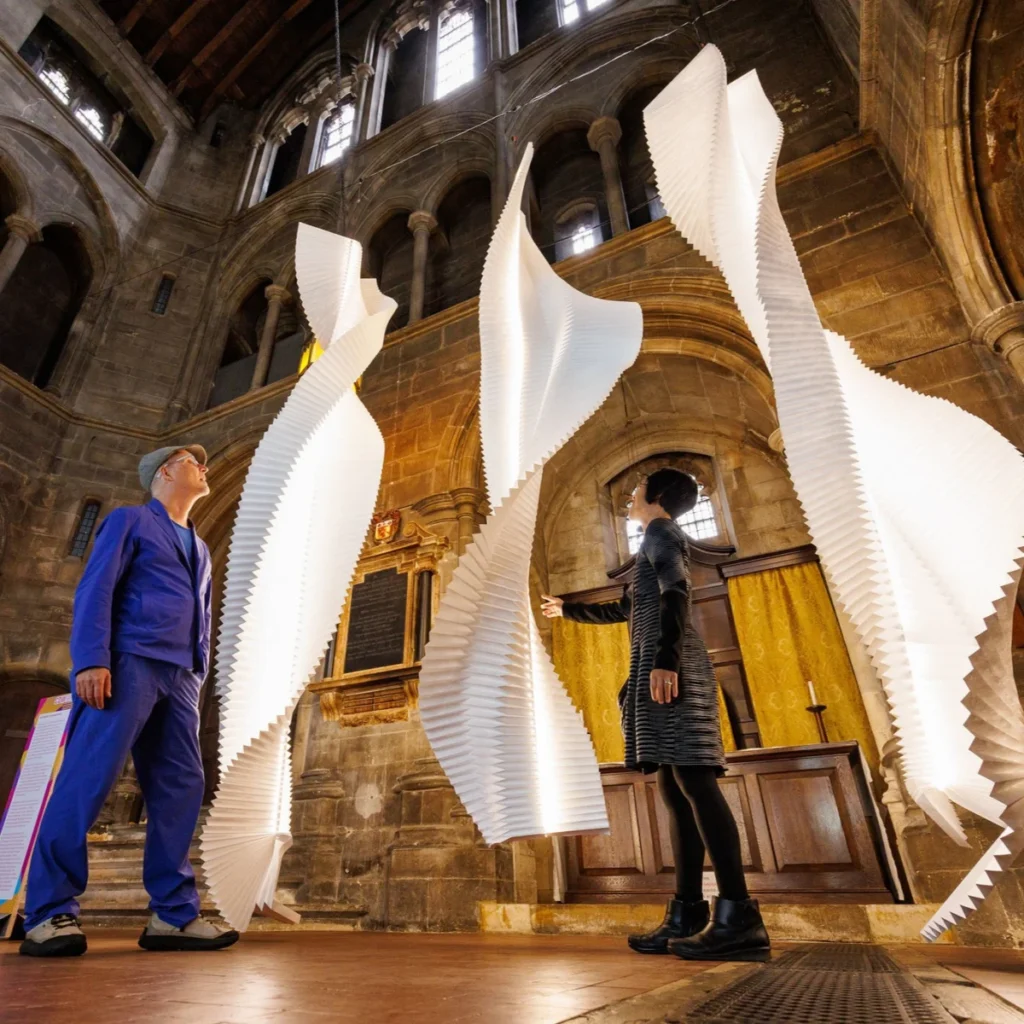
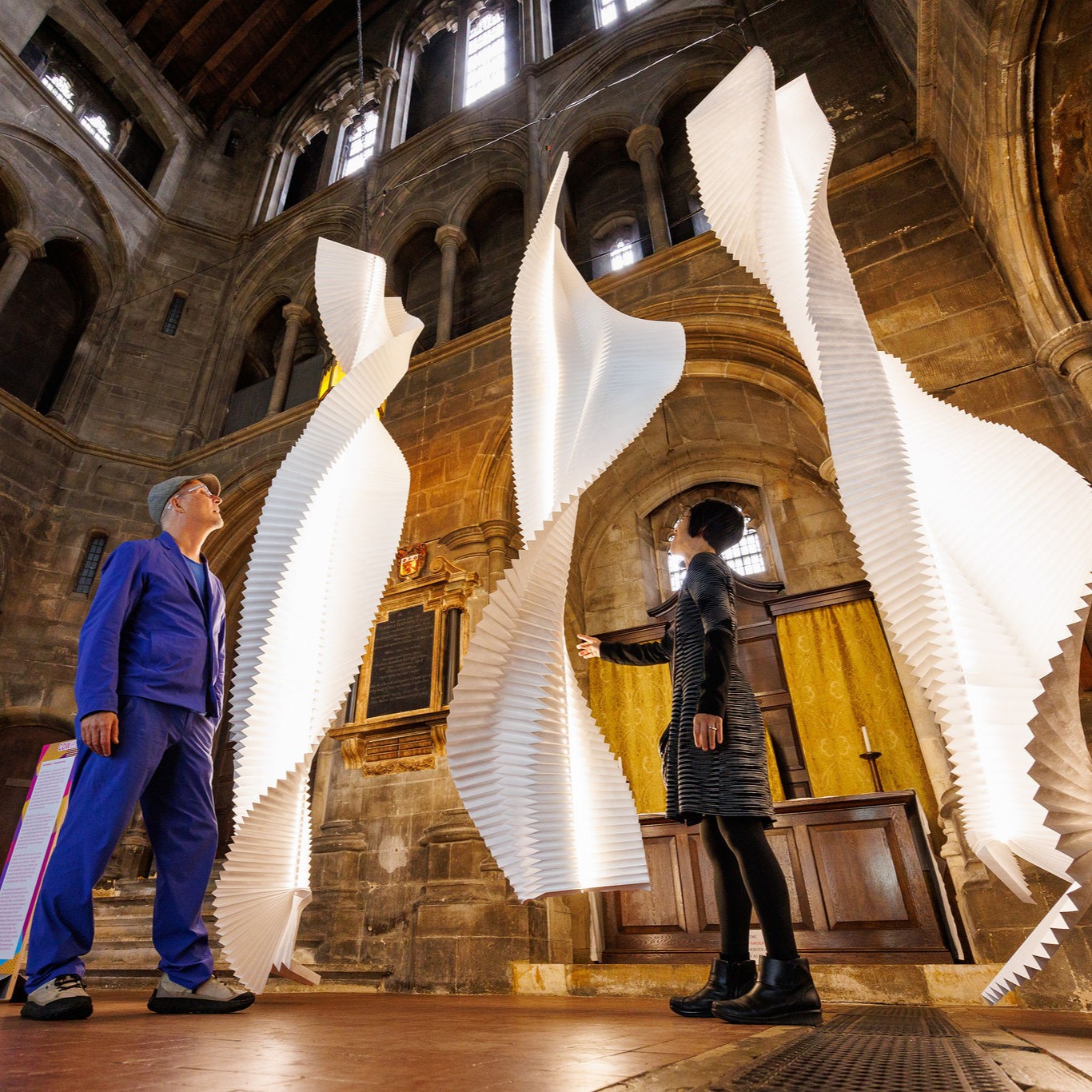
Main image: Fung+Bedford Resonance installation at Clerkenwell Design Week. Photographer: Sam Frost.