The global corporate training market, currently valued at hundreds of billions of dollars annually, is undergoing a fundamental shift in how effectiveness is measured, moving beyond simple satisfaction surveys toward a comprehensive model of course evaluation. Modern course evaluation is defined as the systematic measurement of a learning program’s ability to achieve specific, predefined goals through the gathering and analysis of feedback, assessment results, learner engagement metrics, and long-term performance outcomes. Unlike traditional methods that often relied on anecdotal evidence, contemporary evaluation frameworks are designed to provide Instructional Designers and organizational leaders with a data-driven roadmap to determine whether training initiatives provide a tangible return on investment (ROI).
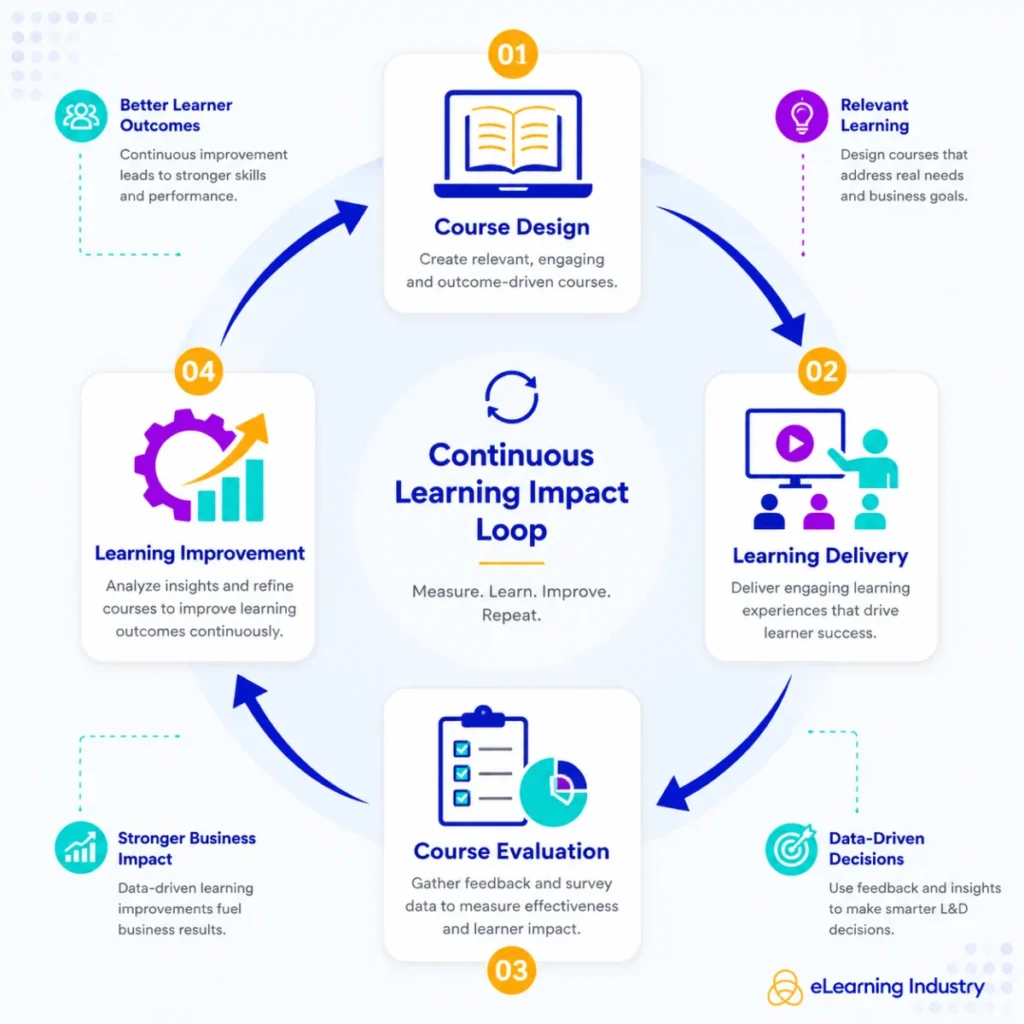
A critical distinction must be maintained between course evaluation and learner assessment. While learner assessment focuses on the individual’s acquisition of knowledge or skills—often through quizzes or practical tests—course evaluation scrutinizes the quality and structural integrity of the program itself. In the professional landscape, this means that while an assessment checks the employee, the evaluation checks the curriculum. By integrating these two distinct but related data sets, organizations can transition from guesswork to a model of continuous improvement, ensuring that learning outcomes are directly aligned with broader corporate objectives.
The Strategic Importance of Evaluation in Modern L&D
In an era of rapid technological disruption, the role of Learning and Development (L&D) has evolved from a secondary support function to a primary driver of organizational agility. Consequently, the evaluation process has become a critical tool for multiple stakeholders within the corporate ecosystem. For Instructional Designers, the evaluation provides a feedback loop that highlights content relevance and accessibility. If data indicates a significant drop-off in engagement during a specific module, designers can pinpoint structural flaws or content gaps that hinder the learning experience.
For L&D teams, course evaluation serves as a justification for budget allocation and resource management. By utilizing specific training evaluation questions and analyzing engagement data, these teams can make evidence-based decisions on which programs to scale and which to retire. This move toward evidence-based practice is essential for maintaining a curriculum that remains current in a shifting market.
From a leadership perspective, HR executives and business stakeholders utilize evaluation data to bridge the gap between employee development and productivity. In a statement regarding the strategic necessity of these metrics, Christopher Pappas, CEO and founder of eLearning Industry, noted that organizations do not improve what they do not measure. He emphasized that course evaluation is the mechanism by which learning is transformed from a sunk cost into a strategic investment that drives measurable business performance. In highly regulated sectors, such as healthcare, finance, and manufacturing, these evaluations also serve as a vital record of compliance and quality assurance.
The Kirkpatrick Model: A Four-Level Chronology of Impact
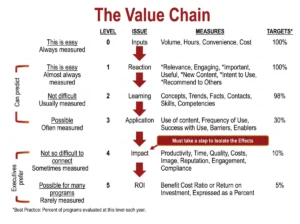
To provide a structured approach to measuring success, most modern organizations utilize the Kirkpatrick Model, a framework that has become the gold standard for evaluating training effectiveness. This model establishes a chronology of evaluation that begins at the moment of course completion and extends into long-term job performance.
Level 1: Reaction
The initial phase of evaluation occurs immediately following the training session. Often referred to as "smile sheets," these surveys measure learner satisfaction and the perceived value of the content. Questions typically focus on the relevance of the material, the quality of the instruction, and the ease of use regarding the learning platform. While high satisfaction scores are a positive indicator of engagement, they do not necessarily correlate with the actual mastery of the subject matter.
Level 2: Learning
The second level shifts the focus to knowledge acquisition. This is the stage where learner assessments—such as quizzes, simulations, or practical demonstrations—are utilized to verify that the intended information was successfully transferred. Organizations use this data to confirm that the course met its immediate educational objectives and that participants can demonstrate the skills they were taught in a controlled environment.
Level 3: Behavior
The third level of evaluation is perhaps the most critical for organizational growth, as it measures the application of knowledge in the workplace. This phase requires a longitudinal approach, often involving observations and performance reviews conducted weeks or months after the training has concluded. Managers play a pivotal role here, providing feedback on whether the employee’s daily routines and decision-making processes have improved as a result of the program.
Level 4: Results
The final level examines the macro-impact of the training on the organization’s bottom line. By tracking Key Performance Indicators (KPIs) such as sales growth, reduced error rates, improved customer satisfaction scores, and employee retention, businesses can determine the ultimate ROI of their L&D initiatives. This level of analysis provides the empirical evidence needed to link training directly to company-wide strategic goals.

Methodologies for Effective Data Collection
A successful course evaluation is predicated on the quality of the data collected. This requires a well-structured evaluation form that is tailored to the specific nature of the training. Whether the program is delivered in person, via an asynchronous online platform, or through a blended learning model, the evaluation tool should ideally be divided into five distinct sections: instructor effectiveness, content quality, learning environment, technical accessibility, and overall perceived impact.
In practice, the questions asked must vary depending on the program’s focus. For corporate compliance training, the evaluation focuses on the clarity of policies and the identification of potential knowledge gaps that could lead to regulatory risks. Common metrics in this sector include completion rates and post-training confidence levels. Conversely, in leadership development programs, the evaluation focuses on qualitative shifts in communication styles and the ability of participants to manage complex team dynamics. These evaluations often incorporate 360-degree feedback from both the participants and their direct reports to gain a holistic view of the program’s success.
Technical skills training requires a different approach, focusing heavily on hands-on assessments and certification results. Metrics in this area are often binary—either the learner can perform the technical task to the required standard, or they cannot. This provides a clear, objective data point for evaluators to determine the effectiveness of the instructional delivery.
The Role of Qualitative Feedback
While quantitative data (such as ratings on a scale of 1 to 5) is essential for identifying trends, qualitative feedback provides the "why" behind the numbers. Effective positive feedback often highlights specific elements that contributed to success, such as "The real-world case studies helped me understand how to apply the software in my daily workflow."
On the other hand, constructive feedback is vital for identifying friction points. Comments such as "The navigation in module three was counter-intuitive, leading to confusion during the simulation" provide Instructional Designers with actionable insights. High-quality feedback is characterized by being specific, objective, and focused on improvement. By analyzing these open-ended responses, organizations can uncover systemic issues that might be missed by purely numerical data.
Technological Integration: From Spreadsheets to Specialized Software
As training programs scale, the manual management of evaluation data becomes increasingly untenable. Traditional methods involving spreadsheets are prone to error and lack the sophisticated analytical capabilities required for modern business intelligence. This has led to the rise of dedicated course evaluation software, which offers several key advantages.
Modern evaluation tools provide automated data collection and real-time reporting, allowing L&D teams to identify and address issues as they arise rather than waiting for a quarterly review. Integration with existing Learning Management Systems (LMS) ensures that feedback is tied directly to learner profiles, providing a more comprehensive view of the employee journey. Advanced features to look for in these platforms include customizable templates, anonymity protections to encourage honest feedback, and trend analysis tools that can forecast the long-term impact of training based on historical data.
Furthermore, the integration of Artificial Intelligence (AI) into evaluation software is beginning to allow for sentiment analysis of qualitative feedback. This technology can automatically categorize thousands of open-ended responses into "positive," "neutral," or "negative" sentiments, highlighting specific themes and areas of concern without the need for manual review by L&D staff.
Conclusion and Future Implications
Course evaluation has transitioned from a routine administrative task to a cornerstone of strategic organizational development. By adopting a multi-leveled approach—measuring reaction, learning, behavior, and results—organizations can move beyond the superficial metrics of "completion" and toward a deep understanding of "impact."
As the link between continuous learning and competitive advantage becomes more pronounced, the demand for sophisticated evaluation practices will only increase. Organizations that prioritize these practices will be better equipped to build flexible, measurable, and highly effective training programs that are not only aligned with their long-term goals but are also capable of evolving alongside the workforce. In the final analysis, course evaluation is the essential mechanism that ensures every dollar spent on training contributes to the resilience and growth of the enterprise.